
Understanding the Role and Structure of Trading Proprietary Firms

Definition and Role of Proprietary Trading Firms
Proprietary trading firms, often abbreviated as prop firms, are specialized financial entities that engage in trading financial instruments using their own capital. Unlike traditional investment firms or asset managers that trade on behalf of third-party clients, these firms focus on generating profits for themselves through strategic and high-frequency trading activities. Their primary aim is to leverage advanced technology, market expertise, and proprietary strategies to capitalize on market inefficiencies and price movements.
This focus on self-directed trading enables prop firms to operate with a distinct advantage, often utilizing sophisticated algorithms and high-speed infrastructure. Their role extends beyond mere trading; they contribute to market liquidity, aid in the discovery of fair prices, and foster innovation through the development of cutting-edge trading techniques. As key participants in financial markets, prop firms often have access to exclusive trading opportunities and are instrumental in the execution of large volume trades that influence market dynamics.
While their activities are anchored in the same market principles as other trading entities, proprietary firms distinguish themselves through their capital deployment, technological edge, and aggressive trading approaches. They are vital to the ecosystem, balancing market efficiency with risk-sharing and profit generation.
Types of Proprietary Trading Firms
Proprietary trading firms vary significantly in their operational focus and strategic emphasis. Some specialize in quantitative trading, relying heavily on mathematical models and algorithmic strategies to identify trading opportunities. Others may focus on discretionary trading, where experienced traders make decisions based on market analysis and insight. Additionally, certain firms focus on specific asset classes such as equities, commodities, forex, or derivatives, tailoring their strategies to optimize performance within those markets.
Business Structure and Legal Framework
Most prop trading firms operate as distinct legal entities, often structured as corporations or limited liability companies. This arrangement provides clear boundaries for risk management and compliance. They may be privately held or part of larger financial conglomerates, with strict regulatory adherence ensuring transparency in their operations.
Firms typically establish internal policies for trading conduct, risk control, and capital allocation. They also maintain robust legal agreements with traders and partners to define trading limits, profit-sharing arrangements, and confidentiality clauses. These organizational structures facilitate efficient management of capital, technology deployment, and strategic growth initiatives.
Trading Strategies Used by Prop Firms
Proprietary firms employ a range of trading strategies designed to exploit market movements and inefficiencies. These include:
- Quantitative Trading: Using algorithms and models to execute trades based on statistical analysis.
- Market Making: Providing liquidity by simultaneously quoting buy and sell prices, profiting from bid-ask spreads.
- Arbitrage: Exploiting price differences of the same asset across different markets or instruments.
- High-Frequency Trading: Leveraging ultra-fast technology to capitalize on small price fluctuations within milliseconds.
- Discretionary Trading: Relying on experienced traders’ judgment and market intuition to make trading decisions.
These strategies often overlap, with many firms blending elements to diversify their risk and optimize returns while adapting to evolving market conditions.
Funding and Capital Requirements
Capital allocation is a cornerstone of a proprietary trading firm’s operations. Typically, firms are endowed with substantial pools of capital, ranging from millions to billions of dollars, which allows them to engage in large-volume trading. The amount of capital varies based on the firm's size, strategy focus, and risk appetite.
Firms generally maintain reserves dedicated to risk management, ensuring they can withstand adverse market movements. They also allocate funds for research, technology infrastructure, and trader compensation. The ability to deploy significant capital swiftly and efficiently provides a competitive advantage in capturing market opportunities.
Technology and Infrastructure
Cutting-edge technology is integral to the success of proprietary firms. They invest heavily in powerful trading platforms, real-time data feeds, and low-latency infrastructure to execute trades with minimal delay. Advanced analytics, machine learning algorithms, and automated trading systems support decision-making processes.
High-speed connectivity, co-location services near exchanges, and robust cybersecurity measures safeguard trading operations. Maintaining this technological edge is vital for executing high-frequency strategies and managing large trade volumes effectively.
Conclusion
Proprietary trading firms are fundamental players in the financial markets, leveraging specialized strategies, significant capital, and advanced technology to generate profits and contribute to market efficiency. Their unique operational models distinguish them from other financial entities, positioning them as influential forces capable of navigating complex market environments with agility and precision.
Business Structure and Legal Framework
Proprietary trading firms operate under specific organizational structures that facilitate their trading activities while complying with established financial regulations. These firms are typically organized as limited liability companies (LLCs), corporations, or partnerships, depending on their size, scope, and strategic focus. This structure helps delineate ownership, liability, and operational responsibilities, enabling efficient management of legal and financial obligations.
In terms of legal setup, prop trading firms often establish clear internal policies and procedures to govern trading activities, risk management, and compliance. These policies are essential for maintaining operational integrity, managing conflicts of interest, and ensuring adherence to industry standards. Many firms incorporate robust internal audit mechanisms and compliance departments to monitor trading practices continuously and uphold ethical standards.
Regulatory adherence is a key component of their operational framework. While prop firms primarily trade with their own capital, they nonetheless comply with various financial regulations, such as anti-money laundering (AML) mandates, know-your-customer (KYC) procedures, and reporting requirements imposed by relevant authorities. This adherence safeguards the firm's reputation and operational continuity in volatile market environments.
Furthermore, the legal framework often includes contractual agreements with traders, stipulating terms of employment, profit-sharing arrangements, and risk management protocols. These agreements are designed to clearly define the roles, responsibilities, and expectations of all parties involved, fostering a transparent working relationship that aligns with the firm’s strategic objectives.

Institutional backing and operational licenses are also vital, especially for larger firms that may engage in complex trading strategies across multiple markets and asset classes. This ensures they meet the necessary legal standards and maintain access to exclusive trading opportunities.
Operational Considerations and Compliance
- Implementation of internal controls and risk policies aligned with regulatory requirements
- Maintenance of trading licenses and certifications where applicable
- Engagement with legal advisors to review trading contracts and compliance procedures
- Regular audits and reporting to ensure ongoing adherence to industry standards
Business Structure and Legal Framework
Proprietary trading firms operate within a carefully defined business structure that balances operational efficiency with compliance to strict regulatory standards. Typically, these firms are structured as private entities or corporations, with a clear delineation of ownership, management, and trading teams. This organizational setup facilitates effective oversight, risk management, and strategic decision-making. The legal framework guiding proprietary trading firms encompasses a comprehensive set of regulations and contractual obligations. These include adherence to financial industry regulations such as Anti-Money Laundering (AML) policies, Know Your Customer (KYC) procedures, and specific reporting requirements established by financial authorities. Maintaining compliance requires continuous monitoring and updating of policies to align with evolving legal standards. In addition to regulatory compliance, legal documentation plays a pivotal role in defining operational parameters. Contracts with traders typically specify profit-sharing arrangements, risk management protocols, and trading activities' scope. These agreements ensure clarity in roles and responsibilities, fostering a transparent environment aligned with the firm’s strategic goals. Many proprietary trading firms hold specific licenses or certifications that enable them to operate across various markets and asset classes. These licenses are obtained through regulatory bodies and are essential for legitimizing the firm’s trading activities. Larger firms often invest in robust technological infrastructure and operational licenses to support complex trading strategies, including algorithmic trading, high-frequency trading, and multi-asset strategies. The business structure also includes tiers of management responsible for compliance oversight, risk management, and strategic initiatives. Regular audits by internal and external auditors help ensure that operational procedures remain aligned with industry standards, safeguarding the firm's reputation and operational integrity.

Understanding the Business Structure and Legal Framework of Trading Proprietary Firms
Trading proprietary firms operate within a sophisticated and carefully regulated ecosystem that ensures their activities are aligned with industry standards and operational best practices. These firms typically establish a robust organizational architecture supported by comprehensive legal frameworks that enable seamless trading across various asset classes and markets. A core component of this structure is the legal authorization, often obtained through specific licenses and regulatory approvals that facilitate the firm’s ability to execute trades in equities, commodities, foreign exchange, derivatives, and other financial instruments.
At the heart of a trading proprietary firm’s legal setup is their incorporation under jurisdiction-specific corporate laws, which define operational scope and compliance requirements. The firm must maintain detailed documentation of their trading strategies, risk management protocols, and internal controls. Additionally, they often engage legal counsel to review their operations periodically, ensuring adherence to evolving regulatory standards and industry best practices.

Financial regulators typically require these firms to register with authorities such as securities commissions or financial conduct authority bodies depending on the jurisdiction. This registration involves submitting detailed business plans, financial disclosures, and compliance procedures. Many proprietary trading firms hold memberships with exchange organizations or clearinghouses to facilitate trading activities and settle transactions securely.
Legal frameworks also encompass risk management policies, which are codified into internal compliance manuals and trading protocols. These policies dictate the firm’s approach to leverage management, position limits, and loss controls, forming a critical part of the operational blueprint that helps mitigate potential financial and reputational risks.
Operational Infrastructure and Responsibilities
Within this structured environment, operational teams are tasked with implementing trading strategies, monitoring market activities, and ensuring that all trading operations conform to legal and compliance standards. The compliance officers conduct regular audits and oversee internal controls to prevent any breaches of regulation or internal policy. This layered approach fortifies the trading firm’s ability to navigate complex market conditions without compromising integrity or operational stability.
Moreover, larger firms often develop internal legal teams dedicated to reviewing contractual arrangements, licensing compliance, and dispute resolution. Their proactive legal management protects the firm’s interests and sustains its market reputation.
Technological and Regulatory Integration
Firms heavily invest in technological infrastructure, including advanced trading platforms, data analytics systems, and security protocols that support their business operations. These systems are integrated with compliance tools that automatically flag irregular trading patterns and potential violations, ensuring continuous adherence to legal requirements.
To support these activities, firms also engage in ongoing staff training on legal compliance, ethical trading practices, and regulatory updates. This proactive education enhances the firm’s operational discipline and ensures traders and staff are well-versed in legal standards and internal policies.

Effective legal and organizational frameworks are vital for proprietary trading firms to operate efficiently, manage risks, and maintain a reputable standing in the financial industry. Their disciplined approach to legal compliance and operational governance reaffirms their commitment to transparent and responsible trading practices, which are crucial for sustaining long-term success and cultivating trust among clients, partners, and regulatory bodies.
Funding and Capital Requirements
Proprietary trading firms, or prop firms, rely heavily on their own capital to fund trading activities. These firms often start with initial seed capital, which can vary significantly depending on their size, reputation, and market focus. Securing sufficient funding is crucial to enable traders to execute substantial trades and to absorb potential losses without jeopardizing the firm's financial stability.
Once initial capital is established, prop firms typically allocate funds based on traders’ track records and risk profiles. A rigorous assessment process evaluates prospective traders' ability to generate profits while managing risk effectively. Successful traders might receive increased capital allocations, enabling them to scale their trading strategies and impact overall firm profitability.
To maintain liquidity and manage risk exposure, prop firms deploy various risk management tactics. These include establishing predefined trading limits, implementing margin controls, and requiring traders to adhere to strict compliance protocols. These measures help prevent excessive losses that could threaten the firm's financial health.

Technology and Infrastructure
In the realm of proprietary trading, technological infrastructure is vital for achieving competitive edges and operational efficiency. Prop firms invest heavily in sophisticated trading platforms capable of executing high-frequency trades, analyzing real-time data, and automating complex trading algorithms. These systems enable traders to identify lucrative opportunities swiftly and execute trades with minimal latency.
Advanced data analytics tools are also integral to prop firms' infrastructure. These tools analyze vast datasets to uncover market patterns, sentiment trends, and potential risk factors. By leveraging artificial intelligence and machine learning algorithms, firms can enhance decision-making processes and refine trading strategies continuously.
Security protocols are paramount to safeguard sensitive trading data and client information. Forward-thinking firms implement multi-layered cybersecurity measures, including encryption, intrusion detection systems, and regular vulnerability assessments. These safeguards protect against cyber threats that could compromise trading operations and lead to data breaches.
Operational technology extends beyond trading platforms to include compliance automation tools. These systems monitor trading activity for irregularities and ensure adherence to internal policies and regulatory standards. Continuous technological innovation allows prop firms to stay ahead in an increasingly competitive market environment.

Funding and Capital Requirements
Understanding how proprietary trading firms secure and allocate capital is essential for comprehending their operational models. These firms typically start with a dedicated capital pool, which is often sourced from the firm's owners, investors, or external funding partnerships. The core principle is to utilize this capital efficiently, deploying it across various trading strategies to maximize returns while managing risk.
Many prop firms operate with a well-structured hierarchy of funding, where initial capital is segmented into different trading accounts based on strategy, trader experience, or asset class. This segmentation allows the firm to monitor performance precisely and allocate resources dynamically, scaling successful strategies while phasing out less effective ones.
Capital requirements for traders vary depending on the firm's policies, risk appetite, and the specific trading instruments involved. For instance, trading highly volatile assets such as equities and commodities may require a larger capital base to mitigate risks effectively. Conversely, smaller accounts may focus on low-risk, high-frequency strategies that demand less initial capital but rely heavily on technological infrastructure and speed.
To ensure sustainability and compliance, prop firms implement rigorous risk management protocols, including position size limits, stop-loss orders, and daily drawdown controls. These measures help preserve the trading capital, prevent excessive losses, and maintain steady growth over time. Equally important are the capital replenishment mechanisms—firms often reinvest profits or seek additional funding sources to expand their trading capacity.

In addition, firms leverage advanced portfolio management software to monitor capital deployment across multiple strategies simultaneously. This integrated approach ensures optimal use of available funds and enables rapid adjustments in response to market shifts, thus improving overall trading performance and financial stability.
Lastly, transparency in capital management practices is vital for maintaining credibility with stakeholders, including investors and regulatory bodies. Clear documentation of capital sources, risk controls, and profit-sharing arrangements underpins the integrity of proprietary trading operations and facilitates smoother audits and compliance checks.
Funding and Capital Requirements
Proprietary trading firms typically operate with a combination of internal capital and external funding sources to sustain their activities. The initial capital for establishing a proprietary trading operation varies significantly depending on the firm's strategy, target markets, and risk appetite. For firms engaging in high-frequency trading or market-making, substantial upfront investment in technology infrastructure and capital reserves is essential to support rapid execution and large position sizes. Conversely, smaller firms or those focusing on niche markets may operate with relatively lower capital bases, provided their risk management practices are robust.
Capital requirements are crucial for supporting the trading activities, covering the costs of market access, technology, research, personnel, and regulatory compliance. Many firms adopt a phased approach, initially deploying risk capital in controlled environments, gradually scaling as trading strategies prove profitable and risk controls are refined. Maintaining adequate capital buffers is vital to withstand market volatility and unexpected downturns, ensuring operational continuity without compromising the firm's financial health.
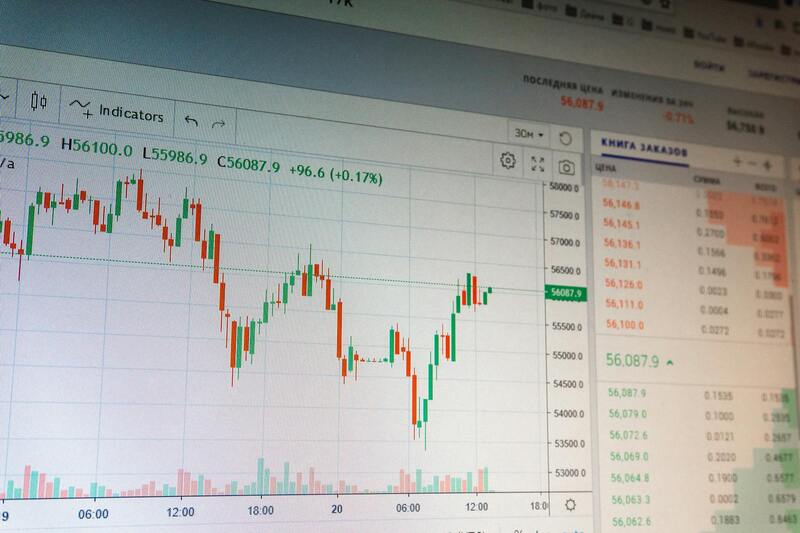
Funding sources are diversified, often encompassing the firm’s own retained earnings, outside investors, or corporate financing arrangements. Transparent management of these funds is integral to sustaining investor confidence and operational integrity. Many firms also leverage risk management protocols that set limits on position sizes, daily drawdowns, and overall exposure, aligning trading activity with available capital to prevent excessive losses.
Technology and Infrastructure
Robust technological infrastructure forms the backbone of successful proprietary trading operations. Firms invest heavily in high-speed trading platforms, real-time market data feeds, and advanced analytical software. This technology enables traders to execute strategies swiftly, analyze large data sets efficiently, and adapt to rapidly changing market conditions. Automation plays a key role, with many firms implementing algorithmic trading systems designed to capitalize on market inefficiencies or execute pre-approved strategies automatically.
Secure and reliable infrastructure also encompasses backup systems, cybersecurity measures, and dedicated technical support teams to prevent disruptions that could lead to significant financial losses. Continuous upgrades and technological innovation are critical for maintaining competitive advantages and ensuring compliance with evolving market standards and regulatory requirements.
Furthermore, proprietary firms prioritize transparency in their financial and operational practices. Detailed documentation of capital sources, risk management strategies, and profit-sharing models helps build trust among stakeholders and facilitates regulatory audits. Effective integration of trading platforms, risk controls, and reporting systems ensures seamless operation, compliance, and the ability to respond rapidly to market opportunities or threats.
Funding and Capital Requirements
Prop trading firms typically maintain substantial capital reserves to support their trading activities. The amount of capital available often determines the scale and scope of trading strategies that can be pursued. Firms may seek funding through a combination of private investors, retained earnings, or external financing sources, enabling them to sustain high-volume trading operations while managing risk effectively. In many cases, proprietary firms allocate their capital into diversified portfolios across multiple asset classes, including equities, commodities, currencies, and derivatives. This diversification helps mitigate potential losses from adverse market movements in any single asset class. Furthermore, compliance with strict internal risk management procedures is essential for preserving capital. These procedures include predetermined limits on trading positions, stop-loss orders, and ongoing risk assessment protocols. Capital allocation strategies are continuously reviewed and adjusted to respond to evolving market trends and the firm’s overall risk appetite. Maintaining adequate liquidity and capital buffers is also crucial, ensuring that the firm can absorb potential losses without compromising its operational integrity.

Technology and Infrastructure
Robust technological infrastructure forms the backbone of successful proprietary trading operations. Firms invest heavily in high-speed trading platforms, real-time market data feeds, and advanced analytical software. This technology enables traders to execute strategies swiftly, analyze large data sets efficiently, and adapt to rapidly changing market conditions. Automation plays a key role, with many firms implementing algorithmic trading systems designed to capitalize on market inefficiencies or execute pre-approved strategies automatically. Secure and reliable infrastructure also encompasses backup systems, cybersecurity measures, and dedicated technical support teams to prevent disruptions that could lead to significant financial losses. Continuous upgrades and technological innovation are critical for maintaining competitive advantages and ensuring compliance with evolving market standards and regulatory requirements. State-of-the-art technology supporting proprietary trading activities. Furthermore, proprietary firms prioritize transparency in their financial and operational practices. Detailed documentation of capital sources, risk management strategies, and profit-sharing models helps build trust among stakeholders and facilitates regulatory audits. Effective integration of trading platforms, risk controls, and reporting systems ensures seamless operation, compliance, and the ability to respond rapidly to market opportunities or threats.
