
Definition and Role of Prop Trading Firms in the US
Proprietary trading firms, commonly known as prop firms, are specialized financial entities that trade financial instruments such as stocks, options, futures, and currencies using their own capital. These firms do not typically operate on behalf of clients but aim to generate profits through their trading strategies, leveraging the expertise of their professional traders. In the United States, prop firms have become a fundamental part of the financial ecosystem, providing a vital platform for skilled traders to operate within a structured environment that offers access to significant capital and advanced trading technology.
The core purpose of prop trading firms is to profit from market inefficiencies, price movements, and arbitrage opportunities. They often hire experienced traders or cultivate promising new talent through rigorous evaluation processes. Unlike traditional investment firms or asset managers, prop firms prioritize capital allocation to their traders rather than managing external funds. This model encourages high levels of risk-taking, innovative trading approaches, and the pursuit of alpha (excess returns) in volatile market conditions.

In terms of their operational role, US prop trading firms contribute to market liquidity and efficiency. Their active trading strategies help smooth out price gaps and provide essential data points for market analysis. Additionally, these firms often engage in quantitative research, algorithmic trading, and risk management practices to optimize their strategies and mitigate potential losses. The dynamic nature of prop trading, combined with the high stakes involved, makes these firms pivotal players in the modern financial landscape.
Distinguishing themselves from traditional brokerage firms, which primarily facilitate client transactions, prop firms focus solely on their trading activities. They are usually structured as separate legal entities with dedicated teams specializing in various asset classes and trading methodologies. This distinction allows them to concentrate on generating proprietary profits while maintaining a competitive edge through proprietary research, risk analytics, and trading infrastructure.
Legal and Regulatory Environment for Prop Firms in the US
Operating within the United States, proprietary trading firms (prop firms) are governed by a complex framework of regulations designed to ensure transparency, risk management, and fair trading practices. These regulations are overseen by multiple entities, including the Securities and Exchange Commission (SEC), the Commodity Futures Trading Commission (CFTC), and self-regulatory organizations such as the Financial Industry Regulatory Authority (FINRA). Although prop firms typically do not manage external client funds, their activities are subject to adherence to federal and state laws that promote market integrity and investor protection.
Legal compliance for prop trading firms involves rigorous licensing and registration procedures. Firms engaging in commodities or securities trading are required to secure appropriate licenses, such as being registered as a broker-dealer or futures commission merchant, depending on their specific trading activities. This registration process involves comprehensive background checks, financial disclosures, and adherence to record-keeping standards that facilitate regulatory oversight.

Additionally, US prop trading firms are subject to ongoing compliance obligations, including implementing internal controls, conducting periodic audits, and maintaining transparent reporting practices. These measures help prevent unlawful practices such as market manipulation, insider trading, and excessive risk-taking, fostering a stable trading environment.
Compliance with the Commodity Exchange Act (CEA) and the Securities Exchange Act forms a core component of a prop firm's legal standing. Firms often establish internal compliance departments to oversee adherence to these laws and to ensure that all trading activities align with regulatory requirements. The legal landscape is continually evolving, prompting firms to invest in compliance technology and legal expertise to stay ahead of regulatory updates.
Finally, some prop firms opt to join industry associations and participate in voluntary accreditation programs that promote responsible trading practices and self-regulation. By aligning with these organizations, firms can demonstrate their commitment to compliance, enhance their reputation, and foster industry trust.
Key Considerations for Legal and Regulatory Compliance in US Prop Trading
- Proper registration with relevant authorities (SEC, CFTC, FINRA)
- Adherence to anti-money laundering (AML) policies
- Implementation of robust risk management controls
- Regular reporting and audit compliance
- Training employees on legal and ethical trading practices
Definition and Role of Prop Trading Firms in the US
Proprietary trading firms, commonly known as prop firms, serve as key entities within the US financial ecosystem, utilizing their own capital to engage in trading activities across a broad spectrum of asset classes. These firms operate with the primary aim of generating profit through strategic market positions, often leveraging advanced trading technologies and rigorous analysis. Prop firms differentiate themselves by providing trading capital, infrastructure, and risk management support directly to skilled traders, fostering an environment where quantitative methods, technical analysis, and market intuition converge to identify profitable opportunities.
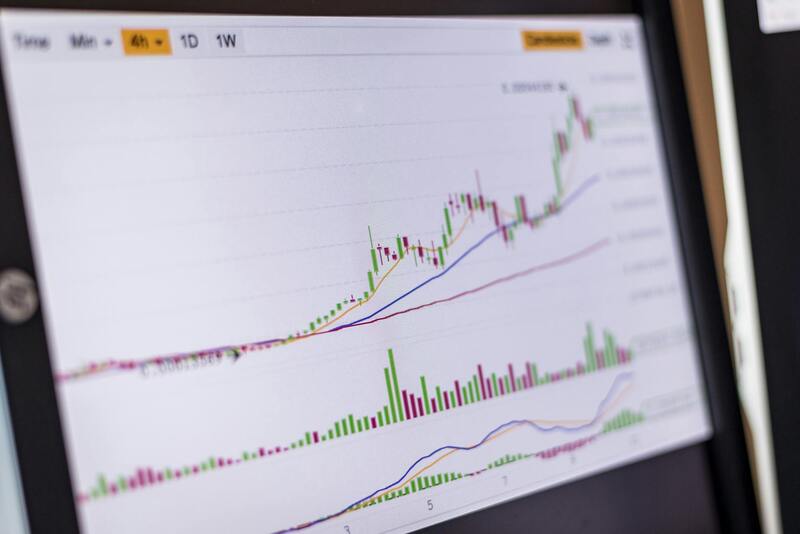
Within the US, prop trading firms play a pivotal role in enhancing market liquidity, discovering price discrepancies, and contributing to overall market efficiency. Their operations are integral to various segments, including equities, options, futures, foreign exchange, and commodities. These firms often employ proprietary algorithms, employ high-frequency trading techniques, and develop sophisticated risk management models to optimize gains while controlling exposure. The success of a prop firm hinges on its ability to attract talented traders, maintain technological edge, and adapt swiftly to market changes, all within a framework that emphasizes disciplined trading and clear operational policies.
By providing a platform for both seasoned and emerging traders, US prop firms foster an environment of continuous innovation and competitive practice. They act as incubators for trading talent, nurturing skills that can translate into substantial gains, which benefit both the firm and the broader financial markets. The collaborative nature of prop trading also enables the dissemination of best practices and research-driven insights, reinforcing their crucial function in contemporary trading ecosystems.
Legal and Regulatory Environment for Prop Firms in the US
Operating within the US financial landscape requires prop trading firms to adhere to a comprehensive set of regulations designed to promote transparency, fairness, and financial stability. These establishments often work closely with regulatory bodies such as the Securities and Exchange Commission (SEC), the Commodity Futures Trading Commission (CFTC), and the Financial Industry Regulatory Authority (FINRA). Compliance with these agencies involves rigorous registration procedures, ongoing reporting, and adherence to specific operational standards that address areas like risk management, client funds handling, and market conduct.
Fundamentally, prop firms are bound by the provisions outlined in the Commodity Exchange Act (CEA) and the Securities Exchange Act. These laws establish the foundational legal framework to regulate speculative trading, prevent market manipulation, and enforce fair trading practices. To meet these obligations, firms typically establish dedicated compliance departments staffed with legal experts and compliance officers tasked with overseeing adherence to applicable laws, conducting internal audits, and implementing policies to mitigate operational risks.
In addition to legal mandates, many firms voluntarily participate in industry accreditation programs and join trade associations that promote responsible trading standards and self-regulation. This proactive approach not only enhances a firm’s reputation but also demonstrates its commitment to maintaining high ethical standards, which is increasingly vital in building trust with clients, partners, and regulators.
Other essential regulatory considerations include:
- Proper registration with relevant authorities like the SEC, CFTC, or FINRA
- Implementing anti-money laundering (AML) policies and procedures
- Establishing comprehensive risk management controls and limits
- Maintaining transparent reporting and audit trails
- Training staff regularly on legal requirements and ethical trading practices
Consequently, compliance is an ongoing process requiring the integration of advanced technology solutions, skilled legal personnel, and a proactive regulatory strategy. Firms that prioritize regulatory adherence contribute to a more stable trading environment and underscore their commitment to responsible market participation.
Funding Models and Trader Compensation
Prop trading firms in the US typically adopt diverse funding approaches to support their traders, emphasizing a blend of capital provision and risk-sharing mechanisms. These models are designed to empower traders to execute sizable positions without requiring them to personally invest large sums of money, thereby fostering an environment conducive to sophisticated trading activities.
One prevalent funding structure involves the firm providing an allocated trading account with a predefined capital base. Traders are granted access to this fund, enabling them to leverage the firm's resources while operating within set risk parameters. This approach ensures that traders can deploy strategic positions with adequate liquidity, promoting disciplined trading that aligns with the firm's risk management standards.
Risk-sharing arrangements are also common, where traders and firms share in the profits and losses generated through trading activities. Under these agreements, traders might receive a variable compensation based on a predetermined profit split proportion. This model incentivizes traders to maximize their performance while maintaining responsible trading behaviors aligned with the firm's risk appetite.

Regarding compensation, firms employ various schemes to reward traders. The most frequent include profit splits, where traders receive a percentage of the profits they generate, often ranging from 50% to 80%. This method motivates traders to perform at their best, as their earnings directly correlate with their trading results.
Additionally, some firms offer fixed salaries combined with performance bonuses, especially for traders who meet certain benchmarks or exhibit consistent profitability. Such compensation strategies provide a stable income base, allowing traders to focus on refining their strategies without the immediate pressure of profit targets.
Regardless of the model, transparency and clarity in the agreement terms are crucial. Many firms implement tiered structures where traders can earn higher profit shares as they demonstrate skill and consistency. Conversely, some models incorporate risk-adjusted payout schemes that incentivize prudent trading practices, ultimately fostering a responsible trading culture and long-term stability for the firm.
Trader Qualification and Evaluation Processes
To integrate into a US prop trading firm, candidates are subject to rigorous qualification and evaluation processes. These procedures aim to assess a trader's skills, risk management capabilities, and compatibility with the firm’s trading philosophy.
Initial assessments may include trading simulations or demo challenges, which evaluate a candidate’s ability to generate profits within prescribed risk parameters. Performance metrics such as accuracy, consistency, and discipline are scrutinized during these trials.
Successful candidates typically undergo a probation or evaluation period, during which their trading is closely monitored on live accounts with smaller capital. This stage enables firms to verify trading habits, risk controls, and emotional resilience under real market conditions.
Throughout the evaluation phase, traders are usually required to adhere to strict guidelines and reporting standards. Consistent adherence to risk management protocols and trading discipline are paramount to progressing to a full trading role.
Trading Strategies and Technologies Used by US Prop Firms
US prop traders employ a broad spectrum of trading strategies, often tailored to specific asset classes such as equities, futures, Forex, and options. Quantitative algorithms, technical analysis, and arbitrage methods are frequently integrated into their approaches to maximize profitability and manage risks effectively.
Advanced trading technologies are fundamental in this ecosystem. Electronic trading platforms equipped with real-time data analysis, algorithmic execution, and risk monitoring tools enable traders to act swiftly and accurately. Many prop firms develop proprietary software to gain a competitive edge, emphasizing speed, precision, and comprehensive analytics capabilities.
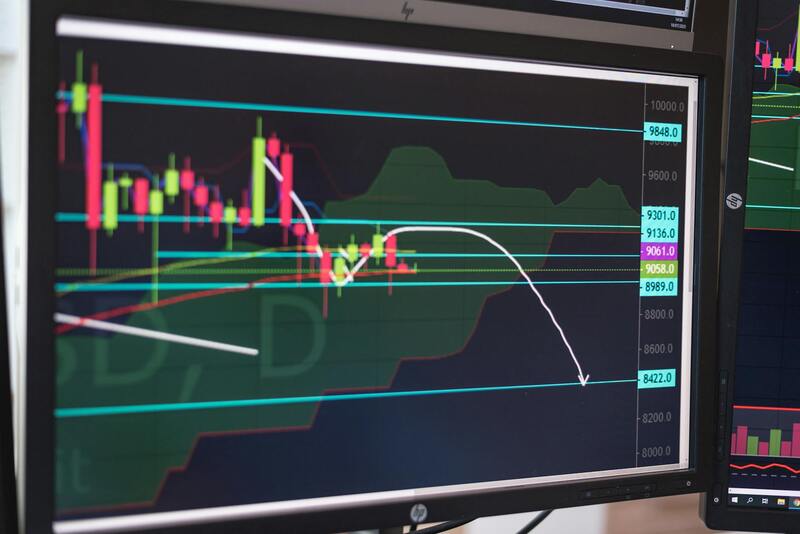
Machine learning and artificial intelligence are increasingly incorporated into trading systems to identify emerging patterns and optimize decision-making processes. These technological innovations support traders in navigating volatile markets and adapting strategies swiftly.
Risks, Challenges, and Industry Trends
The prop trading landscape in the US is marked by several inherent risks, including market volatility, leverage-related losses, and operational errors. Firms must continually evolve their risk management frameworks to mitigate these dangers effectively.
One ongoing challenge involves balancing aggressive trading strategies aimed at high returns with prudent risk controls. As trading algorithms become more sophisticated, the industry also faces hurdles related to regulatory compliance, technological security, and maintaining ethical standards.
Emerging trends suggest increased automation, the adoption of cloud-based trading infrastructures, and enhanced data analytics. These developments aim to boost trading efficiency, improve risk assessment accuracy, and support traders in making timely decisions.
How to Choose a Prop Firm in the US
Selecting an appropriate prop trading partner requires meticulous evaluation of several criteria. Key considerations include the firm's reputation, the structure of funding and costs, trader support systems, and technological infrastructure.
Prospective traders should prioritize firms that offer transparent terms, comprehensive training programs, and clear pathways for career progression. The firm's risk management policies and compliance standards are also critical factors, ensuring that trading activities remain sustainable and aligned with industry best practices.
Due diligence involves researching the firm’s history, speaking with current traders, and reviewing any available performance data. A well-chosen prop firm not only provides financial backing but also fosters an environment conducive to skill development, disciplined trading, and long-term success.
Trader Qualification and Evaluation Processes
Entering the realm of prop trading within the United States necessitates a comprehensive assessment process designed to identify skilled and disciplined traders capable of managing significant financial risk. These evaluation procedures serve as a critical filter, ensuring that only qualified individuals are granted access to proprietary capital. Typically, prospective traders must demonstrate their proficiency through a combination of testing, simulated trading, and live trading assessments that evaluate risk management, strategic decision-making, and consistency under pressure.
Initial qualification usually involves passing a quantitative or trading aptitude test that assesses analytical abilities, understanding of markets, and familiarity with trading platforms. Following successful completion, candidates often undertake a demo trading phase, where they execute simulated trades based on real-time market data, adhering to strict risk parameters established by the firm. Success during this phase indicates a trader’s capacity to handle volatility and execute strategies effectively without excessive risk exposure.
Once a trader progresses to the live trading stage, they are typically monitored over an extended period to evaluate their adherence to the firm’s risk management protocols, decision-making consistency, and overall profitability. During this period, traders are usually provided with structured feedback and mentorship, refining their skills further. This layered assessment approach ensures that traders possess not only technical competence but also the discipline and mental resilience necessary for sustainable success in proprietary trading environments.

Throughout the evaluation process, transparency is paramount. Reputable firms clearly communicate performance metrics, risk limits, and training support available. This clarity helps aspiring traders understand the expectations and prepare adequately for each phase. In many cases, firms might also require background checks or financial disclosures to confirm the trader’s honesty and reliability, further safeguarding the firm’s capital investment and maintaining industry standards.
Engaging in continuous learning and development opportunities provided by the firm can significantly impact a trader's evaluation outcomes. Successful applicants demonstrate growth mindset and adaptability, traits highly valued in fast-changing market environments. The rigorous qualification process ultimately aims to align trader capabilities with the firm’s risk appetite and operational standards, creating a mutually beneficial framework for long-term profitability.
Trading Strategies and Technologies Used by US Prop Firms
Proprietary trading firms in the US rely heavily on advanced trading strategies and cutting-edge technological tools to maintain competitive advantages in the dynamic financial markets. These firms employ a variety of methodologies tailored to their specific risk profiles, asset classes, and market conditions, ensuring that their traders are equipped with the best resources to achieve consistent profitability.
Common Trading Strategies Implemented by US Prop Firms
- Algorithmic and Quantitative Trading: Many firms utilize sophisticated algorithms and mathematical models to identify trading opportunities and execute trades at high speeds. These strategies often analyze large datasets to uncover patterns that are imperceptible to human traders.
- High-Frequency Trading (HFT): Exploiting minimal price discrepancies across different markets, HFT involves executing a large number of trades within fractions of a second. Firms using HFT invest heavily in infrastructure to minimize latency and capitalize on fleeting market inefficiencies.
- Discretionary Trading: Some prop firms emphasize human decision-making based on technical analysis, market sentiment, and macroeconomic factors. Traders leverage a combination of experience and real-time data to make informed trading calls.
- Spread and Arbitrage Strategies: These involve exploiting price differences of the same or related assets across different markets or instruments, seeking to generate profit with minimal risk.
- Event-Driven Trading: Trading based on anticipated market reactions to news releases, earnings reports, geopolitical events, or economic data releases. This strategy demands rapid analysis and execution to capitalize on short-term volatility.
Technological Tools and Infrastructure

Firms equip their trading desks with state-of-the-art hardware and software to ensure superior execution speeds and reliable data feeds. Real-time market data platforms, advanced charting tools, and automated trading algorithms form the backbone of daily operations. Additionally, firms invest in co-location services—hosting servers physically close to exchanges—to minimize latency and enhance trading responsiveness.
Many firms also utilize proprietary platforms customized to meet their specific trading needs, integrating risk management modules and compliance monitoring tools. The continuous evolution of trading technologies allows prop firms to adapt swiftly to market changes, maintain operational efficiency, and sustain a competitive edge.
Furthermore, data analytics and artificial intelligence are increasingly incorporated to improve decision-making processes. Machine learning algorithms analyze historical data to refine trading models and predict future market behaviors, enhancing the accuracy and effectiveness of trading strategies employed by the firm.

Funding Models and Trader Compensation in US Prop Firms
Prop trading firms in the US utilize a variety of funding models to support their traders, each designed to align incentives and manage risk effectively. The most common approach involves the firm providing trading capital to traders, enabling them to execute large-volume trades without risking their personal funds. This setup allows traders to amplify their potential profits through the firm's resources while adhering to predefined risk parameters established by the firm.
Additionally, some prop firms operate on a salary basis, where traders receive a fixed income supplemented by performance bonuses. Such models often include performance-based tiers that reward traders who exceed profit targets, fostering a competitive environment that encourages top-tier performance. These firms usually implement profit-sharing arrangements, where traders gain a percentage of the profits they generate, thus incentivizing consistent, high-quality trading decisions.
Trader compensation is typically structured to balance risk and reward. Common schemes include:
- Profit Split: Traders receive a percentage of the net gains they produce, often ranging from 50% to 80%, depending on the firm. This model aligns trader success directly with firm profitability.
- Performance Bonuses: Monetary incentives are awarded for achieving specific milestones, such as hitting monthly profit targets or managing risk effectively.
- Base Salary with Performance Incentives: A fixed salary provides income stability, while bonuses and profit shares motivate high performance and disciplined trading.

Trader Qualification and Evaluation Processes
Before joining a US proprietary trading firm, candidates must undergo rigorous qualification and evaluation procedures designed to assess their trading skills, risk management abilities, and market understanding. The process ensures that only adept traders operate with the firm’s capital, preserving the firm's risk management standards.
Typically, potential traders go through an initial application phase, where they submit their trading history, strategies, and relevant experience. This is followed by a simulation or trading performance test, often conducted on a demo or live account with simulated funds. During this phase, firms evaluate the trader’s profitability, consistency, adherence to risk limits, and ability to operate under market stress.
The evaluation period can last anywhere from a few weeks to several months, depending on the firm's procedures. Traders are expected to demonstrate disciplined risk management, profit generation, and resilience, especially during volatile market conditions. Successful applicants often receive a funded trading account, while those who do not meet the criteria may be offered additional training or mentoring programs to enhance their skills.

Trading Strategies and Technologies Used by US Prop Firms
US prop firms emphasize sophisticated trading strategies and high-tech infrastructure to stay competitive. Quantitative, algorithmic, and high-frequency trading are prevalent, with firms leveraging advanced computational models to analyze markets and execute trades at lightning-fast speeds. These strategies rely heavily on data analytics, machine learning, and artificial intelligence to identify patterns and forecast market movements with precision.
Proprietary trading platforms are integral to these operations, often custom-built to optimize trader workflows, incorporate risk controls, and facilitate rapid execution. Hardware and software investments include cutting-edge servers, low-latency networks, and co-location facilities to minimize delay and maximize response times.
Real-time market data feeds, sophisticated order management systems, and automation tools enable traders to act swiftly on market signals, while extensive back-testing ensures strategies are refined and validated prior to live deployment. These technological enhancements enable prop firms to adapt to market shifts quickly, execute complex trading algorithms, and maintain operational resilience amid turbulent market environments.

Overall, the integration of innovative strategies and robust technological tools forms the backbone of US prop trading operations, allowing firms to harness market opportunities efficiently and maintain a competitive edge in an evolving landscape.
Risks, Challenges, and Industry Trends in US Proprietary Trading
Proprietary trading firms in the US operate within a complex and highly competitive landscape, constantly adapting to technological advancements, regulatory shifts, and market dynamics. These firms face a spectrum of risks that require meticulous management to ensure sustained profitability and operational resilience.
One of the primary concerns for US prop firms is market volatility, which can lead to unpredictable trading outcomes. With leverage and high-frequency trading strategies being prevalent, even minor market disruptions can result in significant financial losses. To mitigate such risks, firms invest heavily in risk management systems, real-time analytics, and automated controls that monitor trading activity continuously.
Operational risk is also salient, encompassing system failures, cybersecurity threats, and human error. Maintaining robust cybersecurity protocols, deploying redundant systems, and conducting regular staff training are vital components of a comprehensive risk mitigation approach. Given the reliance on advanced technology, firms also prioritize hardware and software resilience, ensuring minimal downtime and rapid recovery capabilities.
Another significant challenge lies in the talent acquisition and retention within the US prop trading sector. As trading strategies become more complex and technology-driven, firms seek skilled quantitative analysts, software developers, and experienced traders adept at leveraging cutting-edge tools. Competitive compensation packages, professional development programs, and attractive growth prospects are essential to building top-tier teams.
Regulatory developments also influence industry trends, with US authorities implementing frameworks aimed at enhancing transparency and stability. While official regulations tend to focus on market integrity and client protection, incurred compliance costs can influence operational practices and technological investments. Prop firms often work alongside compliance teams to adapt their trading protocols accordingly, ensuring smooth operations within the evolving landscape.
The industry is witnessing trends toward increased automation and data analytics. Many firms are investing in artificial intelligence and machine learning algorithms to refine trading models, enhance decision-making speed, and identify emerging market opportunities. Additionally, the adoption of cloud computing and co-location services enables firms to reduce latency, access diverse market data sources, and scale their operations efficiently.
Despite these technological advancements, the industry continues to emphasize the importance of ethical trading practices and responsible risk-taking. Firms are establishing internal guidelines and oversight mechanisms to prevent reckless trading behaviors and ensure adherence to best practices.
In the realm of emerging trends, the rise of sustainable investing and ESG (Environmental, Social, and Governance) factors is influencing proprietary trading strategies. Firms increasingly incorporate ESG metrics into their models, aligning their operations with broader societal values while seeking profitable opportunities in evolving markets.
Future Outlook for US Proprietary Trading Firms
The landscape of US prop trading is poised for continued evolution driven by technological innovation, market complexity, and regulatory developments. As firms harness artificial intelligence, big data analytics, and low-latency infrastructure, their ability to adapt swiftly to market shifts and capitalize on new opportunities will determine their long-term success. Moreover, the emphasis on ethical practices and sustainable investments will shape industry standards and corporate responsibility, fostering a dynamic yet disciplined trading environment.
