
Overview of Proprietary Trading in the Cryptocurrency Market
Proprietary trading, often referred to as prop trading, has become a significant aspect of the cryptocurrency industry. It involves financial firms or individual traders using their own capital to make trades, aiming for profit rather than client commissions. Within the crypto space, proprietary trading is distinguished by its focus on digital assets such as Bitcoin, Ethereum, and a wide array of altcoins, utilizing specialized strategies to capitalize on market movements. This approach allows firms to leverage their expertise without relying on external clients, thereby maintaining full control over their trading decisions and profit generation.
Unlike conventional investment models that involve managing client assets or funds, crypto proprietary trading centers on the trader’s ability to identify valuable trading opportunities based on market analysis, technical signals, and proprietary algorithms. These activities are confined within the firm’s own financial resources, which necessitates a high level of skill, discipline, and trading acumen. As such, prop trading in crypto spaces often attracts experienced traders who seek to maximize returns through strategic leverage and sophisticated trading techniques.

One of the defining features of crypto proprietary trading is its flexibility in strategy deployment. Traders can engage in various forms of trading, including day trading, scalping, arbitrage, and longer-term position holding. Additionally, many firms deploy automated trading systems, leveraging high-frequency algorithms designed to execute trades at optimal times based on market data analysis. This versatility enables firms to adapt swiftly to volatile market conditions, which are characteristic of the cryptocurrency landscape, and seek to generate consistent profits.
Fundamentally, crypto proprietary trading differs from traditional financial markets by its high level of technological integration, rapid transacting capabilities, and an emphasis on digital asset management. It provides an environment where traders can focus solely on trading performance, free from the client-oriented constraints typical of other models. This operational independence often leads to innovative trading approaches and the development of proprietary strategies that aim to exploit inefficiencies in the crypto markets, making it a central element of the overall crypto trading ecosystem.
How Crypto Proprietary Trading Works
Crypto proprietary trading operates through a structured model where trading firms allocate capital specifically for executing trades on their own behalf. These firms typically provide traders with access to capital, advanced trading platforms, and sophisticated tools, fostering an environment focused solely on optimizing trading performance. The process begins with traders receiving an account that is funded either directly by the firm or through a profit-sharing arrangement. This funding model allows traders to leverage larger positions than their personal capital would permit, amplifying potential gains while also increasing exposure to risk.

Strategies employed in crypto prop trading are diverse, often incorporating capitalizing on market volatility, taking advantage of arbitrage opportunities across exchanges, and executing rapid trades that exploit small price movements. Quantitative models and algorithmic trading play a pivotal role, with traders or automated systems analyzing real-time data streams to trigger buy or sell signals. These algorithms are typically customized to align with the firm's trading philosophy and risk management protocols.
The daily operations of a crypto prop trading firm revolve around the continuous analysis of market conditions, execution of trades through high-speed platforms, and the rigorous management of risk exposure. Since crypto markets operate 24/7, firms often employ around-the-clock monitoring teams and automated systems to maintain a competitive edge. Performance metrics are closely tracked, with traders being held accountable not only for profitability but also for adherence to risk controls and operational procedures.
Furthermore, proprietary trading firms foster an environment of innovation by encouraging the development of proprietary trading algorithms and strategies. This culture of continual optimization ensures they stay agile in the rapidly changing crypto landscape, allowing for swift adaptation to new market conditions and regulatory developments.
Types of Strategies Used in Crypto Proprietary Trading
Crypto proprietary trading firms rely on a variety of sophisticated strategies designed to maximize returns while effectively managing risk. Each approach is tailored to exploit specific characteristics of the cryptocurrency market, which is known for its volatility, liquidity, and fragmentation across numerous exchanges. Understanding these strategies provides insight into how professional traders generate consistent performance in this dynamic environment.
Arbitrage Trading
Arbitrage involves exploiting price discrepancies of the same asset across different exchanges or trading pairs. Given the fragmented nature of crypto markets, arbitrage opportunities can appear temporarily when prices diverge due to differences in liquidity or regional market activities. Prop traders implement automated systems that continuously monitor multiple platforms, executing rapid trades to buy low on one exchange and sell high on another. This strategy requires advanced technology and infrastructure to minimize execution delays, ensuring profits are captured before the arbitrage window closes.
Scalping
Scalping is a high-frequency trading technique focused on capturing small price movements within very short durations, often seconds to minutes. Traders employ precise entry and exit points, utilizing technical indicators and real-time data analysis to identify transient opportunities. Scalping demands robust trading infrastructure with low latency and high execution speed, enabling traders to capitalize on fleeting market anomalies. Due to the frequency of trades, it’s essential for firms to implement strict risk controls to prevent rapid capital erosion.
Algorithmic and Quantitative Trading
Algorithmic trading encompasses the use of computer algorithms designed to execute trades based on pre-programmed criteria. These algorithms analyze live data streams—price, volume, order book imbalances—and trigger buy or sell signals when specific conditions are met. Quantitative traders develop and refine models that incorporate statistical, mathematical, and machine learning techniques to identify patterns and forecast market movements. Automated systems can operate continuously, allowing for scalable and consistent trading performance that adapts swiftly to changing market conditions.
Trend Following and Breakout Strategies
Trend following strategies identify the continuation of prevailing market directions, capitalizing on sustained price movements. Traders use technical analysis tools such as moving averages, trendlines, and momentum indicators to confirm trends and hold positions until signals indicate a reversal. Breakout strategies focus on identifying price levels where the market transitions from consolidation to a new trend, often triggered by significant volume surges or news events. Premised on the assumption that new trends tend to persist, these approaches require disciplined risk management to avoid false signals.
Market Making
Market making involves posting both buy and sell limit orders to provide liquidity to the market. Prop traders engaged in market making profit from the bid-ask spread, while simultaneously supporting market stability. This strategy necessitates sophisticated algorithms capable of adjusting order placements dynamically based on market conditions, ensuring that the firm maintains favorable spreads and manages exposure to adverse price movements.
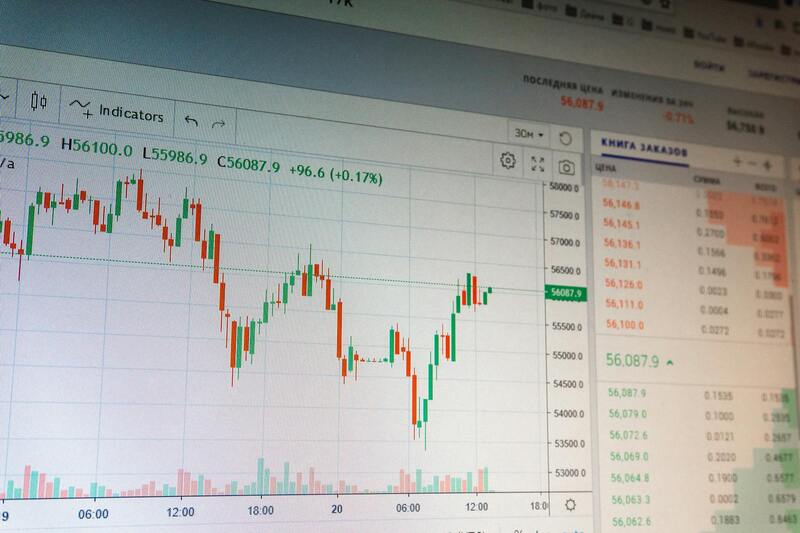
Effective implementation of these strategies depends on the integration of advanced technological infrastructure, comprehensive risk controls, and continuous performance analysis. Proprietary trading firms often combine multiple strategies, adjusting their mix according to market volatility, asset liquidity, and prevailing economic factors. This multi-faceted approach enables them to optimize returns while maintaining resilient risk mitigation frameworks, essential for navigating the highly volatile and fast-paced crypto environment.
Key Features of Crypto Prop Trading Firms
Crypto proprietary trading firms distinguish themselves through a combination of strategic, operational, and technological attributes that enable them to thrive in the highly volatile digital asset environment. These characteristics are tailored to maximize profitability while maintaining rigorous risk management protocols. Operating with substantial capital reserves, these firms allocate significant resources to sophisticated trading infrastructure, automated algorithms, and data analytics tools, ensuring they stay ahead of market trends and fluctuations.
Fundamental to their structure is a robust risk management framework. Proprietary trading firms employ detailed risk assessment models, including real-time monitoring systems and stop-loss mechanisms, to minimize potential losses during adverse market movements. This approach allows them to sustain their trading activities across diverse crypto assets, including Bitcoin, Ethereum, and emerging altcoins, regardless of market volatility.
Another critical feature is the talent pool that these firms cultivate. They often recruit skilled quantitative analysts, algorithm developers, and experienced traders who possess deep insights into blockchain technology, market dynamics, and trading psychology. This expertise fosters the development of innovative trading algorithms and strategies tailored to prevalent market conditions.
Operational efficiency is bolstered by advanced technological infrastructure. Many firms leverage high-frequency trading algorithms and machine learning tools to execute trades at milliseconds. These tools enable rapid decision-making and order execution, essential for capitalizing on brief market opportunities. Additionally, firms invest in secure, high-speed data feeds and connectivity to global exchanges, ensuring they receive real-time price and volume information vital for making informed trading choices.
Furthermore, compliance and transparency standards are integral to the operation of reputable crypto prop firms. Although proprietary trading focuses on generating profit, firms maintain adherence to regulatory frameworks, implementing strict internal controls and audit procedures. This ensures their operations are aligned with evolving industry standards and promotes trust among stakeholders.

Through these combined elements—capital strength, technological innovation, skilled personnel, and sound risk management—crypto prop trading firms position themselves to navigate the unpredictable landscape of digital asset trading effectively. Their ability to adapt dynamically to market shifts and harness sophisticated tools provides a competitive edge that fuels sustained growth and profitability in the crypto trading ecosystem.
Risks, Regulations, and Compliance in Crypto Prop Trading
Engaging in crypto proprietary trading involves navigating a landscape fraught with various risks that require diligent management. Market volatility remains a primary concern, with digital assets experiencing rapid price swings that can lead to sudden losses if not managed carefully. Proprietary trading desks often employ sophisticated risk management frameworks, including real-time monitoring systems, stop-loss orders, and position limits to mitigate these risks effectively.
While the process of crypto prop trading often takes place within established regulatory frameworks, compliance remains a crucial focus for reputable firms. Adherence to financial regulations ensures transparency and fosters trust among clients and stakeholders. Firms implement comprehensive internal controls, routine audits, and strict data security protocols to uphold compliance standards. These measures help prevent unlawful activities such as money laundering and ensure that all trading operations are conducted ethically and responsibly.
Another significant aspect of risk management in crypto prop trading lies in technological safeguards. Firms deploy advanced cybersecurity measures to protect sensitive trading data and client information against malicious attacks. They also continuously update their systems to counter emerging cybersecurity threats, maintaining operational integrity and safeguarding capital investments.

Furthermore, the constantly evolving regulatory environment necessitates that proprietary trading firms stay updated with new policies and legal requirements across different jurisdictions. This proactive approach ensures that trading practices align with current standards and avoids potential penalties or operational disruptions. As the crypto sector matures, dedicated compliance teams conduct ongoing reviews of trading activities and internal policies, ensuring that the firm remains adaptable and compliant with emerging rules.
Effective risk, regulation, and compliance strategies define the resilience and sustainability of crypto proprietary trading operations. Maintaining a balance between aggressive trading and diligent oversight enables firms to capitalize on market opportunities while safeguarding their assets and reputation.
Tools and Technology in Crypto Proprietary Trading
Effective crypto proprietary trading relies heavily on advanced tools and technology that enable traders to execute precise strategies, analyze vast amounts of data, and respond swiftly to market fluctuations. Firms leverage a combination of proprietary and commercial trading platforms equipped with real-time market feeds, algorithmic trading capabilities, and risk management features. These platforms facilitate rapid order execution, reduce latency, and improve overall trading efficiency. Many firms also customize their trading interfaces to integrate multiple data sources and analytical tools, providing a comprehensive view of market conditions at a glance.
Data analysis tools form a core component of the technology stack in crypto prop trading. Traders utilize sophisticated charting software, technical indicator suites, and machine learning algorithms to identify potential entry and exit points. Predictive analytics assist in assessing market sentiment and volatility, crucial for navigating cryptocurrencies' inherently unpredictable price movements. Access to historical data and market depth analysis supports strategic decision-making, allowing traders to adapt quickly to market dynamics.
Security infrastructure plays a pivotal role in maintaining integrity and trust within crypto proprietary trading. Firms deploy multilayered cybersecurity measures, including encryption protocols, firewalls, and intrusion detection systems, to protect sensitive trading data and client assets. Sophisticated authentication methods, such as biometric verification and two-factor authentication, are standard to prevent unauthorized access. Continuous system monitoring and regular security audits ensure that vulnerabilities are promptly addressed, safeguarding against hacking attempts and data breaches.

Automated trading systems and algorithmic bots are widely adopted by crypto prop traders to execute high-frequency trades with precision. These automated systems analyze market data, identify trading opportunities, and execute orders faster than manual trading, taking advantage of small price discrepancies and trend reversals. Machine learning models continuously learn from market patterns, refining their predictions and execution strategies over time, which enhances the firm's overall trading effectiveness.
Furthermore, firms invest significantly in infrastructure to minimize latency, including colocated servers near major cryptocurrency exchanges. Reducing transmission delays enables traders to act swiftly on market signals, which is critical in a fast-paced environment where milliseconds can determine profit or loss. The combination of hardware and software innovation creates a highly responsive trading ecosystem capable of capitalizing on fleeting opportunities while maintaining rigorous risk controls.
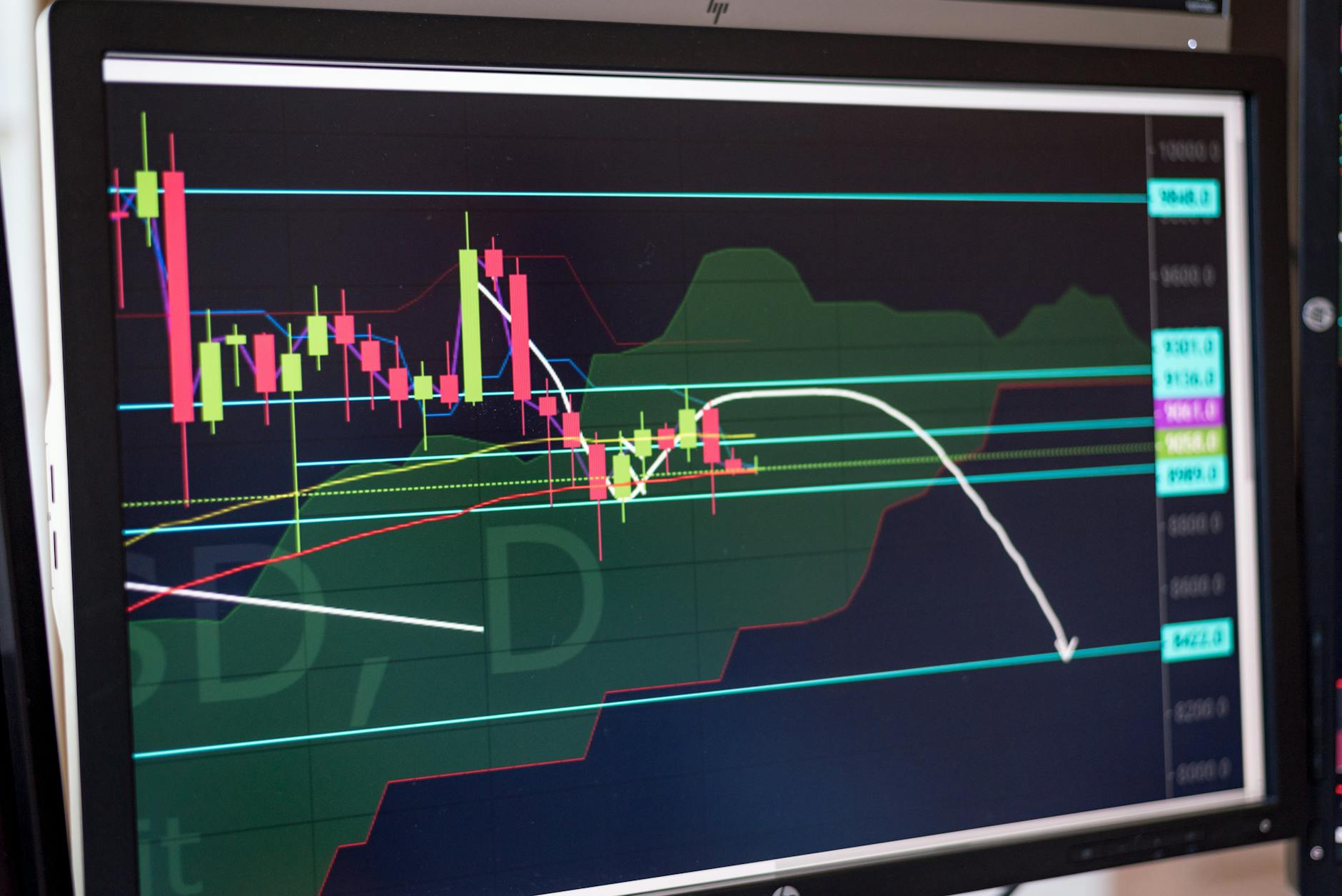
Opportunities and Future Trends in Crypto Proprietary Trading
As the cryptocurrency market continues to evolve, proprietary trading firms are poised to explore new avenues and adopt emerging technologies. Artificial intelligence and machine learning are expected to further enhance predictive accuracy and automate complex decision-making processes, allowing traders to manage portfolios dynamically in response to market trends. Blockchain innovations could also streamline transaction verification, improve transparency, and reduce operational costs.
The expansion of decentralized finance (DeFi) platforms presents additional opportunities for proprietary traders to participate in liquidity provision, yield farming, and arbitrage strategies beyond traditional exchanges. These developments promise to diversify trading approaches and open new profit channels, especially in highly volatile environments.
Trend analysis indicates increasing integration of quantum computing, which could revolutionize data processing speeds and cryptographic security frameworks. While still in nascent stages, these advances could significantly reshape the landscape of crypto proprietary trading by enabling faster, more secure transactions and sophisticated analytics.
Tools and Technology in Crypto Proprietary Trading
Successful crypto proprietary trading relies heavily on the integration of advanced tools and cutting-edge technology. Traders and firms leverage sophisticated software and hardware solutions to execute trades efficiently, analyze market data, and mitigate risks.
One fundamental component is high-frequency trading (HFT) platforms that allow traders to capitalize on minute price fluctuations within milliseconds. These platforms are optimized for speed and precision, often utilizing custom algorithms and direct market access (DMA) to exchanges. This direct connection minimizes latency and provides traders with real-time market insights crucial for decision-making.
Moreover, advanced analytical tools are employed to interpret vast datasets, including historical price movements, order book depth, and market sentiment indicators. These tools often incorporate machine learning algorithms that continuously refine their predictive capabilities based on incoming data streams, leading to more accurate forecasts of short-term price directions.

Security is paramount in crypto trading, prompting the deployment of robust cybersecurity frameworks. These include multi-factor authentication (MFA), end-to-end encryption, and cold storage solutions for digital assets. These measures help protect sensitive trading data and prevent unauthorized access to trading accounts.
Furthermore, blockchain analytics platforms are increasingly used to track digital asset flows, identify irregular activities, and ensure compliance with established trading standards. They provide traders with transparency and auditability, which are essential in maintaining trust and operational integrity.
Cloud Computing and Data Storage
Leveraging cloud technology allows crypto trading firms to scale their infrastructure dynamically, accommodating peak trading volumes without compromising performance. Cloud-based data storage solutions facilitate access to vast repositories of historical market data, enabling traders to backtest strategies extensively and optimize their algorithms.
Automation tools are also integral, with robots and trading bots capable of executing complex strategies autonomously. These systems can monitor market conditions 24/7, adjust trading parameters in real-time, and execute trades faster than manual methods, ensuring the firm remains competitive in highly volatile environments.
AI and Machine Learning Integration
Artificial intelligence (AI) and machine learning (ML) are transforming crypto proprietary trading by providing actionable insights derived from unstructured data sources such as social media feeds, news outlets, and blockchain transactions. These technologies help traders anticipate market movements with greater accuracy, refine risk management strategies, and explore new trading opportunities that may not be apparent through purely technical analysis.
In the near future, more firms are expected to adopt AI-driven systems for adaptive learning, allowing continuous strategy improvement based on real-time market feedback. This integration enhances decision-making processes, leading to more adaptive and resilient trading operations.
Data Visualization and Interfaces
Effective data visualization tools are critical for timely decision-making. Modern trading interfaces incorporate customizable dashboards that display multiple data streams graphically, enabling traders to interpret complex information swiftly. These systems support multi-asset views, alert generation, and scenario analysis, which are essential for maintaining an edge in fast-moving markets.
Overall, the combination of high-speed connectivity, robust cybersecurity, advanced analytical tools, and automation underscores the technological backbone of successful crypto proprietary trading operations. As the landscape continues to evolve, staying at the forefront of technological innovation remains key to operational excellence and sustained profitability in cryptocurrency markets.
Key Considerations When Engaging in Crypto Proprietary Trading
Participation in crypto proprietary trading requires a comprehensive understanding of the operational, technological, and strategic aspects that define successful trading in the digital asset realm. Selecting a reputable trading firm often involves evaluating the firm's track record, risk management protocols, and technological infrastructure. For those considering establishing their own trading operation, it is crucial to develop a robust business plan that encompasses capital allocation, risk mitigation strategies, compliance frameworks, and technological capabilities.

Due Diligence and Firm Selection
Investors and traders should assess the transparency of a trading firm’s operations, including its trading strategies, profit-sharing models, and compliance standards. Due diligence extends to understanding the firm's technological infrastructure, such as data security measures and trading platforms. The integration of sophisticated analytical software and blockchain technology enhances operational efficiency and provides real-time insights essential for making informed decisions.
Setting Up a Proprietary Trading Business
Starting a proprietary trading firm within the cryptocurrency market necessitates adherence to strict operational protocols. This involves establishing clear trading policies, implementing secure IT systems, and assembling a team of skilled traders, technologists, and compliance officers. Financially, it requires sufficient capital to support initial trading activities and risk buffers. Developing proprietary trading algorithms that leverage machine learning and AI can provide a competitive edge in analyzing market trends, executing trades with precision, and managing risk dynamically.
Structuring Trading Strategies for Profitability
Effective crypto prop trading strategies often combine quantitative analysis, sentiment evaluation, and technical indicators. Many successful firms deploy algorithms that analyze social media sentiment and news flows alongside market data to identify potential volatility spikes or breakout opportunities. Risk-adjusted return optimization remains a core focus, with strategies tailored to exploit arbitrage opportunities, high-frequency trades, or long-term position building depending on the firm’s risk appetite and market outlook.
Maintaining Compliance and Ethical Standards
Ensuring adherence to industry best practices and compliance standards is vital for sustainable operations. Many firms adopt rigorous internal controls, regular audits, and transparent reporting processes. Such measures help in maintaining integrity, preventing fraudulent activities, and fostering trust among partners and clients. Additionally, continuous staff training on evolving technological tools and regulatory frameworks is essential for staying compliant and competitive.
Key Technologies Enhancing Crypto Prop Trading
Technological innovation plays a pivotal role in differentiating successful crypto proprietary trading ventures. Firms leverage a variety of tools, including advanced trading algorithms, predictive analytics, and blockchain analytics platforms. High-frequency trading (HFT) systems that can execute thousands of orders per second provide an edge in capturing fleeting arbitrage opportunities. Cryptocurrency-specific analytics platforms offer insights into wallet movements and blockchain transactions, enabling traders to anticipate significant market shifts. Secure infrastructure for order execution and data management ensures integrity and operational resilience.

Strategies for Sustainable Growth in Crypto Proprietary Trading
Achieving long-term success in crypto proprietary trading involves continuous adaptation to emerging market dynamics. Firms must incorporate robust testing of strategies in simulated environments before deployment, ensuring resilience against market shocks. Data-driven decision-making, bolstered by AI and machine learning, facilitates quick adjustments to trading approaches based on real-time feedback. Maintaining a diversified strategy portfolio minimizes risks and maximizes potential returns across different crypto assets and market conditions.
Security and Data Privacy in Crypto Trading
Given the digital nature of crypto assets, safeguarding sensitive data and trading operations against cyber threats is paramount. Implementing multi-layered cybersecurity protocols, end-to-end encryption, and regular security audits helps protect proprietary algorithms, client assets, and market data. Advanced authentication methods, such as biometric verification and hardware security modules, are integral to secure access controls. These measures also reinforce trustworthiness and confidence among clients and partners.
Engaging in crypto proprietary trading at a professional level demands a strategic approach rooted in technological innovation, disciplined risk management, and adherence to operational standards. It offers significant opportunities for profit generation when executed with precision, resilience, and integrity.
