Understanding Forex Prop Trading Firms
Proprietary trading firms, commonly known as prop trading firms, play a vital role in the global forex market ecosystem. These organizations primarily engage in trading financial instruments, including currencies, using their own capital rather than client funds. Their objective is to generate profits through well-calculated trading strategies executed by professional traders or automated systems.
Unlike retail traders who operate independently on trading platforms and assume all their own risk, forex prop trading firms facilitate a structured environment where skilled traders are often provided with dedicated capital, advanced trading tools, and strategic resources. The primary distinction lies in the firm's ownership of trading capital, which enables traders to leverage larger positions while potentially minimizing their personal financial exposure.
Additionally, prop firms often implement rigorous evaluation processes, called trading evaluations or challenges, to assess the skill levels of prospective traders before granting access to trading accounts. This model fosters a disciplined trading culture, emphasizing risk management, consistent strategy application, and compliance with the firm's trading parameters.
Through such firms, forex trading is transformed from an individual activity into a collaborative enterprise that combines specialized expertise, institutional resources, and technological support. This structure not only enables higher trading volumes but also encourages innovative approaches to market analysis and execution.

The Role of Crypto Payments in Prop Trading
As digital payment methods continue evolving, cryptocurrency payments are increasingly integrated into the operations of prop trading firms. The utilization of crypto as a payment option offers a streamlined, efficient channel for funding trading accounts, especially in a landscape marked by international transactions and digital finance trends.
Crypto payments provide a decentralized alternative to traditional banking methods, enabling instant transfers that often bypass cross-border restrictions, banking delays, and high transaction fees. This is particularly advantageous for traders and firms operating across different jurisdictions, where traditional banking systems may pose logistical challenges.
Many prop trading firms now accept cryptocurrencies such as Bitcoin, Ethereum, and other altcoins as a means to deposit capital, pay for membership fees, and even facilitate profit withdrawals. This trend aligns with the broader adoption of digital assets within the financial industry, where efficiency and transparency are highly valued.

Benefits of Using Crypto Payments in Forex Prop Trading
Crypto payment methods significantly enhance the operational efficiency of forex prop trading firms by reducing transaction times and minimizing costs associated with traditional payment channels. Transactions conducted via cryptocurrencies are typically processed within minutes, allowing traders to fund their accounts or withdraw profits swiftly, which is crucial in the fast-paced forex environment. This rapid transfer capability enables seamless trading operations and swift adjustments to market conditions, enhancing overall trading agility.
Additionally, cryptocurrency payments provide a high level of transparency and traceability. Each transaction is recorded on the blockchain, offering verifiable proof of payment that can be useful for accounting and audit purposes. This traceability fosters trust between traders and prop firms, simplifying financial reconciliation processes.
For international traders, crypto payments eliminate concerns related to currency conversion fees and banking restrictions, facilitating a truly borderless trading experience. The decentralized nature of cryptocurrencies also bypasses intermediary banks, reducing the risk of delays or restrictions often experienced with conventional banking systems. Consequently, traders enjoy greater financial autonomy and flexibility when funding or withdrawing capital.
From an operational perspective, integrating crypto payments aligns with the digital-first approach of modern fintech. It allows firms to offer innovative payment options, attract technologically savvy traders, and stay competitive within the evolving landscape of prop trading. Furthermore, utilizing cryptocurrencies can provide some level of privacy and security, as blockchain transactions are secured through cryptographic techniques, reducing the risk of data breaches or fraud.

Popular Crypto Payment Methods for Prop Trading Firms
Leading forex prop trading firms increasingly adopt a selection of well-established cryptocurrencies to facilitate payments. Bitcoin (BTC) remains the most favored due to its widespread acceptance, liquidity, and robust security features. Ethereum (ETH) is also popular, especially as it enables fast and cost-effective transactions through its smart contract capabilities.
Other digital assets gaining traction include stablecoins such as USDT (Tether) and USDC (USD Coin). These tokens are pegged to fiat currencies, providing the stability necessary for trading operations while maintaining the efficiencies of blockchain transactions. Stablecoins help mitigate the volatility often associated with cryptocurrencies, making them suitable for day-to-day trading activities and account funding.
Many prop firms leverage dedicated crypto payment gateways or exchanges that specialize in converting fiat to cryptocurrencies seamlessly. These platforms often support multiple digital assets, providing traders with options to choose their preferred payment tokens. Integration with wallets and exchanges ensures that transactions are smooth, secure, and traceable.

Security and Compliance Considerations
When integrating crypto payments into forex prop trading operations, security remains a paramount concern. Prop trading firms must ensure that their chosen payment methods have rigorous security protocols to prevent unauthorized access and safeguard sensitive financial data. Utilizing multi-factor authentication, encryption of transaction data, and secure API integrations with trusted payment gateways helps mitigate risks associated with digital asset transactions.
Furthermore, firms should prioritize compliance with relevant regulations governing digital assets and financial transactions. This includes adhering to anti-money laundering (AML) procedures and Know Your Customer (KYC) protocols. Implementing mandatory verification processes not only helps prevent illicit activities but also enhances the integrity of the platform, fostering trust among traders and stakeholders.

Prop trading firms often collaborate with reputable payment service providers that offer transparent compliance procedures, audit trails, and transaction monitoring. These features assist firms in fulfilling regulatory obligations while providing a seamless experience for traders. Additionally, maintaining thorough documentation of transactions supports transparency and accountability.
Challenges and Limitations of Crypto Payment Integration
Despite the many advantages, integrating cryptocurrency payments into forex prop trading operations does present some challenges. Variability in transaction times, especially during network congestion, can impact the speed of fund transfers. While cryptocurrencies like Bitcoin and Ethereum have introduced improvements such as faster transaction protocols, they may still experience occasional delays.
Price volatility remains a significant concern. Cryptocurrency values can fluctuate rapidly, which may affect the value of the funds being transferred or held in trading accounts. Stablecoins alleviate this issue to some extent, yet traders and firms must remain vigilant about market movements.
Another limitation is the presence of fluctuating regulatory landscapes across different jurisdictions. Prop firms operating globally need to stay informed about regional policies influencing the use of digital assets, ensuring their payment processes remain compliant over time. Integration complexities with existing financial systems and blockchain infrastructure can also pose technical challenges that require specialized expertise to address effectively.
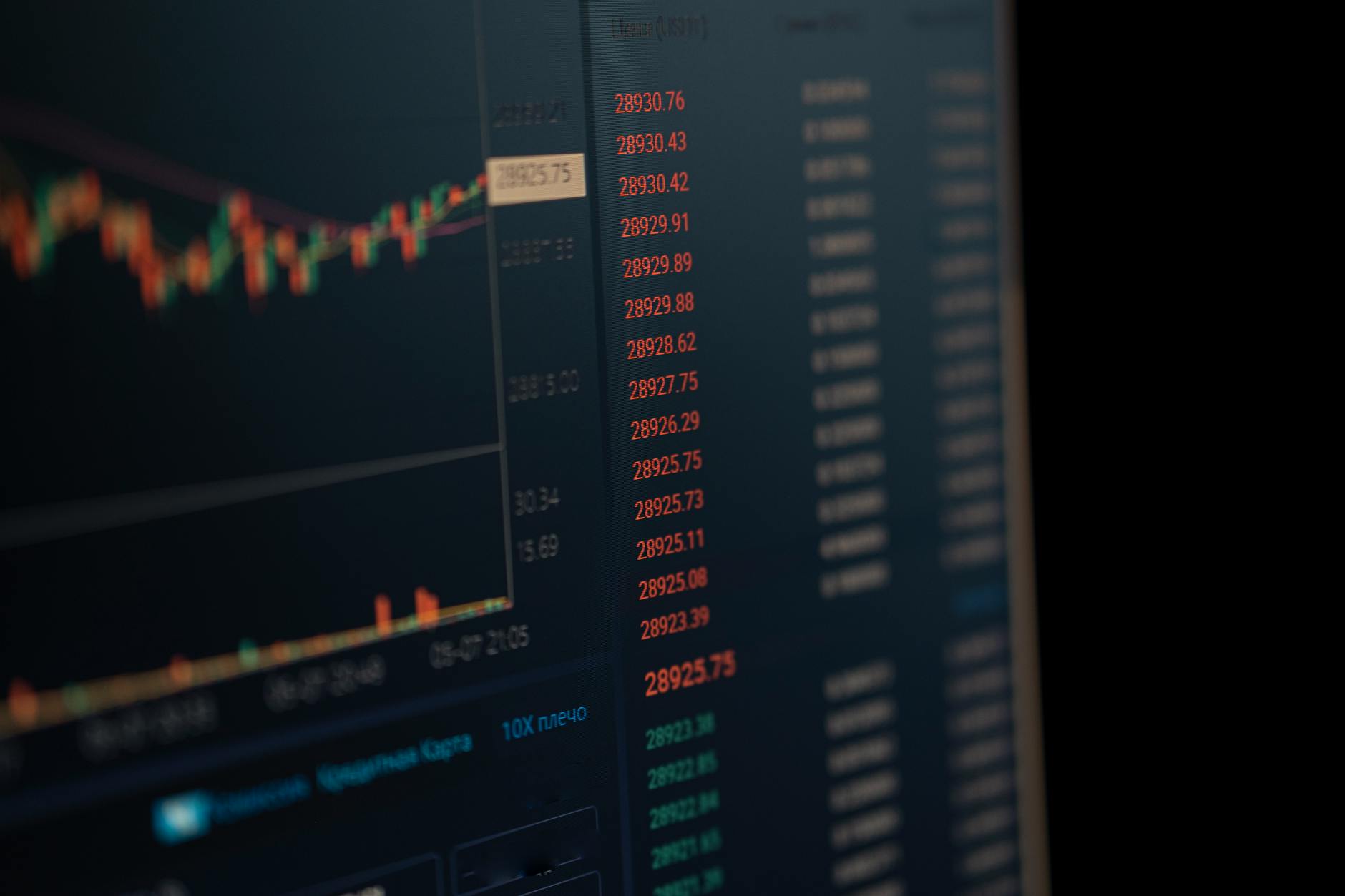
Innovative Payment Platforms Supporting Crypto Transactions
Prop trading firms that facilitate forex trading with crypto payments often leverage specialized platforms designed to handle digital asset transactions efficiently and securely. These platforms provide traders with streamlined interfaces for depositing and withdrawing funds, ensuring quick settlement times and minimal downtime. Popular platforms employed in the industry include dedicated exchange gateways, institutional-grade payment processors, and crypto-native wallets integrated directly into trading systems. These solutions often support a broad array of cryptocurrencies, including Bitcoin, Ethereum, and stablecoins, to accommodate diverse trader preferences and operational needs.

Another aspect of these platforms involves robust security features such as multi-signature wallets, encryption protocols, and real-time fraud detection systems. These safeguards help protect sensitive financial data and prevent unauthorized access, which is critical considering the digital nature of cryptocurrencies. Additionally, integration with banking and financial infrastructure allows for seamless fiat conversions, giving traders greater flexibility to manage their accounts effectively.
Technical Aspects of Crypto Payment Integration
Integrating crypto payments into a prop trading environment demands a combination of technical infrastructure and compliance measures. Typically, firms deploy application programming interfaces (APIs) that connect their trading platforms with blockchain networks and payment processors. This integration facilitates automated transactions, reduces manual input errors, and promotes transparency. Blockchain technology ensures a secure audit trail for each transaction, assisting firms in maintaining detailed records aligned with their operational standards.
Furthermore, wallet management solutions are implemented to oversee the inflow and outflow of digital assets. These wallets are often multi-signature, requiring multiple verifications before executing significant transactions, which enhances security. For real-time trading activities, liquidity management systems are also employed to ensure that crypto assets are available as needed, preventing delays in funding or withdrawal requests.
Role of Regulatory Compliance in Crypto Payment Transactions
While the primary focus is on efficiency, adherence to regulatory frameworks remains a core component of crypto payment solutions in forex prop trading. Platforms must incorporate compliance checks such as anti-money laundering (AML) procedures and know-your-customer (KYC) protocols to verify trader identities and monitor transactions. These measures help prevent illicit activities and ensure that all transactions align with regional and international standards.
Regular audits, transaction reporting, and secure data storage form an integral part of compliant crypto payment systems. Incorporating these elements within the infrastructure supports transparency and builds trust with clients and regulatory authorities alike. As digital asset ecosystems evolve, so too does the need for ongoing updates to security and compliance protocols, ensuring that prop firms stay ahead of potential risks and operational challenges.
Security and Compliance Considerations
Implementing crypto payment methods in forex proprietary trading requires rigorous security measures to safeguard digital assets and sensitive information. Prop trading firms often utilize multi-layered security protocols, including end-to-end encryption, multi-signature wallet access, and secure cold storage solutions, to protect client funds and proprietary data from unauthorized access. Regular security audits and vulnerability assessments are crucial in identifying potential risks and fortifying defenses against cyber threats.
From a compliance standpoint, adherence to regional and international regulations is essential. Firms integrating crypto payments must implement comprehensive Know Your Customer (KYC) procedures that verify the identity of traders and investors before transactions are authorized. Anti-Money Laundering (AML) policies are also enforced to monitor transaction patterns for suspicious activity. These measures are vital in maintaining transparency and preventing illicit financial flows.
To ensure ongoing compliance, many prop firms employ automated transaction monitoring systems that flag unusual activities in real-time. This proactive approach helps in rapid response to potential compliance breaches, avoiding costly penalties and reputational damage. Additionally, maintaining detailed records of all digital transactions, including timestamps and wallet addresses, supports accountability and audit readiness.
By harnessing secure wallet management solutions—such as hardware device integration and multi-factor authentication—prop firms enhance the safety and integrity of their crypto payment systems. As regulatory landscapes evolve, continuous updates and staff training are necessary to uphold security standards and ensure adherence to the latest compliance protocols.
Challenges and Limitations of Crypto Payment Integration
While crypto payments offer numerous advantages, their integration into forex prop trading environments presents specific challenges. Volatility remains a significant concern, as the value of digital assets can fluctuate rapidly, impacting trading capital and profit margins. Prop firms must develop risk management strategies, including hedging and real-time valuation tools, to mitigate these fluctuations.
Another obstacle involves the complexity of navigating diverse regulatory structures across different jurisdictions. Variations in regional policies regarding cryptocurrencies can complicate transaction processes, requiring firms to customize their compliance protocols accordingly. This necessitates ongoing regulatory surveillance and adaptation to new policies, which can be resource-intensive.
Technical integration is also a concern, as existing trading platforms may lack native support for crypto payment processing. This often requires custom API development or third-party solutions, adding complexity and potential points of failure. Additionally, ensuring seamless user experience while maintaining high security standards demands meticulous system design.
Furthermore, the lack of standardized procedures for crypto transactions means that some firms face delays in processing or difficulties with liquidity management. These operational issues can hinder trading efficiency and impact profitability. Effective training and robust infrastructure are essential to overcoming these limitations and optimizing the benefits of crypto payment systems.
Security and Compliance Considerations
Integrating crypto payment methods within forex prop trading requires diligent attention to security protocols and compliance standards. Although digital currencies offer numerous advantages, ensuring secure transactions is paramount to prevent fraud and unauthorized access. Prop trading firms often adopt advanced encryption technologies, multi-factor authentication, and cold storage solutions to safeguard digital assets and sensitive information.
Compliance remains a crucial component, especially given the diverse regulatory frameworks across different regions. Firms managing crypto payments must establish rigorous KYC (Know Your Customer) and AML (Anti-Money Laundering) procedures to verify the identities of traders and partners. This not only helps in maintaining transparent operations but also aligns with best practices that foster trust among clients and stakeholders.
Operational procedures for crypto transactions must follow a standardized approach to ensure consistency and accountability. This involves maintaining detailed records of all transactions, conducting regular audits, and implementing robust dispute resolution mechanisms. Additionally, firms should stay updated with evolving regulations and best practices to adapt swiftly and maintain seamless payment processes.

By prioritizing security and compliance, prop trading firms can minimize operational risks and enhance their credibility in the trading community. Adoption of official security standards and participation in industry audits further solidify trust, demonstrating a firm’s commitment to safe and transparent trading practices.
Security and Compliance Considerations
Implementing crypto payment methods in forex prop trading necessitates rigorous security and compliance measures to ensure operational integrity and stakeholder trust. As digital assets are highly valuable, firms adopt multiple layers of protection such as advanced encryption protocols to safeguard transaction data against unauthorized access. Multi-factor authentication (MFA) is standard practice, requiring traders and staff to verify their identities using multiple credentials before gaining access to sensitive systems or executing transactions.
Cold storage solutions are also critical, where the majority of digital assets remain offline, disconnected from internet access, significantly reducing vulnerability to hacking attempts. Regular security audits and vulnerability assessments further help identify and remediate potential weaknesses in the infrastructure, reinforcing the safety of digital payment channels.
Compliance, especially concerning KYC and AML procedures, remains central to crypto payment integrations. Prop trading firms must verify the identities of traders and partners to prevent illicit activities and ensure transparency. These procedures involve collecting official identification documents, conducting background checks, and monitoring transaction patterns for suspicious activities. Firms often leverage automated systems to streamline compliance processes while maintaining high standards of accuracy and reliability.

Maintaining comprehensive transaction records is essential for accountability and audit readiness. Detailed logs of each crypto transfer, including timestamps, transaction amounts, sender and recipient details, are kept meticulously. This practice not only aids in resolving disputes quickly but also facilitates regulatory reviews, demonstrating adherence to best practices.
Industry standards such as those set by ISO/IEC 27001 for information security management can guide firms in establishing robust security frameworks. Furthermore, participating in third-party audits and industry certifications reassures stakeholders about a firm’s commitment to secure and compliant operations.

Staying current with evolving regulations across different jurisdictions is vital. Firms should dedicate resources to continuous training for staff, ensuring they are aware of new compliance mandates and technology trends. Collaborative engagement with industry organizations and regulators facilitates the adoption of standardized practices and fosters an environment of transparency and security within the forex prop trading community.
Challenges and Limitations of Crypto Payment Integration
Integrating official crypto payment methods involves navigating various operational and technical hurdles. Migrating to secure payment platforms demands significant investment in infrastructure, staff training, and ongoing maintenance. Additionally, fluctuations in cryptocurrency values can introduce financial volatility, complicating risk management strategies for prop trading firms.
Another challenge lies in ensuring seamless interoperability between traditional banking systems and blockchain-based payment gateways. Compatibility issues and differing processing times can impact the efficiency of trades and settlements. Moreover, compliance with international anti-money laundering standards requires comprehensive monitoring systems that can adapt to evolving regulatory landscapes.

Despite these challenges, the benefits of official crypto payment channels—such as increased transaction speed, reduced costs, and enhanced transparency—make them a compelling choice. Firms need to weigh these advantages against the operational complexities, establishing clear protocols and leveraging technological innovations to optimize their payment solutions effectively.
Understanding Forex Prop Trading Firms
Forex proprietary trading firms operate as financial entities that enable experienced traders to access the foreign exchange market using firm capital. These organizations provide traders with platforms, resources, and risk management tools, allowing them to execute large-volume trades with the firm's funds. Typically, traders are evaluated through tests or trials to ascertain their proficiency before being granted official trading accounts. The core advantage of these firms lies in their capacity to amplify traders' buying power and provide a structured environment for professional growth.

Operational Framework
Many forex prop trading firms operate on a profit-sharing basis or charge a licensing fee. They often set strict criteria regarding risk limits, trading strategies, and compliance policies to safeguard their capital. The technological infrastructure of these firms includes advanced trading platforms, risk analytics, and performance tracking tools, designed to ensure traders can operate efficiently and responsibly within regulated parameters.
The Integration of Blockchain Payments
Recently, there has been a notable shift toward integrating blockchain-based payment methods within these firms, driven by the emergence of cryptocurrency as a popular asset class and payment medium. This integration aims to streamline funding procedures, reduce transaction costs, and increase transparency for traders accessing their accounts and managing deposits or withdrawals.
The Role of Crypto Payments in Prop Trading
Crypto payments serve as a transformative element within the ecosystem of forex prop trading. By leveraging cryptocurrencies such as Bitcoin, Ethereum, and stablecoins, traders and firms can bypass traditional banking delays and charges, achieving faster settlement times. This characteristic is particularly beneficial in a high-frequency trading environment, where swift fund transfers are crucial for maintaining competitive advantage.

Operational Efficiency
Incorporating crypto payment methods enables real-time deposits and withdrawals, providing traders with greater liquidity flexibility. This immediacy facilitates more dynamic trading strategies, especially in volatile market conditions. Additionally, crypto transactions typically incur lower fees compared to conventional banking channels, which contributes to overall cost reductions.
Transparency and Auditability
Blockchain technology offers an immutable record of transactions, enhancing transparency. For prop trading firms, this means increased accountability and ease of audit processes. Traders benefit from clear, verifiable transaction histories, fostering trust and integrity within the operation.
Benefits of Using Crypto Payments in Forex Prop Trading
Adopting crypto payment methods delivers numerous advantages tailored specifically to the fast-paced nature of forex trading. Among these benefits are increased processing speeds, reduced transaction costs, and a higher level of operational transparency. Such improvements create a more nimble environment for traders and firms alike, supporting rapid decision-making and efficient capital management.
Cost Reductions
Compared to traditional banking and wire transfers, crypto transactions often require minimal processing fees. This reduction in overheads can significantly impact profit margins, especially for high-volume trading operations.
Speed and Accessibility
Crypto payments can be processed within minutes, regardless of geographic boundaries. This inclusivity ensures traders from diverse regions have prompt access to their funds and can respond swiftly to market opportunities.
Enhanced Security Measures
Secure cryptographic protocols underpin these transactions, reducing fraud risk. Firms can implement multi-signature wallets and cold storage solutions, further fortifying their financial assets against cyber threats.
Popular Crypto Payment Methods for Prop Trading Firms
Legitimate and established crypto payment channels are preferred for their reliability and compliance features. The following methods are commonly employed by reputable firms:
- Cryptocurrency Wallet Transfers: Direct transfers between secure wallets, offering control and privacy.
- Stablecoin Payments: Transactions using stablecoins like USDC or USDT provide price stability and seamless integration with trading platforms.
- Crypto Payment Gateways: Third-party services that facilitate fiat-to-crypto conversions and streamline transactions, ensuring regulatory compliance and security.
Security and Compliance Considerations
Ensuring transaction security and adherence to regulatory standards remains paramount in the integration of crypto payment systems. Firms must prioritize the utilization of encrypted wallets, multi-factor authentication, and robust anti-fraud measures. Compatibility with anti-money laundering (AML) protocols and know-your-customer (KYC) procedures is essential to maintain transparent operations.
Furthermore, adherence to international financial guidelines necessitates ongoing monitoring of transaction activities, periodic audits, and the use of compliant payment processors. These actions serve to mitigate operational risks and reinforce trust among traders and stakeholders.
Challenges and Limitations of Crypto Payment Integration
Despite the notable advantages, integrating crypto payments presents certain challenges. Price volatility of cryptocurrencies can impact fund values and complicate risk management. Operational hurdles include establishing secure wallets, managing private keys, and navigating the technical aspects of blockchain technology. Interoperability issues between various blockchain platforms and traditional banking systems may cause delays or reconciliation complexities.
Additionally, variations in cryptocurrency regulation across jurisdictions could affect transaction processes and compliance requirements, demanding continuous adaptation from firms seeking seamless crypto payment operations.
Future Trends in Crypto Payments for Forex Prop Trading
The future landscape of crypto payments within forex prop trading is poised for substantial innovation. Advancements in blockchain interoperability, the proliferation of regulated crypto exchanges, and the development of more sophisticated payment gateways are expected to address current limitations. Features such as instant settlement protocols and decentralized finance (DeFi) integrations could further streamline transactions, reduce costs, and expand accessibility for traders worldwide.