Overview of Proprietary Trading Firms in Crypto
Proprietary trading firms, commonly known as prop firms, are specialized organizations that engage in trading financial instruments with their own capital. In the context of cryptocurrency markets, these firms have become influential players, leveraging their resources and expertise to capitalize on the highly volatile digital asset landscape. Unlike traditional trading setups that often execute trades on behalf of clients, prop firms directly invest their funds to generate profits, assuming the risk and reward for every position they hold.
Crypto prop firms differ significantly from conventional trading companies that primarily manage assets on behalf of clients or institutional investors. Instead, they focus on deploying advanced trading algorithms, market analysis, and sometimes proprietary technology to identify profitable opportunities within the digital currency ecosystem. Their involvement spans a broad range of crypto assets, including major cryptocurrencies, altcoins, and derivatives, making them key drivers of liquidity and price discovery in the crypto space.

The rise of crypto-related prop trading is fueled by the unique characteristics of digital assets: 24/7 trading, high volatility, and evolving markets. These features demand rapid decision-making and sophisticated trading strategies, which prop firms are well-equipped to develop and execute. Overall, their role in crypto trading is to maximize profits from market inefficiencies, leverage market swings, and provide additional liquidity that benefits the entire ecosystem.
How Prop Trading Firms Operate in the Crypto Market
Proprietary trading firms specializing in cryptocurrencies integrate a combination of innovative strategies, technological tools, and disciplined risk management to optimize their trading activities. Their core approach involves deploying capital into the digital asset space with the objective of capitalizing on market volatility and inefficiencies, all while maintaining stringent controls over risk exposure.
One key aspect of their operation is the utilization of advanced trading algorithms. These algorithmic systems analyze vast streams of market data in real-time, identifying opportunities for arbitrage, trend-following, and mean reversion strategies. Automated trading allows firms to execute rapid trades across multiple exchanges, capturing fleeting profit opportunities that are often inaccessible through manual trading.
Risk management remains central to their operational blueprint. Crypto markets are known for their high volatility and 24/7 operation, demanding that firms implement rigorous controls such as stop-loss orders, position sizing limits, and real-time monitoring of market exposure. They often employ sophisticated models to predict potential downturns, adjusting their positions dynamically to mitigate losses.
Capital allocation strategies in these firms are primarily focused on diversification across various crypto assets, including major cryptocurrencies like Bitcoin and Ethereum, as well as emerging altcoins and derivatives. This diversification helps spread risk and capitalize on different market segments. Additionally, many prop firms allocate capital toward margin trading and leverage, amplifying potential returns but increasing the importance of disciplined risk controls.
Another operational feature involves constant market analysis. Prop traders and analysts conduct technical and fundamental analyses, monitor blockchain metrics, and stay updated on news that could impact digital assets. This comprehensive approach enables firms to anticipate market movements and refine their strategies accordingly.
Furthermore, investment into proprietary trading platforms tailored for crypto trading is a common practice. These platforms often incorporate advanced features such as real-time liquidity feeds, multi-exchange connectivity, and custom indicator development, empowering traders to make data-driven decisions swiftly and accurately.
Overview of Proprietary Trading Firms in Crypto
Proprietary trading firms, often referred to as prop firms, have become integral players in the dynamic and rapidly evolving landscape of crypto trading. These entities utilize their own capital to execute trades across a spectrum of digital assets, aiming to generate profits through strategic market positioning. Unlike traditional investment firms or hedge funds, prop firms focus sharply on short-term gains by leveraging advanced trading techniques, cutting-edge technology, and in-depth market analysis.
Crypto prop firms operate within a framework that emphasizes disciplined trading practices and rapid execution. Their teams typically consist of seasoned traders, quantitative analysts, and risk managers who collaborate to harness market opportunities while controlling risk exposure. The reliance on data-driven decision-making and algorithmic trading models enables these firms to remain competitive in an environment characterized by high volatility and continuous market activity.

By deploying their own capital, prop firms are uniquely positioned to take advantage of market inefficiencies, arbitrage opportunities, and aggressive trading strategies. Their influence extends beyond mere speculation, often contributing to liquidity and stability within the crypto ecosystem. Understanding the operational mechanics and strategic considerations of prop firms can shed light on their vital role in advancing crypto market maturity and sophistication.
How Prop Trading Firms Operate in the Crypto Market
The operational blueprint of crypto prop firms revolves around meticulous market analysis, strategic execution, and robust risk management. They harness a blend of technical indicators, fundamental insights, and blockchain analytics to identify profitable entry and exit points across various digital assets. This comprehensive approach necessitates sophisticated trading infrastructure that can process vast amounts of data in real time.
One hallmark of these firms is the adoption of proprietary trading platforms designed to facilitate rapid order execution, monitor market exposure, and incorporate automated trading systems. These platforms often include features such as multi-exchange connectivity, real-time liquidity feeds, and customizable trading algorithms. Such tools empower traders to react swiftly to market shifts, capitalize on fleeting opportunities, and manage risks effectively.
Operational risk controls are equally essential. Prop firms enforce strict limits on position sizes, utilize stop-loss mechanisms, and continuously monitor market exposure to mitigate potential losses. Diversification across assets — including Bitcoin, Ethereum, altcoins, and derivatives — further enhances risk-adjusted returns. Leveraging margin trading and leverage, within predefined limits, also amplifies potential profits while underscoring the importance of disciplined risk management.
Additionally, continuous market research and analysis form the backbone of daily operational routines. Prop traders decipher technical patterns, evaluate blockchain metrics, and stay abreast of macroeconomic developments or regulatory changes that may influence digital assets. This rigorous, data-centric methodology ensures that the trading strategies remain adaptive to ongoing market fluctuations.

In summary, these firms implement a cycle of analysis, execution, and review — perpetual refinement that helps them navigate the unpredictable crypto markets efficiently. Their technological prowess, combined with disciplined risk controls and market insights, enables sustained profitability and competitive advantage.
Criteria for Selecting a Crypto Prop Firm
Choosing the right proprietary trading firm for crypto trading involves careful evaluation of several critical factors. A reputable firm should demonstrate transparency in its operational models and have a proven track record within the industry. Traders should prioritize firms that maintain clear communication channels, providing detailed explanations of their profit-sharing arrangements, fee structures, and trading conditions to avoid ambiguities that could impact profitability.
One of the key aspects to consider is the firm's profit sharing model. Legitimate prop firms typically offer a fair and straightforward distribution of trading profits, aligned with the trader’s performance and contribution. Understanding how profits are split, whether through fixed percentages or tiered structures, can influence overall earnings. Additionally, firms that implement transparent accounting practices and regular profit distributions reinforce confidence among traders.
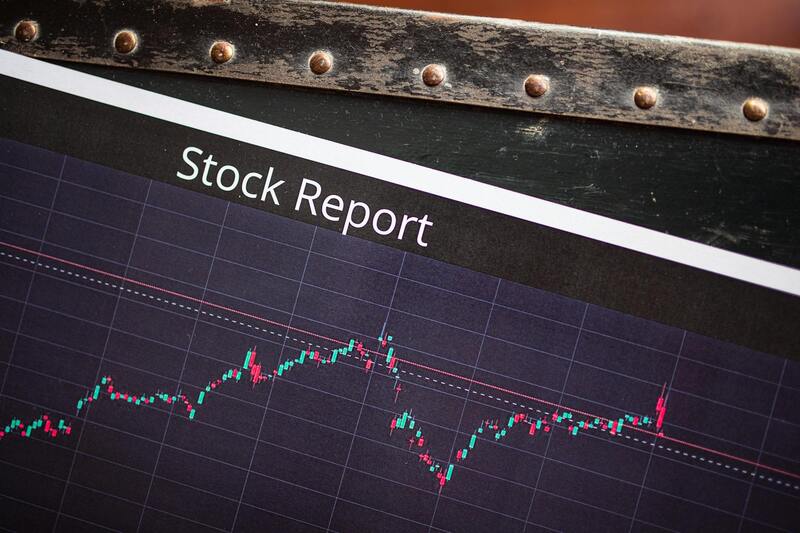
Other crucial selection criteria include the trading conditions offered by the firm. These conditions encompass available leverage, trading platforms, available assets (such as Bitcoin, Ethereum, or emerging altcoins), and the stability of the trading environment. Firms should offer robust, reliable technology with advanced trading tools tailored for crypto assets, including real-time market data, risk management features, and customizable algorithms.
Furthermore, evaluating a firm’s focus on crypto assets is vital. A comprehensive understanding of the markets they serve, their expertise in digital currencies, and their support infrastructure can significantly influence trading success. Established firms with dedicated crypto teams often provide better resources, training, and insights that can help traders navigate volatile markets.

Finally, traders should consider the firm’s reputation and community feedback. Engaging with forums, testimonials, and industry reports can reveal insights into the firm’s operational integrity, support quality, and overall credibility. Selecting a firm that emphasizes compliance, offers comprehensive support, and fosters a transparent trading environment forms the foundation for sustained success in the dynamic crypto sphere.
Overview of Proprietary Trading Firms in Crypto
Proprietary trading firms, commonly known as prop firms, have increasingly integrated cryptocurrency trading into their core activities. These firms provide a platform where skilled traders can access substantial capital, allowing them to execute large-scale trades without risking their personal funds. The allure of crypto prop trading lies in the market's high volatility and liquidity, presenting ample opportunities for profit when trading digital assets like Bitcoin, Ethereum, and emerging altcoins. Unlike traditional trading environments, crypto-specific prop firms often utilize advanced technological infrastructure, enabling traders to leverage sophisticated tools such as real-time analytics, algorithmic trading strategies, and customizable risk management solutions. This environment fosters a competitive yet supportive ecosystem where experienced traders can maximize their skills with the backing of substantial financial resources.

How Prop Trading Firms Operate in the Crypto Market
The operation of crypto prop firms hinges on the seamless integration of financial backing, technological infrastructure, and trader expertise. These firms typically structure their models around profit-sharing agreements, where traders receive a percentage of the profits generated from their trading activities. Traders are often assessed through evaluation periods, emphasizing consistent performance and risk management skills. Once accepted, traders gain access to dedicated trading accounts with predefined leverage and trading conditions tailored for digital assets. These conditions may include access to a broad range of cryptocurrencies, sophisticated trading platforms, and risk controls designed specifically for the high volatility environment of crypto markets.
Trade execution in crypto prop firms relies heavily on cutting-edge technology, including institutional-grade exchanges, API integrations, and real-time market data feeds. These tools empower traders to implement complex strategies swiftly, manage positions effectively, and adapt to rapid market fluctuations. Moreover, many firms implement strict compliance and risk protocols, requiring traders to adhere to leverage limits, drawdown restrictions, and reporting standards to maintain a secure trading environment.

Benefits of Joining Prop Firms for Crypto Traders
- Access to substantial capital without risking personal funds.
- Use of advanced trading tools, platforms, and real-time data feeds.
- Structured profit-sharing models that reward skill and discipline.
- Training and mentorship opportunities from experienced traders.
- Networking within a community of professionals focused on crypto markets.
Criteria for Selecting a Crypto Prop Firm
Choosing the right prop firm requires comprehensive evaluation to align with your trading goals and style. Important factors include transparency in profit-sharing arrangements, the robustness of the trading infrastructure, and the firm's reputation within the industry. Consider the range of cryptocurrencies available for trading, leverage policies, and the technological tools provided, such as custom algorithm capabilities and risk management features.
Assess the firm's support infrastructure as well. Firms with dedicated client support teams, educational resources, and clear compliance policies tend to foster a more conducive environment for sustained trading success. Additionally, understanding the firm's evaluation process can help traders prepare better and meet performance benchmarks efficiently. Engaging with industry forums, reading reviews, and talking to existing traders can provide valuable insights into the firm's operational integrity and community standing.
Legal and Regulatory Aspects of Crypto Prop Trading
Crypto proprietary trading firms operate within a complex landscape of legal and regulatory frameworks that influence their operational strategies and compliance standards. Ensuring adherence to these standards is critical for maintaining integrity, fostering trust, and enabling sustainable growth in the highly dynamic crypto market.
Fundamentally, these firms must navigate a series of licensing and registration requirements, which vary significantly across jurisdictions. In many regions, crypto trading firms are expected to obtain specific licenses that authorize them to conduct trading activities, custody client assets, or provide trading services. These licenses often come with stringent reporting and auditing obligations designed to promote transparency and accountability.
Additionally, compliance with anti-money laundering (AML) and know your customer (KYC) regulations is obligatory for any firm involved in crypto trading. Such measures help prevent illicit activities and ensure that the firm operates within the boundaries set by financial authorities. For prop firms, implementing robust AML and KYC protocols is essential, not only for legal adherence but also for safeguarding their reputation and operational continuity.

Furthermore, regulatory compliance extends to reporting and transparency practices related to client funds, profit-sharing arrangements, and trading activities. Many jurisdictions impose limits on leverage offered to traders and mandate rigorous risk management protocols to mitigate systemic risks. Prop firms must regularly review and update their policies to align with evolving legal requirements, which often involve engaging legal expertise and compliance consultants.
Data security and privacy are additional areas of focus for crypto prop trading firms. Protecting sensitive client information and securing trading platforms against cyber threats are paramount, given the increasing sophistication of cyberattacks targeting financial entities. Adopting advanced cybersecurity measures not only ensures regulatory compliance but also builds confidence among traders and stakeholders.
In summary, compliance with legal and regulatory standards is integral to the operational framework of crypto prop firms. Their ability to adapt swiftly to regulatory changes, maintain transparency, and uphold data security directly influences their market reputation and long-term viability. Diligent adherence to these standards creates a stable environment where traders can operate confidently, knowing their activities are protected by a sound legal foundation.
Legal and Regulatory Aspects of Crypto Prop Trading
Crypto proprietary trading firms operate within a complex landscape shaped by a variety of legal frameworks and regulatory standards. These standards are designed to ensure transparency, security, and accountability in trading activities, helping to foster a stable environment conducive to responsible trading practices. Meeting these standards requires rigorous compliance with reporting obligations, risk management protocols, and data security measures.
One critical aspect is the adherence to licensing requirements. Many jurisdictions demand that prop firms obtain specific licenses before conducting trading operations, ensuring they meet established operational standards. These licenses often require firms to demonstrate sound financial health, effective internal controls, and compliance with anti-money laundering (AML) and know-your-customer (KYC) policies. Such requirements serve to reinforce responsible trading practices and safeguard the interests of traders and stakeholders.
Regulatory Compliance and Transparency
Transparency is key in fostering trust and maintaining the integrity of crypto prop trading. Firms are expected to maintain detailed records of all trading activities, profit-sharing arrangements, and client fund management. Regular reporting to regulatory bodies, when applicable, ensures that firms uphold their commitments to transparency and accountability.
Additionally, many jurisdictions impose limits on leverage to manage systemic risk and protect traders from excessive exposure. Risk management protocols mandated by regulators include the use of automated risk controls, daily capital requirements, and comprehensive compliance audits. These measures mitigate potential market manipulation, liquidity issues, and other systemic risks that could threaten broader financial stability.
Data Security and Cybersecurity Measures
Given the digital nature of crypto markets, data security and cybersecurity are integral to operational compliance. Crypto prop firms handle vast quantities of sensitive client and transactional data, making them prime targets for cyberattacks. Implementing advanced cybersecurity infrastructure, including secure encryption protocols, multi-factor authentication, and regular security audits, is essential to protect against breaches.

Firms also need to stay informed about evolving regulatory standards and promptly adjust their policies. Engaging with legal advisors and compliance specialists enables these firms to navigate the changing legal landscape effectively, ensuring continued adherence without compromising operational efficiency. This proactive approach not only reduces legal risks but also enhances their reputation with traders and partners.
Balancing Innovation and Compliance
While compliance frameworks provide necessary safeguards, innovation remains vital for the growth of crypto prop firms. Successful firms find ways to seamlessly integrate advanced trading technologies, such as blockchain solutions, algorithmic trading tools, and AI-driven analytics, while remaining aligned with legal requirements. Striking this balance is crucial for maintaining a competitive edge and fostering sustainable growth in the rapidly evolving crypto trading arena.
Legal and Regulatory Aspects of Crypto Prop Trading
Engaging in crypto proprietary trading involves navigating a complex web of legal and regulatory frameworks across different jurisdictions. Prop firms for crypto trading typically operate within specific compliance standards that include anti-money laundering (AML) protocols, know-your-customer (KYC) procedures, and transaction monitoring systems. These measures are designed to uphold transparency and reduce risks associated with illicit activities, fostering a trustworthy environment for traders and partners.
Regulatory bodies may impose licensing requirements or registration processes that crypto prop firms need to meet to legally conduct their operations. Ensuring adherence to these standards involves consistent internal audits, regular reporting, and maintaining detailed records of all trading activities. Adapting to evolving regulations is crucial, as authorities worldwide are continuously updating policies to address new challenges posed by digital assets.
For traders, understanding the compliance framework of a prop firm provides insight into its operational integrity and commitment to lawful trading. Legitimate firms often have dedicated compliance teams that oversee the adherence to applicable regulations, implement risk management strategies, and foster an environment rooted in ethical practices. This approach enhances confidence among traders, institutional partners, and regulatory entities.

Emerging Trends in Crypto Prop Trading
- Integration of Decentralized Finance (DeFi): Many prop firms are exploring DeFi platforms to diversify trading strategies and access new liquidity pools.
- Adoption of Advanced Trading Technologies: Utilization of AI, machine learning, and blockchain analytics to improve trading accuracy and risk management.
- Enhanced Security Measures: Implementation of cutting-edge encryption methods and cybersecurity protocols to protect sensitive data and transaction integrity.
- Growth of Quantitative Trading: Increasing reliance on algorithmic trading models driven by vast datasets and automated decision-making processes.
- Regulatory Refinements: As regulators develop clearer frameworks for digital assets, prop firms are preparing to ensure seamless compliance with new standards.
Staying ahead of these trends requires a proactive approach to compliance, technological investment, and strategic planning. Firms that successfully balance innovation with robust legal adherence will be positioned to capitalize on the growing opportunities within the crypto trading landscape.