
Understanding Proprietary Trading and Prop Firms
Proprietary trading firms, commonly known as prop firms, operate as specialized entities that allocate capital to skilled traders to execute trades primarily in the futures markets. Unlike traditional brokerage services that execute trades on behalf of clients and generate revenue through commissions or fees, prop firms focus on their own capital, seeking to profit directly from trading activities. This structure provides traders with the resources, technology, and risk management tools necessary to capitalize on market opportunities with amplified leverage and access than individual traders might manage independently.
In futures trading, prop firms serve as incubators for traders with demonstrable skills, offering a platform for profit sharing and career development. They often have rigorous evaluation processes to identify traders with consistent performance and strong risk management practices. The primary role of a prop firm is to leverage its financial resources while supporting traders with advanced trading platforms, proprietary algorithms, and direct market access, facilitating efficient and strategic trading in commodities, indices, currencies, and other futures instruments.

Differences between prop firms and brokerage services are significant. While brokers act as intermediaries connecting clients to the markets, prop firms are directly involved in trading their capital and sharing profits with traders. This distinction influences the operational priorities, fee structures, and types of support provided to traders, emphasizing the importance of choosing a reputable and well-equipped prop firm for aspiring or seasoned futures traders.
Criteria for Evaluating Prop Firms for Futures
When selecting a prop firm for futures trading, traders should focus on several critical aspects that influence both daily trading operations and long-term success. The first criterion is the trading capital provided by the firm. Adequate capital ensures that traders can execute a range of strategies without being constrained by funding limitations, especially in markets requiring substantial margin and position sizes. A firm that offers substantial capital allows traders to maximize their profit potential while managing risks effectively.
Profit sharing models are equally important. Some firms operate on a fixed fee structure, while others offer revenue splits based on trading performance. An equitable profit split incentivizes traders and aligns interests with the firm's objectives. It’s essential to thoroughly understand the terms—such as minimum profit targets, drawdown limits, and payout schedules—to avoid surprises that could hinder profitability.
Risk management rules are a cornerstone of a reliable prop trading environment. Firms typically impose maximum drawdowns, daily loss limits, and position size restrictions to protect both the firm’s assets and the trader’s capital. Traders should evaluate whether these rules balance risk mitigation with the flexibility needed to implement varied strategies. Excessively restrictive policies can stifle trading strategies, while lenient rules may expose traders to unacceptable losses.
The support resources and educational tools provided by a prop firm can significantly impact a trader’s development and efficiency. Firms offering comprehensive training, mentorship programs, detailed performance analytics, and access to advanced trading tools foster better skill acquisition and strategic decision-making. Traders should also consider the availability of proprietary algorithms, algorithmic trading capabilities, and real-time market data feeds, which can provide a competitive advantage in futures markets.

Types of Prop Firm Models in Futures Trading
Prop firms for futures trading generally operate under varied models, each with distinct features catering to different trader preferences and risk profiles. The most common models include profit-sharing agreements, salary-based compensation, and hybrid structures.
- Profit-Sharing Models: These setups involve traders sharing a portion of their profits generated through the firm’s capital. They motivate traders to maximize performance while aligning the firm’s success with trader profitability. Typically, profit splits range from 50% to 80%, with some firms offering tiered structures based on performance benchmarks.
- Salary plus Bonus Models: Some firms provide traders with a fixed salary along with performance bonuses. This model offers stability and reduces financial pressure while encouraging traders to excel through incentives. It often suits traders who prefer less risk exposure and steady income streams.
- Hybrid Models: Combining elements of profit sharing and salaried schemes, hybrid models aim to balance risk, reward, and security. Traders benefit from a base income and profit shares, fostering motivation and financial stability.

Reputation and Reliability of Prop Firms
The reputation and stability of a prop firm are paramount considerations for futures traders. A firm’s track record, longevity in the industry, and client testimonials can reveal its operational transparency and commitment to trader success. Established firms with consistent performance histories tend to have better support systems, more advanced technology, and clearer communication channels. Additionally, transparency around fee structures, payout procedures, and risk management protocols demonstrates a firm’s integrity. Traders should seek firms that openly share their policies and have positive reviews from current and former traders. Verifying such information through independent forums and industry references provides deeper insights into the firm’s reliability and overall trader satisfaction.

Types of Prop Firm Models in Futures Trading
Futures trading prop firms utilize a variety of operational models to cater to diverse trader needs and skill levels. These models are designed to assess trader proficiency, provide funding, and generate profit through different structures, all while maintaining a focus on risk management and growth potential.
One prevalent model is the funded trader program. In this setup, traders are evaluated through a rigorous assessment process, which often involves completing a trading challenge or meeting specific performance targets within a designated timeframe. Successful traders receive access to the firm’s trading capital to execute futures trades, sharing a portion of the profits according to predefined structures. Funded trader programs are popular because they offer traders an opportunity to scale their trading activities without risking personal capital, provided they meet the evaluation standards.
Another widespread approach is challenge-based assessments. These are structured test phases where traders demonstrate their strategies, discipline, and risk management skills. Passing the challenge typically grants access to proprietary trading accounts, enabling traders to operate with the firm’s capital. These assessments are usually time-bound and involve strict trading rules, including profit targets and drawdown limits, designed to assess a trader’s consistency and risk control.
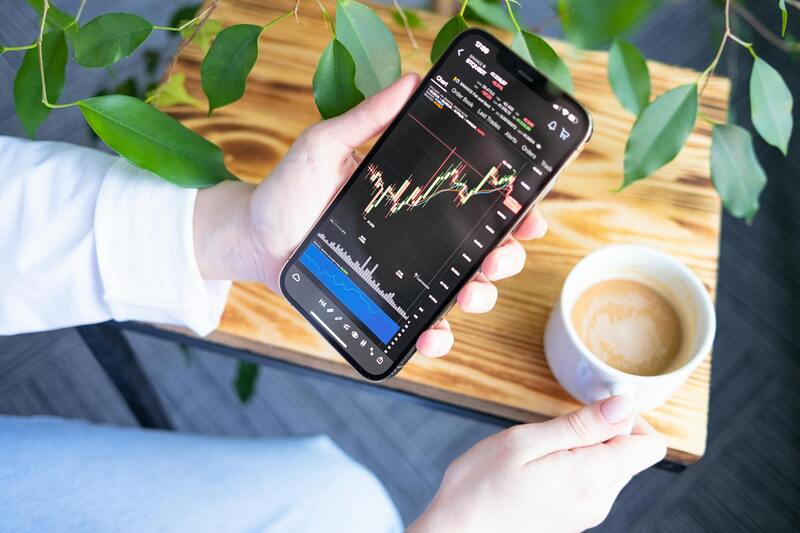
Proprietary trading desks are another model, often found within larger financial institutions or specialized firms focused solely on futures markets. These desks employ traders who are employed directly by the firm, often with a salary and performance incentives. Traders on proprietary desks typically trade large volumes of futures contracts, with the firm providing the necessary infrastructure and capital. This model emphasizes in-house expertise and large-scale trading strategies, suitable for traders with extensive experience and a proven track record.
Each model offers distinct advantages and challenges in the futures trading landscape. Funded programs and challenge assessments provide a pathway for aspiring traders to access capital without personal risk, fostering skill development. Proprietary desks, on the other hand, cater to seasoned traders seeking institutional support and larger trading opportunities. Carefully understanding these models allows traders to select an environment aligned with their experience level and trading goals.
Reputation and Reliability of Proprietary Firms in Futures Trading
In the highly competitive realm of futures trading, ensuring the reputation and reliability of a proprietary firm is paramount. Traders must consider the firm’s track record of fulfilling their financial commitments, transparent communication, and adherence to industry standards. A firm with a solid history of prompt payouts and reliable support creates a stable environment for traders to develop strategies without concerns over operational risks.
One vital aspect is the firm’s payout consistency. Reliable firms process withdrawals efficiently and without unnecessary delays, reflecting their operational robustness. Additionally, transparency in trading conditions, fee structures, and the firm’s corporate operations fosters trust, which is essential for long-term engagement.

Assessing client reviews, industry reputation, and the firm’s history of regulatory compliance provides insights into their credibility. Professional traders often turn to communities or forums where veteran traders share their experiences, offering valuable perspectives on how a firm manages operational challenges. Ultimately, selecting a firm with a transparent payout history and a positive reputation can protect traders from unforeseen complications and foster a consistent trading environment.
Fee Structures and Costs Associated with Prop Firms in Futures
Understanding the fee arrangements in prop firms for futures can influence overall profitability. Many firms operate with different models, such as challenge fees, membership costs, or commission structures, which need clarity. Some firms charge an upfront fee for challenge assessments or training programs, while others simply take a percentage of profits earned during trading sessions.
It’s critical to analyze whether fees are one-time payments or recurring charges, and how they affect trading margins. For example, a firm with a low challenge fee but high commission rates may not be as cost-effective as a firm with a higher initial fee but lower trading costs. Transparency in fee disclosures helps traders anticipate expenses and plan accordingly.

Additionally, some firms incorporate performance-based incentives or rebates, which can reduce costs for high-volume traders. Traders should carefully evaluate these aspects to identify the model that aligns with their trading volume, profit expectations, and cost management strategies.
Trading Platforms and Technologies Offered by Prop Firms
The choice of trading platform can significantly impact performance in futures trading. Leading prop firms equip traders with advanced, reliable, and user-friendly technologies that facilitate efficient order execution, real-time data analysis, and risk management. Compatibility with popular trading software, custom indicator support, and integration with analytical tools are further advantages.
In addition to platform features, access to robust technological infrastructure, such as low-latency servers, direct market access (DMA), and automated trading capabilities, enhances trading efficiency and profitability. Some firms also offer proprietary platforms designed specifically for futures markets, leveraging unique features like advanced charting and custom algorithm development.

Traders should verify the availability of comprehensive training resources, user support, and platform updates, which contribute to a smoother trading experience. A reliable infrastructure minimizes technical disruptions and ensures traders maintain consistent access to markets, crucial given the fast-paced nature of futures trading.
Understanding Proprietary Trading and Prop Firms
Proprietary trading involves financial firms using their own capital to buy and sell securities, including futures contracts, aiming to generate profits directly from market activities. Prop firms serve as specialized organizations that provide traders with access to significant trading capital, cutting-edge technology, and strategic resources to optimize performance. These firms typically operate under a structured environment, offering training, risk management protocols, and performance incentives to ensure traders can operate efficiently within defined risk parameters.
In futures trading, prop firms function as vital intermediaries, enabling traders to leverage sizeable sum capital without risking their personal funds. They create a professional trading ecosystem that supports high-frequency trading, algorithmic strategies, and market analysis, contributing to more consistent and potentially lucrative trading outcomes. As part of their offering, prop firms often provide comprehensive educational programs, trading analytics, and risk controls tailored explicitly for futures markets, ensuring traders remain agile and informed amid volatile conditions.

Criteria for Evaluating Prop Firms for Futures
Choosing the optimal prop firm for futures trading necessitates a careful assessment of several key factors. These criteria ensure that traders partner with institutions capable of supporting strategic growth and minimizing operational obstacles. Critical evaluation metrics include:
- Capital Access and Scaling Capabilities: The firm’s capacity to provide sufficient trading capital and scale as needed without restrictions can significantly influence trading strategy execution.
- Trading Infrastructure and Technology: High-quality trading platforms with low latency, automated execution capabilities, and real-time analytics are essential for competitive futures trading.
- Profit Split and Fee Structures: Transparent fee models, including challenge costs, commissions, and profit-sharing arrangements, directly impact profitability margins.
- Support and Educational Resources: Continuous training, market insights, and responsive customer support help traders stay competitive and compliant.
- Reputation and Track Record: A proven history of reliability and successful trader outcomes build confidence in the firm’s operational standards and trader support systems.
Types of Prop Firm Models in Futures Trading
Prop firms adopt different operational models tailored to the needs of futures traders, each with distinct advantages and limitations. Understanding these models helps traders identify the best fit for their trading style and risk appetite:
- Funding Program Models: Traders undergo evaluation challenges or trading tests; upon success, they receive funded accounts with predetermined risk parameters. Profit splits are typically established before trading begins.
- Leverage-Based Models: Firms offer traders leverage on their own capital, enabling larger position sizes without requiring separate funding programs. This model often involves higher risk but greater profit potential.
- Hybrid Models: Combining features of both funding and leverage-based structures, hybrid models provide flexibility for traders to operate within various risk and capital parameters.

Reputation and Reliability of Prop Firms
In selecting a prop firm for futures trading, assessing reputation and reliability is paramount. Firms with a consistent history of transparent operations, prompt payouts, and active trader support foster a trustworthy trading environment. A solid reputation often signifies adherence to high operational standards, robust risk management policies, and a client-centric approach.
Traders should explore reviews, industry feedback, and performance disclosures to gauge a firm’s standing. Reliable prop firms frequently update their technological infrastructure, maintain clear communication channels, and provide timely assistance, ensuring traders can execute strategies confidently without fear of operational disruptions.

Trading Platforms and Technologies Offered
For futures traders, access to advanced trading platforms and cutting-edge technology is a fundamental component of successful operations. Prop firms that invest in robust and user-friendly platforms enable traders to execute orders swiftly, analyze real-time data, and implement complex strategies efficiently. Compatibility with multiple devices, customizable interfaces, and integration with third-party analysis tools further enhance trading performance.
State-of-the-art data feeds, such as Level II market data and real-time news services, provide traders with comprehensive insights necessary for timely decision-making in volatile futures markets. Additionally, sophisticated order management systems, automated trading capabilities, and customizable alert systems contribute to optimizing trading workflows.
Beyond the trading interface itself, reliable execution speed and minimal latency are critical features for futures trading, where fractions of a second can impact profitability. Prop firms committed to technological excellence often collaborate with top trading software providers or develop proprietary platforms tailored to futures market demands.
Furthermore, the availability of educational resources, analytics dashboards, and simulation environments allows traders to refine their strategies and adapt to market trends. A firm that prioritizes technological innovation empowers its traders with the tools needed for competitive advantage in dynamic futures markets.
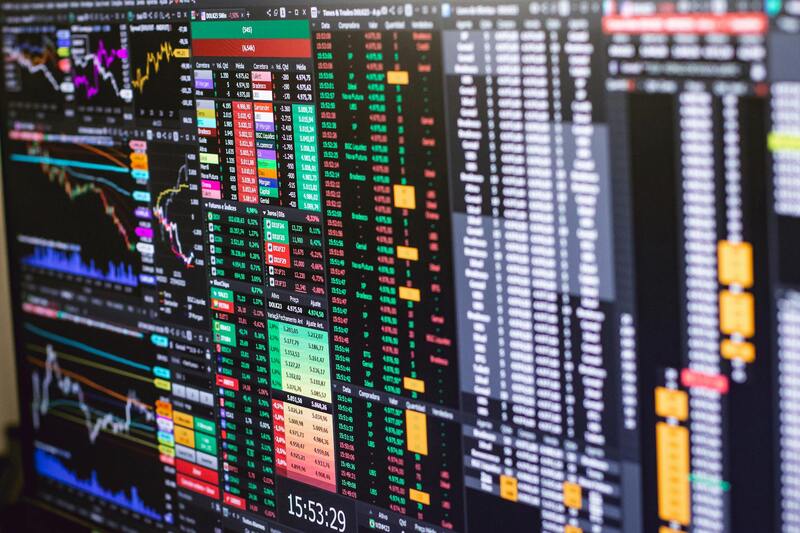
Pros and Cons of Top Prop Firms for Futures
Evaluating the leading prop firms requires a balanced understanding of their strengths and limitations within the futures trading landscape. These firms typically excel in areas such as technological infrastructure, trader support, funding options, and transparency. **Pros:**
- Robust trading technology with high-speed execution and advanced analytical tools.
- Flexible trading programs that accommodate various risk levels and trading styles.
- Comprehensive educational resources and ongoing trader development.
- Established track record of prompt payouts and transparent operations.
- Supportive trader communities and mentorship programs.
- Potentially high evaluation criteria or costs for qualification.
- Some firms have strict risk management rules that may limit certain trading strategies.
- Limited geographic availability in certain regions, depending on regulatory considerations.
- Variation in profit-sharing models, which may impact trading profitability.
- Differences in leverage offerings, affecting risk exposure.

Understanding Proprietary Trading and Prop Firms
Proprietary trading, commonly known as prop trading, involves firms trading financial instruments using their own capital rather than clients' funds. These firms provide traders with access to significant trading capital, enabling them to execute larger positions and potentially generate higher returns. Prop firms operate under specific models that support traders through funding, technology, and educational resources, fostering a dynamic environment for both novice and experienced traders seeking to capitalize on their strategies in futures markets.

Criteria for Evaluating Prop Firms for Futures
Choosing the right prop firm for futures trading requires a thorough evaluation of multiple factors. First, the firm’s trading program should align with the trader’s style and risk appetite. High-performance technology, including execution speed and analytical tools, is crucial for competitive trading. Transparency in fee structures and payout processes ensures traders can optimize their profits and manage costs effectively. A solid reputation, backed by consistent performance records and positive trader feedback, offers additional confidence. Support services like training, mentorship, and community engagement also enhance trading success. Lastly, the firm's compliance with regulatory standards and adherence to best practices safeguard traders' interests and provide a robust operational environment.
Types of Prop Firm Models in Futures Trading
Prop firms for futures trading typically adopt one of several models:
- Evaluation-based programs: Traders undergo a testing or assessment phase to demonstrate trading ability before gaining access to capital.
- Profit-sharing models: Traders and firms share the profits generated through trading, with specific percentage splits negotiated upfront.
- Ongoing funding programs: Once traders prove their consistency, they gain access to larger capital pools with fewer restrictions.
Each model has its benefits, often appealing to different trader profiles and strategic preferences. Evaluation models are popular for traders starting in futures, while profit-sharing arrangements incentivize long-term performance.
Reputation and Reliability of Prop Firms
When assessing prop firms, examining their track record and standing within the trading community is essential. A firm with consistent payout history, transparent policies, and positive trader feedback indicates a reliable operational framework. Verified testimonials, industry recognition, and regulatory adherence bolster confidence in a firm's ability to provide a stable trading environment. An established reputation also suggests the firm’s preparedness to support traders through technological infrastructure, risk management protocols, and ongoing development resources.

Fee Structures and Costs Associated with Prop Firms
Evaluating fee structures is a critical step in selecting a prop trading partner. Some firms charge upfront evaluation or training fees, which may include costs for testing, educational materials, and access to proprietary platforms. Others operate on profit-sharing models, where traders receive a percentage of the profits without initial costs. Transaction fees, data feed charges, and platform subscriptions also impact profitability. Transparent fee disclosures and clear terms help traders understand their net gains and avoid unexpected expenses. Comparing these costs across multiple firms enables traders to identify options that align with their financial plans and trading volume expectations.
Trading Platforms and Technologies Offered
Proprietary trading success hinges on access to cutting-edge technology. Leading prop firms invest in advanced trading platforms that support futures trading with features like real-time market data, high-speed order execution, and robust analytical tools. Customizable interfaces, risk management dashboards, and integration with third-party software enhance trader productivity and decision-making. Mobile compatibility ensures traders can monitor and execute trades on the go, providing flexibility in dynamic market conditions. Firms that prioritize technological innovation give their traders a competitive edge by enabling more accurate and timely trading decisions.
Pros and Cons of Top Prop Firms for Futures
When evaluating the leading proprietary trading firms for futures, understanding the advantages and limitations of each helps traders make informed decisions aligned with their trading objectives and risk management strategies.
Advantages Offered by Top Prop Firms
- Access to Capital: Most prop firms provide traders with significant trading capital, which allows for larger positions and the potential for higher returns without using personal funds.
- Advanced Trading Technology: Premium platforms with real-time data, fast execution, and analytical tools increase trading efficiency and accuracy.
- Structured Training and Support: Many firms offer comprehensive training programs, mentorship, and risk management guidelines to improve trading skills and consistency.
- Focus on Risk Management: Top firms emphasize strict risk protocols, helping traders preserve capital and avoid catastrophic losses, which is essential in futures markets.
- Scalability Opportunities: Successful traders often receive opportunities to scale their trading activities, access larger capital pools, or move into more profitable account tiers.
Limitations and Challenges of Prominent Prop Firms
- Stringent Evaluation Processes: Many top firms require traders to pass rigorous testing, which can be demanding and time-consuming. High-performance expectations and strict risk constraints may limit trading freedom.
- Profit Sharing and Fees: While some firms operate on profit-sharing models, others may charge evaluation fees, platform costs, or monthly subscriptions that cut into potential earnings.
- Account Restrictions: Certain firms impose trading limits or may restrict strategies, such as holding positions overnight or employing specific order types, to maintain risk controls.
- Trade Execution Delays or Limitations: Despite advanced platforms, traders might encounter execution delays during volatile periods, especially when trading in highly leveraged futures contracts.
- Potential for Dispute or Disqualification: Failing to adhere to the firm's rules or risk parameters can result in account termination, making it essential for traders to maintain discipline and compliance.
Choosing between different prop firms requires a detailed assessment of how their offerings align with individual trading styles and financial goals. While top firms provide vital resources such as capital, technology, and risk management, they also enforce strict rules that necessitate disciplined trading practices. Understanding these pros and cons enables traders to select a partnership that fosters long-term growth and stability in futures trading.
