Understanding Proprietary Trading and Prop Firms
Proprietary trading firms, commonly known as prop firms, are specialized companies that trade financial instruments using their own capital. Unlike traditional firms that execute client trades or manage investment funds on behalf of external clients, prop firms focus solely on generating profit through their trading activities. They often employ professional traders who utilize sophisticated strategies, technology, and extensive market research to capitalize on price movements across various markets, including stocks, forex, commodities, and derivatives.
The core advantage of operating a prop firm lies in the ability to leverage significant capital to amplify trading positions and potential returns. This direct engagement with the markets allows the firm to retain all profits generated, making it a highly lucrative business model when managed effectively. Additionally, prop firms contribute to market liquidity and efficiency, providing vital functions within the broader financial ecosystem.

Starting a prop firm business involves establishing a legal entity capable of trading with its own capital, recruiting talented traders, and creating a streamlined infrastructure for executing, monitoring, and analyzing trades. It combines elements of financial expertise, technological innovation, and disciplined risk management to succeed in competitive markets.
For entrepreneurs seeking to enter this sector, understanding the distinct characteristics of prop trading is essential. The primary benefits include the potential for high profitability, autonomy in trading activities, and the opportunity to innovate with cutting-edge trading technology. Furthermore, due to the specialized nature of the industry, establishing a reputable prop firm can position your business as a key player within the financial trading landscape.
In developing your understanding of how to start a prop firm, it’s crucial to grasp the industry’s fundamentals, including the types of markets you’ll engage in, the potential sources of capital, and the operational structure needed for success. This foundational knowledge sets the stage for subsequent steps, such as market research, strategic planning, and compliance considerations—all vital components in establishing a sustainable and profitable prop trading business.
Understanding Proprietary Trading and Prop Firms
Proprietary (prop) trading involves financial firms trading stocks, bonds, currencies, commodities, and derivatives with their own capital, aiming to generate profits from market fluctuations. Prop firms leverage advanced technological platforms, quantitative models, and proprietary algorithms to gain an edge in highly competitive markets. They operate with a distinct business model compared to asset management or brokerage firms, focusing on direct trading instead of managing client assets. Establishing such a firm requires comprehensive planning, a clear understanding of the industry’s operational dynamics, and a commitment to robust risk management frameworks.

The core of a prop trading business is its capacity to execute large volumes of trades efficiently while maintaining tight risk controls. Effective deployment of capital, technological innovation, and disciplined trading strategies are fundamental to gaining sustainable profit. When establishing a prop firm, entrepreneurs must focus on blending financial expertise with technological aptitude—building a platform that supports rapid trade execution, real-time data analysis, and comprehensive risk assessment. Additionally, recruiting skilled traders who understand complex financial instruments and market behaviors enhances the firm’s trading capabilities. Successful prop firms foster a culture of compliance and continual learning, crucial for navigating evolving markets and regulatory environments.
Understanding the operational foundation of a prop trading enterprise involves recognizing the importance of a solid technological backbone, typically comprising high-performance trading servers, data feeds, and analytical tools. These systems enable traders to execute strategies swiftly and monitor markets continuously. Moreover, establishing processes for data security, trade record maintenance, and compliance ensures operational integrity and builds trust with stakeholders. A well-structured internal workflow supports decision-making, enhances risk mitigation, and positions the firm for growth through strategic adaptation to market conditions.
Researching the Prop Trading Industry and Market Demand
Thorough industry research provides insight into current market trends, emerging opportunities, and competitive landscapes. Analyzing industry reports, financial news, and trading volume patterns helps identify sectors with high potential for prop trading activities. Establishing target markets involves understanding which asset classes and markets align with the firm’s expertise and infrastructure. This analysis extends to customer profiling, identifying the types of traders or investors who may benefit from proprietary trading services, whether institutional or individual traders seeking access to sophisticated trading environments.
Assessing market demand involves evaluating factors such as liquidity levels, volatility, and technological adoption among traders. Market surveys and competitive analysis reveal gaps or unmet needs that your prop firm could address. Keeping abreast of regulatory changes, technological advancements, and macroeconomic factors also influences market strategies and operational focus. This detailed assessment ensures an evidence-based approach when developing your business model, allowing for precise targeting and resource allocation for maximal growth potential.
Developing a Business Plan and Trading Strategy
An effective business plan delineates the vision, target markets, operational structure, and financial projections for the prop trading firm. It serves as a blueprint guiding strategic decisions and resource investments. Your trading strategy should be founded on quantitative analysis, risk controls, and clear performance metrics. Incorporating technologies such as algorithmic trading systems and machine learning models enhances your firm’s analytical capabilities, allowing traders to identify profitable opportunities with speed and precision.
Key components of your strategic framework include:
- Market selection and asset allocation
- Risk management protocols and limits
- Trade execution processes
- Performance evaluation and feedback mechanisms
- Technological infrastructure specifications
Regular review and refinement of your trading strategies ensure they adapt to shifting market conditions and technological advancements, keeping your firm competitive and profitable over time.
Legal Structure, Licensing, and Regulatory Compliance
Set up your business entity in a manner that aligns with your operational needs and strategic goals—common structures include LLCs, corporations, or partnerships. Proper registration with relevant authorities and adherence to industry standards fortify your reputation and facilitate smoother operational processes. Licensing requirements vary depending on your jurisdiction, but typically involve registration with financial regulatory bodies, licensing for trading activities, and compliance with anti-money laundering (AML) and know-your-customer (KYC) policies.
Implementing comprehensive compliance programs ensures adherence to applicable regulations and fosters transparency. This includes developing policies for trade reporting, record-keeping, and internal audits. Maintaining close communication with legal and compliance professionals helps to stay updated with regulatory changes, avoiding inadvertent violations that could impact your business continuity.
Securing Capital and Funding Sources
Fundraising for a prop firm demands a strategic approach, balancing initial capital requirements with sustainable growth plans. Sources of funding include personal savings, angel investors, venture capital, or institutional partnerships willing to provide seed funding based on your business plan and trading strategy. When presenting your case to potential investors, emphasize your team’s expertise, technological infrastructure, risk management frameworks, and projected profitability.
It’s vital to establish clear terms regarding profit-sharing, capital allocation, and withdrawal policies to build trust and accountability among stakeholders. Having transparent, well-documented agreements helps prevent misunderstandings and promotes long-term investment relationships.
Building a Skilled Trading Team and Infrastructure
Recruiting proficient traders with diverse market experience and technological expertise forms the backbone of your prop trading operation. Focus on individuals with demonstrated performance, analytical skills, and adherence to risk management protocols. Supporting their efforts requires state-of-the-art hardware, secure network systems, and access to real-time market data feeds. Additionally, hiring technical staff responsible for maintaining trading platforms, cybersecurity, and IT support ensures seamless operations and system integrity.
Creating a collaborative environment that encourages continuous learning and strategic innovation fosters sustained growth. Providing ongoing training, performance incentives, and access to cutting-edge analytics tools helps retain top talent and adapt swiftly to market changes.
Implementing Risk Management and Compliance Policies
Risk management is central to the resilience and profitability of your prop firm. Developing comprehensive policies that define acceptable risk levels, capital exposure limits, and trade review processes shields the business from large losses. Utilizing advanced risk analytics, scenario testing, and position monitoring tools empowers traders to operate within safe boundaries.
Compliance policies should encompass AML procedures, trade reporting standards, and internal audit routines. Regular staff training on compliance obligations promotes a culture of integrity and accountability, minimizing regulatory exposure and enhancing your firm’s reputation.
Launching Operations and Scaling the Business
After establishing your operational infrastructure, legal framework, and team, transitioning to active trading involves a phased approach. Begin with pilot trading sessions to evaluate system performance, risk controls, and trader effectiveness. Gather data and adjust your strategies accordingly. Monitoring key performance indicators (KPIs) provides insight into profitability and operational efficiency.
As your firm stabilizes, focus on expanding trading volumes, onboarding additional traders, and exploring new markets. Scaling should be underpinned by continuous process improvement, technological upgrades, and compliance adherence, ensuring sustainable growth in a competitive landscape.
Legal Structure, Licensing, and Regulatory Compliance
Establishing a proper legal framework is fundamental for the stability and operational success of your prop trading firm. It involves choosing an appropriate business entity such as an LLC, corporation, or partnership, depending on your strategic objectives and jurisdiction. This structure influences tax obligations, liability, and governance processes. Working with legal professionals who specialize in financial and trading regulations can facilitate the formation process, ensuring that all necessary documents and registrations are correctly filed.
Furthermore, securing any pertinent licenses or permits is often dictated by the specific operating region and the scope of trading activities. For example, some jurisdictions require licenses for proprietary trading activities, especially when engaging with certain financial instruments or operating across borders.
A critical component of your operational setup involves adhering to established compliance standards. This encompasses anti-money laundering protocols, trade reporting conventions, and detailed record-keeping practices. Implementing robust compliance measures not only clarifies your firm’s commitment to transparency but also streamlines audits and reviews.
Incorporating internal policies that enforce ethical trading, data security, and client confidentiality extends your compliance framework. Regular training sessions for your team help reinforce these standards and foster a culture of integrity.
Securing Capital and Funding Sources
Building a solid financial foundation is vital for launching and sustaining your prop trading enterprise. Most firms begin with capital injections from personal savings, angel investors, or experienced traders who are willing to contribute their funds in exchange for a stake or future profit-sharing arrangements. Developing attractive terms for investors while maintaining control over your firm's operations is a delicate balance.
Institutional funding options, such as venture capital or specialized trading capital providers, can also serve as significant sources of initial or expansion capital. These funding streams often come with specific requirements regarding business plans, risk management protocols, and operational transparency.
Another practical approach involves establishing partnerships with financial institutions or brokerage firms. These relationships may provide access to leverage, credit lines, or other financial instruments that can amplify your trading capacity.
It’s essential to maintain meticulous financial records and demonstrate clear plans for how capital will be deployed to ensure confidence among investors and funding partners. Developing comprehensive reports on risk management strategies, expected returns, and operational plans will bolster your credibility and facilitate accessing diverse funding sources.
Building a Skilled Trading Team and Infrastructure
Recruiting experienced traders and qualified support staff forms the backbone of a successful prop trading business. Traders with proven track records and deep market knowledge contribute directly to your firm’s profitability, while support staff in operations, risk management, and compliance ensure smooth, compliant activities.
Creating a conducive trading environment involves investing in high-performance infrastructure. Cutting-edge trading terminals, reliable internet connections, and advanced analytical tools enable your team to execute trades efficiently and make informed decisions. Additionally, establishing a secure and resilient IT infrastructure minimizes downtime and mitigates cyber threats.
Educational development and continuous training for your team are critical to keeping skills sharp and aligning trading practices with current market conditions. Emphasizing a culture of disciplined trading, risk awareness, and ongoing professional development encourages consistency and resilience.
Moreover, implementing effective communication channels within your team supports quick decision-making and collaborative analysis. This cohesion enhances your firm’s agility in responding to market shifts.
Establishing a Robust Infrastructure and Assembling a Competent Trading Team
Creating an efficient and resilient operational framework is fundamental for a prop firm aiming to sustain consistent profitability and navigate dynamic market conditions. This process involves meticulous planning and investment in both human capital and technological assets to foster an environment conducive to strategic trading and risk management.
Begin with recruiting traders who possess a proven track record of success across various markets and financial instruments. Their experience and market insight serve as vital elements in developing your firm’s trading strategies and in mentoring less experienced team members. Complement these traders with skilled support staff specializing in compliance, operations, and risk mitigation to ensure that all trading activities adhere to established policies and regulatory requirements.

Investing in state-of-the-art trading platforms and analytical tools empowers your team to execute trades swiftly and accurately. High-speed, reliable internet connections reduce latency, which is crucial in high-frequency and algorithmic trading environments. Advanced analytics offer deeper insights into market trends, enabling your traders to make well-informed decisions under pressure.
Additionally, a secure and scalable IT infrastructure minimizes potential downtimes and cyber threats. Regular updates, cybersecurity measures, and disaster recovery protocols ensure that your trading operations remain uninterrupted and protected from potential data breaches or system failures.
Building a strong trading team is complemented by ongoing training initiatives that focus on current market strategies, risk management protocols, and compliance standards. Continuous education maintains the team’s competitive edge and reinforces a culture of disciplined, informed trading. This organizational mindset helps mitigate emotional decision-making and promotes consistency across trading activities.

Effective communication channels are equally important. Utilizing advanced communication tools, such as real-time messaging platforms and collaborative dashboards, allows traders and support personnel to share insights instantly, respond to market shifts rapidly, and coordinate trading strategies seamlessly. This synchronization boosts agility and responsiveness, which are critical advantages in rapidly changing markets.
Focusing on infrastructure and team competency not only enhances operational efficiency but also sharpens your firm’s ability to adapt quickly, implement new trading strategies, and ultimately drive sustained growth within the prop trading industry.
Securing Capital and Funding Sources
Acquiring adequate capital is a fundamental step in establishing a prop trading business. This process involves identifying reliable funding sources that align with your strategic goals and operational needs. Typically, capital can be raised through personal savings, angel investors, venture capitalists, or institutional funding. Building relationships with investors who understand the nuances of trading markets ensures a smoother funding process, especially for firms that plan to scale rapidly.
When approaching potential funding partners, it is essential to present a comprehensive transparency-oriented profile of your business plan. This includes detailed financial projections, strategic trading methodologies, risk management frameworks, and expected return profiles. Demonstrating a clear understanding of the trading landscape and risk mitigation strategies enhances credibility and attracts more substantial investment commitments.
Besides external funding, some prop firms also allocate internal resources or seek bank facilities to cover operational expenses, technology upgrades, and trading capital. Careful management of cash flow, coupled with a well-defined budget plan, ensures that operational costs do not impede trading activities and that capital is allocated efficiently to maximize trading performance.
Another vital aspect is diversifying funding sources to mitigate over-reliance on a single stream. This diversification can include strategic partnerships, private equity, or even collaborative ventures within the trading community. Successful capital acquisition strategies lay a solid foundation for your trading operations and support long-term growth objectives.

Building a Skilled Trading Team and Infrastructure
The effectiveness of a prop trading firm ultimately hinges on the expertise and cohesion of its trading team. Assembling a skilled, disciplined team involves recruiting individuals with strong analytical skills, market intuition, and adherence to established risk management protocols. Experienced traders bring valuable insights into market dynamics and help shape your firm’s trading strategies.
Investments in ongoing training programs are critical to maintain the team’s competitive edge. This includes workshops, simulation training, and access to real-time market analysis tools. Cultivating a culture of continuous learning fosters adaptability and ensures traders stay updated on evolving market conditions and emerging trading technologies.
In parallel, developing a robust technological infrastructure is paramount. This consists of high-speed data feeds, advanced trading platforms, and secure, scalable IT systems that enable rapid execution and analysis. Cybersecurity measures protect sensitive trading data and client information, reducing risks associated with cyber threats and data breaches.
Effective communication tools such as real-time chat platforms, collaborative dashboards, and instant alert systems enhance coordination and ensure traders can respond swiftly to market opportunities or risks. Seamless communication and reliable infrastructure support the agility necessary to thrive in volatile trading environments.

Understanding Proprietary Trading and Prop Firms
Proprietary trading firms, commonly known as prop firms, engage in trading financial instruments using their own capital, aiming to generate substantial returns through strategic market operations. Unlike traditional investment firms that manage client funds, prop firms retain full control over their assets, allowing for more flexible and aggressive trading strategies. These firms often leverage cutting-edge technology, sophisticated algorithms, and disciplined risk management techniques to exploit market inefficiencies.
Establishing a successful prop trading business requires a comprehensive understanding of market behavior, trading mechanisms, and the competitive landscape. It involves not only selecting the right trading assets—such as equities, forex, commodities, or derivatives—but also building a resilient infrastructure capable of executing trades rapidly and accurately. Firms must continuously adapt their strategies to evolving market conditions, which necessitates a commitment to ongoing research, testing, and technological upgrades.

Researching the Prop Trading Industry and Market Demand
Before launching your prop firm, in-depth research into industry trends, market demand, and trading niche opportunities is crucial. Analyze prevailing trading volumes across different asset classes and identify gaps or underserved markets that your firm can target. Understanding peak trading hours, liquidity levels, and regulatory environments helps shape a viable business model.
Investigate the competitive landscape by studying existing firms’ strategies, success stories, and shortcomings. This knowledge allows you to craft differentiated trading approaches, whether it’s specializing in algorithmic trading, arbitrage opportunities, or niche markets with high volatility. Additionally, stay informed about technological advancements and trading platforms that can provide a competitive edge.

Developing a Business Plan and Trading Strategy
An effective business plan anchors your prop firm’s objectives, operational structure, risk parameters, and growth pathways. Define clear goals—whether it's achieving specific profit margins, expansion milestones, or technological improvements—and outline actionable steps to attain them.
Your trading strategy should reflect your targeted markets and risk appetite. Whether employing manual trading, automated algorithms, or a hybrid approach, ensure your strategies are backed by rigorous testing and historical analysis. Incorporate risk management metrics such as value-at-risk (VaR), maximum drawdowns, and position sizing rules to preserve capital and optimize profitability.
- Market analysis and asset selection
- Trading algorithm development and backtesting
- Risk management protocols
- Operational workflows and technology integration
- Performance monitoring and strategy refinement
Legal Structure, Licensing, and Regulatory Compliance
Launching a prop trading firm requires establishing a sound legal foundation aligned with industry standards and best practices. Choose an appropriate corporate structure—such as LLC, corporation, or partnership—that suits your operational needs and liability considerations. Proper registration ensures clarity in ownership and operational rights.
While specific licensing requirements vary by jurisdiction, securing necessary permits and adhering to relevant financial regulations is vital in maintaining operational integrity. Developing comprehensive compliance policies and internal controls helps monitor trading activities, prevent misconduct, and ensure transparency.
Implement strict procedures for client fund segregation (if applicable), anti-money laundering (AML), and know-your-customer (KYC) protocols to uphold operational standards. Employ robust record-keeping and reporting systems to facilitate audits and inspections.

Securing Capital and Funding Sources
Initial capital is the backbone of your prop firm, and acquiring it through credible sources sets the stage for sustainable growth. Consider personal savings, angel investors, or business loans to fund your startup phase. Building relationships with private investors who understand the prop trading industry can provide both financial support and strategic advice.
Strategically, diversify your funding sources to reduce reliance on a single capital stream. Establishing partnerships with financial institutions or leveraging trading profits to reinvest into the firm can bolster your operational runway.
Transparency with investors about risk management strategies, technological investments, and growth projections fosters trust and facilitates additional funding rounds. Keep meticulous financial records and develop comprehensive pitch materials to attract potential backers.
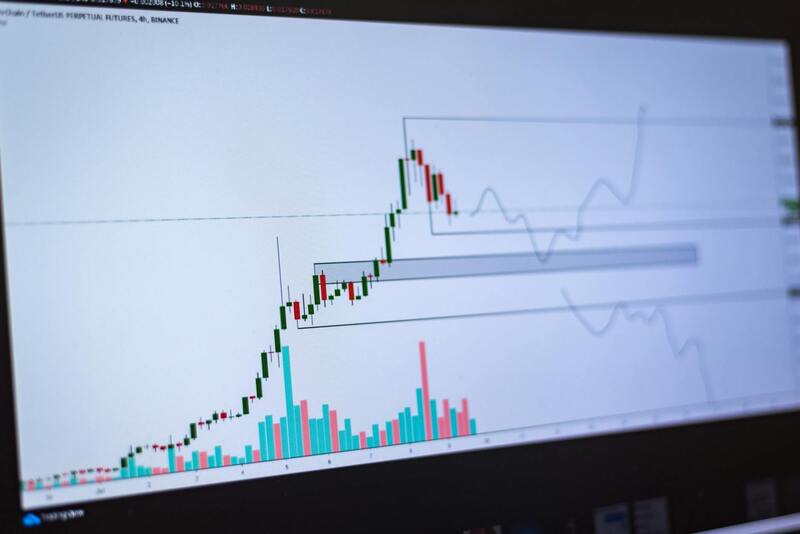
Developing and Documenting Your Trading Strategy
Establish a comprehensive trading strategy tailored to your preferred markets and risk appetite. This begins with rigorous analysis of market trends, economic indicators, and technical signals. Use back-testing to validate your approach against historical data, ensuring consistency in results. This process helps identify optimal entry and exit points, position sizing, and stop-loss levels, which are critical for maintaining disciplined trading and protecting capital.
Document each element of your trading methodology, including rules for trade execution, risk management, and performance evaluation. Clear documentation facilitates training, adherence, and continuous improvement within your team. Consider creating detailed manuals or digital resources that delineate your trading workflows, decision-making processes, and contingency plans. Precise documentation not only streamlines operations but also reinforces accountability and transparency across your team.

Building a Robust Operational Infrastructure
Establish a reliable technical infrastructure to support your trading activities. This includes selecting high-performance trading platforms, securing stable internet connections, and implementing advanced security measures to protect sensitive data. Automation tools can enhance execution speed, reduce manual errors, and enable consistent adherence to trading strategies.
Develop internal procedures for trade monitoring, record keeping, and reporting that align with your documented trading strategy. Implementing strong data management systems ensures your firm can effectively review performance, comply with reporting standards, and facilitate audits. Regular system upgrades and cybersecurity protocols are essential to maintain operational integrity amid evolving technological landscapes.
Hiring and Training Your Trading Team
Recruit experienced traders with a proven track record and a deep understanding of your chosen markets. Conduct thorough interviews and skill assessments to ensure alignment with your firm's trading philosophy and risk parameters. Continual training programs are vital to keep your team updated on market developments, new trading techniques, and compliance standards.
Foster a culture of disciplined risk management and ethical conduct. Regular performance reviews, combined with constructive feedback and educational resources, help traders improve their strategies while maintaining compliance. A well-trained team is vital to executing your trading plan with consistency and professionalism.
Implementing Effective Supervision and Oversight Measures
Establish clear oversight policies to monitor trading activities in real-time. Use advanced analytics and surveillance systems to detect unusual trading behaviors or deviations from approved strategies. Implement daily or weekly review sessions where traders' performances are analyzed against preset benchmarks.
Encourage transparency by maintaining logs of trading decisions and communicating trade rationales. Any anomalies or breaches of protocol should trigger immediate investigation, ensuring that your prop firm maintains operational integrity and aligns with established risk parameters. Robust oversight mechanisms deter misconduct and promote a culture of accountability.
Finalizing Setup and Sustaining Growth
Establishing robust operational procedures and continuously refining your business model are crucial steps in ensuring the longevity and success of a proprietary trading firm. Once the initial trading infrastructure is in place, focus shifts to maintaining operational efficiency, optimizing trading strategies, and effectively scaling your enterprise to new heights.
Implementing Operational Efficiency Protocols
Streamlining day-to-day operations begins with integrating reliable trading software, real-time data feeds, and secure communication channels. These tools should facilitate swift decision-making and minimize downtime. Developing comprehensive standard operating procedures (SOPs) for activities such as trade execution, risk monitoring, and compliance checks ensures consistency across your team.
Regular system audits and updates are essential to address emerging vulnerabilities and incorporate technological advancements. Training staff on new protocols enhances operational resilience and ensures adherence to best practices. Clear documentation and process automation can reduce errors, improve response times, and prepare your firm for scaling efforts.
Performance Monitoring and Feedback Loops
Continuous performance evaluation is vital to identify areas for improvement and reinforce successful trading behaviors. Establish key performance indicators (KPIs), such as trade accuracy, risk-adjusted returns, and adherence to risk limits. Utilize sophisticated analytics tools to generate comprehensive reports that highlight individual and team performance metrics.
Feedback sessions, coupled with data-driven insights, help traders adapt strategies and refine their approaches. Implementing regular review cycles encourages accountability and promotes a culture of ongoing learning. This process ensures your team remains aligned with your firm's trading philosophy and risk appetite.
Scaling Strategies and Market Expansion
Growth begins with integrating additional capital and expanding into new markets or asset classes. When scaling, it is essential to maintain rigorous risk controls and preserve the quality of trading decisions. Gradual expansion allows your firm to monitor performance closely and adjust operational protocols accordingly.
Investing in advanced trading infrastructure or partnering with technological providers can facilitate larger trading volumes and diversify your firm's portfolio. Consider strategic hiring to bring in specialized skill sets that support broadening your market reach or optimizing trading algorithms.
Building Strategic Partnerships and Networks
Forming alliances with industry leaders, technology providers, and other proprietary trading entities can provide valuable insights and shared resources. Attending industry conferences, participating in trade associations, and engaging in knowledge exchange programs foster relationships that may open avenues for collaborative growth.
Maintaining transparency and integrity in all dealings strengthens your firm’s reputation and positions it as a trusted participant in the trading community. These efforts contribute to attracting potential investors, skilled traders, and strategic partners, creating a sustainable foundation for future expansion.