What Is a Prop Firm Trading?
Definition of a Prop Firm Trading
Proprietary trading firms, commonly known as prop firms, are specialized financial organizations that engage in the trading of securities, commodities, currencies, and other financial instruments using their own capital. Unlike traditional trading entities that facilitate client transactions or manage external investments, prop firms operate primarily to generate profits directly for themselves. Their core activity involves deploying skilled traders and advanced trading strategies to capitalize on market inefficiencies, price discrepancies, and market trends.
These firms serve as crucial players in the financial markets, often providing liquidity and fostering market efficiency through their trading activities. They differ from retail brokers or asset management companies, which mainly act as intermediaries or oversee client assets. Prop firms are characterized by their focus on risk-taking with proprietary funds, allowing them to implement aggressive trading strategies and leverage that many external investors cannot access.
Structure and Business Model of Prop Trading Firms
The structure of a prop trading firm often revolves around a team of professional traders, quantitative analysts, and risk managers working together to execute trading strategies. These firms generally operate with a relatively flat organizational hierarchy to facilitate swift decision-making and execution of trading positions.
Their business model centers on deploying their own capital to generate profits, which are then shared among traders, management, and the firm itself. Profit-sharing arrangements motivate traders to perform optimally, as their earnings are directly tied to their trading success. Prop firms often utilize sophisticated technology platforms, algorithmic trading systems, and real-time data analytics to maximize their trading efficiency.
Types of Trading Strategies Used by Prop Firms
Prop firms employ a wide array of trading strategies, often tailored to market conditions and the firm’s expertise. Common approaches include:
- Day Trading: Executing quick trades to profit from small price movements within a single trading session.
- Scalping: Making numerous small trades to exploit minor price discrepancies.
- Algorithmic Trading: Using computer algorithms to automate trading decisions based on pre-set criteria.
- Statistical Arbitrage: Leveraging statistical models to identify and capitalize on pricing inefficiencies across assets.
- Momentum Trading: Riding market trends to maximize gains during sustained directional moves.
How Prop Trading Firms Are Funded and Managed
Funding for prop trading firms primarily comes from the firm's internal capital and occasionally through external investors or lines of credit. Their management focuses heavily on risk management to protect their capital, employing stress testing, position limits, and diversified trading strategies to mitigate losses.
Traders are often evaluated based on performance metrics, and their trading activity is closely monitored to ensure adherence to risk parameters. The use of cutting-edge technology enables real-time oversight and rapid adjustment of trading positions.
Pros and Cons of Working with Prop Firms
Engaging with prop firms offers several advantages:
- Access to substantial capital for trading.
- Potential for high earnings through profit-sharing.
- Use of advanced trading tools and data analysis.
- Opportunity to develop and hone trading skills in a professional environment.
However, there are challenges as well:
- High-pressure environment with performance-derived incentives.
- Risk of significant financial losses if trading strategies fail.
- Intense competition among traders within the firm.
- Requirement for traders to consistently meet performance targets.
Qualifications and Requirements to Join a Prop Firm
Prospective traders often need a proven track record or a strong understanding of financial markets. Typical requirements include:
- Demonstrated trading experience or relevant educational background.
- Knowledge of market mechanics and trading platforms.
- Strong analytical and decision-making skills.
- Ability to handle high-stress situations and adhere to trading discipline.
- Passes a rigorous evaluation process, which may involve simulated trading assessments.
Legal and Regulatory Aspects of Prop Trading
Prop firms operate within a framework of financial regulations, which vary across jurisdictions. They are typically subject to oversight concerning client funds, trading practices, and reporting standards. Many allow traders to operate under specific licenses or registration requirements designed to promote transparency and accountability.
Future Trends in Prop Firm Trading
Advancements in technology, particularly in artificial intelligence and machine learning, are shaping the future of prop trading. Firms are increasingly integrating these innovations to improve trading precision and manage risks more effectively. Additionally, expanding markets, such as cryptocurrencies and emerging asset classes, present new opportunities for proprietary traders to explore niche sectors and diversify their strategies.
Structure and Business Model of Prop Trading Firms
Prop trading firms are distinctly organized entities that specialize in deploying their own capital to execute trading strategies across various asset classes. These companies often operate with a defined hierarchy, comprising senior traders, risk managers, compliance officers, and support staff, all working collaboratively to optimize trading outcomes. Unlike traditional brokerage firms, prop firms do not primarily earn commissions from client transactions; instead, their revenue is predominantly generated through profits from proprietary trades.
The core operation of a prop trading firm involves pooling a significant amount of capital, which is allocated to traders based on specific criteria, including experience, past performance, and risk management capabilities. Traders are granted access to sophisticated trading platforms and advanced analytical tools to identify and capitalize on market opportunities. These firms often utilize a mix of systematic and discretionary trading approaches, ranging from algorithm-driven strategies to human intuition-driven decisions.
Funding in prop trading is typically derived from the firm's own capital, supplemented by investor capital in some cases. This funding structure allows the firm to maintain control over trading decisions, risk exposure, and capital allocation. Profits generated from successful trades are usually shared between the firm and the traders according to predefined agreements, often benefiting top performers with high profit splits or performance incentives.
Risk management is a critical component of a prop firm's business model. Implementing strict limits on exposure to individual trades and establishing comprehensive monitoring systems ensures the overall stability of the firm's portfolio. These risk controls are designed to prevent substantial losses and maintain the firm's trading capacity over the long term.
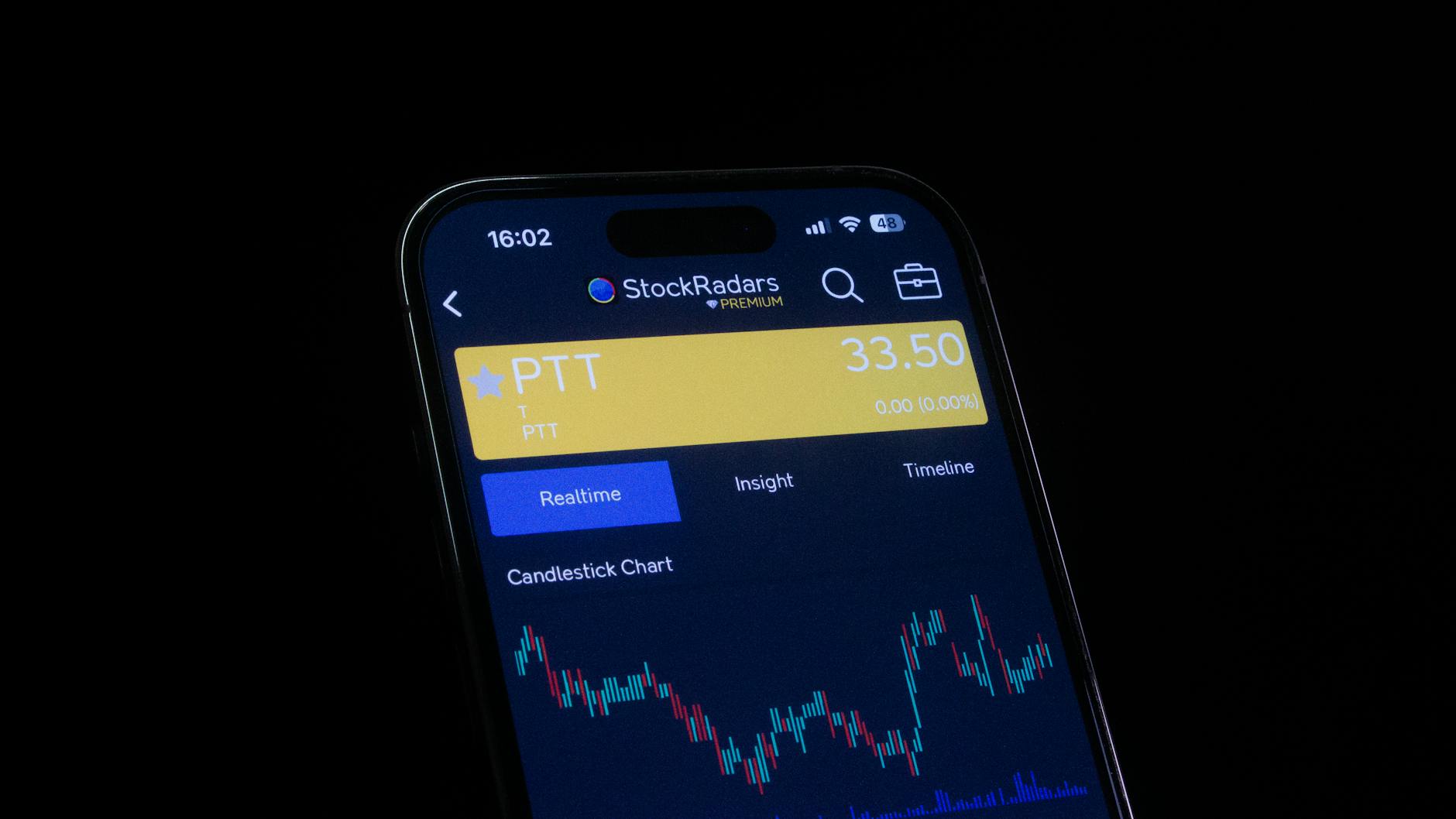
Types of Trading Strategies Used by Prop Firms
Prop trading firms employ a broad spectrum of trading strategies tailored to various market conditions and asset classes:
- Market Making: Involves providing liquidity to markets by continuously quoting buy and sell prices, profiting from the bid-ask spread.
- Day Trading: Short-term trades executed within a single trading day to capitalize on small price fluctuations.
- Swing Trading: Holding positions for days or weeks to benefit from expected price moves based on technical or fundamental analysis.
- Arbitrage: Exploiting price discrepancies between different markets or related assets to secure riskless profits.
- Algorithmic Trading: Using computer algorithms to execute trades at speeds and frequencies impossible for human traders, often based on complex mathematical models and data analysis.
Each strategy has its own risk profile, capital requirements, and profit potential, allowing prop firms to diversify their trading activities and mitigate overall risk exposure.

How Prop Trading Firms Are Funded and Managed
Funding sources for proprietary trading firms typically originate from the firm's capital reserves. Some firms also attract external investments, especially those with a proven track record of consistent profitability. Once capital is available, it is allocated strategically across different trading desks, markets, and strategies to optimize risk-adjusted returns.
Management within these organizations centers around risk management, trader performance, and technological infrastructure. Risk managers monitor trading activities in real-time, enforcing limits to prevent excessive losses and ensuring compliance with regulatory standards. Performance management involves ongoing evaluation of traders, providing feedback, and adjusting trading parameters to enhance profitability.
Operational oversight also emphasizes technological resilience, including trading algorithms and data security. These firms often invest heavily in infrastructure that supports high-frequency trading and rapid order execution, critical for maintaining a competitive edge in fast-moving markets.
Overall, effective management and robust funding are foundational to the sustained success of prop trading firms. They allow the firms to adapt dynamically to market changes, optimize risk-reward trade-offs, and foster an environment conducive to profitable trading activities.
What Is a Prop Firm Trading?
Prop firm trading, or proprietary trading, refers to the practice where financial institutions or specialized firms trade financial instruments using their own capital rather than client funds. Unlike typical brokerage operations that facilitate client investments, prop firms engage directly in the financial markets with the primary goal of generating profits internally. This approach allows the firm to leverage its expertise, technology, and capital to exploit market opportunities across various asset classes, including equities, forex, commodities, and derivatives.
At the core of prop trading is the concept of traders operating under specific mandates or strategies to capitalize on market inefficiencies and price movements. These traders are often highly skilled professionals or algorithms programmed to execute trades at optimal points, driven by sophisticated data analysis and real-time market insights. The profitability of prop trading hinges on the firm's ability to mitigate risks effectively while maximizing returns from its trading activities.

Prop firms typically do not manage client assets nor operate as traditional investment managers. Instead, they focus exclusively on deploying their own resources with an emphasis on creating competitive trading environments. The structure often includes dedicated teams working on different strategies, supported by cutting-edge technological infrastructure such as high-frequency trading systems, algorithmic trading platforms, and advanced data analytics tools.
Key Characteristics of Prop Firm Trading
- Ownership of capital: Prop firms use their proprietary funds rather than client money.
- Trading autonomy: Traders operate with significant independence within pre-established risk parameters.
- Profit sharing: Traders often receive a portion of the profits, incentivizing performance and innovation.
- Risk management: Stringent controls are implemented to minimize losses and monitor trading activities.
- Technological reliance: Advanced tools facilitate rapid decision-making and trade execution.
While the internal workflow differs across firms, the common goal remains: to leverage proprietary capital efficiently and profitably through strategic and disciplined trading practices.
Understanding the Funding and Internal Management of Prop Trading Firms
Proprietary trading firms rely heavily on their own capital, which they allocate strategically across various trading operations. Unlike mutual funds, hedge funds, or other asset managers, prop firms do not pool investor funds. Instead, they deploy personal or institutional capital with the primary objective of generating profit through market activities. The initial capital infusion often comes from the firm's founders, investors, or retained earnings, providing a dedicated resource base for trading strategies.
Effective management of this capital involves sophisticated risk management systems designed to monitor exposure continuously. Risk limits are predefined to prevent excessive losses, often incorporating stop-loss orders, exposure caps, and algorithmic adjustments based on market volatility. These controls enable the firm to protect capital while maintaining active trading positions, which are executed across multiple asset classes such as equities, commodities, and forex.
Operational control within a prop trading firm is typically guided by comprehensive internal policies. These policies delineate permissible trading activities, specify leverage limits, and establish procedures for monitoring compliance. Trading desks are staffed with analysts and traders who execute strategies supported by advanced technology platforms. Regular reviews and audits of trading activities ensure adherence to internal standards, fostering a disciplined environment conducive to consistent performance.

Key Methods of Funding and Internal Oversight in Prop Firm Operations
- Capital Allocation: Initial funds come from the firm's own reserves or external investors committed to supporting its trading endeavors.
- Profit Reinvestment: Profits generated are often reinvested to fund ongoing trading activities or expand operational capacity.
- Risk Control Protocols: Deployment of real-time monitoring tools to assess exposure, prevent excessive losses, and adjust strategies dynamically.
- Performance Evaluation: Regular assessment of trader performance based on predefined metrics, ensuring adherence to risk parameters and profit targets.
- Technological Infrastructure: Utilization of high-frequency trading systems, algorithmic platforms, and data analytics tools to facilitate rapid and informed decision-making.
This internal structure ensures that prop trading firms remain agile, disciplined, and focused on sustainable profitability while adhering to strict risk management standards. The combination of strategic capital management and robust oversight tools allows these firms to navigate complex market environments confidently.
Types of Trading Strategies Used by Prop Firms
Proprietary trading firms employ a diverse array of trading strategies tailored to capitalize on different market conditions and asset classes. Each strategy is underpinned by rigorous analysis, cutting-edge technology, and data-driven decision-making processes. The main categories of strategies typically used include market making, algorithmic trading, arbitrage, and trend following.
Market making involves providing liquidity to markets by simultaneously posting buy and sell orders for specific securities. Prop firms engaged in this approach seek to profit from the bid-ask spread while minimizing exposure to market risk. This strategy requires sophisticated order management systems and real-time market data analysis to swiftly adjust to price movements.

Algorithmic trading, a cornerstone of prop trading activity, leverages computer algorithms to execute predefined trading strategies at speeds unreachable by human traders. These algorithms analyze multiple data points, including price trends, volume, and news sentiment, to execute trades efficiently and maximize profitability.
Arbitrage strategies exploit price discrepancies of the same asset or related assets across different markets or platforms. Prop firms implementing arbitrage seek to buy low in one market and simultaneously sell high in another, capitalizing on fleeting inefficiencies. This approach typically requires sophisticated technology to identify and act on arbitrage opportunities swiftly.
Trend following strategies involve analyzing market momentum and riding persistent price movements. This approach relies heavily on technical analysis and indicators to determine entry and exit points, allowing traders to profit from sustained directional moves in various securities.
Beyond these core strategies, some prop firms integrate hybrid approaches, combining elements of multiple methods to diversify risk and optimize returns. The selection and refinement of trading techniques are driven by continuous research, market conditions, and technological advancements to stay ahead in rapidly evolving financial markets.
Understanding the Operational Models of Prop Trading Firms
Prop trading firms operate on sophisticated models that combine technological innovation, strategic expertise, and disciplined risk management. These firms often invest heavily in research and development to keep pace with market developments and to refine their trading algorithms. Their success hinges on their ability to quickly adapt to market conditions and leverage proprietary strategies that give them an edge over individual traders or retail investors.

At the core of their operations are dedicated trading desks staffed with specialists in various asset classes—equities, futures, options, commodities, and forex. These desks utilize advanced analytics tools and access to real-time market data to identify lucrative opportunities. Each trader or trading team operates within a framework that emphasizes disciplined risk controls, predefined profit targets, and loss limits.
The decision-making process in prop trading firms is largely driven by data and algorithms. They employ quantitative models developed by teams of financial engineers and data scientists. These models analyze historical and real-time data to generate trading signals, optimize execution strategies, and manage portfolio risk effectively.
Furthermore, prop firms often foster an environment of continuous improvement. They invest in regular training, technology upgrades, and strategy testing to stay ahead of evolving market dynamics. This adaptive approach ensures that their trading models, risk management protocols, and operational procedures remain effective under varying market conditions.
The management of capital within prop firms is another critical component. These firms typically allocate a certain amount of their own capital for trading purposes. They also often partner with external investors or utilize leverage to enhance trading capacity. However, prudent risk management practices are integral to prevent oversized losses that could jeopardize the firm’s stability.
Operational oversight is maintained through strict compliance with internal policies and ongoing performance evaluations. These assessments consider profitability, adherence to trading protocols, and risk exposure, fostering a disciplined trading environment.
Range of Strategies Employed by Prop Firms
Prop firms utilize a variety of trading strategies tailored to different market conditions and asset classes. These approaches are often proprietary, with each firm developing its unique blend of tactics to sustain profitability.
- Algorithmic Trading: Utilizing computer algorithms to execute high-frequency trades based on market signals.
- Arbitrage: Exploiting price differentials for the same or related assets across multiple markets.
- Trend Following: Identifying and capitalizing on persistent market momentum using technical analysis.
- Market Making: Providing liquidity by continuously quoting buy and sell prices, earning spreads while managing inventory risk.
- Statistical Arbitrage: Employing statistical models to identify short-term mispricings that can be exploited with high precision.
Each of these strategies demands robust technological support and precise execution, with continuous refinement to adapt to changing market dynamics. Prop firms often combine multiple strategies to diversify their risk and enhance potential returns, creating a resilient trading ecosystem.
Structure and Business Model of Prop Trading Firms
Proprietary trading firms operate on a business model designed around the deployment of their capital to generate profits. Unlike traditional financial institutions that serve clients or manage assets, prop firms allocate their funds to trading activities across various asset classes such as equities, commodities, futures, and foreign exchange. The core of the firm's structure is built on a combination of skilled traders, cutting-edge technology, and rigorous risk management protocols.
At the heart of a prop firm's operations are its trading desks, which are staffed by traders who often specialize in specific strategies or markets. These traders are responsible for executing trades using the firm's capital, guided by predefined risk parameters and trading algorithms. The firm’s infrastructure typically includes advanced trading platforms, quantitative analysis tools, and data feeds to support decision-making processes.

Revenue streams are primarily generated through successful trading activities, with profits reinvested into the firm's capital base to facilitate further trading opportunities. The firm maintains strict controls over trading activities through continuous monitoring, comprehensive reporting, and adherence to established trading protocols. This disciplined approach ensures the stability of the firm’s capital while striving for consistent profitability.
Types of Trading Strategies Used by Prop Firms
Proprietary trading firms leverage a diverse portfolio of trading strategies tailored to exploit specific market conditions. Each strategy is often proprietary, reflecting the firm's unique insights, algorithms, and market expertise. Common approaches include:
- Algorithmic Trading: Employing algorithms to automate trades based on predefined criteria, enabling high-frequency and precise execution.
- Arbitrage: Taking advantage of price disparities for the same asset across different markets or related instruments.
- Trend Following: Identifying persistent market trends and riding the momentum using technical analysis tools.
- Market Making: Acting as a liquidity provider by continuously quoting buy and sell prices, profiting from spreads while managing inventory risk.
- Statistical Arbitrage: Utilizing statistical models to detect short-term mispricings and execute trades with high precision.
Many firms combine multiple strategies to diversify risk and optimize returns. These approaches demand sophisticated technological infrastructure and ongoing refinement to adapt to evolving market environments.
How Prop Trading Firms Are Funded and Managed
Funding for prop trading firms typically comes from a combination of initial capital designated by the firm’s owners, retained earnings from previous profitable periods, and external financing if needed. Their operational budget covers technology infrastructure, research and development, salaries, and risk management systems.
Management of a prop firm involves overseeing daily trading activities, ensuring traders adhere to risk limits, and maintaining compliance with internal policies. Risk management is central to the firm’s sustainability, implementing measures such as stop-loss orders, position limits, and real-time monitoring to prevent excessive losses. Alongside risk controls, internal performance evaluations and continuous training programs help maintain high standards across the trading team.

The firm's leadership also conducts regular strategic reviews, adjusting trading models and deploying new technologies to stay competitive. Transparency within the organization, along with meticulous record-keeping, supports effective management and operational integrity.
Understanding the Legal and Regulatory Aspects of Prop Trading
Navigating the legal and regulatory landscape of proprietary trading involves adhering to strict operational standards outlined by financial authorities and industry governing bodies. While specific legal frameworks may vary based on jurisdiction, common principles focus on transparency, risk management, and fair market practices.
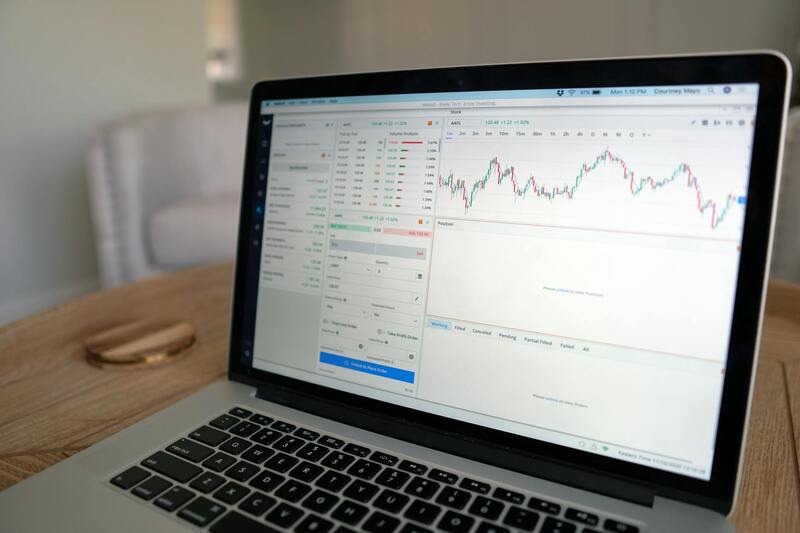
Regulatory Frameworks and Compliance Standards
Prop trading firms often operate under comprehensive compliance programs designed to meet the requirements established by regulatory agencies. These include policies for anti-money laundering (AML), know-your-customer (KYC) procedures, and market manipulation prevention. Such frameworks help ensure fund safety, protect client interests, and promote market integrity.
Licensing and Registration
Many jurisdictions require prop trading firms to obtain specific licenses or registration with relevant authorities before commencing operations. These licenses typically involve rigorous background checks, financial disclosures, and operational audits to validate a firm’s capability to conduct trading activities responsibly.
Operational Conduct and Ethical Standards
Maintaining high ethical standards is essential in prop trading to foster a transparent and fair trading environment. Firms are expected to develop internal policies that prevent conflicts of interest, insider trading, and other unethical practices. Regular training sessions, audits, and internal reporting mechanisms reinforce these standards and ensure compliance throughout the organization.
Risk Management and Reporting Requirements
Regulatory bodies often mandate comprehensive risk management protocols, including daily reporting of trading positions, profit-loss statements, and capital adequacy. These measures improve oversight, enabling authorities to monitor trading activities for signs of excessive risk exposure or market abuse.
Emerging Regulatory Trends
As technological advancements reshape trading environments, regulatory frameworks are evolving to address new challenges. Increased focus on cybersecurity, algorithmic trading oversight, and real-time surveillance enhances the integrity and transparency of prop trading activities. Firms must stay abreast of these changes to ensure ongoing compliance and operational resilience.