
What Is Prop Trading?
Proprietary trading, commonly known as prop trading, refers to a financial firm's practice of trading stocks, bonds, commodities, derivatives, or other financial instruments with its own money rather than on behalf of clients or external investors. This approach allows firms to directly participate in market activities using their capital, aiming to generate profits from market movements, disparities, or other trading opportunities. Core to prop trading is the principle that the firm's financial resources are at stake, which aligns the interests of traders and the company in pursuit of profit maximization.

Unlike investment or wealth management services that handle client funds, prop trading firms allocate their own resources to attempt to capitalize on market fluctuations. Traders working within these firms are often given access to sophisticated tools, advanced algorithms, and a significant amount of capital, enabling them to execute large volume trades that can influence market dynamics.
The primary goal in prop trading is profit generation through active trading strategies that leverage the firm's financial strength and market expertise. This model provides firms with an opportunity to diversify revenue streams beyond traditional investing activities, creating a competitive edge in fast-moving financial markets.
How Prop Trading Differs from Other Trading Types
Proprietary trading (prop trading) stands out distinctly from retail trading and institutional trading due to its operational focus, capital allocation, and strategic objectives. While retail traders typically operate individual accounts using personal funds and investment strategies geared toward long-term wealth accumulation, prop trading involves firms using their own capital to engage in high-frequency, short-term, and often high-risk trading activities. The primary aim is to capture quick profits through exploiting market inefficiencies, price disparities, or momentum shifts.
In contrast to institutional trading, which often manages large pooled funds on behalf of clients, prop trading firms do not manage external assets. Instead, they solely utilize company-owned capital, enabling greater flexibility in decision-making and risk management. This independent stance allows proprietary firms to pursue aggressive trading strategies that might be restricted under regulated client management frameworks.
Moreover, prop trading firms frequently employ advanced trading technologies and algorithmic systems to automate decision-making, optimize execution speed, and mitigate human biases. This technological edge, combined with substantial financial resources, permits traders in prop firms to execute strategies that are often unfeasible within retail environments.
Another notable difference lies in the risk models. Prop traders usually operate under strict risk controls but have the discretion to take leveraged positions, aiming to maximize their and the firm's profits within predefined limits. Retail traders, on the other hand, often face constraints regarding leverage and trading instruments, dictated by broker policies and individual risk tolerance.
The strategic emphasis in prop trading revolves around active, high-volume trading with an eye toward short-term gains, whereas retail trading might center around long-term investment principles. Proprietary firms continually adapt to market trends, leveraging proprietary analytics, high-speed data feeds, and sophisticated algorithms, which are less accessible to typical retail market participants.
Understanding these differences helps clarify why prop trading remains a specialized and dynamic component within broader financial markets, attracting traders eager to operate at the cutting edge of trading technology and capital deployment.

Understanding the Core Principles of Prop Trading
Proprietary trading, commonly known as prop trading, revolves around firms trading their own capital to generate profits. This activity involves a firm equipping skilled traders with financial resources, enabling them to implement complex trading strategies across various financial instruments, including equities, commodities, currencies, and derivatives. The fundamental aim is to capitalize on market movements through advanced trading techniques without the direct involvement of client funds, focusing on the firm's risk-reward profile.
At its heart, prop trading operates on the premise of deploying surplus capital to exploit market inefficiencies. Traders, often specialists in specific markets or asset classes, leverage sophisticated analytical tools and cutting-edge technology to identify lucrative opportunities. Their approach is proactive, emphasizing rapid decision-making and high-volume trading activities that are typically far beyond conventional retail trading capabilities.
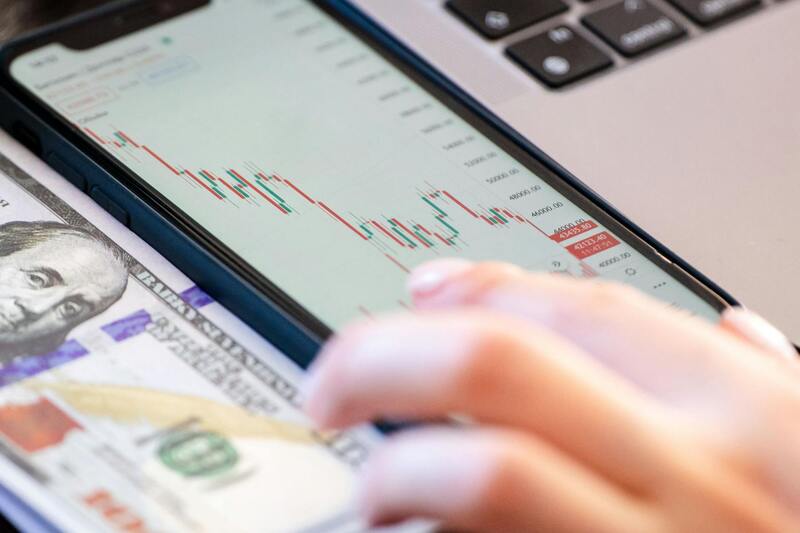
Distinctive Features of Prop Trading Operations
- Autonomy in Decision-Making: Prop traders operate with considerable independence, often developing proprietary strategies tailored to current market conditions.
- Leverage Utilization: To amplify potential gains, traders frequently employ leverage within preset limits, allowing for larger positions than retail accounts typically permit.
- High-Speed Technology: Access to real-time data feeds, algorithm-driven trading systems, and sophisticated execution platforms provides a competitive edge.
- Risk Management Frameworks: While leveraging significant capital, firms enforce strict risk controls to contain potential losses, ensuring sustainability of operations.
- Focus on Short-Term Gains: Unlike long-term investment strategies, prop trading predominantly seeks rapid, short-term profit opportunities through tactical trades.
Operational Environment of Prop Trading
Proprietary trading firms typically maintain a specialized infrastructure designed to support high-frequency and low-latency trading. Traders work within disciplined frameworks that include predefined risk parameters, profit targets, and performance metrics. The organizational culture often emphasizes innovation, continuous strategy refinement, and the effective use of technology to stay competitive.
This environment fosters a unique ecosystem where skilled traders and advanced technological resources collaborate to navigate market complexities efficiently. Such settings enable firms to respond swiftly to market developments, capitalize on fleeting opportunities, and optimize overall profitability.
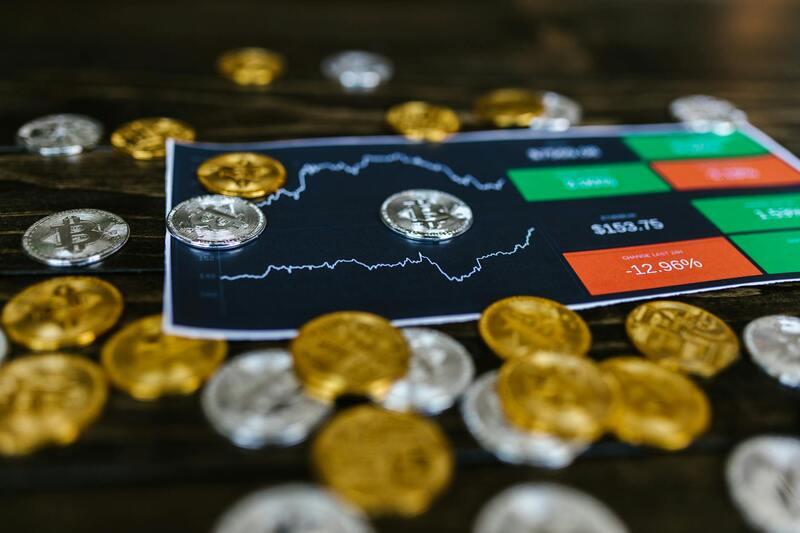
Roles and Responsibilities in Prop Trading
Prop traders play a pivotal role within proprietary trading firms, bearing the responsibility of managing trading operations with a focus on maximizing returns while adhering to the firm's risk management standards. These professionals are typically skilled market participants who utilize advanced analytical tools, market knowledge, and strategic execution to identify and capitalize on profitable opportunities across various asset classes. Their responsibilities extend beyond simply executing trades; they are tasked with developing and refining trading strategies based on market conditions, macroeconomic factors, and technical analysis.
Within a prop trading environment, traders often operate within predefined risk parameters to ensure the firm's capital is protected. This involves setting clear position limits, stop-loss orders, and profit targets aligned with the firm’s risk appetite. Traders must continuously monitor market movements, adjust their positions as markets evolve, and respond swiftly to emerging opportunities or threats. This active management requires a deep understanding of market structures, order flow dynamics, and the technical intricacies of trading platforms.
A key aspect of their responsibility involves maintaining discipline. Given the fast-paced nature of prop trading, emotional control and adherence to strategic plans are crucial to prevent impulsive decisions that could lead to significant losses. Moreover, traders are often required to keep detailed records of their trading activities for performance assessment and ongoing compliance with internal policies. Consistent performance review enables traders to identify strengths and refine weaknesses, fostering a cycle of continuous improvement.
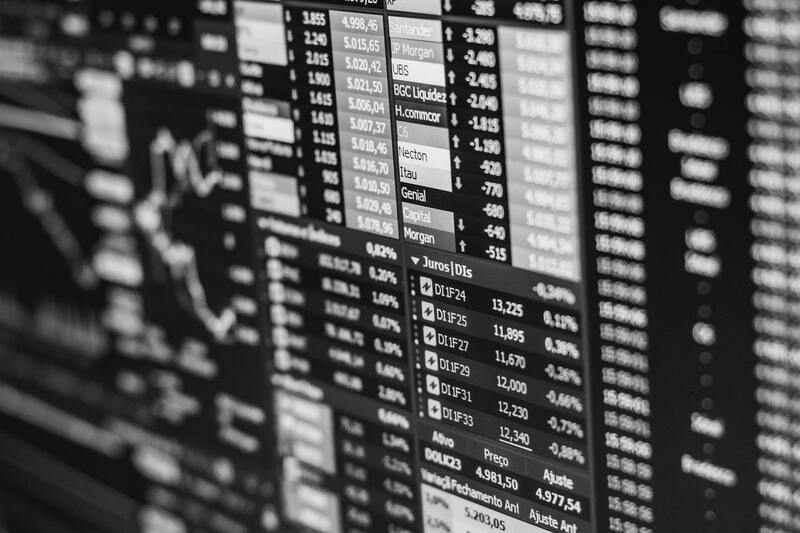
Since prop trading firms typically operate with high leverage, managing risk becomes even more critical. Traders employ rigorous risk controls such as real-time exposure monitoring, algorithmic stop-loss triggers, and scenario analysis to mitigate potential losses. Successful prop traders possess a combination of technical skill, market intuition, and disciplined risk management practices. They often collaborate closely with quantitative analysts and risk managers to refine trading strategies and optimize performance.
Beyond individual performance, traders contribute to the overall health of the firm by sharing insights and collaborating on strategic innovations. This synergy fosters a dynamic trading environment where continuous learning, technological adaptation, and disciplined execution are emphasized. The responsibility borne by prop traders underscores the professional complexity of prop trading, which demands both advanced technical proficiency and a steadfast commitment to risk management principles.
Roles and Responsibilities in Prop Trading
Within proprietary trading firms, traders assume multifaceted roles that extend beyond mere market speculation. Their primary responsibility is to develop and execute trading strategies that generate profit while adhering to firm-specific risk parameters. This requires a deep understanding of various financial instruments, market mechanics, and technological tools used for analysis and execution.
Traders are tasked with constant market monitoring, analyzing price movements, and assessing news and macroeconomic indicators that may influence asset prices. An essential component of their role involves maintaining discipline to follow pre-established trading plans and risk management protocols, especially given the high leverage environment typical of prop trading.
Additionally, traders are often responsible for maintaining detailed records of their trades, including entry and exit points, position sizes, and justification for each decision. These records serve multiple purposes: they enable performance evaluation, support ongoing strategy refinement, and ensure compliance with internal policies and risk limits. Collating and analyzing trading data allows traders and risk managers to identify patterns, adjust strategies, and optimize overall trading performance.
In most prop trading environments, traders collaborate with quantitative analysts and risk managers to refine algorithms and adjust portfolio exposures proactively. This teamwork fosters a culture of data-driven decision-making and continuous improvement. The ability to work effectively within such a structured, collaborative setting is key to a trader’s success in this domain.
Successful prop traders also demonstrate resilience, emotional discipline, and adaptability. Market conditions often fluctuate rapidly, demanding quick decision-making and strategic flexibility. As a result, traders invest significant effort into ongoing education—keeping abreast of financial innovations, market trends, and regulatory changes—ensuring their skill set remains sharp and relevant.
Types of Prop Trading Strategies
Prop trading firms employ a diverse array of strategies tailored to capitalize on various market opportunities. These strategies can be broadly categorized into short-term, medium-term, and long-term approaches, each with its distinct methodologies and risk profiles.
1. Scalping
Scalping involves executing numerous trades throughout the trading day, aiming to profit from small price movements. Scalpers benefit from high liquidity and tight bid-ask spreads, allowing rapid entry and exit to accumulate modest gains repeatedly. This strategy requires precise timing, quick decision-making, and substantial market knowledge, making it popular among aggressive traders operating in highly liquid markets such as forex, stocks, and futures.
2. Day Trading
Day trading entails opening and closing positions within the same trading day, avoiding overnight risk exposure. Traders focus on technical analysis, chart patterns, and market momentum to identify lucrative entry and exit points. Effective position sizing and disciplined risk management are vital, as the fast-paced environment can lead to significant gains or losses within a short timeframe.
3. Swing Trading
Swing trading targets a timeframe ranging from several days to weeks. Traders analyze technical indicators and fundamental factors to identify short- to mid-term trends, aiming to ride price swings for profit. This approach balances the need for active management with a less intense trading schedule, making it suitable for traders seeking to capitalize on market oscillations with a strategic perspective.
4. Algorithmic and Quantitative Trading
Quantitative strategies rely on algorithms and mathematical models to execute trades automatically. These strategies leverage high-frequency data analysis, statistical arbitrage, and machine learning techniques to exploit market inefficiencies. Prop firms investing in algorithmic trading often develop proprietary models or adapt existing ones, requiring significant technological infrastructure and specialized expertise.
5. Arbitrage and Market Making
Arbitrage strategies exploit price discrepancies between different markets or related instruments, executing simultaneous trades to lock in risk-free profits. Market making involves providing liquidity by quoting both bid and ask prices, profiting from the spread while managing inventory risks. Both strategies demand rapid execution capabilities and sophisticated risk controls, commonly utilized in electronic trading environments.

Each of these strategies requires comprehensive market understanding, disciplined risk management, and continuous performance evaluation. Prop traders often specialize in one or more methods, refining their approach through ongoing research and adaptation to evolving market conditions. Success in these strategies hinges on the trader’s ability to maintain emotional discipline, leverage advanced analytical tools, and operate within well-defined risk parameters, fostering a competitive edge in the dynamic trading landscape.
Roles and Responsibilities in Prop Trading
Within a proprietary trading firm, traders hold a central role in executing the firm’s trading strategies and managing its financial positions. These traders are tasked with analyzing market conditions, developing and implementing trading strategies, and continuously monitoring positions to optimize profitability and mitigate risks. The role requires a keen understanding of market mechanics, technical skills in trading platforms, and a disciplined approach to risk management.
Prop traders often specialize in various asset classes such as equities, commodities, forex, or derivatives. Their responsibilities include conducting in-depth market research, executing disciplined trades based on quantitative models or technical analysis, and adjusting strategies in response to market variations. They must also collaborate closely with analysts, risk managers, and technological teams to ensure that trading activities align with the firm’s overall risk appetite and operational standards.
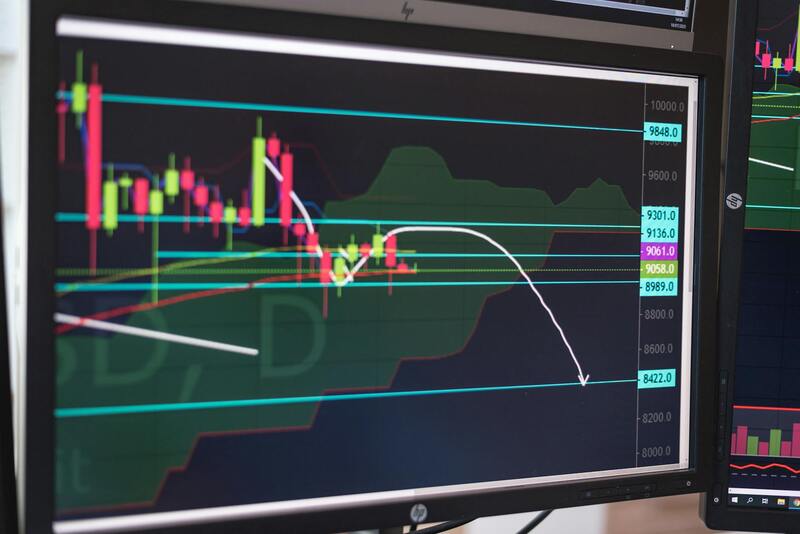
Risk management is a fundamental aspect of a prop trader’s duties. They are responsible for setting daily trading limits, monitoring exposure levels, and employing stop-loss measures to prevent significant losses. Additionally, maintaining a disciplined trading psychology is vital, as emotional control can significantly influence decision-making, especially during high volatility periods.
Traders are also expected to leverage advanced technological tools to execute rapid trades and analyze market data effectively. The use of proprietary trading algorithms or software enables traders to identify opportunities more efficiently and execute trades at optimal prices. Ultimately, their goal is to generate consistent profits while preserving the firm’s capital against market adversities.
Effective communication within the trading team is essential. Traders must report on market developments, performance metrics, and risk exposure, ensuring transparency and strategic alignment. Continuous professional development, including staying current with market news and advancements in trading technology, helps traders adapt strategies to changing conditions and maintain competitiveness.
Understanding the Legal Frameworks Supporting Prop Trading
Prop trading firms operate within a well-established framework that emphasizes strict adherence to policies, procedures, and industry standards designed to ensure transparency and fairness. These frameworks typically outline clear guidelines regarding capital management, risk controls, and trading conduct, enabling firms to maintain accountability and integrity in their operations. Compliance teams within these organizations oversee adherence to internal policies and industry best practices, regularly conducting audits and reviews to identify and rectify any deviations.
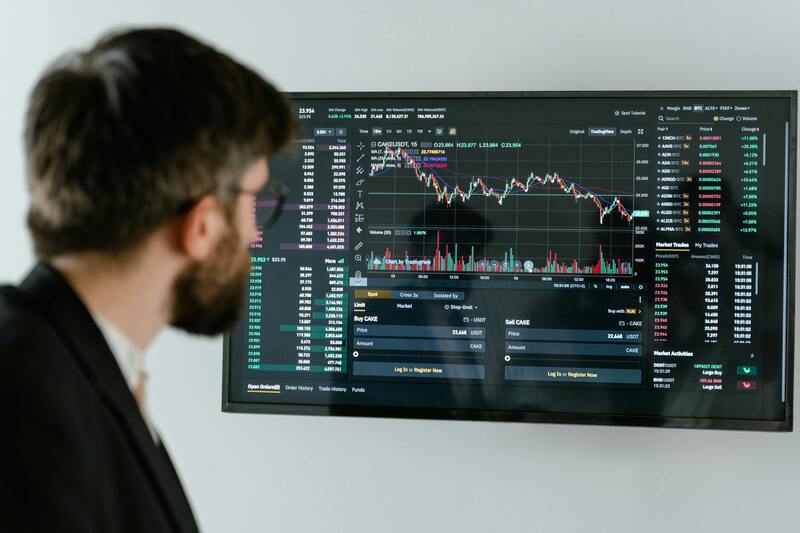
Firms often implement comprehensive risk management protocols that serve as a backbone for operational stability. These include limits on trading exposure, predefined stop-loss thresholds, and ongoing monitoring mechanisms to detect and mitigate potential losses. By establishing such controls, prop trading entities foster a disciplined environment conducive to sustainable profit generation while safeguarding the firm's assets.
Additionally, most proprietary trading companies leverage proprietary technology systems that are designed to meet industry standards for security and operational efficiency. These systems incorporate advanced encryption, secure trading platforms, and real-time reporting tools to ensure data integrity and operational transparency. Such technological safeguards are essential for maintaining trust with clients, regulators, and internal stakeholders.
Certification and Training: Building a Professional Environment
Beyond operational policies, a structured approach to professional development is integral to the industry’s standards. Many firms require traders to undergo rigorous training modules that cover trading strategies, risk management techniques, and compliance regulations. Certifications from recognized financial authorities or professional bodies further enhance a trader's credentials and promote a culture of continuous learning and ethical conduct.
Practitioners are encouraged to stay updated on market regulations, technological advancements, and evolving trading methodologies. Attending industry seminars, participating in workshops, and subscribing to authoritative financial publications are common practices that support this ongoing educational commitment. This proactive approach ensures that staff remains competent and able to adapt to dynamic market conditions while operating within the boundaries of established standards.
The Importance of Ethical Standards and Transparency
Operational integrity is upheld through a strict adherence to ethical standards that govern trading activities. Transparent practices involve detailed record-keeping, clear documentation of trading decisions, and regular reporting to oversight committees. These measures not only foster trust among stakeholders but also serve as a deterrent to misconduct or manipulative practices.
Firms adopting high standards of corporate governance often have codes of conduct that delineate acceptable behaviors and outline the repercussions of breaches. By maintaining such standards, prop trading establishments reinforce their commitments to fairness, accountability, and professionalism—core aspects that sustain their reputation and ensure smooth interactions with regulatory bodies and clients alike.
Monitoring and Auditing Procedures
Strict surveillance mechanisms are integral to the operational fabric of proprietary trading firms. Routine audits, both internal and external, scrutinize trading operations, compliance adherence, and risk management practices. These procedures help identify potential vulnerabilities, ensure ongoing adherence to established standards, and facilitate continuous improvement in trading processes.
Advanced auditing tools and real-time analytics enable firms to track trading patterns and detect anomalies promptly. This proactive approach minimizes the risk of malpractices and reinforces the company's commitment to ethical and transparent trading practices, fostering a secure environment for both traders and stakeholders.
