
Overview of Proprietary Trading Firms in New York
Proprietary trading firms, commonly known as prop trading firms, play a pivotal role in the financial ecosystem of New York City, one of the world's premier financial hubs. These firms engage in the trading of stocks, commodities, derivatives, and other financial instruments using their own capital, rather than client funds. Their primary objective is to generate profits through strategic market positions and sophisticated trading activities.
In the context of New York, proprietary trading firms exert substantial influence on market liquidity, price discovery, and overall market efficiency. They operate within a highly competitive environment, necessitating advanced technological infrastructure, expert knowledge, and innovative trading strategies. These firms often serve as critical players in the ecosystem by providing liquidity and market depth, which benefits investors and other market participants.
The presence of numerous proprietary trading firms in New York underscores the city’s status as a global financial epicenter. They attract top talent from around the world, offering diverse career opportunities in areas such as quantitative analysis, algorithmic trading, risk management, and technological development. Moreover, these firms contribute significantly to New York’s economy through job creation, technological advancements, and the facilitation of financial markets.
Because of their influential position in the trading landscape, proprietary trading firms in New York often employ cutting-edge computing systems, complex trading algorithms, and data analytics to stay ahead in competitive markets. Their strategic decision-making and risk management practices are continuous, innovative, and data-driven, reflecting the dynamic nature of financial markets.

Business Models and Trading Strategies Employed by New York Prop Trading Firms
Proprietary trading firms in New York adopt varied business models tailored to leverage specific market opportunities and capitalize on their unique expertise. The core objective across these models is to generate profit through strategic market positioning while managing risk effectively. These firms utilize a combination of quantitative analysis, technological innovation, and market insight to develop robust trading strategies that can adapt rapidly to evolving financial environments.
Many firms in New York operate on market-making models, where they provide liquidity by quoting both buy and sell prices for securities, thereby facilitating smoother market operations. The profitability of this approach depends on efficient order execution, tight bid-ask spreads, and dynamic inventory management. Firms deploying this strategy typically rely heavily on sophisticated algorithms that analyze real-time data to adjust quotes swiftly, minimizing risk and maximizing transaction volume.
Another prevalent business model involves algorithmic trading, where proprietary algorithms execute high-volume trades at lightning-fast speeds. These algorithms analyze vast datasets, including market, economic, and news data, to identify profitable trading opportunities. High-frequency trading (HFT) is a prominent example, allowing firms to capitalize on small price discrepancies within milliseconds. The success of these strategies hinges on cutting-edge technological infrastructure that ensures minimal latency and optimal execution speed.
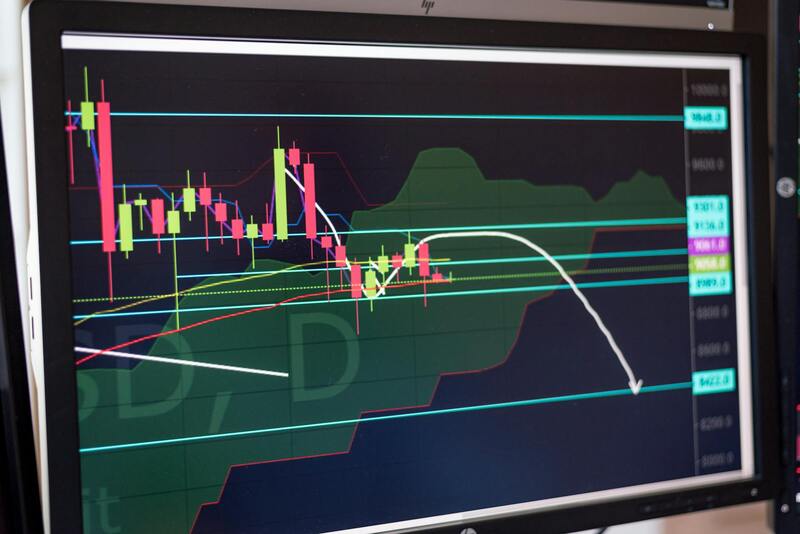
Quantitative trading is also extensively employed, involving the development of mathematical models to inform trading decisions. These models incorporate statistical analysis, machine learning, and predictive analytics to forecast market trends and price movements. Quant traders in New York often work alongside data scientists and technologists, creating complex models that can adjust dynamically to new information, ultimately enabling the firms to stay ahead in competitive markets.
Some firms also pursue a hybrid approach, integrating multiple strategies such as market making, algorithmic trading, and arbitrage. This diversification helps mitigate risks associated with reliance on a single strategy while exploiting a broader range of market opportunities. The constant evolution of these models requires ongoing research, testing, and refinement to adapt to changing market conditions and technological advancements.
Operational efficiency and risk management are integral to these strategies. Proprietary traders in New York employ rigorous risk control protocols, including real-time monitoring systems, pre-trade risk limits, and stress testing. These measures safeguard trading capital, ensure regulatory compliance, and maintain sustainable profitability over time.
The competitive edge of New York-based prop firms often depends on the synergy between their innovative trading strategies and technological infrastructure. Strategic partnerships with technology providers, investment in research and development, and continuous skill development of traders and analysts are central to maintaining their industry standing.
In summary, the business models and trading strategies embedded within proprietary trading firms in New York are characterized by their technological sophistication, adaptive methodologies, and comprehensive risk controls. These elements combine to enable firms to operate effectively within the fast-paced, highly competitive landscape of New York’s financial markets.
Operational Methods and Risk Management in Proprietary Trading
Proprietary trading firms in New York deploy a variety of operational methods to optimize their trading performance while maintaining robust risk management protocols. These firms often implement advanced trading platforms equipped with real-time analytics, enabling traders to make swift, informed decisions. The integration of high-frequency trading (HFT) capabilities allows these firms to capitalize on minute price discrepancies across markets, significantly enhancing their profit potential.
Risk management remains a cornerstone of operations within these firms. They employ comprehensive pre-trade and post-trade risk controls designed to prevent significant losses. Pre-trade limits ensure traders do not exceed predefined risk thresholds before executing trades, while real-time monitoring systems continually assess open positions, ensuring adherence to risk parameters. Such systems are complemented by automated algorithms capable of executing protective measures, such as limiting orders or halting trading in volatile conditions.

To further enhance operational resilience, firms conduct regular stress testing and scenario analysis. These practices simulate extreme market conditions to evaluate the robustness of trading strategies and risk controls. By identifying potential vulnerabilities beforehand, firms can adjust their strategies proactively, safeguarding their capital during market turbulences.
Moreover, many proprietary trading firms in New York foster a culture of continuous innovation. Emphasizing ongoing education, traders and analysts are encouraged to stay abreast of current technological advances and market developments. This approach ensures that trading methodologies evolve in tandem with market dynamics, operational efficiencies are maximized, and risk exposure is minimized.
Technological Infrastructure and Its Role in Trading Excellence
Central to the success of proprietary trading firms in New York is the deployment of sophisticated technological infrastructure. State-of-the-art computing hardware and high-speed data networks facilitate rapid order execution, essential in high-frequency trading scenarios. Advanced algorithms and machine learning models analyze market data to identify profitable trading opportunities, often executing hundreds or thousands of trades within fractions of a second.
The integration of cloud computing resources allows firms to scale their data processing capabilities dynamically, ensuring that they can handle large data volumes efficiently. Data analytics platforms further enhance decision-making processes by providing actionable insights based on historical and real-time information. This technological edge enables firms to adapt swiftly to market changes, implement varied trading strategies, and improve overall profitability.

Partnerships with technology providers and continued investments in R&D remain vital in maintaining a competitive advantage. Teams dedicated to technological innovation continuously test and refine new tools, ensuring the firm's infrastructure remains at the forefront of industry standards. Additionally, cybersecurity measures are rigorously implemented to protect sensitive data and trading algorithms from potential threats, preserving operational integrity and client confidence.
Overall, the integration of advanced operational methods, comprehensive risk management, and cutting-edge technological infrastructure positions proprietary trading firms in New York as leaders in a highly competitive financial landscape. Their focus on innovation and resilience enables them to adapt to evolving market conditions while maintaining a disciplined approach to risk and capital preservation.
Proprietary Trading Strategies Employed by New York Firms
Proprietary trading firms in New York deploy a diverse array of trading strategies designed to capitalize on market inefficiencies, leverage technological advancements, and optimize risk-adjusted returns. These strategies are often meticulously backtested and refined to suit specific asset classes, trading styles, and market conditions.
Quantitative and Algorithmic Trading
Quantitative trading forms the backbone of many prop firm strategies. Involves utilizing sophisticated mathematical models and statistical analysis to identify trading opportunities. These models process vast amounts of historical and real-time data to generate trading signals. Algorithmic trading systems, built on these models, execute orders at high speeds and volumes, minimizing human error and emotion-driven decisions.

Market Making and Liquidity Provision
Market making strategies involve quoting both buy and sell prices for certain securities, profiting from bid-ask spreads while providing liquidity to the markets. Proprietary firms leverage their technological infrastructure to maintain rapid, continuous quotes and adjust them based on market dynamics, which allows them to capture profits across various trading sessions and assets.
High-Frequency Trading (HFT)
HFT strategies focus on executing a large number of trades within fractions of a second. These firms often exploit tiny price discrepancies, arbitrage opportunities, and fleeting market inefficiencies across different venues. Success in HFT relies heavily on ultra-low latency infrastructure and co-location services, positioning servers close to exchange data centers to reduce transmission times.
Fundamental and Event-Driven Strategies
Some firms combine quantitative methods with fundamental analysis, trading on corporate events such as earnings reports, mergers, or macroeconomic data releases. These strategies require deep research capabilities and swift execution to capitalize on market movements triggered by news and economic indicators.
Risk Management and Capital Preservation
All strategies in New York’s prop firms are underpinned by rigorous risk management protocols. These include setting strict position limits, utilizing stop-loss orders, and deploying advanced analytics to monitor portfolio risks dynamically. The goal is to optimize profit generation while safeguarding capital against adverse market scenarios.
Use of Proprietary Trading Software and Data Analytics
Firms invest heavily in proprietary trading platforms that integrate real-time market data, analytical tools, and automated execution systems. Continuous enhancement of these platforms ensures they remain capable of adapting to rapidly changing market conditions. Data analytics drive the decision-making process, enabling firms to discover new trading opportunities and refine existing strategies.

Proprietary Trading Firms in New York: Legal and Operational Frameworks
Proprietary trading firms in New York operate within a structured ecosystem that emphasizes transparent and well-defined procedures for trading activities. These firms utilize official channels for executing trades, ensuring adherence to established market standards and protocols. The operational processes involve rigorous research, data validation, and systematic back-testing of trading algorithms before deployment in live markets. This process helps maintain consistency and reliability in trading practices, fostering confidence among stakeholders and compliance bodies.

Firms typically collaborate with regulated exchanges and utilize commercially available trading platforms that conform to official standards. These platforms facilitate secure order execution, risk management, and real-time monitoring, which are critical for adhering to operational protocols. Additionally, firms participate in verified market data feeds and receive timely updates from regulator-approved vendors, ensuring data integrity and operational transparency.
Official Methods and Compliance Protocols
- Use of Accredited Trading Software: Proprietary trading firms rely on licensed trading platforms that are compliant with industry standards, enabling efficient and compliant trade execution.
- Data Security Measures: To protect sensitive information, customer and proprietary data are managed through secure channels, employing encryption and secure access controls in accordance with institutional policies.
- Regular Audits and Reporting: Many firms undergo scheduled audits and submit compliance reports to regulatory bodies, demonstrating operational integrity and adherence to proven protocols.
- Training and Certification: Trading personnel are often trained and accredited in official trading procedures and compliance requirements, ensuring consistency in operational execution.
- Integration with Clearing and Settlement Services: All trades are processed through official clearinghouses, ensuring proper settlement and documentation that align with regulatory standards.
Technological Foundations Supporting Legitimate Trading Activities
Successful proprietary trading firms leverage sophisticated, often proprietary, trading systems designed and maintained by professional developers. These platforms are built on robust architectures optimized for speed, accuracy, and reliability. Data feeds are sourced from reputable vendors that supply verified market information. Furthermore, firms emphasize the use of verified algorithms grounded in statistical analysis and risk management principles, aligning with official procedures and best practices.
Security is paramount; firms employ multi-layered cybersecurity protocols to safeguard proprietary data, client information, and trading algorithms. Encryption, firewalls, and intrusion detection systems are standard features integrated into the technological infrastructure. Furthermore, firms participate in ongoing internal and external audits to validate system integrity and ensure continuous compliance.
Operational and Collaborative Practices
- Engagement with Regulated Financial Institutions: Partnerships with clearing firms and financial institutions ensure all trades are executed within an authorized framework, facilitating transparency and auditability.
- Adherence to Market Hours and Reporting Standards: All trading activities are conducted within official market hours, with comprehensive records maintained for regulatory review and internal analysis.
- Ethical Trading Standards: Proper conduct protocols guide trade execution to prevent manipulative or deceptive practices, in line with documented procedures and industry norms.
- Documentation and Record-Keeping: Firms maintain meticulous records of trades, operational activities, and compliance documentation, facilitating easy verification and review.
These standardized and official methods underpin the integrity of proprietary trading activities in New York, ensuring that operational practices remain transparent, compliant, and resilient amid evolving market dynamics.
Business Models and Trading Strategies
Proprietary trading firms in New York employ a diverse array of business models driven by innovation and competitive advantage. These firms typically invest proprietary capital into a variety of asset classes, including equities, options, futures, and foreign exchange, utilizing sophisticated trading algorithms and quantitative models. The core strategies revolve around market making, arbitrage, momentum trading, and algorithmic execution, all optimized through data-driven decision-making processes.
Many firms adopt a hybrid approach, combining human insight with automated systems. Human traders and quantitative analysts develop and refine trading algorithms, which are then executed by high-speed trading platforms capable of capitalizing on fleeting market opportunities. This synergy between human expertise and technological prowess enables firms to maintain agility and adapt to rapidly changing market conditions.

Risk management remains integral to business models, with firms employing real-time monitoring and sophisticated hedging techniques to mitigate potential losses. Position sizing, stop-loss orders, and portfolio diversification are standard practices, ensuring that exposure aligns with internal risk thresholds and market conditions. These measures foster a disciplined trading environment that balances profit potential with risk containment.
Operational and Collaborative Practices
Proprietary trading firms enforce strict operational protocols grounded in official guidelines and industry best practices. They engage with regulated financial institutions, including clearing firms and exchanges, to facilitate transaction transparency and compliance with reporting standards. All trades executed are meticulously recorded, with detailed logs and documentation ensuring traceability and accountability.
Within their operational frameworks, firms prioritize security and integrity. Multi-layered cybersecurity systems protect sensitive data, proprietary algorithms, and client information. Encryption technologies, firewalls, and continuous system audits contribute to the safeguarding of critical assets. Trading activities strictly adhere to market hours, with real-time monitoring to ensure compliance with established standards.
In addition, external audits and internal reviews are integral components of compliance management. These evaluations validate that operational practices conform to market regulations and uphold industry standards. Firms also maintain comprehensive records of trading activities, operational procedures, and compliance documentation, enabling seamless verification and fostering trust among stakeholders.
Technological Infrastructure and Innovation
Technological innovation forms the foundation of prop trading firms' success in New York. High-performance computing systems, low-latency networks, and advanced data analytics are utilized to enhance trading execution and decision-making precision. Cloud computing platforms and data warehouses facilitate the analysis of expansive datasets, supporting quantitative research and model development.
Automation tools streamline workflow processes, from order placement to risk assessment, reducing human error and increasing execution speed. Machine learning algorithms are increasingly integrated to adapt trading strategies in real-time, providing a competitive edge. Robust cybersecurity measures are continuously upgraded to counter evolving threats, ensuring the integrity and confidentiality of proprietary information.
Future Trends and Industry Outlook in New York
As technology continues to evolve, proprietary trading firms in New York are poised to adopt increasingly sophisticated tools such as artificial intelligence, blockchain, and quantum computing. These innovations are expected to revolutionize trading strategies, enhance risk management, and improve operational efficiency.
The shift towards sustainable investing and environmental, social, and governance (ESG) criteria is shaping proprietary trading activities. Firms are incorporating ESG metrics into their models, aligning trading strategies with broader societal values and investor preferences.
Regulatory frameworks are also expected to develop further, emphasizing transparency and ethical standards. Continuous adaptation to these evolving requirements will be essential for firms seeking to maintain competitive relevance and operational excellence in the dynamic New York financial marketplace.
Regulatory Environment and Compliance
Proprietary trading firms operating in New York must adhere to a complex network of regulatory standards designed to ensure transparency, operational integrity, and market stability. These standards are not only set by federal agencies but also involve state and industry-specific organizations that oversee trading activities, risk management practices, and corporate governance.
Key regulatory bodies include the U.S. Securities and Exchange Commission (SEC), the Financial Industry Regulatory Authority (FINRA), and the Commodity Futures Trading Commission (CFTC). Firms are required to maintain comprehensive records of their trading activities, implement rigorous risk controls, and establish internal compliance programs to detect and prevent misconduct.
Adherence to these regulations is facilitated through advanced compliance management systems integrated into daily operations. These systems monitor trading activities in real-time, flag potential issues, and ensure that all trades comply with applicable rules and standards.

In addition to federal regulations, many firms voluntarily adopt industry best practices to enhance transparency, such as participating in voluntary audits and collaborating with regulatory bodies on industry-wide initiatives. This proactive approach helps develop a resilient trading environment, minimizes compliance risks, and fosters trust among clients and partners.
Anti-Money Laundering and Market Fairness Measures
Prop trading firms also rigorously enforce anti-money laundering (AML) policies, which include customer due diligence procedures and transaction monitoring. These initiatives prevent illicit financial flows and reinforce market fairness — critical factors in maintaining the firm’s reputation and operational stability.
Continuous Training and Internal Governance
Given the dynamic regulatory landscape, ongoing staff training regarding compliance protocols is essential. Firms invest in comprehensive education programs that update traders and staff on emerging regulations, ethical standards, and technological safeguards — ensuring that compliance remains integral to the company culture.

Technological Infrastructure and Innovation
Proprietary trading firms in New York heavily depend on advanced technological infrastructure to sustain competitive advantages in fast-paced financial markets. Cutting-edge trading platforms, high-frequency trading algorithms, and data analytics tools form the backbone of operations, enabling traders to execute large volumes of transactions with minimal latency. Many firms invest extensively in state-of-the-art hardware — including co-located servers near major exchanges — to optimize order execution speed and reduce network delays.
Artificial intelligence and machine learning are increasingly integrated into trading strategies, allowing firms to analyze enormous datasets for market patterns, price movements, and sentiment analysis. These innovations facilitate predictive modeling, enabling traders to anticipate market trends more accurately and adjust their positions proactively. Continuous technological development ensures that proprietary trading firms maintain their edge in market efficiency and profitability.

Security Protocols and Data Integrity
Robust cybersecurity measures are integral to protecting sensitive trading data and financial information. Firms deploy multi-layered security protocols, including encryption, intrusion detection systems, and regular vulnerability assessments, to defend against cyber threats. Ensuring data integrity is paramount for maintaining operational reliability and trust among clients and partners.
Technological Adaptability and Future Readiness
Staying ahead in a rapidly evolving tech landscape requires continuous adaptation. Proprietary trading firms in New York often establish dedicated innovation labs and collaborate with fintech startups to pilot emerging technologies. Such initiatives not only enhance existing trading systems but also prepare firms for future shifts in market dynamics, regulatory requirements, and technological advancements.
