Overview of Proprietary Trading Systems
Proprietary trading systems are sophisticated software platforms specifically designed to facilitate trading activities conducted by proprietary trading firms. These systems serve as the backbone for executing, managing, and analyzing trades across various financial markets, including equities, forex, commodities, and derivatives. By leveraging these advanced platforms, prop trading firms can optimize their trading strategies, enhance operational efficiency, and increase profitability.
At their core, proprietary trading systems integrate real-time market data, order execution capabilities, and risk management tools into a unified environment. This integration allows traders to respond swiftly to market fluctuations, execute trades with precision, and monitor their positions continuously. The importance of such systems extends beyond mere execution; they provide the analytical framework necessary for developing and refining trading strategies that yield consistent results in volatile markets.

The effectiveness of a proprietary trading system directly impacts a firm's profitability and competitiveness. Efficient systems reduce latency, minimize errors, and improve the overall trading experience. These platforms are also vital for maintaining detailed records of trading activities, generating performance reports, and complying with regulatory standards—ensuring that the firm remains agile and compliant in a complex trading environment.
Role within Proprietary Trading Firms
Within prop trading firms, proprietary trading systems act as strategic tools that empower traders and analysts to exploit market opportunities swiftly and accurately. They encompass essential functionalities such as algorithmic trading, risk assessment modules, and automated order management. By streamlining these processes, the systems reduce manual intervention, allowing traders to focus on strategic decision-making rather than operational tasks.
Moreover, the scalability of proprietary trading systems enables firms to expand their trading activities without compromising on speed or reliability. This adaptability is crucial in today's fast-paced markets where milliseconds can determine profitability.
Key Attributes and Importance
- Speed and Efficiency: Enables rapid trade execution and data processing.
- Strategic Flexibility: Supports diverse trading strategies, including algorithmic and high-frequency trading.
- Data-Driven Insights: Facilitates real-time analytics for informed decision-making.
- Robust Risk Management: Integrates real-time risk assessment tools to safeguard capital.
- Compliance Readiness: Assists in generating detailed logs and reports for regulatory adherence.
Overall, the proprietary trading system is a vital infrastructure component that bolsters a firm's ability to operate effectively, adapt swiftly to market changes, and maximize trading profitability through technological excellence.
Core Components of a Proprietary Trading System
Building an effective proprietary trading system demands a comprehensive integration of key components that work seamlessly to facilitate optimal trading performance. These components encompass advanced trading algorithms designed for rapid decision-making based on real-time market data, ensuring traders can execute strategies with precision. Access to high-quality data feeds is fundamental, providing continuous streams of information about market prices, order book dynamics, and economic indicators which inform trading decisions.
Risk management modules form the backbone of a resilient trading system, enabling continuous monitoring of exposure levels, automated stop-loss orders, and alert mechanisms for unusual activity. This proactive approach to risk minimization is essential in maintaining trading integrity and safeguarding capital during volatile market conditions.
Execution infrastructure is equally critical, comprising fast, reliable order routing mechanisms that connect the trader's interface with global exchanges. This infrastructure minimizes latency, ensuring trades are executed promptly, a crucial factor in high-frequency trading environments.
Additionally, comprehensive software interfaces and analytics tools help traders and analysts understand market trends, evaluate trading strategies, and optimize performance through detailed reports and visualizations. These elements collectively contribute to building a robust proprietary trading platform capable of adapting to evolving market dynamics.
Development and Customization Processes
Creating a proprietary trading system tailored to specific trading strategies involves meticulous development phases, starting from initial design to implementation. Development teams often employ agile methodologies to iteratively develop and test modules, ensuring each component aligns with the firm's objectives. Customization tailored to individual trading styles allows firms to modify algorithms, risk parameters, and user interfaces for enhanced efficiency.
The process includes rigorous backtesting—where strategies are tested against historical market data to assess performance and viability. Once validated, systems undergo forward testing in simulated live environments to gauge real-time responsiveness and stability. Continuous refinement based on testing outcomes helps optimize the system’s effectiveness.
Furthermore, integration with existing institutional infrastructure—such as data warehouses, compliance systems, and external data providers—is crucial for seamless operation. Ongoing updates and scalability considerations ensure the system adapts to market advancements and regulatory changes, maintaining competitive advantage.
Technology Infrastructure and Data Handling
A robust technology infrastructure supports the complex workflows within proprietary trading systems. This includes high-performance servers, low-latency communication networks, and scalable storage solutions that handle vast amounts of market data efficiently. Cloud computing options are increasingly popular for their flexibility and ability to scale resources dynamically, catering to fluctuating trading volumes.
Data handling encompasses acquiring, processing, and storing high-frequency data, which requires sophisticated data pipelines equipped with real-time processing capabilities. Ensuring data integrity and timeliness is essential for accurate decision-making. Data security protocols, including encryption and access controls, protect sensitive information from unauthorized access or breaches.
In addition, compatibility with third-party data providers and APIs enhances the system’s ability to incorporate diverse information streams, fostering a comprehensive market view crucial for strategic trading activities.
Risk Management and Compliance Features
Effective risk management is embedded in proprietary trading systems through automated controls that monitor exposure levels and enforce trading limits. Real-time analytics identify abnormal activities, enabling immediate action to prevent losses. Integration of stress testing and scenario analysis tools allows firms to evaluate their resilience against adverse market conditions.
Compliance features are integral to ensuring adherence to regulatory requirements. Automated reporting systems generate detailed audit trails, transaction logs, and risk reports, assisting firms in maintaining transparency and accountability. These modules are designed to adapt swiftly to regulatory changes, minimizing operational disruptions.
By leveraging these features, firms can safeguard their operations against unforeseen violations or market irregularities while maintaining a disciplined trading approach.
Performance Optimization and Backtesting
To achieve continuous improvement, proprietary trading systems incorporate extensive performance analytics and backtesting capabilities. Backtesting allows strategies to be evaluated under historical conditions, identifying potential flaws and optimizing parameters before deployment. When applied correctly, this process helps refine algorithms for better future performance.
Real-time performance monitoring complements backtesting, offering insights into live trading efficacy. Metrics such as trade execution speed, profit/loss ratios, and drawdowns are tracked meticulously. Advanced machine learning techniques are increasingly utilized to analyze performance data, uncovering patterns that can inform strategic adjustments.
This continuous cycle of testing, analyzing, and refining ensures the proprietary trading system remains competitive, adaptable, and aligned with evolving market conditions.
Security and Maintenance of a Trading System
Maintaining a secure trading environment involves implementing comprehensive cybersecurity measures, including firewalls, intrusion detection systems, and regular vulnerability assessments. Ensuring data safekeeping and preventing unauthorized access are priorities, particularly given the sensitive nature of financial transactions.
Routine maintenance routines encompass software updates, hardware inspections, and system performance evaluations. Prompt patching of software vulnerabilities minimizes risks inherent to technological systems. Establishing robust backup solutions safeguards data integrity against unforeseen failures.
Operational redundancy, such as failover systems and disaster recovery plans, ensures continuous trading capabilities even in adverse situations. Proper maintenance of these components keeps the system resilient amid technological or environmental challenges.
Development and Customization Processes
Creating a proprietary trading system involves a strategic blend of in-house development, integration of third-party tools, and extensive customization to meet specific trading objectives. Many trading firms invest heavily in dedicated software teams that design and refine algorithms tailored to their unique market approaches, ensuring they capitalize on niche opportunities and mitigate risks effectively. Customization allows firms to adapt the core platform to different asset classes, trading styles, and risk appetite, optimizing performance under various market conditions.
In some cases, firms opt to incorporate sophisticated third-party trading software solutions, enhancing functionalities such as order execution, risk monitoring, and data analysis. These integrations often require substantial adjustments to ensure seamless operation within existing infrastructure, accompanied by rigorous testing phases to verify system stability and responsiveness.

The customization process typically encompasses the configuration of trading algorithms, parameters for risk thresholds, and interfaces for real-time data feeds. Firms frequently utilize proprietary programming languages or leverage advanced APIs, referencing extensive market data to refine their algorithms continually. This iterative process may involve backtesting historical data, forward testing in simulated environments, and live deployment with controlled risk settings to ensure optimal performance.
Successful development and ongoing customization hinge on the collaboration between quantitative analysts, software engineers, and risk managers. This cohesive effort ensures that the proprietary trading system remains aligned with strategic objectives, complies with regulatory standards, and adapts swiftly to shifts in the market landscape.
Development and Customization Processes
The creation of a proprietary trading system demands meticulous development efforts to ensure it aligns precisely with the firm’s trading strategies and operational requirements. This process begins with identifying the core trading objectives and selecting suitable asset classes, whether equities, commodities, forex, or derivatives. Once these foundational elements are established, software developers and quantitative analysts collaborate to code algorithms that execute trades based on predefined strategies, leveraging specialized programming languages such as C++, Python, or proprietary script languages developed internally.
Customization is a pivotal aspect of proprietary trading systems, requiring adjustments at multiple levels to optimize performance and ensure resilience under various market conditions. These modifications include fine-tuning trading parameters, such as position sizes, stop-loss thresholds, and leverage limits. Firms often employ advanced Application Programming Interfaces (APIs) to connect with external data providers and liquidity sources, enabling real-time data ingestion and order execution.

The customization process typically involves several iterative stages: initial prototyping, backtesting historical market data, forward testing in simulated environments, and incremental live deployments. Backtesting is crucial as it provides insights into how strategies would have performed historically, allowing adjustments before real capital is at risk. Forward testing, often conducted with paper trading or small-scale live trading, verifies the system's responsiveness and stability in current market conditions.
Throughout development, collaboration among quantitative analysts, software engineers, and risk managers is essential. This synergy ensures that trading algorithms are not only optimized for profit but also incorporate risk controls and comply with regulatory standards. Continual refinement based on market feedback and new data helps maintain the system's competitiveness and adaptive capacity.

Technology Infrastructure and Data Handling
Building a robust proprietary trading system hinges on establishing a secure, scalable, and highly responsive technological foundation. This infrastructure forms the backbone that supports complex data processing, rapid order execution, and real-time decision-making essential for high-frequency trading environments. Technical infrastructure involves selecting appropriate hardware architectures, such as high-performance servers and dedicated data centers, to handle large volumes of market data and transaction requests efficiently.
Central to the infrastructure is the integration of advanced data handling systems capable of managing vast streams of market information, including price feeds, order book data, and economic indicators. Firms rely on specialized data management solutions that provide low-latency access and high reliability, ensuring that trading decisions are based on the most current information. Implementing redundant systems and failover protocols enhances system resilience, minimizing disruptions caused by hardware failures or network issues.

Data security is paramount in safeguarding sensitive trading algorithms, client data, and transaction records. Encryption protocols, access controls, and regular security audits help protect against cyber threats. Additionally, firms employ sophisticated network architectures with dedicated lines and Virtual Private Networks (VPNs) to ensure secure, uninterrupted data flow between exchanges, data vendors, and internal systems.
Real-time data ingestion is facilitated by high-capacity APIs and middleware solutions that aggregate market feeds from multiple sources. These data pipelines are optimized for minimal latency, providing traders and algorithms with the latest information exactly when it’s needed most. The architecture also supports advanced analytics, such as pattern recognition and predictive modeling, which bolster trading strategies.
Data Storage and Management
Efficient data storage systems are essential for both historical analysis and compliance requirements. Technologies like distributed databases and data warehouses enable firms to store vast histories of market data securely while allowing fast retrieval for backtesting and analysis. Big data platforms facilitate large-scale processing tasks necessary to refine trading algorithms, perform risk assessments, and generate performance reports.
Operational Continuity and Maintenance
Regular maintenance, system updates, and continuous monitoring are vital to maintaining optimal system performance. Automated alert systems and diagnostic tools enable quick identification and resolution of technical issues before they impact trading activities. Furthermore, comprehensive disaster recovery plans ensure that operations can resume swiftly after unforeseen events, safeguarding capital and market positions.

Security and Maintenance of a Trading System
Ensuring Robust Security Protocols
Maintaining the integrity and confidentiality of proprietary trading systems requires implementing advanced security measures tailored to the high-stakes environment of financial trading. These measures include multi-factor authentication (MFA) to restrict unauthorized access, encryption of sensitive data both at rest and in transit, and rigorous access controls that ensure only authorized personnel can modify critical system components. Regular vulnerability assessments and penetration testing are essential to identify and address potential security gaps before they can be exploited.
Furthermore, comprehensive audit trails are maintained to record all system activities, facilitating transparency and accountability. This layer of oversight supports compliance with internal policies and industry standards, while also enabling swift investigation of any suspicious activity. Continuously updating security patches and employing intrusion detection systems bolster defenses against evolving cyber threats. Endpoint protection on all devices connected to the system ensures that vulnerabilities are minimized, and data breaches are prevented.

Regular System Maintenance and Updates
Proprietary trading platforms necessitate systematic maintenance routines to sustain peak performance and security. Routine software updates address bugs, improve functionalities, and integrate emerging technologies. These updates often include patches for newly discovered vulnerabilities, which are vital given the persistent cyber threat landscape.
System maintenance also involves hardware checks, network performance audits, and database management. Hardware components such as servers, routers, and storage devices are regularly inspected to ensure optimal operation. Network diagnostics help identify bottlenecks or latency issues that could impair trading execution, while database health checks verify data integrity and optimize retrieval speeds.

Disaster Recovery and Business Continuity Planning
In the high-velocity environment of proprietary trading, system downtime can result in significant financial losses. Effective disaster recovery (DR) plans encompass data backup strategies, redundant system architectures, and rapid recovery procedures that guarantee minimal disruption.
Data backups are performed frequently and stored securely in multiple locations to prevent loss due to hardware failure, cyberattacks, or natural disasters. Redundant systems, including load-balanced servers and failover configurations, allow for seamless transition if primary systems fail. Regular testing of DR plans ensures that procedures are effective and that staff are well-prepared to execute recovery efforts swiftly.
Implementing Ongoing Monitoring and Incident Response
Ongoing system monitoring utilizing real-time analytics helps identify anomalies that might indicate security breaches, system malfunctions, or performance degradation. Automated alert systems notify technical teams immediately, enabling prompt action.
An incident response plan delineates specific steps for containment, eradication, and recovery from malicious events or operational failures. Clear communication channels, predefined roles, and escalation protocols minimize response times and mitigate damage.
Security and Maintenance of a Trading System
In the rapidly evolving landscape of proprietary trading, maintaining the security and operational integrity of the trading system is paramount. Robust cybersecurity measures must be integrated into every facet of the system architecture to defend against cyber threats, unauthorized access, and data breaches. This involves implementing multi-layered authentication protocols, end-to-end encryption, and continuous vulnerability assessments.
Regular system updates are critical to patch vulnerabilities and incorporate advancements in cybersecurity technology. These updates include firmware upgrades, software patches, and updates to the underlying operating systems, all of which help close potential security gaps that could be exploited by malicious actors.
Ongoing maintenance practices extend beyond cybersecurity. Routine performance audits, database health checks, and system optimization ensure smooth operations and prevent disruptions during critical trading periods. Maintenance tasks are scheduled during low-traffic windows to minimize impact, and comprehensive logs are maintained for auditing purposes.
Effective system maintenance also involves hardware management, which includes monitoring server health, storage capacity, and network infrastructure. Proactive hardware replacement and upgrades prevent unexpected failures that could compromise trading activities.

Automated systems for threat detection and intrusion prevention form a critical layer in security protocols. These systems continuously analyze traffic, identify anomalies, and trigger alerts to technical teams, enabling swift responses to potential breaches.
Finally, establishing a comprehensive incident response plan is essential. This plan outlines procedures for addressing security incidents, including containment, eradication, and recovery efforts. Clear communication channels and predefined roles help ensure coordinated responses, minimizing potential damage and reducing system downtime.
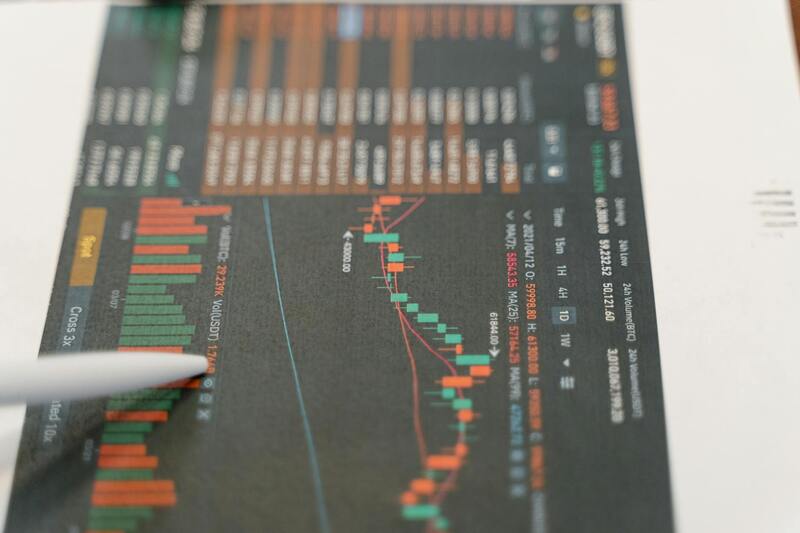
Security and Maintenance of a Trading System
Maintaining the integrity, performance, and security of a proprietary trading system necessitates a comprehensive approach that combines technical safeguards with operational protocols. Regular security audits are fundamental to identifying vulnerabilities within the system, ensuring that access controls, encryption methods, and authentication protocols remain robust against evolving threats. Implementing automated threat detection and intrusion prevention tools allows continual monitoring of network traffic and user activity, promptly flagging suspicious behaviors for immediate investigation.
System health checks and performance assessments are conducted routinely to identify and rectify issues that could impair trading efficiency. These evaluations include monitoring server response times, database performance, and network latency, which are critical during high-volatility trading periods. Scheduled maintenance windows, typically during low-traffic hours, facilitate necessary updates, hardware replacements, and configuration adjustments without disrupting active trading sessions. Detailed logs of maintenance activities and system events serve as valuable resources for audits and troubleshooting.

Hardware and Infrastructure Management
Hardware health management forms a crucial aspect of ongoing system maintenance. It involves vigilant monitoring of server performance, storage capacities, and network infrastructure stability. Proactive hardware upgrades and replacements mitigate the risk of unexpected failures that could severely impact trading activities. Redundant server configurations and failover mechanisms further ensure system availability and minimize downtime in the event of hardware malfunctions.
Disaster Recovery and Business Continuity Planning
Developing and testing comprehensive disaster recovery plans guarantees the swift restoration of trading operations after unforeseen events, such as system failures or cyber incidents. Regular backups of critical data, coupled with secure offsite storage, are essential components of this strategy. These measures enable rapid data recovery, minimizing financial losses and operational disruptions.
Regulatory and Compliance Considerations
While not explicitly discussing legal aspects, it is vital for proprietary trading systems to adhere to prevailing industry standards and internal policies. Maintaining detailed records of system configurations, access logs, and transaction histories supports transparency and accountability. Continuous staff training and adherence to standard operating procedures ensure that operations stay aligned with best practices, fostering a culture of disciplined risk management and operational excellence.