
Overview of Proprietary Trading and Prop Trading Firms
Proprietary trading, commonly known as prop trading, involves firms engaging in trading financial instruments using their own capital, rather than clients' funds. These firms are specialized entities within the financial industry that employ traders to execute a range of strategies—including equities, commodities, foreign exchange, and derivatives—to generate profits for the firm itself. Unlike brokerage firms that facilitate client trades, prop trading firms directly assume risks to capitalize on market opportunities.
Prop trading firms typically operate with sophisticated technological infrastructure, including advanced trading platforms and comprehensive risk management systems. Their primary aim is to leverage their understanding of market movements, technical analysis, and quantitative models to maximize returns. Employees or traders within these firms often operate with defined trading mandates, utilizing both discretionary and algorithmic approaches to develop profitable strategies.

Operationally, these firms focus on identifying and exploiting market inefficiencies, arbitrage opportunities, and leveraging leverage and liquidity to boost gains. The internal culture promotes risk management and disciplined trading, vital to maintaining profitability amidst volatile market conditions. The profit-sharing models often incentivize traders through performance-based rewards, aligning individual success with the firm's overall financial health.
Functions and Operations of Prop Trading Firms
- Market analysis and strategy development
- Execution of proprietary trades across various asset classes
- Use of advanced trading algorithms and machine learning models
- Monitoring and managing risk exposure constantly
- Capital management to optimize trading performance
This internal ecosystem distinguishes prop trading firms from other market participants, positioning them as powerful contributors to financial markets by providing liquidity and facilitating price discovery. As key players in the industry, their roles extend beyond simple trading, involving research, technological innovation, and strategic risk-taking.
The Prop Trading Market in Malaysia
Malaysia has emerged as a notable hub for proprietary trading activity within Southeast Asia, driven by its strategic location, robust financial infrastructure, and supportive economic policies. The market for prop trading firms in Malaysia continues to grow steadily, reflecting increased interest among local traders and international firms seeking a gateway into Asian markets.
According to recent industry assessments, the Malaysian proprietary trading scene is characterized by a diverse array of firms ranging from small startup operations to large, well-established entities with extensive capital reserves. This diversity enables a dynamic environment where innovation and experience coexist, fostering the development of sophisticated trading strategies that span equities, derivatives, forex, and fixed income assets.

Market data indicates that the sector’s annual growth rate has been consistent, buoyed by advancements in trading technology, increased institutional interest, and the ongoing development of the Malaysian capital markets. The regulatory environment has also evolved to accommodate the needs of active trading firms, providing clarity and framework to operate within, while encouraging responsible market participation.
Growth Trends and Technological Adoption
Prop trading firms in Malaysia are increasingly adopting cutting-edge trading algorithms, artificial intelligence, and big data analytics to enhance their competitive edge. Many companies invest heavily in research and development to craft proprietary models that can capitalize on market inefficiencies and arbitrage opportunities across various asset classes.
This technological focus translates into faster execution times, more accurate risk assessments, and improved decision-making processes. Additionally, the proliferation of online trading platforms and connectivity infrastructure has enabled traders to execute complex strategies seamlessly across different markets worldwide.
Regulatory and Market Environment
The Malaysian authorities manage a comprehensive regulatory framework overseen by agencies such as the Securities Commission Malaysia (SC). These guidelines aim to ensure transparency, integrity, and stability within the trading ecosystem. Prop trading firms are required to adhere to strict reporting standards, capital requirements, and conduct standards, fostering confidence among investors and market participants.
Furthermore, Malaysia’s commitment to fostering a conducive environment for financial innovation has led to initiatives that support fintech integration, thereby aiding prop traders in accessing sophisticated tools and infrastructure necessary for high-frequency and algorithmic trading.

Regulations and Legal Aspects for Prop Trading in Malaysia
Operating within the Malaysia financial markets requires adherence to a structured regulatory environment that governs the activities of proprietary trading firms. These guidelines are designed to uphold market integrity, ensure transparency, and promote responsible trading practices across the industry. Prop trading firms must comply with the standards set forth by the Securities Commission Malaysia (SC), which oversees the registration, licensing, and operational conduct of market participants.
To maintain compliance, firms are mandated to implement robust internal control systems that monitor trading activities, manage risk exposures, and prevent market abuse. This includes detailed record-keeping, regular reporting, and adherence to capital adequacy requirements. Such measures foster a disciplined trading environment and uphold the reputation of the Malaysian financial sector.
Additionally, traders operating under these firms are expected to follow ethical guidelines that prevent manipulative practices, insider trading, and other forms of misconduct. The regulatory framework emphasizes the importance of fair and orderly markets by establishing clear boundaries that protect investors and maintain confidence in the trading ecosystem.

Firms seeking to establish or expand their operations in Malaysia should conduct thorough due diligence on the requirements involved in obtaining necessary licenses and permits. This process often involves submitting detailed business plans, demonstrating financial stability, and outlining compliance measures. Engaging legal experts and financial consultants familiar with Malaysian regulations can streamline this process and ensure adherence from inception.
It is vital for prop trading firms to stay updated on legislative amendments and industry standards as regulatory policies evolve with market developments and technological advances. Continuous compliance not only safeguards their operations but also enhances their credibility and attractiveness to sophisticated traders and institutional investors seeking reliable partners.

Approach to Building a Credible and Sustainable Prop Trading Operation in Malaysia
Establishing a prop trading firm in Malaysia involves several strategic steps that emphasize transparency, operational efficiency, and compliance with industry standards. For firms aiming to succeed, a well-structured operational framework is essential, encompassing robust risk management protocols, comprehensive trader training programs, and effective technological infrastructure. A critical component in this process is implementing stringent risk management strategies. These include setting clear risk limits, utilizing advanced trading software to monitor trades in real-time, and maintaining detailed records of all trading activities. Such measures help in controlling exposure, preventing significant losses, and maintaining the firm’s financial health. Equally important is the recruitment and development of skilled traders. Prop trading firms should prioritize hiring candidates with proven experience, strong analytical skills, and a disciplined approach to trading. Continuous education initiatives, such as workshops, webinars, and mentorship programs, contribute to maintaining high trading standards and adapting to market changes.

Photo depicting a professional trading environment with traders actively analyzing data and executing trades.
Technological infrastructure forms the backbone of successful prop trading operations. Investing in state-of-the-art trading platforms, secure data management systems, and reliable internet connectivity ensures that traders can execute strategies efficiently and securely. The integration of advanced analytics and algorithmic trading tools can also enhance decision-making processes, providing a competitive edge. Furthermore, building strong relationships with regulatory authorities and industry associations can facilitate smoother operational procedures and provide support during audits or compliance assessments. Maintaining open communication channels helps in staying updated on policy changes and industry developments, thereby reducing operational risks.
Financial planning and capital allocation are crucial for long-term sustainability. Prop trading firms should adopt transparent accounting practices, establish reserve funds, and plan for economic fluctuations. This financial discipline not only supports ongoing operations but also boosts confidence among investors and traders. Finally, emphasis on ethical conduct and corporate governance is vital. Clear policies against market manipulation, insider trading, and other unethical practices ensure the firm’s reputation remains intact. Upholding high standards of integrity builds trust within the trading community and attracts professional traders committed to responsible trading.
Regulations and Legal Aspects for Prop Trading in Malaysia
Operating a proprietary trading firm within Malaysia requires adherence to a comprehensive regulatory framework designed to maintain market integrity and protect investors. These regulations often encompass licensing requirements, compliance obligations, and robust risk management protocols that ensure the firm's operations align with national and international standards.
In Malaysia, the regulatory oversight of trading activities is primarily managed by the Securities Commission Malaysia (SC). Prop trading firms engaging in activities that involve the trading of financial instruments must secure the appropriate licenses, notably under the scope of securities and derivatives laws. This process involves rigorous due diligence, submission of detailed business plans, and demonstrating effective internal controls.
Ensuring compliance extends beyond licensing. Firms must regularly report their trading activities, maintain accurate records, and implement comprehensive anti-money laundering measures. Risk management policies should include regular stress testing, capital adequacy assessments, and clearly defined procedures to handle unforeseen market disruptions.

Adopting a transparent and systematic approach to governance not only complies with Malaysian regulations but also fosters trust with clients, investors, and regulatory bodies. Firms are encouraged to appoint compliance officers responsible for monitoring adherence to all relevant laws and regulations, providing a proactive stance against potential violations.
Moreover, considering Malaysia's position as a gateway for cross-border trading, firms should understand international standards if they deal with foreign markets. Collaborating with legal experts specializing in financial law can streamline licensing processes and ensure that all operational aspects meet the necessary legal standards.
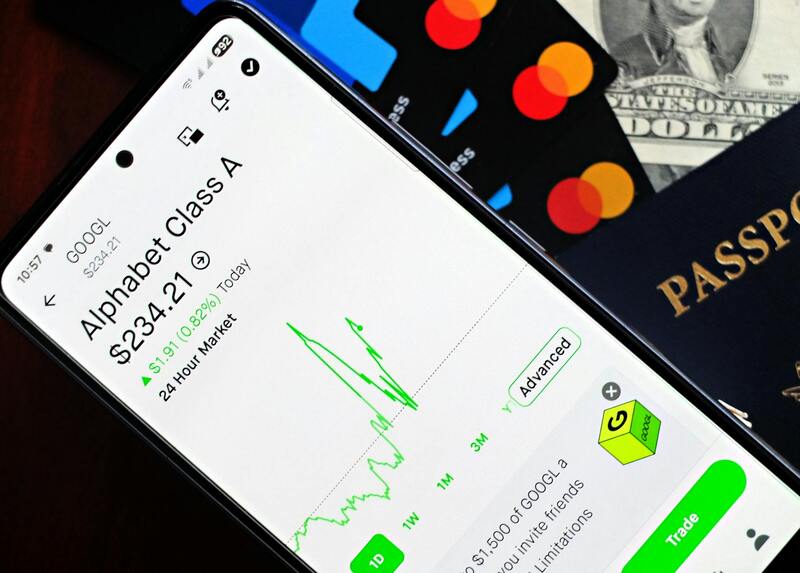
Keeping pace with evolving regulatory requirements necessitates ongoing staff training and updates on legal changes. Companies that prioritize these aspects are better positioned to avoid violations, reduce risks, and build a reputable presence in Malaysia’s competitive trading ecosystem.
Understanding the Business Models of Prop Trading Firms in Malaysia
Prop trading firms in Malaysia adopt various operational models to suit different trading strategies and market niches. These models are primarily designed to optimize profitability, manage risks, and leverage technological advancements to stay competitive in the rapidly evolving financial landscape.
- Proprietary Trading Desks: This traditional model involves traders working directly for the firm, utilizing the company's capital to buy and sell securities. Traders often specialize in specific asset classes such as equities, derivatives, or forex. The firm provides the infrastructure, trading tools, and risk management systems needed to execute high-frequency trading strategies and capitalize on short-term market movements.
- Algorithms-Based Firms: These firms rely heavily on algorithmic and quantitative trading strategies. Advanced mathematical models and computer algorithms make rapid trading decisions, often executing a vast number of trades within fractions of a second. These firms invest heavily in technology development and data analytics to maintain a competitive edge.
- Hybrid Models: Combining elements of both traditional prop trading and algorithmic strategies, hybrid firms utilize human traders complemented by automated systems. This approach allows for flexibility and adaptability, enabling traders to implement discretionary trading strategies alongside automated systems to optimize returns and manage risks effectively.
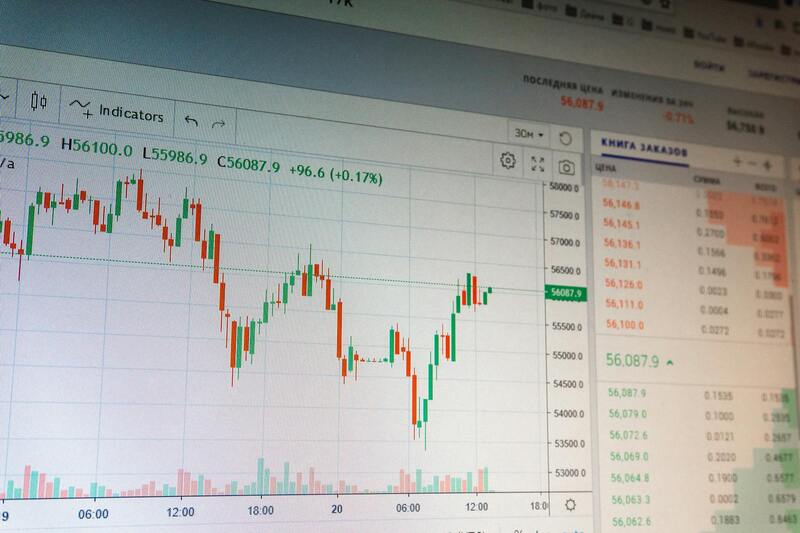
Market Dynamics and Competition within Malaysian Prop Trading
The Malaysian prop trading scene is characterized by a diverse mix of local and international firms competing within a regulatory framework that encourages transparency and innovation. As the market matures, firms are increasingly adopting advanced trading technologies and sophisticated risk management practices to differentiate themselves. Additionally, the country's strategic position as a regional financial hub attracts traders seeking access to broader Asian markets, further intensifying competition.
Emerging trends include the integration of artificial intelligence to enhance trading decisions, the use of big data analytics to identify market anomalies, and the development of proprietary trading platforms tailored to local market conditions. These advancements require firms to maintain high levels of expertise, continuous technological upgrades, and robust mechanisms for compliance and risk mitigation.

Operational Challenges and Strategic Considerations
Despite the promising prospects, prop trading firms in Malaysia face several operational challenges. These include maintaining sufficient capital reserves to absorb market volatility, attracting skilled traders with a deep understanding of local and global markets, and staying compliant with evolving regulatory standards.
Strategic focus often revolves around technological investments, talent development, and risk management enhancements. Firms also need to establish robust internal controls and foster a culture of compliance and ethical trading to build long-term trust with investors and regulatory authorities.
Furthermore, international collaboration and cross-border trading capabilities can provide additional growth avenues, necessitating a comprehensive understanding of international and regional trading standards and legal frameworks. Adequate risk assessment models and real-time monitoring systems are integral in adapting to the high-stakes environment of proprietary trading.
Types of Prop Trading Companies Operating in Malaysia
In Malaysia, the landscape of proprietary trading firms is diverse, encompassing a range of operational models tailored to different trading strategies and investor needs. These firms can broadly be categorized into fully independent proprietary trading companies, which operate solely to trade their own capital, and hybrid firms that combine proprietary trading with assets under management for external clients. Each type plays a crucial role in shaping the market dynamics within Malaysia’s financial ecosystem.
Fully independent prop trading firms typically focus on high-frequency trading, algorithmic strategies, or market-making activities. Their primary goal is to leverage advanced technological platforms and quantitative models to identify and capitalize on short-term market inefficiencies. These firms invest heavily in cutting-edge trading infrastructure, data analytics, and in-house research teams to maintain a competitive edge.

On the other hand, hybrid trading firms in Malaysia often serve dual roles. They not only trade their own capital but also offer managed strategies and trading services to external clients, including institutional investors and high-net-worth individuals. This model requires rigorous compliance systems, transparent risk management protocols, and a comprehensive client relationship framework to ensure operational integrity and trust.
Additionally, some Malaysian prop trading firms specialize in niche markets such as commodities, foreign exchange, or derivatives, tailoring their strategies to exploit specific regional or global market conditions. Their operational setups tend to be more segmented, with teams dedicated to particular asset classes or trading styles, enabling a versatile approach to market opportunities.
Integration with international markets is increasingly vital for Malaysian prop traders, who often deploy cross-border trading strategies through partnerships or subsidiaries abroad. This international orientation necessitates a sophisticated understanding of regional legal frameworks, market regulations, and international trading protocols, further emphasizing the importance of compliance and operational expertise within these firms.

The competitive advantage of Malaysian prop trading firms hinges on their ability to adapt to technological advancements, execute complex strategies efficiently, and maintain rigorous operational standards. As the market continues to evolve with innovations such as artificial intelligence and big data analytics, these companies are poised to expand their influence both domestically and regionally.
To succeed, firms must invest strategically in technology, foster a team of skilled traders and analysts, and uphold operational excellence. This integrated approach not only enhances trading performance but also sustains long-term growth and resilience in an increasingly complex and competitive environment.
Challenges Faced by Prop Trading Firms and Traders in Malaysia
Operating within the prop trading landscape in Malaysia involves navigating a series of intricate challenges that impact both firms and individual traders. One primary obstacle is managing market volatility, which can significantly influence trading outcomes and risk management strategies. Malaysian traders must remain vigilant to economic shifts, geopolitical developments, and regional market fluctuations to adapt their trading methodologies effectively.
Technological integration remains crucial, yet complex. Prop trading firms must continuously upgrade their infrastructure to stay competitive, incorporating advanced analytics, automation, and real-time data feeds. However, these technological advancements demand substantial investments and specialized expertise, which can be prohibitive for smaller firms or emerging traders.
Moreover, talent acquisition poses a persistent challenge. Finding skilled traders with a thorough understanding of regional and global markets, along with proficiency in sophisticated trading platforms, is highly competitive. The training and retention of such talents require attractive compensation packages, ongoing education, and a vibrant trading environment.
Regulatory compliance is another significant aspect, requiring firms to stay updated with evolving frameworks and ensure strict adherence to trading standards and practices. Non-compliance risks include reputation damage, financial penalties, and operational restrictions that can hinder growth.

There are also operational hurdles related to cash liquidity and funding. Prop trading involves high-speed transactions and leverage, which necessitate robust risk management systems to prevent significant financial losses. During periods of market stress, maintaining liquidity and managing leverage become more complex, requiring firms to be prudent in their capital allocations.
Another emerging challenge is the international competition. Malaysian prop traders are increasingly competing with global counterparts, necessitating unique strategies and innovations to gain an edge. This globalized environment compels local firms to continuously refine their trading models and explore new asset classes or markets to sustain profitability.
Finally, external factors such as fluctuations in currency values, regulatory updates, and macroeconomic policies can unexpectedly impact trading environments. Firms must develop resilient strategies that accommodate such uncertainties, ensuring stability and continuous operation amidst these variable conditions.

Overall, while the Malaysian prop trading sector offers significant opportunities, it is equally characterized by its complexity and the necessity for strategic agility. Firms and traders who adapt to technological changes, maintain strict risk controls, and stay compliant with evolving regulations are positioned to overcome these challenges and capitalize on the vibrant trading environment in Malaysia.
