Overview of Cryptocurrency Trading Platforms
Cryptocurrency trading platforms serve as the digital marketplaces where traders can buy, sell, and exchange a variety of digital assets, including Bitcoin, Ethereum, and a broad spectrum of altcoins. These platforms are essential infrastructure for prop trading firms that require reliable, efficient, and secure environments for executing large-volume trades. By providing real-time market data, advanced order types, and comprehensive analytics, cryptocurrency trading platforms empower traders to make informed decisions and execute strategies swiftly.
Prop trading firms leverage these platforms to optimize their trading activities, often utilizing sophisticated algorithms and automated systems. A well-designed platform aligns with the high-speed demands of proprietary trading, offering low latency, advanced charting tools, and seamless integrations with other trading systems. As the cryptocurrency ecosystem evolves rapidly, trading platforms remain a crucial component for firms aiming to capitalize on market opportunities while managing risks effectively.
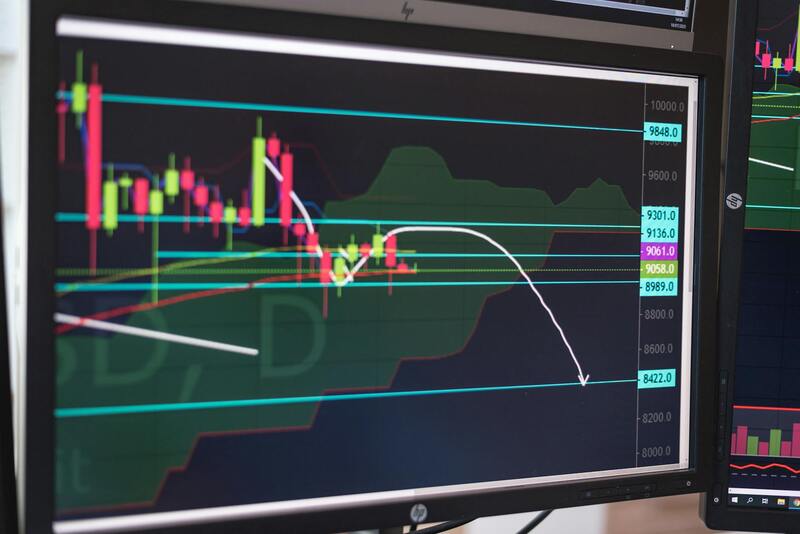
Key Features of Cryptocurrency Trading Platforms
- High-speed execution capabilities to support rapid trading activities.
- Advanced charting and analysis tools for technical strategy development.
- Multiple order types, including limit, market, and stop-loss orders.
- Real-time market data feeds offering insights into price movements and liquidity.
- Customizable user interfaces tailored to trader preferences and operational needs.
- Robust API integrations for automating trading strategies and connecting with proprietary systems.
- Secure login protocols and encryption standards to protect sensitive information.
- Regulatory compliance features to adhere to industry and jurisdiction-specific requirements.
Types of Cryptocurrency Trading Platforms
There are primarily three categories of cryptocurrency trading platforms, each catering to different trading needs and levels of expertise:
- Centralized Exchanges (CEXs): Platforms operated by centralized entities that match buyers and sellers. They typically offer extensive liquidity, a wide range of assets, and user-friendly interfaces, making them popular for prop traders who prioritize ease of use.
- Decentralized Exchanges (DEXs): These platforms facilitate trading directly between users without an intermediary. DEXs provide enhanced privacy and control over assets, appealing to traders focused on autonomy.
- Alternative Trading Venues and Over-the-Counter (OTC) Desks: These are specialized platforms or services that allow for large-volume trades with minimized market impact and slippage, essential for prop firms managing substantial assets.

Key Features of Cryptocurrency Trading Platforms
Professional-grade cryptocurrency trading platforms are distinguished by a suite of features designed to meet the demanding needs of prop trading operations. These functionalities enable traders to execute strategies with precision, manage risk effectively, and maintain operational efficiency across markets.
Advanced Trading Tools and Analytical Capabilities
Effective platforms provide an array of sophisticated trading tools, including real-time charting and technical analysis indicators. These features allow traders to evaluate market conditions swiftly, identify optimal entry and exit points, and execute complex strategies involving multiple order types. Algorithmic trading integrations are also crucial, enabling the automation of trading signals and execution, which is vital for high-frequency trading activities.
Order Types and Execution Speed
Support for diverse order types—such as limit, market, stop-loss, and take-profit orders—offers traders flexibility in managing trades under varying market conditions. High-speed order execution minimizes slippage and ensures trades are executed precisely at intended prices, which is essential in volatile markets.
Robust Security Measures
Given the sensitive nature of digital assets, platforms prioritize security through multi-layered protection protocols. Features like two-factor authentication (2FA), encryption of sensitive data, cold storage options, and advanced anti-fraud systems safeguard assets and personal information. Regular security audits and compliance with industry standards further reinforce trustworthiness.
Integration Capabilities and API Access
Seamless integration with external trading systems, data feeds, and third-party analytics tools enhances operational flexibility. Application programming interfaces (APIs) enable automated trading strategies, real-time data synchronization, and customized workflows, allowing prop firms to optimize their trading infrastructure continually.
Regulatory and Compliance Features
While focusing on trading efficiency, platforms also embed tools to facilitate compliance with industry standards. These include comprehensive audit trails, reporting modules for transaction histories, and compliance checks aligned with jurisdiction-specific requirements. Such features assist firms in adhering to operational regulations without compromising trading innovation.

Overview of Cryptocurrency Trading Platforms
Cryptocurrency trading platforms serve as digital marketplaces where traders can buy, sell, and exchange a wide range of digital assets. These platforms are fundamental to the modern trading environment, providing the infrastructure necessary for executing trades efficiently and securely. They vary significantly in terms of features, user experience, security protocols, and technological capabilities, catering to a diverse set of traders from individual investors to large proprietary trading firms.

Typically, these platforms facilitate trading through intuitive web interfaces and mobile applications, ensuring traders can access markets at any time. The core purpose remains the same: allow timely order placement, modification, and execution. Beyond basic trades, advanced platforms incorporate tools such as real-time charts, technical analysis features, and risk management tools tailored to sophisticated traders and prop firms aiming for high-speed, high-volume trading.
Furthermore, many platforms support various order types, including market, limit, stop-loss, and margin trading, providing traders with flexible options to optimize their strategies. Automated trading features, such as algorithmic bots and API integration, are increasingly common, enabling users to implement complex trading strategies without manual intervention. This adaptability makes modern cryptocurrency trading platforms essential in navigating the market's fast-paced and volatile landscape.
Key Features of Cryptocurrency Trading Platforms
The efficiency and reliability of a trading platform hinge on several core features that are critical for both individual and institutional traders, especially prop trading firms with substantial trading volumes and high-frequency requirements.
- Order Execution Speed: High-speed order processing minimizes slippage and ensures trades are executed at precise market prices, which is crucial in volatile conditions.
- Security Protocols: Advanced security measures such as multi-factor authentication (MFA), SSL encryption, and cold storage options protect assets against cyber threats and unauthorized access.
- Advanced Trading Tools: Features like real-time analytics, charting tools, and customizable dashboards support strategic decision-making and rapid response to market changes.
- API and Automation: Robust API support enables seamless integration with proprietary trading systems and automation of trade execution, vital for prop firms operating at scale.
- Regulatory Compliance: Built-in compliance tools, including audit trails and reporting features, help maintain operational transparency and adhere to jurisdictional requirements.
These functionalities collectively empower traders to execute trades efficiently, manage risk effectively, and maintain high standards of security, which are all vital for successful cryptocurrency trading operations.
Illustration of Key Functionalities Embedded in Professional Cryptocurrency Trading Platforms

Overview of Cryptocurrency Trading Platforms
Cryptocurrency trading platforms serve as the primary infrastructure through which traders buy, sell, and manage digital assets. These platforms provide access to various digital currencies, including Bitcoin, Ethereum, and numerous altcoins, enabling traders to capitalize on market movements. They act as centralized hubs that facilitate the execution of trades, market analysis, and portfolio management, often within a single user-friendly interface. Typical cryptocurrency trading platforms include features such as real-time price feeds, order placement tools, and leverage options. Many incorporate advanced analytical and charting tools, allowing traders to identify potential entry and exit points. Additionally, these platforms often support various order types—market, limit, stop-loss—to tailor trading strategies precisely. The availability of multiple trading pairs and access to liquidity pools is essential to ensure seamless trade execution and optimal pricing. Security features are integral to these platforms, safeguarding user funds and sensitive data from unauthorized access and cyber threats. Authentication protocols, encrypted communications, and cold storage solutions are standard practices that reinforce platform integrity.
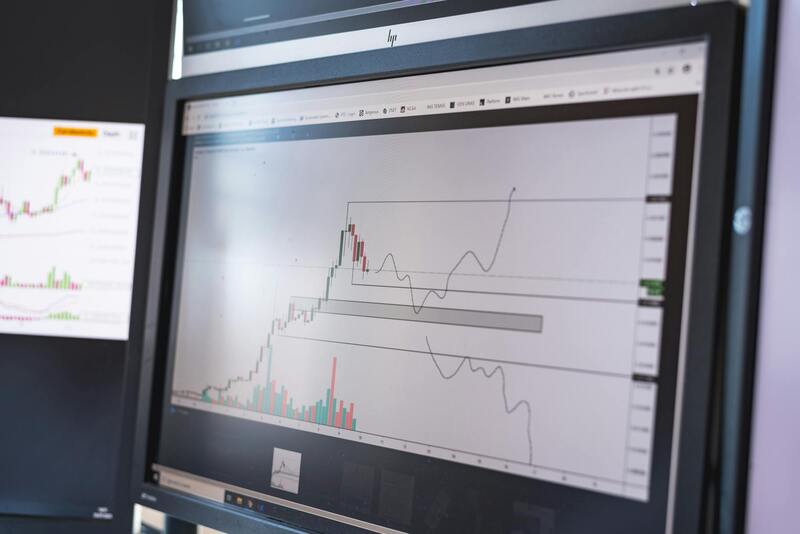
Key Features of Cryptocurrency Trading Platforms
For both individual traders and institutional entities, advanced features enhance trading efficiency and risk management. Among these, high-speed order execution plays a vital role in volatile markets, ensuring trades correspond to current market prices with minimal slippage. Security protocols such as multi-factor authentication (MFA), SSL encryption, and cold wallets protect assets from unauthorized access and cyber-attacks. These platforms also incorporate comprehensive trading tools, including customizable dashboards that display real-time analytics, technical indicator overlays, and charting capabilities. Automated trading features via robust APIs enable algorithmic strategies and seamless integration with proprietary systems. Regulatory compliance tools—such as audit logs, transaction reporting, and identity verification—support traders in meeting jurisdiction-specific requirements while maintaining transparency. Together, these features empower traders to execute precise, secure, and compliant transactions at scale.

Types of Cryptocurrency Trading Platforms
Various types of trading platforms cater to different needs within the cryptocurrency ecosystem:
- Centralized Exchanges (CEXs): These are the most prevalent trading venues, where a central authority manages order books, liquidity, and user accounts. They offer high liquidity, user-friendly interfaces, and extensive trading pairs, making them suitable for most retail and institutional traders.
- Decentralized Exchanges (DEXs): Operating without a central authority, DEXs facilitate direct peer-to-peer transactions using smart contracts. They provide greater privacy and control over assets but may face liquidity and user experience challenges.
- Hybrid Platforms: Combining features of both centralized and decentralized models, hybrid platforms aim to deliver liquidity and security advantages tailored to professional traders and prop firms.
- Proprietary Trading Platforms: Developed specifically for institutional use, these platforms integrate with internal risk management systems, custom analytics, and automated trading tools, providing a tailored environment for high-frequency and high-volume trading activities.
The selection of platform type depends on trading objectives, volume requirements, and security considerations. Prop trading firms particularly favor professional-grade proprietary platforms that optimize execution speed, integration capabilities, and compliance support, enabling them to leverage their trading strategies effectively.
Overview of Cryptocurrency Trading Platforms
Cryptocurrency trading platforms serve as the foundation for buying, selling, and managing digital assets. These platforms provide traders with access to real-time market data, order execution capabilities, and portfolio management tools. They are designed to cater to a broad spectrum of users, from individual retail traders to large institutional entities, including proprietary trading firms that require robust, secure, and efficient trading environments.
Efficient trading platforms are integral to maximizing responsiveness and execution speed, especially for high-frequency trading strategies. Modern platforms leverage advanced technology to ensure minimal latency, high scalability, and seamless connectivity to multiple liquidity pools. By offering comprehensive market insights, analysis tools, and custom automation options, these platforms enable professional traders and prop firms to execute complex strategies with precision and confidence.

Key Features of Cryptocurrency Trading Platforms
- Real-Time Market Data: Access to live quotes, order book depth, and trading volume metrics facilitates informed decision-making.
- Order Types and Execution: Support for various order types, including limit, market, stop-loss, and advanced conditional orders, enhances trading flexibility.
- Security Measures: Authentication protocols, encryption, and secure data storage protect user assets and sensitive information.
- Liquidity and Access: Integration with multiple liquidity providers ensures depth, price stability, and fast execution.
- Advanced Analytical Tools: Technical analysis charts, algorithmic trading support, and risk management features optimize trading strategies.
- User Interface & Experience: Intuitive design tailored for both experienced traders and newcomers enhances operational efficiency.
- Regulatory Compliance: Adherence to relevant standards maintains transparency and fosters trader confidence.
Types of Cryptocurrency Trading Platforms
Different platforms cater to unique trading requirements and operational models. Understanding these distinctions aids traders and prop firms in selecting platforms aligned with their strategic goals.
- Centralized Exchanges (CEXs): Managed by a central authority, these platforms offer high liquidity, user-friendly interfaces, and extensive trading options. They are suitable for traders seeking convenience and a broad array of trading pairs.
- Decentralized Exchanges (DEXs): Operating without a central authority, DEXs facilitate peer-to-peer trading with smart contracts. They offer enhanced privacy and control but may face challenges with liquidity and user experience.
- Hybrid Platforms: Merging features of both CEXs and DEXs, hybrid platforms aim to optimize liquidity, security, and user control, catering to professional and institutional needs.
- Proprietary Trading Platforms: Developed specifically for institutional use, these platforms integrate advanced analytics, automation, and risk management systems, tailored for high-volume and high-frequency trading activities.

Selection Criteria for Trading Platforms in Prop Trading
Proprietary trading firms prioritize platforms that support their high-performance trading strategies. Key criteria include:
- Execution Speed and Reliability: Ensuring rapid order execution minimizes slippage and enhances profitability.
- Integration Capabilities: Seamless connectivity with internal risk management, analytics, and automation tools.
- Security Protocols: Robust security features protect assets and sensitive data from cyber threats.
- Regulatory Alignment: Compatibility with applicable standards and reporting requirements.
- Customizability and Flexibility: Support for tailored algorithms, strategies, and user interfaces to fit proprietary needs.
Platforms that meet these criteria empower prop trading firms to execute sophisticated trading strategies effectively, manage risk efficiently, and scale operations as needed.
Integration with Proprietary Trading Systems
Seamless integration of cryptocurrency trading platforms with proprietary trading software is essential for prop trading firms aiming to enhance their trading efficiency. These platforms typically support advanced Application Programming Interfaces (APIs) that enable direct communication between the trading platform and internal systems. By leveraging APIs, firms can automate order executions, implement complex trading algorithms, and access real-time market data without manual intervention. This automation reduces latency, minimizes human error, and allows for rapid response to market movements, which is crucial in high-frequency trading environments.

Data feeds from these platforms are also vital for prop trading operations. They provide continuous streams of market information, including price quotes, order book changes, and trade executions. Incorporating these data streams into proprietary analysis tools allows traders to develop and refine strategies with greater precision. Many platforms offer customizable data feed options, enabling firms to focus on specific markets, timeframes, or data types that align with their trading models.
Security protocols embedded within these platforms ensure that data exchanges and API connections are protected against unauthorized access or cyber threats. Encryption, multi-factor authentication, and strict access controls are standard features that safeguard sensitive information and trading assets. Integrity and confidentiality of data are paramount since proprietary strategies and internal analytics constitute valuable intellectual property.
Advanced platforms also support the integration of external risk management modules and automation frameworks. Such capabilities allow traders to implement predefined risk thresholds, automatic profit-taking, and stop-loss orders based on real-time analytics. The flexibility of these integrations ensures that prop firms can adapt quickly to changing market conditions, optimize their trading workflows, and maintain a competitive edge.
Advantages of Using Specialized Platforms for Prop Trading
- Enhanced Execution Speed: Specialized platforms are optimized for rapid order processing, reducing latency and slippage, which are vital in high-stakes trading environments.
- Robust Customization: They support customized trading algorithms, interfaces, and risk management tools tailored to specific trading strategies.
- Advanced Analytics: Built-in analytical tools and real-time data visualization enable traders to make informed decisions quickly.
- Automated Trading Capabilities: Seamless integration with automated systems allows continuous market monitoring and order execution without manual oversight.
- Security and Data Integrity: High-security measures protect proprietary data, client assets, and transaction integrity.
- Scalability: The platforms support scaling operations as trading volume or complexity increases, ensuring long-term adaptability.

Integration with Proprietary Trading Systems
Effective integration between cryptocurrency trading platforms and proprietary trading systems is vital for prop trading firms aiming to maximize operational efficiency and strategic advantage. This integration involves combining the features of trading platforms with customized software solutions that cater to specific trading strategies and risk management needs. By doing so, firms can streamline their workflows, automate routine tasks, and facilitate real-time decision-making.
One of the primary benefits of such integration is the ability to implement automated trading strategies that are aligned with the firm’s internal analytics and risk parameters. Proprietary systems often include customized algorithms and models that are developed in-house, allowing for a tailor-made approach to market analysis and trade execution. When seamlessly connected to trading platforms, these systems enable traders to execute complex strategies with minimal latency.
Additionally, the integration supports comprehensive risk management by providing real-time monitoring and adjustment capabilities. Automated alerts and risk thresholds can be embedded directly into the trading environment, ensuring that trades adhere to predefined parameters based on current market conditions. This reduces manual oversight and enhances the firm’s ability to respond swiftly to volatile market movements.

Furthermore, integration facilitates the development of unified dashboards and reporting tools. These interfaces consolidate data from various sources, offering a comprehensive view of trading activities, performance metrics, and compliance status. Such centralized systems are instrumental in maintaining transparency, optimizing decision-making, and ensuring adherence to internal protocols.
To achieve successful integration, firms often utilize standardized APIs and data feeds provided by trading platform developers. These interfaces enable secure, reliable data exchange and command execution between proprietary systems and trading platforms. Ensuring consistent data synchronization helps maintain accuracy and coherence across all trading-related processes.
Ultimately, the synergy created through integration empowers prop trading firms to leverage their unique intellectual property, innovate continuously, and stay competitive in the fast-paced world of cryptocurrency trading.
Integration with Proprietary Trading Systems
For prop trading firms, the integration of cryptocurrency trading platforms with proprietary trading systems is a critical component that significantly enhances operational efficiency. Such integration allows seamless data exchange, real-time order execution, and synchronized risk management, creating a cohesive environment that supports rapid decision-making in volatile markets.

Implementing integration typically involves the use of robust Application Programming Interfaces (APIs) and secure data feeds provided by platform developers. These interfaces facilitate reliable and secure communication across different systems, enabling instantaneous order placement, market data updates, and position monitoring. As a result, traders can execute complex strategies with confidence, knowing that all components operate in harmony.
Furthermore, advanced integration supports the development of customized dashboards and analytics tools. These dashboards consolidate trading data from various sources, providing a comprehensive view of trading activities, performance metrics, and compliance statuses. This holistic perspective aids traders in adapting to market fluctuations swiftly and accurately, reducing latency and enhancing decision speed.
Security remains a paramount concern during system integration. Proprietary trading systems must employ encryption protocols, multi-factor authentication, and rigorous access controls to safeguard sensitive data. Ensuring the integrity and confidentiality of data exchange helps maintain trust and operational stability.
Firms investing in integrated trading environments often prioritize platforms with customizable features, scalable architecture, and support for high-frequency trading. Compatibility with emerging technologies such as cloud computing, AI analytics, and machine learning algorithms further enhances the strategic capabilities of prop trading firms.
Overall, effective integration between trading platforms and proprietary systems solidifies a firm’s infrastructure, enabling faster trade execution, improved risk controls, and comprehensive analytics. These advantages empower traders to stay competitive and adapt swiftly to ongoing market developments.