
Futures Prop Firm: Definition and Role within the Proprietary Trading Industry
Futures proprietary firms, commonly known as futures prop firms, are specialized companies that provide traders with access to significant capital to engage in futures market transactions. Unlike retail traders who trade with their own funds, traders employed by futures prop firms operate using the firm’s capital, allowing for larger position sizes and enhanced trading capabilities. These firms primarily focus on futures markets, which include commodities, indices, currencies, and financial instruments. Their core objective is to generate profit through strategic market speculation, leveraging professional expertise, advanced technology, and rigorous risk management protocols.
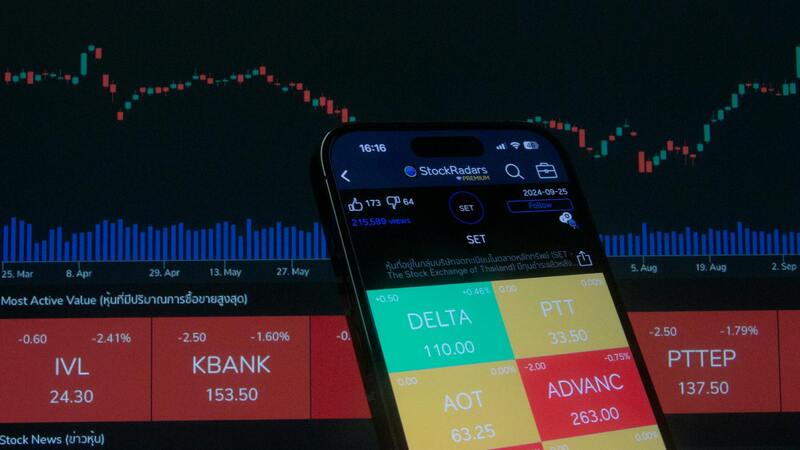
In the proprietary trading landscape, futures prop firms act as intermediaries that facilitate high-volume, high-speed trading. They often collaborate with expert traders, quant analysts, and technologists to develop sophisticated trading methodologies. By providing the necessary financial backing, futures prop firms enable traders to implement complex strategies, capitalize on market inefficiencies, and diversify trading portfolios. Their operations contribute significantly to the liquidity and efficiency of futures markets, benefiting both individual traders and broader financial ecosystems.
How Futures Prop Firms Operate
The operational framework of futures prop firms involves a combination of capital deployment, trading oversight, and technological infrastructure. These firms typically establish a set of performance criteria, risk controls, and technological tools that traders must adhere to. Traders are often evaluated through trial periods or simulated trading phases to ensure they meet the firm’s standards. Once accepted, traders gain access to trading accounts funded with the firm’s capital, which they manage within predefined risk parameters.
The firms actively monitor trading activity in real-time, utilizing advanced software to track performance, manage risks, and ensure compliance with internal policies. They also invest heavily in trading platforms, data analysis tools, and risk assessment algorithms to optimize their operations. By maintaining a robust operational system, futures prop firms aim to maximize profitability while mitigating potential losses and maintaining market stability.
Trader Selection and Evaluation Process
Prospective traders undergo a rigorous evaluation process designed to assess their skills, discipline, and understanding of futures markets. This process often involves a multi-phase testing system: an initial application, simulated trading tests, and a demonstration of consistent profitability during trial periods. Firm criteria include risk management proficiency, strategic insight, and adherence to trading rules.
Throughout the evaluation, firms focus on measuring traders’ ability to generate sustainable profits, control drawdowns, and operate within the firm’s risk thresholds. This structured approach ensures that only traders with proven expertise and disciplined trading behavior gain access to significant capital, promoting long-term success for both parties.
Funding and Capital Allocation
Once selected, traders are granted access to the firm’s trading capital, which varies depending on the firm’s resources and trader performance. Futures prop firms allocate capital based on trading experience, demonstrated skill, and risk management capabilities. Trader funding may be structured with tiers, progressing from smaller accounts to larger ones as performance and adherence to risk protocols are demonstrated.
The capital provided enables traders to execute larger trades, diversify their strategies, and pursue various market opportunities. Proper capital management is critical; firms often impose limits on maximum allowable drawdowns and position sizes to safeguard their financial interests while allowing traders room to grow and optimize their trading styles.
Trading Strategies and Technologies
Futures prop firms support traders by integrating cutting-edge trading technologies, including high-speed order execution platforms, algorithmic trading systems, and data analytics software. Traders employ a wide array of strategies, from technical analysis and momentum trading to arbitrage and hedging techniques, all facilitated by sophisticated technological infrastructure.
The use of real-time data feeds, market scanners, and predictive analytics enhances traders’ ability to identify profitable opportunities swiftly. These technological tools are essential for executing precise trades and maintaining a competitive edge in the fast-paced futures markets.
How Futures Prop Firms Operate
Futures proprietary trading firms operate through a well-structured framework designed to maximize trading efficiency while minimizing risk exposure. Their core function is to provide skilled traders with the necessary capital and technological tools to execute trades across various futures markets. The operational process begins with rigorous trader evaluation, where potential traders are assessed based on their trading history, strategy robustness, and risk management discipline. Once a trader is deemed suitable, the firm allocates trading capital according to their performance and experience levels.
Fund management within futures prop firms hinges on balancing risk and reward. The firms set strict trading parameters, including maximum allowable drawdowns and position limits. Such controls aim to protect the firm’s assets from excessive losses while allowing traders some flexibility in their trading styles. Risk management protocols are embedded into everyday operations, ensuring adherence to predefined guidelines and quick intervention when necessary.

Profit generation for these firms predominantly occurs through a share of the gains realized by their traders. Instead of taking on the direct risk of market positions, the firms act as facilitators, leveraging their capital to support trader operations. This model aligns interests, as the firms benefit when traders perform well, incentivizing robust support systems, ongoing training, and technological upgrades to enhance trader outcomes.
Trader Selection and Evaluation Process
Futures prop firms employ a detailed assessment process to identify capable traders. This process often includes evaluating trading performance, understanding of market dynamics, and behavioral traits such as discipline and resilience. Many firms require traders to pass a series of evaluative stages, including simulated trading tests or trading challenges, to demonstrate their skills under real-market conditions. This vetting process ensures that only traders with proven risk management and profitability potential gain access to live trading capital, which in turn maintains the firm’s overall stability.
Funding and Capital Allocation
Once selected, traders are granted access to the firm’s funds, which are tiered based on proven ability and performance metrics. Initial trading accounts tend to be smaller, providing a testing ground for traders to demonstrate consistency and adherence to risk parameters. As traders prove their reliability, they may receive increased capital allocations, larger account sizes, and even access to advanced trading tools. The capital allocation process is dynamic and responsive to trader performance, facilitating growth opportunities while safeguarding the firm’s interests.

Trading Strategies and Technologies
Using state-of-the-art trading platforms, futures prop firms equip traders with a variety of analytical and execution tools. These include algorithmic trading systems, advanced charting software, real-time market data feeds, and predictive analytics, all designed to give traders a competitive edge. Traders leverage diverse strategies such as trend following, breakout trading, and spread trading, often combining these approaches with automated systems to execute trades swiftly and efficiently.
Technological innovations have revolutionized futures trading, making speed and precision critical. Firms continually upgrade their tools to incorporate artificial intelligence and machine learning, helping traders identify patterns and opportunities that may not be immediately apparent through traditional analysis. This technological backbone is essential in the highly volatile futures markets, where split-second decisions can significantly impact profitability.
Risk Management and Compliance
Effective risk management is paramount for futures prop firms. They implement strict policies to limit exposure from individual traders and across the entire trading enterprise. These policies include setting maximum drawdowns, enforcing position size limits, and applying automated risk controls that disconnect traders’ platforms if predetermined thresholds are breached. Regular monitoring and data analysis ensure compliance with established trading protocols, safeguarding the firm’s capital. Additionally, firms maintain detailed audit trails and trading records to ensure transparency and adherence to internal standards. These measures help prevent unauthorized trading activities and support ongoing performance assessments.
Definition and Role of Futures Prop Firms
Futures proprietary trading firms, commonly referred to as futures prop firms, serve as intermediaries that enable skilled traders to access substantial trading capital without risking their personal funds. These organizations operate by providing traders with the necessary infrastructure, including advanced trading platforms, analytical tools, and dedicated capital, allowing them to execute trades directly in the futures markets. The primary role of these firms is to leverage the expertise of professional traders to generate profits, which are then shared according to predetermined agreements. This model benefits both parties: traders gain access to significant financial leverage that would be difficult to acquire independently, while firms capitalize on their traders’ market acumen to boost overall profitability.
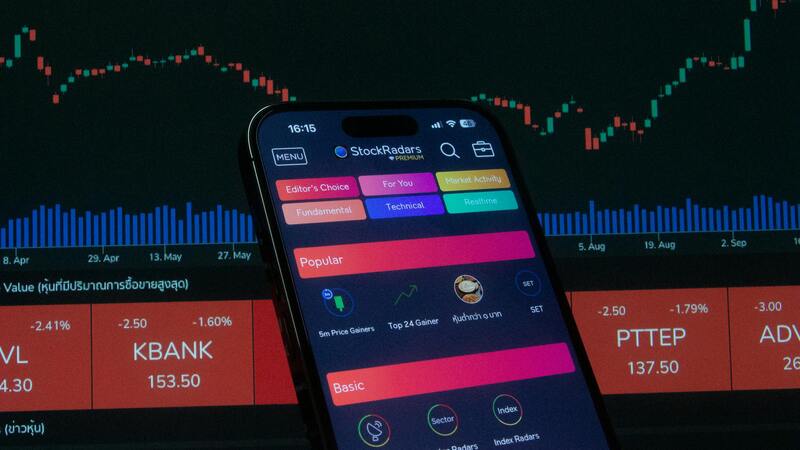
These firms operate within a structured environment that emphasizes disciplined trading practices, risk control, and strategic innovation. By doing so, they aim to achieve consistent gains in volatile and complex futures markets. The integration of extensive data analysis, cutting-edge technology, and experienced management makes futures prop firms pivotal in the ecosystem of commodities and financial derivatives trading. They serve as hubs where traders can refine their skills, access significant capital, and deploy diversified strategies, all while adhering to firm-established compliance standards.
How Futures Prop Firms Operate
The operation of futures prop firms hinges on a well-defined framework that aligns the interests of traders and the organization. Key elements of their operation include:
- Provision of Trading Capital: Firms allocate a portion of their funds as trading capital, which traders then employ to execute market positions.
- Trader Onboarding & Evaluation: Potential traders undergo rigorous assessment, including testing phase and review of their trading records, to ensure they meet the firm’s performance standards.
- Strategic Trading Environment: Traders utilize proprietary and third-party trading platforms equipped with sophisticated analytical tools, automation features, and risk management modules.
- Performance Monitoring & Risk Control: Continuous oversight involves monitoring trade execution, adherence to risk limits, and rigorous compliance with internal policies.
- Profit Sharing & Compensation: Profits generated from trading activities are split between the trader and the firm based on contractual agreements, incentivizing performance while managing risk.

Underpinning this operational model is the rapid adaptation to market dynamics, allowing traders to capitalize on fleeting opportunities within high-volume futures markets. Firms invest heavily in technology infrastructure, ensuring that traders can implement diverse strategies safely and efficiently. These activities are complemented by a robust compliance framework, enforcing discipline while fostering innovation and skill development among traders.
Funding and Capital Allocation
Futures prop firms primarily focus on efficient capital deployment, ensuring that traders have adequate funds to maximize market opportunities while maintaining prudent risk controls. These firms typically allocate substantial trading capital tailored to the individual trader’s skill level and trading plan. Capital allocation strategies involve careful assessment of the trader’s experience, consistency, and risk management capabilities.
Leverage mechanisms are applied within predefined limits to amplify trading positions, but strict policies are enforced to prevent overexposure. This ensures that the firm preserves its financial stability while providing traders with sufficient leverage to optimize trade outcomes. Profitability targets are established based on the firm’s operational model and risk appetite, usually involving performance benchmarks that traders need to meet or exceed.
For instance, a futures prop firm may allocate capitals ranging from hundreds of thousands to several million dollars, partitioned across multiple trading accounts. These funds are managed through a combination of automated systems and manual oversight to enforce disciplined trading routines, reducing the likelihood of significant losses. Regular re-evaluation of capital allocation is performed to adapt to market conditions and trader performance, fostering an environment of continuous growth and stability.
Trading Strategies and Technologies
Successful futures prop firms leverage advanced trading technologies to maintain a competitive edge. Brightly aligned with the fast-paced nature of futures markets, these firms utilize proprietary algorithms, sophisticated analytical tools, and high-speed trading platforms to execute strategies effectively.
Common trading strategies employed include scalping, momentum trading, mean reversion, and trend following, each supported by tailored software that provides real-time data and automated order execution. Automation enhances efficiency, while comprehensive analytical tools aid traders in identifying optimal entry and exit points based on market signals.
Technological infrastructure often encompasses:
- Real-time market data feeds
- Algorithmic trading engines
- Risk management and order execution modules
- Breakout and pattern recognition systems
- Automated trade monitoring and alerts
Utilizing these tools allows traders to adapt swiftly to market movements, executing precise strategies that capitalize on fleeting opportunities with minimal latency. The integration of advanced technology ensures that traders can implement diverse strategies within a controlled environment, maximizing potential returns while keeping risk in check.
Risk Management and Compliance
Managing risk remains a cornerstone of futures prop firm operations. These firms develop rigorous frameworks to oversee risk exposure at the individual trader level and across the entire trading portfolio. Entry and exit limits, stop-loss orders, and position sizing rules are strictly enforced through both automated systems and manual oversight.
Firms implement real-time monitoring to detect any deviations from established risk parameters. This includes continuous assessment of leverage usage, adherence to margin requirements, and compliance with trading protocols. Maintaining discipline through systematic checks minimizes unexpected losses and ensures that trading remains aligned with the firm's risk appetite.
Compliance procedures involve regular audits, detailed reporting, and ongoing trader education on risk mitigation practices. By fostering a disciplined trading culture, firms balance the pursuit of profitability with the maintenance of operational stability, safeguarding both the firm's and traders’ interests.
Understanding the Funding Mechanisms of Futures Prop Firms
Futures prop firms operate through specialized funding models designed to empower skilled traders while maintaining structured risk controls. Unlike retail trading, where traders use their personal capital, these firms allocate substantial trading capital to selected individuals based on their demonstrated expertise and trading performance. This approach allows traders to scale their strategies using the firm's resources, thus amplifying profit potential without risking their own funds.
In many cases, futures prop firms adopt a tiered funding system. Traders initially access a designated trading account under specific parameters and are evaluated based on their ability to generate consistent profits within the firm's risk guidelines. Successful traders may receive increased capital allocations, enabling them to pursue larger positions and more complex strategies. This system creates a mutually beneficial environment where the firm’s capital is leveraged efficiently, and traders are incentivized to perform at their highest level without the constraints of personal capital limitations.
Furthermore, these firms often establish clear performance benchmarks, which serve as milestones for additional funding. This performance-based funding model encourages disciplined trading practices and continuous skill development, aligning the interests of the traders with the firm’s overarching goal of sustainable profitability. The transparent and structured nature of these funding procedures ensures that traders operate within predefined risk parameters while maximizing their trading efficacy.
By integrating such funding strategies, futures prop firms create a dynamic environment where proficient traders can thrive, leveraging significant capital to execute high-volume trades. This setup not only expands trading capacity but also benefits the firm through diversified trade executions and risk dispersion, ultimately fostering a resilient and profitable trading ecosystem.
Risk Management and Compliance
Effective risk management and adherence to compliance standards are fundamental components of operations within futures proprietary trading firms. These firms implement rigorous protocols to mitigate potential losses and safeguard their capital, ensuring sustainable trading practices. At the core of these measures is a comprehensive risk control system that monitors trading activity in real-time, quickly identifying positions that exceed predefined risk thresholds. This system allows traders to operate within controlled parameters, reducing the likelihood of catastrophic losses that could jeopardize both the firm and its traders.
Futures prop firms utilize advanced trading algorithms and automated controls to enforce risk limits actively. For example, real-time position sizing checks, stop-loss orders, and margin alerts are integrated into trading platforms, enabling immediate action when set boundaries are approached or breached. These safeguards help maintain a disciplined trading environment and promote consistent adherence to risk protocols.
Compliance standards are equally critical, encompassing internal policies aligned with industry regulations and best practices. Prop firms often adopt strict onboarding procedures to verify trader backgrounds and trading histories, ensuring that only qualified individuals gain access to significant capital. Ongoing monitoring is conducted through regular audits and transaction reviews, which help detect and prevent any irregular or unauthorized trading activities.
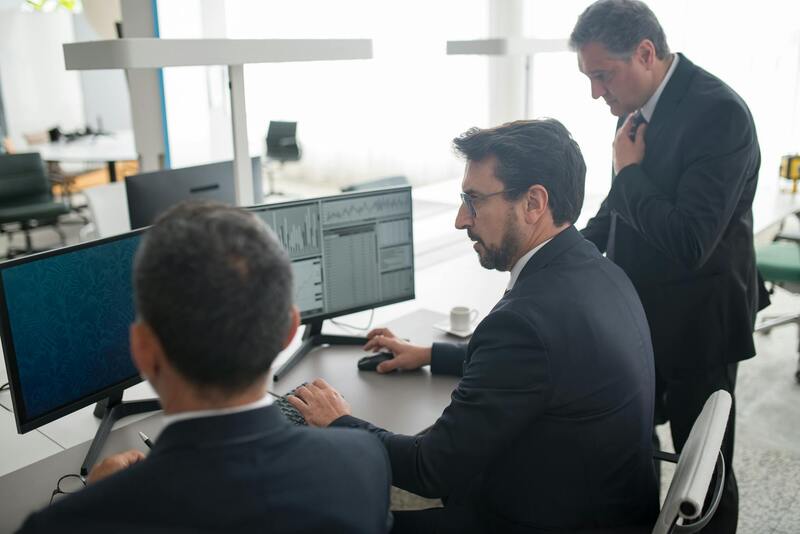
Moreover, many firms enforce mandatory training on compliance matters, covering topics such as market manipulation, insider trading, and confidentiality policies. By cultivating a culture of integrity and transparency, futures prop firms maintain a disciplined trading environment that aligns with industry standards and fosters long-term operational success.
Challenges in Managing Risk and Ensuring Compliance
- Balancing risk controls with trader flexibility to enable profitable trading opportunities.
- Keeping pace with evolving regulatory requirements across different markets and jurisdictions.
- Maintaining transparent and auditable records to support regulatory reviews and internal assessments.
- Mitigating risks associated with technological failures or cyber threats that could compromise trading activities.
These challenges necessitate continuous investment in both technology and personnel, reinforcing the importance of a proactive approach in maintaining a secure and compliant trading environment.
Definition and Role of Futures Prop Firms
Futures proprietary trading firms, commonly known as futures prop firms, serve as specialized entities that provide traders with the necessary equipment, capital, and resources to engage in futures trading. Unlike retail traders who operate independently and use personal funds, futures prop firms allocate their own capital to qualified traders, aiming to generate profits through active trading strategies. These firms play a vital role in the financial ecosystem by facilitating larger trading volumes, enhancing market liquidity, and fostering an environment of disciplined trading that adheres to industry standards.

How Futures Prop Firms Operate
Futures prop firms operate by recruiting skilled traders and providing them with a trading account that is funded, at least partially, by the firm’s capital. These firms typically establish a structured trading environment where traders execute their strategies under strict regulations and oversight. They invest heavily in technology, including advanced trading platforms, data feeds, and risk management systems, to ensure that trading operations are efficient and compliant with industry standards. The profits generated from successful trades are shared between the firm and the traders, often according to predefined revenue splits.
Trader Selection and Evaluation Process
To ensure consistent performance, futures prop firms implement rigorous selection protocols. Candidates often undergo a series of assessments, including simulated trading challenges, interviews, and background reviews. The evaluation focuses on a trader’s skill level, consistency, understanding of market dynamics, and risk management discipline. Many firms use proprietary evaluation programs, which set specific profit and risk thresholds traders must meet within a designated testing phase. This process helps firms identify high-potential individuals capable of managing large capital and generating sustainable returns.
Funding and Capital Allocation
Once selected, traders are granted access to firm capital, allowing them to execute larger positions than they could with personal funds. The allocation of trading capital is often scaled based on the trader’s performance during evaluation phases and their demonstrated ability to manage risk effectively. Traders typically operate within predefined risk limits established by the firm to safeguard capital and maintain market stability. Profit-sharing arrangements incentivize traders to maximize performance while aligning their interests with the firm’s objectives, creating a symbiotic relationship based on mutual success.
Trading Strategies and Technologies
Futures prop firms support traders by providing cutting-edge trading systems, analytics, and algorithmic tools that facilitate sophisticated trading strategies. These include trend-following, breakout trading, spread strategies, and algorithmic executions optimized for fast markets such as futures. Firms often invest in high-frequency trading (HFT) infrastructure, enabling traders to capitalize on short-term price movements. Continuous technological innovation ensures traders maintain an edge in competitive markets, adapting to evolving trading conditions and emerging opportunities.

Risk Management and Compliance
Effective risk management is fundamental for sustainable futures trading operations. Prop firms establish strict protocols, including daily loss limits, position size restrictions, and real-time monitoring, to mitigate potential losses and prevent reckless trading behaviors. Traders are required to adhere to comprehensive compliance policies that cover market manipulation, insider trading, and confidentiality. Many firms employ automated systems to detect anomalies and irregular trading activities, ensuring transparency and accountability. Regular audits and reporting foster a culture of integrity, reinforcing the firm’s reputation and operational stability.
Maintaining robust risk controls requires ongoing investments in technology and personnel training. As markets evolve, so do regulatory expectations, compelling firms to update their procedures continuously. Cybersecurity measures are also integral to safeguarding sensitive trading data and client information, minimizing vulnerabilities associated with technological failures or cyber threats. The combination of disciplined risk management, technology, and personnel diligence sustains the integrity of futures prop trading within increasingly complex market environments.
Definition and Role of Futures Prop Firms
Futures proprietary (prop) firms are specialized trading organizations that allocate their own capital to skilled traders who execute futures contracts across various markets. These firms provide traders with access to high-leverage accounts, advanced trading infrastructure, and analytical tools, enabling them to implement diverse trading strategies without risking their personal funds directly. The core role of a futures prop firm extends beyond mere capital provision; they serve as a nexus for facilitating efficient market participation, fostering professional development, and ensuring consistent trading standards across their teams.
How Futures Prop Firms Operate
Futures prop firms operate through a structured framework that combines capital allocation with advanced trading technology. Initially, firms identify and recruit talented traders through rigorous selection processes that evaluate trading skills, risk discipline, and market understanding. Once onboarded, traders gain access to proprietary trading platforms equipped with sophisticated analytical tools, real-time data feeds, and automated execution systems. The firm maintains control over the risk environment, setting predefined parameters such as daily loss limits and position sizes, which traders must adhere to during their trading sessions.
The operational cycle typically involves continuous performance monitoring where trading activity is scrutinized to ensure compliance with risk controls. Profits generated by traders are usually split between the trader and the firm according to predetermined agreements. Prof firms often invest heavily in technological infrastructure, including servers, data analytics, and cybersecurity measures, to optimize trading efficiency, reduce downtime, and safeguard sensitive information. This integrated operational model ensures that traders can focus on market strategies while the firm manages risk, compliance, and technological support.
Trader Selection and Evaluation Process
Selection of traders is a pivotal aspect of futures prop firm operations. The process involves multiple stages, including online testing, simulated trading assessments, and live evaluation periods. These assessments analyze traders’ ability to develop consistent strategies, their discipline in risk management, and their capacity to adapt to volatile market conditions. Firms prioritize candidates who demonstrate a proven track record of profitability and decision-making under pressure, often reviewing historical trading data and conducting interviews to gauge psychological resilience.
Post-selection, continuous evaluation mechanisms are implemented, where traders’ performance, adherence to risk parameters, and strategic evolution are monitored meticulously. Regular performance reviews and coaching sessions foster skill enhancement and ensure that the trader’s development aligns with the firm’s trading standards and operational goals.
Funding and Capital Allocation
Futures prop firms allocate substantial capital to their traders, operating on a model where risk is shared in proportion to the trader’s contribution and performance. The initial funding for traders can vary, often starting from modest accounts to larger sums as traders demonstrate consistent profitability. The capital is managed through strict risk controls, such as daily loss limits and cumulative drawdown restrictions, to prevent significant drawdowns and protect both the trader and the firm.
Capital allocation strategies involve dynamically adjusting trading limits based on performance metrics and market conditions. Profits generated are typically split according to an agreed percentage structure, incentivizing traders while ensuring the firm’s sustainability. The use of leverage within these accounts allows traders to amplify their trading positions, provided risk controls are meticulously followed.
Trading Strategies and Technologies
Futures traders within prop firms employ a wide array of strategies, including day trading, swing trading, and algorithm-driven approaches. The choice of strategy depends on individual trader expertise, market conditions, and technological capabilities. Advanced algorithms, machine learning models, and quantitative analysis play increasingly vital roles in shaping trading tactics, providing traders with edge in executing precise, data-informed decisions.
Prop firms invest heavily in state-of-the-art trading platforms, including direct market access (DMA), high-frequency trading (HFT) tools, and automated trading systems. These technologies facilitate rapid order execution and real-time risk assessment, essential for competing effectively in futures markets. The integration of artificial intelligence allows for pattern recognition and predictive analytics, which can significantly enhance a trader’s ability to anticipate market movements and optimize positions.
Risk Management and Compliance
Effective risk management is integral to the sustainable operation of futures prop firms. Mechanisms such as daily loss limits, position size restrictions, and real-time activity monitoring are implemented to mitigate potential losses. Firms utilize sophisticated software that automatically enforces these parameters, providing an additional layer of oversight beyond manual supervision.
Compliance policies are rigorous and encompass market conduct standards, confidentiality protocols, and adherence to trading regulations. Automated surveillance systems detect irregular trading activities, such as market manipulation or insider trading attempts, enabling immediate remedial actions. Regular audits, transparent reporting, and adherence to internal policies cultivate an environment of integrity, safeguarding both the firm’s reputation and operational stability.
Cybersecurity is a critical aspect of risk management, with robust protocols in place to safeguard sensitive data against cyber threats. Continuous training for trading personnel ensures they remain aware of evolving regulatory requirements and best practices related to data security and ethical trading behavior. Such comprehensive risk controls reinforce a sustainable trading ecosystem that balances opportunity with caution.
Benefits and Challenges for Traders
Participation in futures prop firms offers traders access to substantial capital, cutting-edge technology, and expert supervision. These resources facilitate leveraging market opportunities more effectively and scaling trading activities without personal capital constraints. The profit-sharing structure provides attractive incentives, motivating traders to refine their strategies and persist through fluctuating market conditions.
However, traders also face challenges, including strict risk parameters that limit overall trading flexibility and intense competition within the industry. The requirement for ongoing performance standards can create pressure to maintain consistent profitability, while the technological complexity demands continuous learning and adaptation. Navigating these aspects effectively requires discipline, resilience, and a commitment to ongoing professional development, which are essential for long-term success within futures prop firms.
