Definition and Purpose of a Prop Firm
Prop firms, short for proprietary trading firms, are specialized companies that engage in trading financial instruments using their own capital. Unlike traditional investment firms or brokerages that trade on behalf of clients, prop firms allocate their resources solely for profit generation through trading activities. These entities serve as a vital part of the financial markets, providing liquidity, facilitating price discovery, and supporting overall market efficiency.
The primary aim of a prop firm is to leverage advanced trading strategies and skilled traders to maximize profitability. By deploying significant capital, prop firms can take sizable positions in various markets, including equities, forex, commodities, and derivatives. This approach allows them to capitalize on short-term price movements and exploit market opportunities that require substantial resources and expertise.
Operating within the realm of financial markets, prop firms often serve as a bridge between institutional investors and retail traders. They provide an environment where traders can access substantial trading capital, sophisticated tools, and risk management systems that might be unavailable to individual traders. This environment enables both seasoned professionals and aspiring traders to refine their strategies while contributing to the firm’s overall profit objectives.
The structure of a prop firm typically involves a blend of skilled traders, risk managers, analysts, and compliance officers. The firm sets specific trading protocols and risk parameters to safeguard its capital while aiming to generate consistent returns. By focusing on proprietary trading, these firms create a professional ecosystem where talent and capital are combined to navigate complex financial landscapes effectively.

In essence, a prop firm’s purpose extends beyond mere trading; it acts as an incubator for trading talent, a platform for technological innovation, and a facilitator of market dynamics. Whether they are executing high-frequency trades or engaging in longer-term strategies, prop firms are integral to the modern financial ecosystem, emphasizing the importance of strategic capital deployment and risk oversight to sustain profitability and growth.
Understanding How Prop Firms Operate
Prop trading firms utilize a variety of operational strategies designed to maximize profit while maintaining the safety of their capital. Central to their functioning is the allocation of trading capital, which is often pooled from the firm’s own resources or through seed capital provided by institutional investors. This capital allocation enables traders to execute larger positions than what they could individually manage, fostering a professional environment where risk and reward are carefully balanced.
The day-to-day activities involve a mix of executing trades across multiple asset classes, including equities, commodities, foreign exchanges, and derivatives. These firms often employ sophisticated trading algorithms and technology infrastructure to execute high-frequency or algorithmic trading strategies that require minimal manual intervention. By leveraging these advanced tools, prop firms can capitalize on fleeting market opportunities that demand rapid decision-making and execution.
Furthermore, many prop firms foster a collaborative environment where traders share insights, strategies, and market analysis. This collective approach helps in developing more refined trading methods and adapting quickly to market changes. The operational systems also highlight a layered approach to risk management, where trades are continuously monitored, and parameters are adjusted dynamically.
Funding and Capital Allocation
The financial backbone of a prop firm is its capital deployment strategy. These firms typically allocate a portion of their capital to individual traders based on performance, experience, and trading skill. This process involves strict evaluation procedures, ensuring traders align with the firm’s risk appetite and profit targets. Once authorized, traders receive access to trading accounts with specific limits, designed to control downside risk.
In many cases, the capital allocated is not static; it can grow with a trader’s proven performance, fostering motivation and investment in their success. Conversely, if a trader’s performance falls below expectations, capital may be reduced, or trading privileges revoked altogether. This dynamic system encourages disciplined trading and responsible risk-taking, both vital components for long-term profitability.
Trader Selection and Compensation
Selection procedures for traders often revolve around a rigorous assessment process that includes simulated trading assessments, interviews, and review of trading history. Firms prefer candidates who demonstrate consistent performance, a strong understanding of risk management, and the ability to adapt under pressure.
Compensation structures vary but typically include a base share of the profits generated, performance bonuses, and sometimes equity participation within the firm. This profit-sharing model aligns the interests of traders with those of the firm, fostering a culture of accountability and high achievement. Traders are also provided with professional development opportunities, access to proprietary tools, and continuous training to hone their skills further.
Risk Management and Compliance
Efficient risk management is the cornerstone of prop firm operations. Firms implement strict protocols such as daily and intra-day limits, automated stop-loss orders, and real-time monitoring systems to mitigate potential losses. These measures help in maintaining a balance between aggressive trading and safeguarding the firm’s capital.
Alongside risk controls, compliance procedures ensure adherence to market regulations and internal policies. Regular audits, trading reviews, and adherence to reporting standards help maintain operational integrity and transparency. This disciplined approach enables the firm to navigate volatile markets effectively while minimizing exposure to unforeseen losses.
How Prop Firms Operate
Prop trading firms function through a sophisticated internal structure designed to maximize efficiency, minimize risk, and generate consistent profits. At the core, these organizations utilize advanced trading strategies that can range from algorithmic and quantitative methods to discretionary trading based on market insights. The combination of human expertise and cutting-edge technology allows prop firms to execute large volumes of trades across various asset classes, including equities, commodities, forex, and derivatives.
One of the critical operational components is the utilization of proprietary trading technology. Firms invest heavily in robust trading platforms, data feed integrations, and analytic tools that provide traders with real-time market information and automated execution capabilities. These technological resources empower traders to identify market opportunities swiftly and execute strategic trades while managing risk effectively.
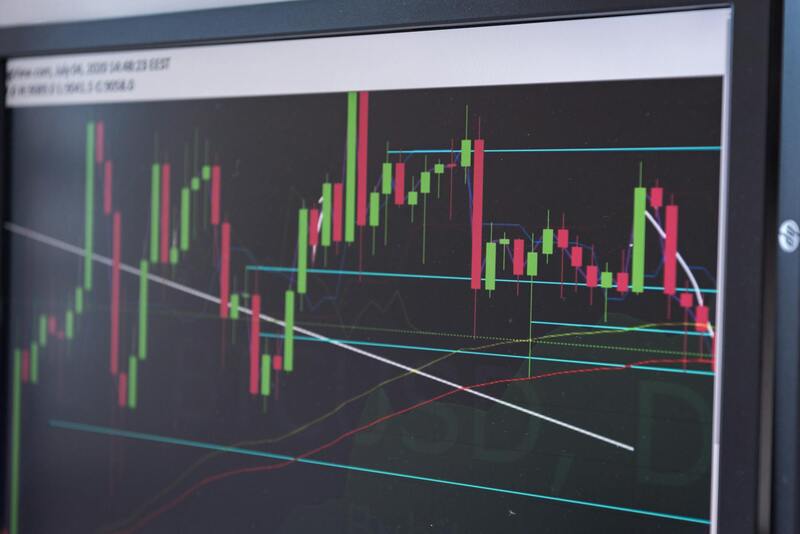
Within the organizational framework, many prop firms adopt a team-based approach, where traders specialize in particular markets or financial instruments, allowing for focused expertise. The firm’s capital is allocated strategically across these teams, facilitating targeted risk management and performance evaluation. Senior management typically oversees trading operations, ensuring that all activities align with the firm’s risk appetite and compliance standards.
Funding and Capital Allocation
Funding within a prop firm centers around the firm’s own capital rather than client deposits. The firm allocates this capital to traders based on their experience, skill level, and past performance. This allocation is dynamic, often adjusted according to trader profitability and consistency. Prop firms prioritize efficient use of capital, balancing aggressive trading with risk controls to prevent significant losses.
Effective capital management involves meticulous monitoring of exposure levels, diversification across multiple assets, and real-time assessment of trading outcomes. Many firms employ automated systems to truncate risk exposure, such as single-day loss limits or maximum drawdown thresholds, thereby ensuring the stability of their capital base and the sustainability of trading operations.
Trader Selection and Compensation
Selection processes for traders are rigorous, emphasizing skill, experience, and risk awareness. Firms evaluate candidates through simulated trading assessments, past trade records, and interviews that focus on their understanding of market dynamics and risk management. Once onboard, traders typically operate within defined parameters, supported by training and ongoing education to refine their strategies.
Compensation models are designed to align trader incentives with firm goals. These often comprise profit-sharing arrangements, where traders receive a percentage of the profits they generate. Performance bonuses are awarded based on consistent profitability, and some firms offer equity participation or other benefits to high-performing traders. This structure encourages disciplined trading practices and accountability.
Risk Management and Compliance
Implementing robust risk management protocols is fundamental for prop firms. Strategies such as predefined stop-loss orders, real-time risk monitoring, and automated system alerts help prevent significant losses. Daily trading limits and intra-day risk controls are enforced to contain exposure, safeguarding the firm’s capital against adverse market movements.
Compliance is maintained through a series of internal audits, on-going review of trading activities, and adherence to regulatory frameworks relevant to market operations. These measures not only protect the integrity of the trading environment but also foster a culture of transparency and disciplined trading practices.
Benefits and Challenges of Working at a Prop Firm
Advantages include access to substantial capital, advanced trading tools, and a performance-driven environment where skilled traders can significantly amplify their earnings. Participation in a collaborative setting also allows traders to learn from peers, refine their strategies, and gain exposure to a variety of markets.
Challenges may involve high-performance expectations, strict risk controls, and the pressure to sustain profitability in fluctuating market conditions. Traders must maintain disciplined strategies, adapt continuously to market changes, and adhere to the firm’s operational standards to succeed within this environment.
Future Trends in Prop Trading
The landscape of proprietary trading continues to evolve with technological advancements such as artificial intelligence, machine learning, and big data analytics playing increasingly prominent roles. Firms are investing in sophisticated algorithms that can process vast datasets rapidly, enabling faster decision-making and more precise risk assessment. Additionally, regulatory frameworks and transparency standards are likely to shape operational practices, emphasizing ethical trading and operational integrity. The integration of these innovations aims to enhance profitability while maintaining risk mitigation and compliance—a trend expected to persist across the industry.
Funding and Capital Allocation
One of the core functions of a legitimate prop trading firm is the strategic allocation and management of trading capital. These firms carefully evaluate their available resources to determine how funds are distributed among traders, ensuring that capital is deployed efficiently to maximize profitability while minimizing risk exposure.
Funding decisions are typically based on a trader’s proven track record, skill level, and the strategies they employ. New traders often undergo a rigorous evaluation process, which may include simulated trading assessments or live trading tests, to demonstrate their ability to generate consistent returns.
Once accepted, traders are provided with a predefined trading account size that aligns with their experience and risk appetite. These accounts are funded in increments, allowing for scalability as traders demonstrate successful risk management and profitability. The capital allocated is not only essential for executing trades but also serves as an incentive mechanism—aligning trader rewards with performance.

Risk management plays a pivotal role in capital distribution. Firms implement strict risk controls, such as daily loss limits, maximum position sizes, and stop-loss mechanisms, to prevent significant drawdowns. These measures serve to protect the firm’s capital base while allowing traders the flexibility to execute their strategies effectively.
Regular monitoring and reporting are standard practices. Advanced trading platforms equipped with real-time analytics provide both traders and risk managers transparency into trading activities, enabling swift intervention if necessary. This vigilant oversight guarantees that capital is used responsibly, fostering an environment where traders can operate confidently within defined boundaries.
In essence, the allocation of trading capital by a reputable prop firm hinges on a delicate balance—encouraging traders to exploit market opportunities while maintaining rigorous oversight to ensure sustainable growth.
Funding and Capital Allocation
At the core of your prop firm operations lies the strategic distribution of trading capital. Reputable firms allocate funds based on traders' experience, proven track record, and risk management skills. This process ensures that traders operate with sufficient resources to execute their strategies effectively, while the firm maintains control over potential exposure. The initial funding is often provided through a process of evaluation, where traders are given a demo or evaluation account to demonstrate their proficiency.
Once traders prove their capability and adherence to risk parameters, they are granted access to live trading accounts with allocated capital that scales with their performance. This incremental funding approach not only motivates traders to improve their skills but also minimizes risk exposure for the firm. Through continuous assessment and performance tracking, firms can adjust capital allocations to optimize trading outcomes.

Robust risk management protocols are integral during capital allocation. Risk limits such as daily loss caps, maximum position sizes, and stop-loss orders are implemented to prevent excessive drawdowns. These controls protect your prop firm from significant losses and ensure the sustainability of trading operations. Additionally, real-time analytics and automated monitoring tools provide transparency, allowing risk managers to intervene swiftly if trading activities deviate from established protocols.
Effective capital distribution hinges on a careful balance: providing enough leverage to capitalize on market movements while maintaining safeguards to prevent large-scale losses. This approach fosters a disciplined trading environment where traders have the freedom to execute their strategies within predefined boundaries, aligning individual performance with overall firm stability.
Understanding the Proper Methods to Engage with Your Prop Firm
For traders aiming to maximize their potential within your prop firm, adhering to official and proven methods is essential. The foundation of successful prop trading lies in a structured approach to capital management, compliance, and continuous performance evaluation. These practices are designed not only to protect the assets of your prop firm but also to foster trader growth and sustainability.
Developing a Solid Trading Strategy Aligned with Firm Standards
A critical step in engaging with your prop firm involves the development of a comprehensive trading strategy that aligns with the firm’s risk parameters and operational protocols. Traders should focus on creating well-researched, disciplined strategies that incorporate proper risk management techniques. This includes setting strict stop-loss and take-profit orders, employing position sizing techniques based on volatility, and remaining consistent with trading plans across different market conditions.

Utilizing Official Evaluation Processes
Most reputable prop firms require traders to undergo structured evaluation phases before granting access to live trading accounts. These evaluations typically involve simulated trading environments where performance metrics such as profitability, risk control, and consistency are rigorously monitored. Successful completion of these evaluation phases demonstrates a trader’s capability to operate within the firm’s risk parameters and contribute positively to its overall stability.
During evaluation, traders must strictly adhere to the firm’s guidelines — including adhere to trading schedules, avoid excessive risk-taking, and continuously monitor performance metrics. Maintaining transparency and open communication with firm managers or risk officers ensures that traders operate within prescribed boundaries while showcasing their skill set.
Adhering to Risk Management Protocols
Risk management is a critical element of working with your prop firm. It involves applying official risk controls such as maximum daily loss limits, position size restrictions, and mandatory stop-loss levels. Proper risk control safeguards the firm’s capital and ensures sustainable trading operations. Traders must diligently monitor their trades using real-time analytics provided by the firm’s trading platforms and adhere strictly to predefined risk limits.
Automated risk management tools form a vital part of this process, enabling traders to receive alerts when trading activity approaches risk thresholds. Consistent adherence to these controls prevents large drawdowns that could compromise the funding or reputation of your prop firm.
Maintaining Continuous Performance Evaluation
Continuous performance assessment is an official method used by your prop firm to identify traders who consistently meet or exceed set benchmarks. Regular reviews of trading activities—based on profitability, adherence to risk controls, and strategic discipline—help determine eligibility for scaling trading capital or progressing within the firm’s ranks.
Engaging in Ongoing Education and Skill Development
Legitimate prop firms emphasize ongoing learning as a core component of trader development. Participating in webinars, review sessions, and access to educational resources ensure traders stay updated on market trends and refine their skills. Engaging actively with these programs demonstrates a commitment to professional growth, which aligns with the firm’s objective of cultivating competent, responsible traders.
Transparent Communication and Record Keeping
Official channels of communication should be maintained at all times when engaging with your prop firm. Traders are advised to keep detailed records of all trades, strategies employed, and performance metrics. These records support transparency and can serve as valuable feedback tools during performance reviews.
Summary
By following these legitimate methods—developing a sound trading approach, completing official evaluations, adhering to risk management protocols, and maintaining transparent communication—traders can optimize their experience with your prop firm. Such disciplined practices not only protect the firm’s assets but also enhance the trader’s skill set, ultimately contributing to mutual success.
Funding and Capital Allocation
Secure and appropriate funding is fundamental to the operation of your prop firm. These firms allocate trading capital based on several predefined criteria, emphasizing a trader’s skill, discipline, and consistency. In legitimate organizations, funding is often provided incrementally, starting with a smaller trading account to assess real-time performance before increasing capital allocation. This process ensures that traders meet set benchmarks in profitability and risk management, thereby reducing exposure to unnecessary losses.
Funding models may vary across different firms, with some offering fixed capital pools for specific trading strategies, such as forex, equities, or commodities. To maintain access to capital, traders are typically expected to adhere strictly to risk parameters set by the firm, which are designed to protect the overall trading capital pool. These parameters include maximum daily loss limits, position sizing rules, and criteria related to drawdown thresholds.

In the context of your prop firm, transparent procedures for capital deployment ensure that traders understand the basis of funding decisions, fostering trust and accountability. Firmly established policies help prevent misuse of trading funds and promote disciplined trading behaviors, which are crucial for long-term profitability.
Trader Selection and Compensation
The process of selecting traders typically involves comprehensive evaluation criteria, including trading experience, risk management skills, and demonstrated profitability. Some firms conduct testing phases or probation periods where traders must meet specific benchmarks before receiving full funding. This approach ensures that only capable traders manage firm capital, reducing exposure to unprofitable or reckless trading.
Compensation structures are designed to incentivize performance and risk discipline. Common methods include profit splits, where traders retain a percentage of their generated profits, and tiered bonuses for exceeding targets or maintaining consistent performance. These models align the interests of traders with the firm’s objectives, motivating responsible trading habits. It is essential for your prop firm to establish clear and transparent compensation policies, along with regular performance assessments to ensure fairness and accountability.

Maintaining strict adherence to onboarding and performance evaluation standards helps uphold a professional environment where traders are rewarded based on their skill and discipline rather than favoritism or informal arrangements.
Risk Management and Compliance
Effective risk management stands at the core of your prop firm’s operational integrity. Legitimate firms implement comprehensive risk controls designed to mitigate potential losses and ensure sustainable trading practices. These controls include setting maximum loss thresholds per trade and daily loss limits, which prevent traders from engaging in high-risk behaviors that could imperil firm capital.
Regular compliance checks are integral to upholding these risk controls. Firms often employ monitoring software to track trades in real-time, flagging any breaches of established policies promptly. Furthermore, posted risk parameters and trading guidelines should be clearly communicated and accessible to all traders, ensuring consistent adherence across the trading floor or platform.

Enforcing strict compliance and promoting a transparent risk culture help safeguard the firm's assets while fostering a disciplined trading environment. Traders should be encouraged to review risk policies regularly, participate in ongoing training, and communicate proactively regarding any issues or uncertainties encountered during trading activities.
Understanding Your Prop Firm: Official Methods for Engagement
Engaging with a legitimate prop firm involves adhering to proven, transparent processes designed to ensure a professional trading environment. These methods prioritize assessment, compliance, and ongoing support, reflecting a commitment to sustainable trading practices. Typically, traders interested in partnering with reputable firms undergo a structured selection process that emphasizes skill evaluation, experience, and discipline. This process often includes a comprehensive application, verification of trading history, and possibly a demonstration of trading capability through a testing phase, which is conducted in a controlled environment without risking personal capital.

Application and Qualification
Official applications for your prop firm typically begin with submitting detailed personal and professional information, including trading history, strategies employed, and financial background. Followed by assessments, this phase helps the firm identify traders who demonstrate consistent risk-aware decision making and disciplined trading habits. Reputable firms also require candidates to pass specific evaluation criteria, which may involve simulated trading or passing predefined profit and risk management benchmarks. These criteria ensure that only traders who meet high standards of skill and responsibility advance within the program.
Onboarding and Training
Once selected, new traders often go through an onboarding process that emphasizes understanding the firm’s trading policies, risk management protocols, and compliance standards. Official firms provide structured training sessions, access to educational resources, and ongoing mentorship. This ensures traders are aligned with the firm’s operational standards and are equipped to trade within established parameters, supporting both individual growth and the firm’s stability. The onboarding process is designed to create a shared culture centered on disciplined, rules-based trading.
Trading Platforms and Infrastructure
A legitimate prop firm provides traders with access to secure, robust trading platforms that are compatible with various trading styles and instruments. Firms invest in state-of-the-art technology to facilitate real-time market data, fast execution, and comprehensive risk monitoring tools. Traders utilize these platforms to execute trades, track performance, and manage risk effectively. The integrity and transparency of these tools are crucial for maintaining a professional environment where all activities are auditable and compliant with established policies.
Performance Monitoring and Feedback
Continuous performance evaluation is a core part of official prop firm operations. Firms regularly review trading activity to ensure adherence to risk management guidelines and trading strategies. Traders receive detailed feedback, performance reports, and coaching to help refine their skills further. Performance metrics are standardized, and traders are required to maintain consistent profitability while managing downside risk. This ongoing monitoring fosters a culture of transparency and accountability, essential for sustaining trust and operational success.
Funding and Profit Sharing
Appropriate funding arrangements involve clear, legitimate agreements defining profit-sharing models, distribution of earnings, and withdrawal procedures. Legitimate firms allocate capital based on trader performance and adherence to risk policies. Profit splits are structured to motivate disciplined trading practices, and traders are typically compensated through a percentage of the profits generated, aligning interests with the firm’s sustainability goals. All financial arrangements are documented transparently, ensuring mutual clarity on expectations and responsibilities.
Ongoing Compliance and Ethical Trading
Adherence to compliance standards is enforced through regular audits, trade monitoring, and education. Rampant compliance and ethical trading behaviors reinforce the integrity of your prop firm. Traders are expected to follow established rules, avoid manipulative practices, and report any irregularities promptly. Off-channel communications and attempts to circumvent policy are scrutinized rigorously, highlighting the importance of transparency and integrity in all trading activities. These practices are vital to maintaining a reputable, operationally responsible trading environment.