
Understanding Crypto Prop Trading
Crypto proprietary trading, commonly referred to as crypto prop trading, involves trading cryptocurrencies using a firm's own capital rather than clients' funds. Unlike conventional retail trading, where individual traders operate independently through personal accounts, crypto prop trading is structured within specialized firms that supply traders with access to significant trading capital, advanced tools, and proprietary research. This setup enables traders to leverage large positions, aiming to maximize returns through strategic and disciplined trading activities.

In essence, crypto prop trading serves as a bridge between professional traders and institutional-grade capital, fostering an environment where skilled traders can execute complex strategies without the constraints typically faced by individual retail traders. These strategies may include arbitrage, short-term scalping, or long-term position holding, all aimed at capitalizing on market inefficiencies and trends within the rapidly evolving cryptocurrency landscape.
One key distinction of crypto prop trading from traditional financial markets is the unique volatility and 24/7 operational hours of cryptocurrencies. Traders need to adapt their approaches accordingly, utilizing high-tech tools, real-time analytics, and risk management protocols suited for the crypto ecosystem. This environment often attracts skilled traders and quantitative analysts seeking high leverage and robust trading infrastructure facilitated by prop trading firms.
Within proprietary trading firms, crypto prop trading is often supported by sophisticated risk controls and clear performance metrics, aligning trader incentives with firm objectives. The arrangement encourages disciplined trading behavior and continuous skill development, ensuring that traders operate within well-defined risk parameters while pursuing profitable opportunities across diverse crypto assets.

Overall, crypto prop trading represents a specialized segment of the broader proprietary trading industry, emphasizing the strategic and technical aspects necessary to navigate the high-stakes, high-reward world of cryptocurrencies. It plays a critical role in market liquidity, price discovery, and innovation within the digital asset space, empowering experienced traders to execute advanced trading strategies with access to substantial capital and state-of-the-art technology.
Legal and Regulatory Environment
Understanding the formal framework within which crypto prop trading operates is crucial for traders and firms alike. While the landscape is dynamic and evolving, it is essential to recognize the importance of adhering to established licensing and operational standards mandated by relevant authorities. These standards help ensure transparency, protect client interests, and foster a stable trading environment.
Many jurisdictions require proprietary trading firms engaged in crypto activities to obtain specific licenses or registrations that recognize their business operations. This process typically involves comprehensive disclosures about the firm’s structure, compliance measures, and financial backing. Such licensing not only demonstrates operational integrity but also facilitates access to banking services and institutional partnerships necessary for scaling trading activities.
Furthermore, regulatory agencies often impose reporting obligations related to trading activities, risk exposures, and capital reserves. Traders involved in crypto prop trading should be aware of these requirements and ensure strict compliance to avoid operational disruptions and to maintain their reputation within the industry.
In addition to formal licensing, adherence to anti-money laundering (AML) and know-your-customer (KYC) policies is indispensable. These policies are instrumental in preventing illicit activities and safeguarding the entirety of the crypto ecosystem. Prop trading firms frequently implement robust AML and KYC protocols, along with secure data management systems, to comply with international standards.
Maintaining compliance with evolving regulatory standards involves continuous monitoring of legislative changes and industry best practices. Engaging with legal specialists and industry organizations can provide clarity and assistance in navigating the complex compliance landscape.
An emphasis on transparency and regulatory adherence not only enhances a firm’s credibility but also facilitates sustainable growth within the competitive realm of crypto prop trading.
Understanding Crypto Prop Trading
Crypto proprietary trading (prop trading) involves trading cryptocurrencies using a firm's own capital rather than clients' funds. This approach allows traders to implement diverse strategies across various digital assets, including Bitcoin, Ethereum, and emerging tokens, aiming for profitable returns. Successful crypto prop trading hinges on a blend of advanced technological infrastructure, disciplined risk management, and adherence to sound trading principles. These strategies are often employed within firms that provide traders with resources, research, and funding, fostering an environment conducive to innovative and aggressive trading tactics. Crypto prop trading firms typically operate with proprietary algorithms, high-frequency trading systems, and market analytics that enhance decision-making and execution accuracy, giving traders a competitive edge in the fast-paced crypto market.

In this domain, traders must utilize professional-grade trading platforms capable of processing enormous data streams and executing transactions within milliseconds. These technology stacks are built to minimize latency and maximize throughput, often involving direct market access and algorithmic trading tools. Additionally, integration with secure data feeds and market analysis tools enables traders to capitalize on market fluctuations swiftly and effectively. Given the volatile and 24/7 nature of the cryptocurrency markets, having reliable infrastructure that ensures minimal downtime and rapid response times is crucial for successful crypto prop trading.
Strategies Employed in Crypto Prop Trading
- Arbitrage Trading: Exploiting price discrepancies across different exchanges to guarantee profit from price differentials.
- Market Making: Providing liquidity by placing buy and sell orders to profit from bid-ask spreads, especially prevalent in less liquid tokens.
- Trend Following: Analyzing market momentum and riding trends to maximize gains during bullish phases.
- Scalping: Making numerous small trades within short timeframes to capitalize on minor price movements.
- Algorithmic and Quantitative Trading: Implementing mathematically-driven models and algorithms to identify trading opportunities rapidly and execute trades automatically.
Each of these strategies requires an environment equipped with robust analytics tools, back-testing capabilities, and real-time monitoring systems to optimize performance and mitigate associated risks. Executing these approaches within a regulated and compliant framework adds an extra layer of legitimacy and stability to trading operations.
Risk Management and Compliance
Crypto prop trading inherently involves significant risk due to market volatility, operational uncertainties, and liquidity issues. To safeguard capital and ensure sustainable operations, firms adopt comprehensive risk management protocols, including setting position limits, stop-loss orders, and continuous portfolio surveillance. Trading algorithms are often designed with embedded risk controls to prevent excessive losses during market downturns.
In addition, strict compliance with trading standards and authentication protocols is vital. Firms frequently implement multi-factor authentication, encrypted data channels, and secure transaction systems to prevent unauthorized access and cyber threats. Furthermore, proper record-keeping, audit trails, and transparent reporting foster accountability and support regulatory relationships, which are vital in maintaining long-term credibility and operational stability.
Maintaining Regulatory Standards
Crypto prop traders leverage official procedures and frameworks to stay aligned with operating standards. This includes adherence to anti-money laundering (AML) and know-your-customer (KYC) policies, which are critical for verifying client identities and monitoring transaction flows. Regular compliance audits and staff training in regulatory requirements enhance operational integrity and reduce vulnerabilities.
As the industry evolves, staying informed about new guidelines, registering for necessary licenses, and collaborating with legal experts become essential steps in managing compliance obligations. This proactive approach ensures traders operate within the boundaries of the law, preserving their reputation and enabling sustainable growth in the competitive crypto trading landscape.
Funding and Capital Access in Crypto Prop Trading
Securing sufficient funding is fundamental for effective involvement in crypto prop trading. Traders often rely on a mixture of internal capital reserves, proprietary funds allocated by trading firms, or participating in capital pools managed by specialized investment groups. Access to large-scale capital allows traders to scale their positions, diversify their portfolios, and implement more sophisticated trading strategies that can lead to higher profit margins.
Many reputable prop trading firms provide initial capital to selected traders, subject to performance benchmarks and risk assessments. These programs usually involve a detailed evaluation phase, where traders demonstrate their skills through simulated trading environments or trial accounts, enabling firms to gauge their ability to manage risk effectively. Successful traders gain access to significant trading accounts, which are managed within strict guidelines designed to balance profit potential with risk control.

Another method gaining popularity involves joining collaborative capital pools. These pooled funds are often managed by experienced traders or investment teams that share a percentage of the profits with contributors. This approach democratizes access to substantial trading capital while distributing the risks and rewards among qualified participants.
Access to trading capital also hinges on the availability of external funding sources, such as specialized crypto hedge funds and venture capital firms that support trading initiatives through seed investments or strategic partnerships. Through these channels, traders can leverage additional funds to pursue high-yield opportunities that are otherwise limited by their own financial capacity.
Furthermore, a critical component of capital access in crypto prop trading involves establishing robust risk management protocols. Effective use of leverage, position sizing, and stop-loss orders helps protect the trading capital, especially in volatile crypto markets. Maintaining a transparent record of trading performance and adhering diligently to internal risk policies enhances credibility, encouraging further investment from external sources.

In summary, the pathways to funding and capital access in crypto prop trading encompass a combination of internal allocations, performance-based funding programs, pooled investments, and strategic external partnerships. The ability to leverage these options effectively is essential for scaling operations and capitalizing on lucrative trading opportunities in the dynamic cryptocurrency landscape.
Understanding Crypto Prop Trading
Crypto proprietary trading (prop trading) involves firms or individual traders using their own capital to buy and sell cryptocurrencies with the goal of generating profits. Unlike typical trading, where traders execute orders on behalf of clients, crypto prop trading centers around the firm’s own financial resources. This model offers the potential for significant returns, especially in the highly volatile cryptocurrency markets, but it also necessitates rigorous risk management and sophisticated trading strategies.

Risk Management and Compliance
In the realm of crypto prop trading, maintaining stringent risk controls is paramount. Traders often employ predefined position limits, ensuring exposure across various assets remains within acceptable bounds. Establishing comprehensive stop-loss and take-profit protocols helps traders mitigate potential losses in sharp market downturns or sudden volatility spikes, which are common in cryptocurrency markets. Proper utilization of leverage, while potentially amplifying gains, also introduces additional risk; thus, clear guidelines and vigilant oversight are essential.
Regulatory compliance in crypto prop trading revolves around adherence to platform-specific policies and industry best practices. Firms implement ongoing monitoring and auditing procedures to ensure trading activities align with internal risk parameters and external standards. Transparent record-keeping and detailed reporting of trades help sustain trustworthiness in the marketplace and facilitate internal reviews or audits when necessary. These measures collectively foster a disciplined trading environment that promotes sustainability over the long term.
Technology and Infrastructure
Robust technological infrastructure underpins successful crypto prop trading operations. This infrastructure includes high-speed trading platforms, advanced charting and analysis tools, and integration with multiple cryptocurrency exchanges. Automated trading algorithms, or bots, are frequently employed to execute trades swiftly in response to market movements, while data feeds from various sources ensure traders have real-time insights. Additionally, secure and reliable server environments prevent downtime and maintain data integrity, which are crucial in a market where milliseconds can make a difference.

Cybersecurity measures
Given the digital nature of crypto trading, cybersecurity is a critical component. Implementing multi-factor authentication, encrypted communication channels, and regular security audits helps safeguard sensitive financial data and trading assets. These protections keep operations resilient against hacking attempts and unauthorized access, ensuring continuous trading activity and maintaining client confidence.
Advantages and Challenges of Crypto Prop Trading
Engaging in crypto prop trading offers several distinct advantages. The access to significant trading capital allows for larger position sizes and the opportunity to capitalize on high-volatility movements. Traders are often provided with advanced tools and data analytics, enhancing decision-making. Additionally, profit-sharing models incentivize traders to perform at their best, fostering a competitive and innovative environment.
However, there are notable challenges to consider. The extreme volatility characteristic of cryptocurrencies can lead to rapid losses if risk controls are not diligently enforced. Moreover, the technical complexity of building, maintaining, and securing trading infrastructure demands substantial expertise and investment. Market unpredictability, regulatory scrutiny, and technological vulnerabilities also pose ongoing challenges that require continuous adaptation and strategic planning.
Future Trends and Opportunities
The landscape of crypto prop trading is poised for continued evolution, driven by technological advancements like artificial intelligence, machine learning, and decentralized finance (DeFi). These innovations enable better predictive analytics and more sophisticated trading algorithms, which can increase profitability and reduce risks. Additionally, the integration of blockchain technology streamlines compliance and enhances transparency within prop trading ecosystems.
As institutional interest in cryptocurrencies accelerates, opportunities for professional traders to access larger pools of capital and advanced trading platforms expand. Moreover, the emergence of regulated environments in various jurisdictions could foster more secure and standardized trading practices, encouraging broader participation and innovation within the crypto prop trading sector.
Technology and Infrastructure
Effective crypto prop trading relies heavily on robust technological infrastructure. High-performance trading platforms serve as the backbone, offering traders real-time data, rapid execution capabilities, and advanced analytical tools. These platforms are often custom-built or tailored to meet the specific needs of proprietary trading firms, ensuring seamless connectivity and minimal latency for executing trades in highly volatile environments.
Application Programming Interfaces (APIs) are integral to integrating various data sources, trading algorithms, and execution systems. They facilitate automated trading processes and enable traders to synchronize multiple trading strategies or connect with external liquidity pools. Reliable API integration enhances operational efficiency and ensures traders can respond swiftly to market movements.
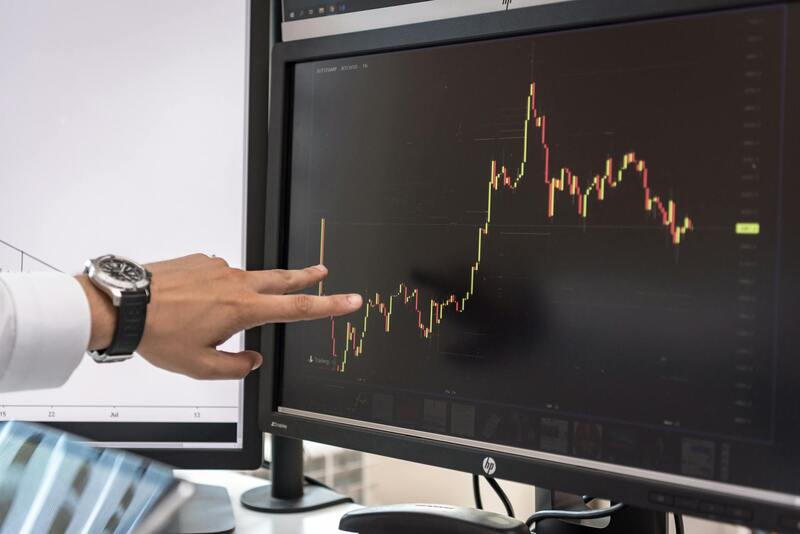
Data feeds are another vital component, providing real-time information on price movements, order book depth, blockchain confirmations, and market sentiment indicators. Access to accurate, timely data allows traders to make informed decisions and adjust strategies swiftly. Many firms utilize premium data services to gain an edge in detection and response times, especially during rapid market shifts.
Security protocols are paramount in protecting trading environments from cyber threats and unauthorized access. Multi-layered security measures—including encryption, two-factor authentication, and intrusion detection systems—help safeguard sensitive financial data and trading algorithms. Additionally, using cold storage for digital assets and implementing strict access controls further mitigate risks associated with hacking or internal breaches.
Trading infrastructure in crypto prop trading also encompasses hardware considerations, such as colocated servers near exchange data centers, which reduce latency and improve execution speed. Cloud-based solutions are increasingly adopted for scalability and redundancy, ensuring continuous operation even during technical failures or cyber attacks.
To support complex trading strategies, many firms integrate machine learning-driven analytics and blockchain-based compliance tools. These innovations streamline decision-making, automate risk assessments, and facilitate transparent reporting. As technology advances, the integration of decentralized financial (DeFi) protocols and smart contract automation is also becoming more prevalent, offering new avenues for executing and managing trades efficiently and securely.
Understanding Crypto Prop Trading
Crypto proprietary trading, commonly known as crypto prop trading, involves trading digital assets using a firm's capital with the goal of generating profits. Unlike retail traders who operate with personal funds, entities engaged in crypto prop trading leverage the resources and infrastructure of specialized firms equipped with sophisticated algorithms, advanced analytics, and access to diverse markets. This approach enables traders to execute large-scale trades with minimal capital from their own pockets, taking advantage of the firm's risk management protocols and capital allocation structures.

Legal and Regulatory Environment
Participation in crypto prop trading requires adherence to established frameworks that govern financial markets and digital asset operations. Although the regulatory landscape varies across jurisdictions, firms and traders must comply with standards related to anti-money laundering (AML), know your customer (KYC), and customer protection measures. Operating within these guidelines ensures transparency and helps maintain operational integrity.
Traditional financial regulators are increasingly scrutinizing crypto activities, leading to clearer rules for entities involved in digital asset trading. This includes licensing requirements, reporting obligations, and adherence to cybersecurity standards aimed at safeguarding financial data and user information. Engaging with these regulations ensures a sustainable trading environment and fosters trust among clients and trading partners.
Funding and Capital Access
Access to trading capital is often facilitated through partnerships between firms and institutional investors. These relationships provide highly liquid funds dedicated to crypto prop trading, allowing traders to execute large positions without the constraints faced by retail investors. Some firms also implement internal funding models, allocating resources based on performance metrics and risk assessments.
Moreover, traders within these firms often undergo rigorous evaluation processes to demonstrate proficiency before gaining access to significant trading budgets. Capital allocation is managed through systematic protocols that aim to balance risk exposure with profit potential, thereby ensuring the sustainability of trading operations.
Trading Strategies in Crypto Prop Trading
Crypto prop traders employ a diverse array of strategies to capitalize on market volatility and liquidity. These include:
- Arbitrage: exploiting price discrepancies across different exchanges or markets.
- Market Making: providing liquidity by placing buy and sell orders to profit from bid-ask spreads.
- Momentum Trading: riding on short-term price trends based on technical signals.
- Algorithmic Trading: deploying automated algorithms that execute trades based on predefined criteria.
- HODLing and Swing Trading: holding assets over longer durations to benefit from market swings.
These strategies are often supported by advanced algorithms and empirical analysis, enabling traders to respond swiftly to market shifts and optimize position management.
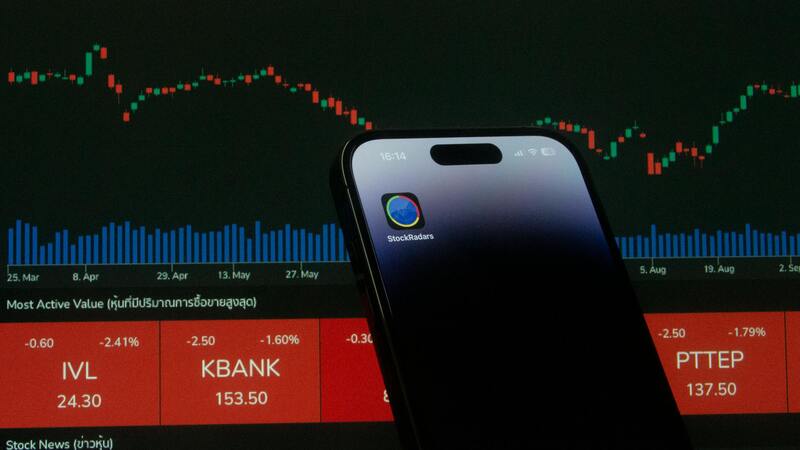
Risk Management and Compliance
Effective risk management is pivotal in crypto prop trading due to the high volatility associated with digital assets. Firms implement comprehensive protocols such as stop-loss orders, position sizing rules, and real-time monitoring systems to mitigate downside risks. These measures protect both the firm’s capital and traders from substantial losses.
Compliance with internal policies and external regulations ensures that trading activities adhere to legal standards, minimizing exposure to penalties or reputational damage. Regular audits, secure transaction protocols, and adherence to market conduct standards are integral components of a robust compliance framework.
Technology and Infrastructure
Modern crypto prop trading relies heavily on technological advancements to execute high-frequency trading, manage risk, and ensure security. Firms utilize colocated servers and low-latency infrastructure near major exchanges to enhance trade execution speed. Cloud solutions supplement these setups by offering scalability, redundancy, and disaster recovery capabilities.
Security measures include encryption, multi-factor authentication, and intrusion detection systems to safeguard sensitive data and digital assets. Many firms also deploy blockchain-based compliance tools and machine learning algorithms to enhance decision-making, automate risk assessments, and streamline reporting processes. The integration of decentralized finance (DeFi) protocols and smart contract automation further expands trading horizons, offering innovative methods for executing and managing transactions securely and efficiently.
Comprehensive Approaches to Secure Funding and Capital in Crypto Prop Trading
Acquiring sufficient capital remains one of the pivotal elements for success in crypto proprietary trading. Unlike traditional trading firms that heavily rely on external investors or bank loans, very few crypto prop trading firms may operate solely through internal capital reserves, owing to the high volatility and rapid pace of cryptocurrency markets. Officiating genuine capital access involves meticulous structuring, leveraging innovative financing avenues, and establishing transparent processes to maintain the confidence of stakeholders and ensure operational continuity.
One proven method for funding crypto prop trading operations is through the reinvestment of profits generated from trading activities. Many firms adopt a disciplined approach to profit allocation, setting aside a designated percentage of earnings to expand trading capital, enhance infrastructure, or invest in advanced trading algorithms. This reinvestment strategy minimizes reliance on external funding and fosters a sustainable growth model based on actual trading performance.
Another prominent approach involves establishing partnerships with institutional investors who provide capital in exchange for a share of the profits. These collaborations are often formalized through well-documented agreements that specify profit-sharing terms, risk management protocols, and operational transparency. Such partnerships offer traders access to larger pools of capital while maintaining control over trading decisions, contingent on strict compliance with predefined risk parameters.

Alternative financing options include issuance of convertible notes or seeking venture capital investments tailored for fintech and blockchain sectors. These strategies require detailed business plans, comprehensive risk assessments, and clear demonstration of technological innovation and proven trading strategies. Engaging with reputable financial advisors and legal counsel ensures that fundraising efforts adhere to best practices, safeguarding the firm’s interests while attracting credible investors.
Utilizing Advanced Technology for Capital Optimization
Modern crypto prop trading firms leverage cutting-edge technology to optimize their capital utilization and operational efficiency. Algorithmic trading platforms equipped with real-time analytics enable traders to identify and capitalize on fleeting market opportunities, thereby maximizing returns relative to available capital. Additionally, risk management software automates position sizing, profit-taking, and stop-loss execution, reducing manual errors and enhancing capital preservation during volatile market shifts.
Blockchain-based asset management platforms and decentralized finance (DeFi) protocols further facilitate transparent and automated capital deployment. These tools enable seamless transfer of funds, liquidity provision, and collateral management, streamlining operational workflows while ensuring compliance with established protocols. By integrating these innovative solutions, crypto prop traders can boost capital efficiency, minimize operational overheads, and swiftly adapt to changing market dynamics.
Strategic Considerations for Capital Growth in Crypto Prop Trading
Expansion of trading capital isn’t solely a function of available funds but also involves strategic planning around risk-reward profiles, diversification, and scalability. Firms implementing systematic diversification across multiple cryptocurrencies and trading algorithms tend to reduce exposure to individual asset volatility, thereby protecting and gradually growing their capital base.
Furthermore, capital growth strategies often involve staged scaling, where firms incrementally increase their trading volume and risk exposure based on performance metrics and market conditions. Continuous data analysis and backtesting help identify optimal leverage points, ensuring that capital is deployed efficiently without overexposing the firm to undue risk.
Conclusion
Accessing and managing capital effectively is fundamental for thriving in the competitive landscape of crypto prop trading. By combining reinvestment, strategic partnerships, innovative financing, and cutting-edge technology, firms create resilient frameworks capable of enduring market volatility and seizing emerging opportunities. A disciplined approach to capital management, underpinned by robust risk controls and transparent operational practices, positions crypto prop trading firms for sustainable growth and long-term success.
