
Definition of Prop Firm Traders
Proprietary trading firms, commonly known as prop firms, employ traders who operate using the firm’s capital rather than client funds. These traders are responsible for executing trades across various financial markets, including stocks, forex, commodities, and derivatives, aiming to generate profits that benefit the firm directly. The primary role of prop firm traders revolves around leveraging their expertise, market insights, and trading strategies to maximize returns on the firm’s investment.
Unlike traditional retail traders who trade with personal funds or on behalf of clients, prop traders are authorized to trade with a firm's resources, which often allows for greater access to capital, advanced tools, and resources. This setup enables traders to take larger positions, diversify trading approaches, and benefit from the firm's infrastructure. Their success is typically tied to performance metrics and profit-sharing models, which incentivize profitability and strategic excellence.
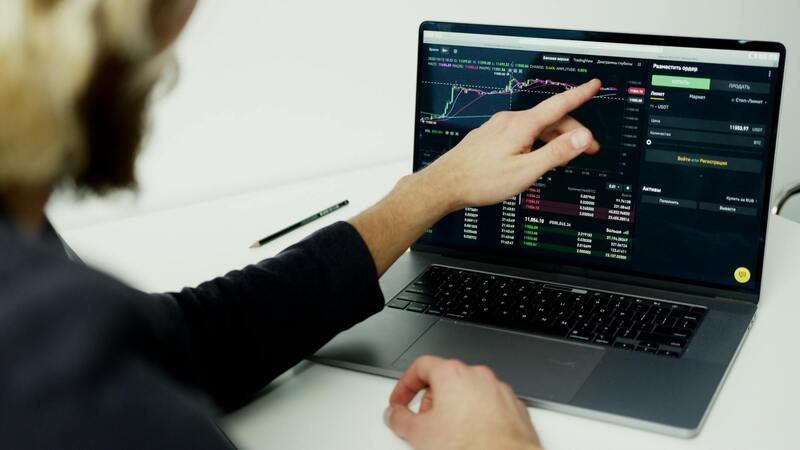
In essence, prop traders function as specialized professionals within their firms, focusing heavily on market analysis, risk management, and executing high-frequency trading strategies. Their role differs markedly from other market participants such as retail traders or institutional investors, primarily in the source of capital, trading scope, and organizational structure.
Structure and Function of Proprietary Trading Firms
Proprietary trading firms are structured to support skilled traders with infrastructure, including advanced trading software, research platforms, and access to multiple markets. These firms operate with a focus on efficiency and profitability, often employing a team-oriented approach that combines experienced traders with analysts and quantitative researchers. The core function of a prop firm is to identify lucrative trading opportunities while managing risks effectively through sophisticated models and strict oversight.
Typically, traders within these firms are subjected to assessment programs designed to evaluate their trading skills and strategies. Successful traders who meet the firm's standards gain access to the firm’s trading capital. The firm's primary goal is to facilitate these talented individuals in trading maximally while maintaining a controlled risk environment. Revenue generated from their trading activities is usually split between the trader and the firm, with arrangements varying based on the firm’s policies and trader performance.
Qualifications and Skills of Prop Firm Traders
To succeed as a prop trader, individuals typically need a robust set of skills and qualifications. Fundamental to this role are a deep understanding of financial markets, technical and fundamental analysis, and strong risk management practices. Successfully navigating volatile markets requires traders to possess sharp analytical skills, discipline, and the ability to make prompt decisions under pressure.
Many prop firms require applicants to undergo rigorous testing or trading assessments. Proven trading experience, proficiency with trading platforms, and a track record of consistent profitability are highly valued. Additionally, traders often need excellent numeracy skills, emotional resilience, and a strategic mindset to adapt to changing market conditions and execute complex trading strategies effectively.
Trading Strategies Employed by Prop Traders
Prop traders employ a diverse array of strategies tailored to different market conditions and asset classes. These include algorithmic trading, day trading, swing trading, and scalping, among others. The emphasis is often placed on leveraging quantitative models, market timing, and rapid execution to capitalize on short-term price movements.
Successful prop traders continually refine their strategies based on market analytics, economic indicators, and historical data. Many utilize proprietary algorithms and trading bots to enhance execution speed and reduce human errors. Their ability to adapt and innovate is crucial in maintaining profitability within a competitive setting.
Through disciplined application of selected strategies, prop traders aim for high-frequency trades and quick profits, all while adhering to strict risk controls established by the firm.
Structure and Function of Proprietary Trading Firms
Proprietary trading firms operate as specialized financial entities that allocate their own capital to engage in trading activities across various markets. Their core objective is to generate profit through strategic and disciplined trading, utilizing a combination of advanced technology, market insights, and experienced traders. Unlike traditional brokerage firms that facilitate client transactions, prop firms focus on their own financial standing, which allows for greater flexibility in executing high-impact trading strategies.
The business model of a prop trading firm involves the collection and management of capital from internal resources or external investors intending to partner with the firm. These firms employ traders who are given access to significant capital pools, often with predefined risk limits, to execute trades across asset classes such as equities, commodities, forex, and derivatives. The firms typically develop proprietary algorithms, trading platforms, and analytical tools to stay competitive and responsive to market shifts.
To ensure consistent profitability, prop firms implement structured risk management protocols, sophisticated trading infrastructure, and ongoing trader performance monitoring. Many firms encourage innovation and strategy refinement through collaborative environments and regular training sessions. Funding models frequently include profit-sharing arrangements, which motivate traders to optimize their strategies and adhere to strict risk controls. By controlling the entire trading process, from strategy development to execution, prop firms aim to capitalize on market opportunities with agility and precision.
Qualifications and Skills of Prop Firm Traders
Traders seeking to join proprietary trading firms must demonstrate a comprehensive set of skills and qualifications that align with the firm's strategic objectives. Most firms prioritize candidates with a solid foundation in financial markets, quantitative analysis, and trading platforms. A proven track record of consistent profitability, often backed by verifiable performance data, is highly valued during the selection process.
In addition to technical proficiency, successful prop traders possess strong analytical skills, critical thinking, and the ability to interpret complex market data swiftly. Emotional resilience and discipline are crucial traits, enabling traders to maintain composure during volatile market conditions and adhere to risk management protocols. Many firms also look for adaptable individuals capable of refining their strategies based on evolving market dynamics and technological advancements.
Proficiency with trading software, familiarity with algorithmic trading, and a strategic mindset are considered essential. Candidates often undergo rigorous testing or simulation exercises designed to assess their decision-making process, risk assessment, and consistency under pressure. Candidates with a background in finance, computer science, mathematics, or related fields tend to have an advantage, given the quantitative nature of prop trading activities.
Structure and Function of Proprietary Trading Firms
Proprietary trading firms operate as specialized financial organizations that primarily trade with their own capital, aiming to generate profits through active market participation. These firms typically structure their operations around a team of skilled traders, supported by advanced technological infrastructure, comprehensive risk management systems, and collective strategic frameworks. The core function of a prop firm is to identify profitable trading opportunities across various asset classes, including equities, commodities, foreign exchange, and derivatives.
At the heart of these firms are their traders, who execute trades based on proprietary strategies developed through rigorous research and analysis. Prop firms invest heavily in cutting-edge trading platforms, algorithmic models, and real-time data feeds to ensure traders have the tools necessary for swift and informed decision-making. The operational structure often includes dedicated risk officers, compliance teams, and quantitative analysts, all working collaboratively to optimize trading performance and control exposure to market risks.
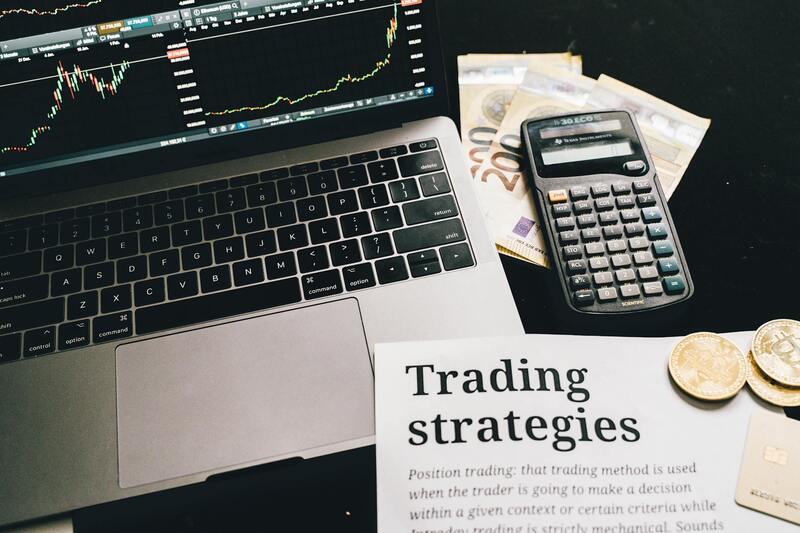
The primary goal of these firms is to leverage their capital efficiently, balancing risk and reward while fostering a culture of disciplined trading. Many proprietary firms focus on developing proprietary trading algorithms and strategies that can adapt to changing market conditions, allowing traders to capitalize on short-term opportunities or longer-term trends. The firms often operate with a high degree of autonomy for traders but within established risk guidelines designed to protect the firm's financial health.
This structure enables prop firms to maintain agility in their trading activities, quickly respond to market shifts, and pursue innovative trading techniques. The success of a prop trading firm depends heavily on its ability to attract, train, and retain talented traders, as well as its capacity to adapt to technological advancements and evolving financial regulations.
Image Placeholder

Definition of Prop Firm Traders
Prop firm traders are financial professionals who utilize their firm's capital to execute trades across various markets, aiming to generate profits through short-term and strategic trading activities. Unlike retail traders who invest their own funds, prop traders operate with the firm's resources, which enables access to larger capital pools, advanced trading tools, and extensive research support. These traders are often employed by proprietary trading firms, which focus solely on trading strategies rather than client asset management, and their primary responsibility is to identify and capitalize on market opportunities swiftly and effectively.

The role of prop traders involves a combination of technical analysis, market research, and execution skills. They are expected to manage risk carefully while pushing for high-frequency or long-term gains, depending on the firm's trading style and strategy. Their performance is closely monitored, and successful traders often receive significant profit-sharing rewards, fostering an environment of high performance and discipline.
Structure and Function of Proprietary Trading Firms
Proprietary trading firms are structured to support innovative trading activities through a well-organized operational framework. The core of these firms consists of a team of skilled traders who have access to sophisticated trading platforms, real-time data feeds, and cutting-edge algorithms. The organizational layout typically includes risk management teams, compliance officers, quantitative analysts, and support staff, each playing a vital role in ensuring effective trading while mitigating potential losses.
The operational structure allows these firms to remain agile in fluctuating markets by empowering traders with autonomy within predefined risk limits. This balance between independence and oversight helps optimize profit potential while maintaining the firm's financial stability. Many prop firms focus heavily on developing proprietary algorithms that adapt to various market conditions, enabling traders to execute high-frequency trades, arbitrage strategies, or trend-following techniques comfortably.

Qualifications and Skills of Prop Firm Traders
Successful prop traders typically possess a blend of strong analytical skills, in-depth market knowledge, and quick decision-making abilities. A background in finance, economics, mathematics, or computer science can provide a solid foundation for understanding complex trading models and strategies. Technical skills such as proficiency with trading platforms, programming languages, and quantitative analysis tools are highly valued.
Beyond technical expertise, prop traders must demonstrate discipline, emotional resilience, and risk-awareness. Effective communication and teamwork skills are also essential, particularly when working within a broader organizational framework that emphasizes collaboration among traders, analysts, and risk managers. Many firms prefer candidates who have prior trading experience or proven success with simulated trading environments, exemplifying their ability to perform under pressure and adapt to market volatility.

Definition of Prop Firm Traders
Proprietary firm traders, commonly known as prop traders, are individuals or teams authorized to trade various financial instruments using the firm's capital. Unlike retail traders who utilize personal funds, prop traders operate within a professional environment where their trading activities are directly linked to the firm's financial resources. These traders are tasked with generating profit through executing a range of trading strategies across asset classes such as stocks, forex, commodities, and derivatives. Their primary goal is to maximize returns for the firm while maintaining disciplined risk management practices. Prop traders typically work under a set of predetermined trading parameters established by the firm, which guides their decision-making process and ensures alignment with organizational objectives.

Structure and Function of Proprietary Trading Firms
Proprietary trading firms are structured to support high-performance trading operations with an emphasis on efficiency, compliance, and risk control. The organizational layout usually involves multiple departments including trading desks, quantitative analysis teams, risk management, and compliance staff. Traders operate within a framework that encourages both independent decision-making and collaborative efforts to optimize profitability. The firm provides access to advanced trading technology, sophisticated analytical tools, and data feeds to support trading activities. Additionally, risk managers continually monitor trading activities to prevent excessive losses and ensure adherence to risk parameters. Many prop firms are also highly data-driven, utilizing proprietary algorithms and machine learning models to identify trading opportunities and execute trades at high speeds. This structure underscores the importance of both individual skill and technological leverage in prop trading enterprise.

Qualifications and Skills of Prop Firm Traders
Successful prop traders exhibit a blend of technical competence, analytical ability, and emotional stability. A robust educational background in finance, economics, mathematics, or computer science often serves as a foundation. Technical skills—including proficiency with trading platforms, programming languages like Python or R, and quantitative analysis tools—are highly valued and often necessary for developing and executing advanced trading algorithms. Beyond technical prowess, prop traders must demonstrate disciplined trading habits, exceptional decision-making speed, and resilience in high-pressure environments. They should possess a heightened awareness of risk, with the ability to adapt swiftly to market disruptions. Effective communication and teamwork are equally vital; traders frequently collaborate with analysts and risk managers to refine strategies and maintain organizational cohesion. Many firms prefer candidates with prior trading experience, particularly those who have shown success in simulated trading settings, as these experiences demonstrate their capacity to perform consistently under market volatility. The required skill set thus combines analytical competence, technological proficiency, and psychological endurance, forming the backbone of a high-performing prop trader.
Trading Strategies Employed by Prop Traders
Prop traders utilize a diverse array of trading strategies designed to profit from market inefficiencies and directional movements. Quantitative strategies, including statistical arbitrage and high-frequency trading, rely on sophisticated algorithms and rapid execution speeds to exploit small price discrepancies across related assets. Trend-following techniques focus on identifying momentum in specific markets, initiating trades aligned with prevailing trends while employing strict stop-loss protocols. Mean reversion strategies aim to capitalize on price deviations from historical averages, triggering trades when asset prices temporarily stray from their equilibrium points. Arbitrage tactics are also prevalent, particularly in markets with cross-asset or cross-market mispricing, where assets can be bought and sold simultaneously to lock in riskless profits. Prop traders often combine multiple strategies, tailoring their approach to current market conditions, volatility levels, and asset-specific details. Continuous refinement of these methods through backtesting and real-time data analysis enables traders to adapt and optimize their routines for sustained performance in dynamic trading environments.
Advantages of Working as a Prop Firm Trader
Engaging in proprietary trading offers numerous benefits that can significantly enhance a trader's professional trajectory. One of the primary advantages is the access to substantial trading capital, which allows traders to execute larger positions than they could independently, thereby increasing potential profit opportunities without the risk of personal capital depletion. This capital backing also promotes a more disciplined approach, as traders are often required to adhere to stringent risk management protocols set by the firm.
Beyond financial resources, prop firms provide advanced trading technologies and infrastructure that are typically unavailable to individual traders. These include high-speed execution platforms, real-time data feeds, sophisticated analytics, and proprietary trading algorithms. Such tools enable traders to develop, test, and deploy complex strategies with greater accuracy and efficiency, ultimately bolstering their decision-making processes.
Another significant benefit lies in the professional environment cultivated within prop firms. Traders have opportunities for mentorship, skill development, and continuous education, which are critical for honing their craft in a competitive space. The collaborative nature of prop trading teams fosters idea sharing and strategic innovation, further sharpening traders' capabilities.
Moreover, prop traders often experience a performance-based compensation structure that rewards skill, risk management, and consistency. This setup incentivizes traders to maintain disciplined trading routines and pursue continual improvement, aligning their personal success directly with their trading results. Such an environment motivates traders to refine their strategies and adapt swiftly to market shifts.

Participating as a prop trader also exposes individuals to a broad spectrum of market conditions and asset classes, enhancing their experience and versatility. This exposure allows traders to diversify their skills and strategies, ultimately contributing to more comprehensive trading expertise.
In addition, many prop firms foster a network of professional traders and industry experts, providing invaluable connections and insights. These relationships can facilitate knowledge exchange, mentorship opportunities, and access to industry best practices, contributing to long-term career development.
Overall, working as a prop firm trader combines the advantages of financial resources, advanced tools, professional growth, and a competitive environment, making it an attractive career choice for those committed to excelling in the realm of trading.
Definition of Prop Firm Traders
Prop firm traders, also known as proprietary traders, are individuals who handle trading activities using the capital provided by a proprietary trading firm. Unlike retail traders, who trade with their own funds, prop traders operate with the firm's resources, aiming to generate profits through executing various trading strategies across diverse financial instruments. These traders often specialize in specific markets such as equities, forex, commodities, or derivatives, leveraging their expertise to identify opportunities that align with the firm’s risk appetite and market outlooks.
In this setup, prop traders are typically employed or contracted by the firm, which supplies the necessary capital, technological tools, and research support. Their primary goal is to maximize returns while managing risk effectively within the framework established by the firm. This model allows traders to scale their positions beyond personal capital limitations, providing a significant advantage in terms of potential returns, provided that they adhere to the firm’s guidelines and risk management protocols.
Structure and Function of Proprietary Trading Firms
Proprietary trading firms are structured to support traders with a combination of capital, technology, and research capabilities. These firms typically operate with a team of professional traders, risk managers, and research analysts. The core function of the firm revolves around deploying its assets into various markets to generate profits, often using sophisticated algorithms, trading platforms, and data analysis tools.
The operational framework of these firms emphasizes strict risk management protocols and performance metrics. Traders are guided by predefined risk limits, profit targets, and trading rules designed to safeguard the firm's capital while offering traders the flexibility to execute their strategies. This environment fosters a high-performance culture where risk-adjusted returns are prioritized.
Qualifications and Skills of Prop Firm Traders
Success as a prop trader depends on a combination of technical skills, market understanding, and disciplined trading discipline. Essential qualifications often include a solid educational background in finance, economics, or related fields. Practical skills such as technical analysis, chart pattern recognition, and proficiency in trading software are crucial. Sound knowledge of risk management techniques and emotional resilience also play vital roles in maintaining consistent performance amid market volatility.
In addition, prop traders need to demonstrate adaptability to different market conditions, strong decision-making capabilities, and the ability to execute trades rapidly based on real-time information. Many firms prefer candidates with a proven track record of trading success under simulated or live conditions, highlighting their risk control abilities and strategic thinking.
Trading Strategies Employed by Prop Traders
Prop traders utilize an array of trading strategies tailored to exploit market inefficiencies and take advantage of liquidity and volatility. Common approaches include:
- Scalping: Making numerous small trades to profit from tight bid-ask spreads and short-term price movements.
- Day Trading: Opening and closing positions within the same trading day to capitalize on intraday price fluctuations.
- Momentum Trading: Riding the trend of a particular asset by identifying strong directional movement and trading in that direction.
- Swing Trading: Holding positions for several days or weeks, aiming to profit from expected short- to medium-term price shifts.
- Algorithmic Trading: Leveraging algorithms and quantitative models to execute trades based on predefined criteria, often at high speed and frequency.
Each strategy involves rigorous testing, constant adaptation, and meticulous risk management to ensure alignment with organizational goals and compliance standards.
Profit Sharing and Compensation in Prop Trading
Compensation structures in prop trading are typically performance-based, emphasizing the trader’s ability to generate profits while maintaining disciplined risk controls. Many firms employ a profit-sharing model where traders receive a percentage of the earnings they produce, often ranging from 50% to 80%. This incentivizes skillful trading, consistent performance, and prudent risk management.
In addition to profit sharing, some firms offer base salaries, bonuses, or commission-based incentives aligned with individual or team performance. Traders might also have clarity on drawdowns or loss limits, with structured plans to support ongoing development and risk mitigation. The combination of these elements creates an environment where financial reward is directly tied to trading effectiveness and overall contribution to the firm’s success.
Advantages of Working as a Prop Firm Trader
Being a prop firm trader offers several notable advantages. Firstly, access to substantial trading capital allows individuals to execute larger trades and leverage market movements more effectively than with personal funds. This amplifies profit potential while simultaneously enabling traders to diversify their strategies across different asset classes.
Secondly, prop traders benefit from advanced trading tools, real-time data feeds, and research resources that enhance decision-making accuracy and speed. The professional environment promotes continuous learning and skill development through exposure to various market conditions and collaboration with industry experts.
Furthermore, the performance-driven culture motivates traders to refine their techniques, manage risks vigilantly, and adapt swiftly to market changes. The support infrastructure often includes mentorship, training programs, and risk management frameworks that underpin sustainable trading careers.
Lastly, working with a reputable prop firm provides opportunities for career growth, recognition, and the development of a broad industry network. These elements collectively foster a professional trading environment that emphasizes skill mastery, resilience, and consistent profitability.
Risks and Challenges Faced by Prop Traders
While working as a proprietary firm trader offers numerous advantages, it is essential to understand the inherent risks and challenges associated with this profession. These factors require traders to maintain discipline, resilience, and a continuous learning mindset to thrive in a competitive environment.
Market Volatility and Unpredictability
One of the most significant hurdles faced by prop traders is market volatility. Sudden price swings, unexpected geopolitical events, or macroeconomic shifts can rapidly alter market conditions, making it difficult to predict outcomes accurately. Traders must adapt their strategies swiftly to mitigate losses and capitalize on emerging opportunities.
Risk Management and Capital Preservation
Effective risk management is vital in proprietary trading. Even experienced traders can encounter periods of drawdown, where losses temporarily outweigh profits. Maintaining proper position sizing, adhering to stop-loss protocols, and diversifying across asset classes are critical practices to protect trading capital. Firms often enforce rigorous risk controls, but consistent discipline remains a trader’s personal responsibility.
Performance Pressure and Psychological Stress
The performance-driven nature of prop trading can generate considerable psychological stress. Traders are judged primarily on their profitability, which might lead to high-pressure situations, especially during losing streaks. Developing mental resilience and a disciplined trading routine are essential for navigating these stressors effectively.

Technological Reliance and Data Dependence
Proprietary traders heavily depend on sophisticated trading platforms, real-time data feeds, and analytical tools to make informed decisions. Any technical malfunction, cybersecurity breach, or connectivity issue can disrupt trading activities, leading to missed opportunities or unintended losses. Maintaining robust technological infrastructure and security protocols is crucial.
Regulatory and Compliance Obligations
As the financial industry continues to evolve, prop firms and their traders must stay compliant with relevant regulations, reporting standards, and internal policies. Non-compliance can result in penalties, reputation damage, or operational restrictions. Accurate record-keeping, transparent trading practices, and adherence to established guidelines are vital components in managing these compliance risks.
Conclusion
Although the environment of prop trading offers significant potential for profit and professional growth, it demands a comprehensive approach to risk mitigation and strategic planning. Traders must cultivate discipline, leverage technology responsibly, and remain adaptable to navigate the dynamic landscape effectively. By understanding and preparing for these challenges, prop traders can better position themselves for sustained success in this competitive arena.
