
Understanding Proprietary Trading: An In-Depth Explanation
Definition of Proprietary Trading
Proprietary trading, often abbreviated as prop trading, refers to the practice where trading firms or financial institutions buy and sell financial instruments using their own funds, rather than acting on behalf of clients or investors. In essence, the core concept revolves around firms utilizing their own capital to generate profits through strategic market positions. This approach distinguishes itself from traditional brokerage services, where commissions are earned by facilitating client trades. Instead, prop trading firms take on market risk, aiming to capitalize on market movements, arbitrage opportunities, and various trading strategies designed to maximize returns on their own investments.

The primary motivation behind proprietary trading is to leverage specialized knowledge, advanced technology, and innovative trading algorithms to identify profitable opportunities. Since firms trade with their own capital, they assume all associated market risks, but the potential for substantial profits incentivizes continuous development of sophisticated trading methods. Proprietary trading is a critical component in the broader financial industry, often contributing to market liquidity and efficiency, while also presenting unique opportunities for traders and firms seeking high returns.
How Proprietary Trading Works
Proprietary trading operates through a structured process combining research, risk management, and advanced technology. Firms typically employ professional traders, quantitative analysts, and software developers who work together to deploy complex trading strategies. These strategies can include:
- Algorithmic trading based on mathematical models
- High-frequency trading to capitalize on minute price movements
- Market making to provide liquidity and earn bid-ask spreads
- Arbitrage opportunities across different markets or instruments
These activities are guided by strict risk management protocols to control exposure and safeguard the firm's capital. A proprietary trading firm might focus on specific asset classes such as equities, options, commodities, or foreign exchange, depending on their expertise and market conditions. Capital allocation, trade execution speed, and real-time data analysis are crucial elements that determine success in prop trading.
Types of Proprietary Trading Firms
Proprietary trading firms vary based on their operational models and strategic focus. The main categories include:
- Market Makers: Firms that provide liquidity by continuously quoting buy and sell prices, profiting from the bid-ask spread.
- Quantitative Funds: Firms that rely heavily on data-driven algorithms and mathematical models to identify trading opportunities.
- High-Frequency Trading (HFT) Firms: Companies that execute trades at extremely high speeds, often in fractions of a second, to exploit small inefficiencies.
- Discretionary Prop Traders: Traders who make decisions based on market analysis, trends, and experience rather than solely on quantitative models.
Each type employs distinct methodologies and technological infrastructure, tailored to their operational goals and market niches.
Visual Placeholder 1

How Proprietary Trading Works
Proprietary trading firms leverage a variety of strategies, capitalizing on their own resources to maximize returns. Central to these operations is the meticulous analysis of market data, utilizing advanced technological infrastructure to execute trades swiftly and efficiently. The core of profit generation in prop trading lies in identifying mispricings, trends, and inefficiencies across different asset classes, then deploying capital optimally to exploit these opportunities.
One common approach is the use of algorithmic trading, where complex mathematical models process real-time information to generate trading signals. These algorithms can adapt to market conditions, allowing firms to respond dynamically. Traders within these firms may also employ discretionary strategies, relying on experience, technical analysis, and market intuition to inform their decisions.
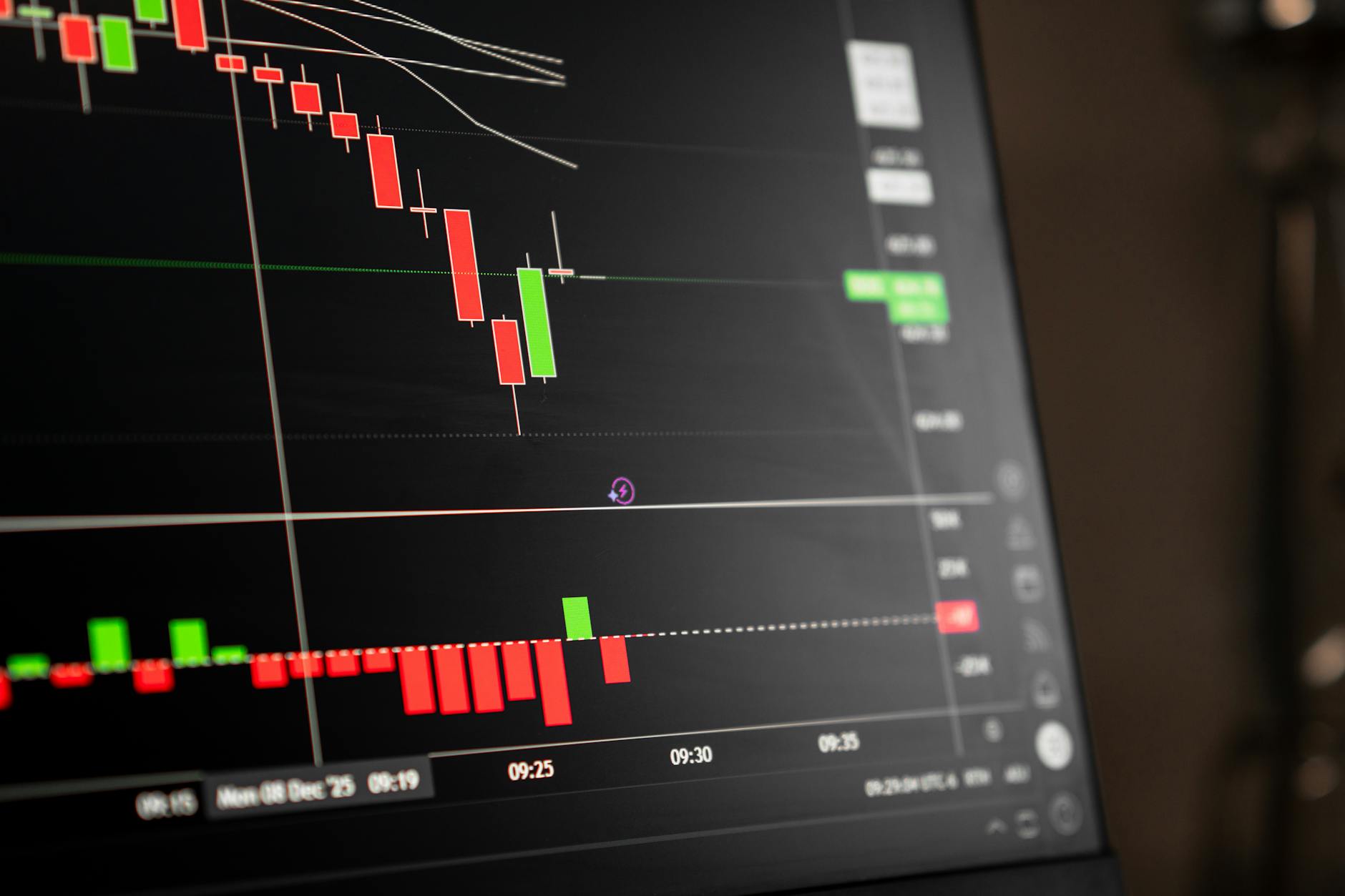
Trade execution speed is critical in prop trading, especially for high-frequency trading (HFT) entities. They capitalize on tiny price discrepancies that may only last a fraction of a second. To do this, these firms depend on state-of-the-art infrastructure, including colocated servers and ultra-low latency connections, ensuring their trades are executed faster than competitors.
Risk management protocols are integral to proprietary trading. Firms implement stringent measures such as stop-loss orders, position size limits, and real-time monitoring to control exposure and protect their capital. This disciplined approach helps traders avoid excessive losses and maintain profitability over the long term.
Another key element is the continuous analysis of market conditions. Prop traders employ a combination of quantitative tools and qualitative insights to adjust their strategies, ensuring they stay ahead of market movements. This adaptability is essential given the fast-paced nature of modern trading environments.
Capital allocation strategies are a fundamental component, with firms deciding how much capital to allocate to different strategies or asset classes based on risk-reward assessments. Allocations are dynamic, often adjusted based on ongoing performance metrics and macroeconomic developments.
Technological tools such as real-time data feeds, automated trading systems, and back-testing platforms enable traders to refine their strategies. These tools not only facilitate rapid decision-making but also help identify profitable opportunities while minimizing human error.

In essence, proprietary trading combines sophisticated analytical methods, cutting-edge technology, disciplined risk management, and swift execution to generate profits. Firms meticulously design their strategies to adapt to evolving market conditions, leveraging their expertise and infrastructure to stay competitive and profitable.
Understanding Proprietary Trading Strategies
Proprietary trading firms employ a variety of strategies tailored to maximize their trading capital and capitalize on market inefficiencies. These strategies are often categorized into quantitative, fundamental, and technical approaches, with many firms integrating multiple methods to enhance their trading effectiveness. Quantitative strategies rely heavily on mathematical models, algorithmic systems, and data analysis, enabling traders to execute high-frequency trades and identify patterns that are not immediately apparent to the human eye.
Fundamental strategies involve analyzing economic indicators, corporate earnings reports, geopolitical developments, and other macroeconomic factors to forecast asset movements. Traders utilizing these methods pay close attention to market news, economic releases, and sector-specific data to make informed decisions.
Technical strategies focus on interpreting historical price charts, volume data, and technical indicators to predict future price actions. These may include trend-following systems, breakout strategies, and mean reversion techniques. Many prop trading firms develop proprietary algorithms that synthesize these approaches, optimizing trade entries and exits to enhance profitability.

Furthermore, risk-adjusted algorithms are central to proprietary trading, where firms constantly calibrate their positions based on real-time market volatility and trade performance metrics. This continuous recalibration helps prevent overexposure during turbulent markets, ensuring the stability of the trading capital. The adoption of machine learning and artificial intelligence further enhances these strategies, allowing firms to adapt swiftly to market evolutions and uncover new trading opportunities with minimal human intervention.
Execution and Decision-Making Process
The execution phase in proprietary trading is highly automated to ensure rapid response times and reduce latency. Traders and algorithmic systems are integrated into sophisticated order management systems that facilitate the seamless placement and management of trades. Automation not only boosts efficiency but also minimizes emotional biases, allowing rational decision-making driven by data and predefined algorithms.
Decision-making in prop trading involves continuous monitoring of positions and market conditions. When criteria are met, trades are executed instantaneously through advanced electronic trading platforms. Post-trade analysis and performance evaluation are integral components, providing feedback to refine strategies and improve future performance.
Impact of Market Conditions on Proprietary Strategies
Market volatility, liquidity, and macroeconomic shifts heavily influence proprietary trading tactics. During periods of high volatility, firms may prioritize risk management protocols, scaling back on aggressive positions and focusing on short-term, high-probability trades. Conversely, in more stable markets, they might employ longer-term strategies, leveraging trend-following models to generate sustained profits.
Additionally, firms keep a close watch on macroeconomic indicators that could signal shifts in market direction. This vigilance allows them to adjust their strategies proactively, either by reallocating capital or by modifying risk thresholds. Maintaining flexibility and adaptiveness is essential for navigating the complexities of various market environments.
Investments in Technology and Infrastructure
The backbone of effective proprietary trading is the robust technological infrastructure that supports strategy deployment, data analysis, and trade execution. Investment in high-performance servers, low-latency data feeds, and advanced analytics platforms enables firms to execute trades swiftly and accurately. The integration of cloud computing and scalable systems further enhances their capacity to process vast amounts of market data in real-time, enabling more sophisticated and adaptive trading models.

Automation tools, such as algorithmic trading bots and back-testing platforms, play a pivotal role in strategy development and implementation. These tools facilitate continuous testing of new ideas, allowing traders to analyze potential outcomes using historical data before deploying real capital. As a result, firms are able to create highly optimized trading strategies that are resilient across different market scenarios.
Overall, proprietary trading leverages advanced analytical techniques, technologically sophisticated execution systems, and continuous strategic refinement to achieve competitive advantages in the financial markets. This integrated approach enables traders and firms to identify and capitalize on fleeting opportunities, ensuring sustained profitability and growth in a dynamic trading landscape.
Understanding How Proprietary Trading Operates in Practice
Proprietary trading firms employ a range of strategies that are heavily reliant on sophisticated technology and analytical methodologies. These firms leverage real-time market data and advanced algorithms to identify and execute profitable trades across various asset classes. By utilizing proprietary software tools, traders monitor multiple markets simultaneously, allowing for quick decision-making and efficient trade execution.
One of the fundamental practices in proprietary trading involves quantitative analysis, where firms develop mathematical models that predict short-term price movements based on vast datasets. These models are tested and refined through extensive back-testing procedures to ensure robustness under different market conditions. Once validated, the models are deployed in live trading environments, often through automated systems that can respond to market signals without human intervention.
The deployment of high-frequency trading (HFT) is also prevalent within proprietary trading, characterized by executing a large number of trades within fractions of a second. HFT relies on ultra-low latency infrastructure and direct market access to capitalize on minor price discrepancies before they disappear. This technique demands not only cutting-edge hardware but also resilient connectivity to exchanges, minimizing delays in data transmission and order execution.
Customized Strategies and Risk Management Frameworks
Proprietary firms often develop highly tailored trading strategies designed to exploit specific inefficiencies or market trends. These strategies are continuously monitored and adjusted to maintain performance amid evolving market dynamics. Risk management plays a critical role, with proprietary firms implementing strict controls such as stop-loss orders, position limits, and real-time risk assessment tools to safeguard capital.
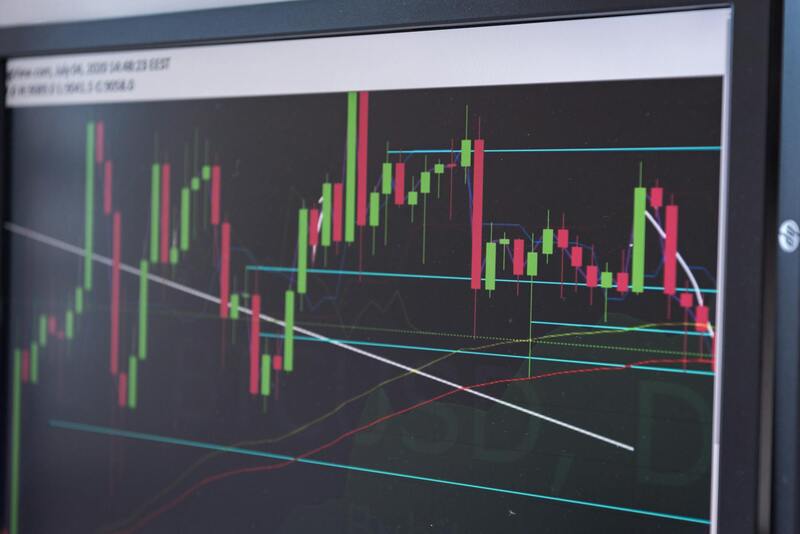
Additionally, proprietary traders employ scenario analysis and stress testing to understand potential losses during adverse market conditions. This proactive approach ensures that trading strategies remain resilient, and capital exposure is kept within acceptable boundaries. Advanced visualization tools and real-time dashboards help traders and risk managers keep track of positions, profit and loss metrics, and risk indicators.
Market Adaptation and Strategic Flexibility
The landscape of proprietary trading is constantly changing, driven by shifts in market volatility, liquidity conditions, and regulatory landscapes. Firms invest heavily in research and development teams tasked with developing innovative trading ideas and adapting existing models to new conditions. This continuous strategic refinement allows firms to stay competitive and capitalize on emerging opportunities.
Moreover, successful proprietary traders maintain a diverse portfolio of strategies that can be toggled or adjusted based on prevailing market conditions. This flexibility helps mitigate risks associated with market unpredictability, ensuring the firm’s trading approach remains agile and responsive to sudden changes in market regimes.
Through a combination of technological prowess, strategic adaptability, and disciplined risk controls, proprietary trading firms operate in a highly competitive environment with the potential for significant rewards. The constant evolution of methods and tools underpins their ability to generate consistent profit streams across different trading cycles.
Different Approaches to Proprietary Trading
Proprietary trading firms utilize a variety of strategies based on their specific expertise, technological capabilities, and market focus. These approaches are designed to leverage the firm’s capital efficiently while managing associated risks effectively.
One common approach is market making, where firms provide liquidity by quoting bid and ask prices for various financial instruments. This strategy involves capturing the spread between buy and sell prices, earning profit from high-frequency trades executed within milliseconds. Market makers often employ advanced algorithms capable of analyzing order book dynamics and detecting short-term trading opportunities.
Statistical arbitrage is another popular methodology, relying on quantitative models to identify price discrepancies between related assets. These models analyze historical data and predictive indicators to execute multiple small trades that, collectively, generate profit over time. Firms investing in this area typically adopt sophisticated machine learning techniques to refine their models continuously.
Trend following and momentum strategies focus on identifying persistent market trends. Traders monitor technical indicators and market signals to enter positions that capitalize on directional movements. These strategies require a keen understanding of market cycles, often complemented by automated systems that execute trades without human intervention.
Additionally, some firms specialize in event-driven strategies, such as trading around corporate actions like earnings reports, mergers, or macroeconomic events. These approaches depend heavily on real-time news analysis and sentiment tracking, supported by robust data feeds and AI-powered analytics.
Each proprietary trading approach involves specific risk management techniques tailored to its operational characteristics. For instance, high-frequency strategies emphasize tight risk controls to limit exposure from rapid market fluctuations, while longer-term trend strategies may incorporate broader diversification to offset directional risks.
Ultimately, the choice of trading approach aligns with the firm’s core competencies, resource availability, and market environment. The ability to adapt and refine these strategies in response to evolving market conditions is crucial for sustained profitability and growth in the proprietary trading landscape.
Legal and Regulatory Environment
Proprietary trading firms must operate within a complex framework of regulations designed to ensure market stability and protect investors. While the specific rules can vary across jurisdictions, key principles include maintaining transparency, adhering to capital adequacy standards, and implementing comprehensive compliance protocols. These regulations aim to foster a fair trading environment and mitigate systemic risks associated with high-volume trading activities.
Most firms develop internal compliance programs aligned with regulatory requirements, such as establishing procedures for monitoring trading activities and conducting regular audits. These practices help detect and prevent practices that could inadvertently contravene trading standards or market integrity. Additionally, firms often employ dedicated compliance officers who stay abreast of changes in trading laws and ensure procedural adherence.
Market participants typically utilize advanced surveillance tools to track trading behaviors and identify anomalies. This technology not only supports regulatory compliance but also enhances risk management by enabling firms to respond swiftly to suspicious activities. Regulatory bodies periodically review trading firms' operations through audits and reporting mandates, emphasizing the importance of robust internal controls.

Adherence to these standards is crucial for maintaining operational integrity and ensuring seamless trading processes. Firms that prioritize compliance and transparency build trust within the financial markets, which is essential for long-term success in proprietary trading endeavors.
Technology and Tools in Prop Trading
Integrating cutting-edge technology is fundamental to the success of proprietary trading operations. Firms leverage a wide array of tools, ranging from advanced algorithmic trading platforms to real-time data analytics. These technologies enable rapid decision-making, precise execution, and efficient risk management.
Automated trading systems utilize algorithms that process vast datasets and execute trades within milliseconds, allowing traders to capitalize on fleeting market opportunities. Simultaneously, sophisticated risk management software monitors positions, calculates exposure, and enforces predetermined risk limits to prevent significant losses.

Additional tools include sentiment analysis platforms, which parse news feeds and social media to gauge market sentiment, and AI-driven predictive models that refine trading strategies over time. These tools enhance a firm’s ability to anticipate market movements and adapt quickly to changing conditions, ultimately contributing to a competitive edge.
Understanding the Proprietary Trading Environment
Official Methods in Proprietary Trading
For traders and firms interested in engaging in proprietary trading through legitimate avenues, there are well-established channels that ensure adherence to industry standards and best practices. Utilizing proprietary trading platforms provided by licensed firms allows traders to access real-time market data, advanced order execution tools, and comprehensive risk management systems. These platforms are designed to meet rigorous operational standards, enabling traders to execute strategies with precision and reliability.
Many accredited prop trading firms require traders to undergo formal training and certification processes. This ensures that traders are well-equipped with the necessary knowledge of market mechanics, trading strategies, and compliance protocols. Participating in structured onboarding enhances a trader's ability to operate effectively within the regulatory framework and leverage official trading resources.
Additionally, proprietary trading firms often maintain strict internal policies for trade validation, reporting, and audit trails. These protocols serve to authenticate every transaction, ensuring transparency and accountability within the trading environment. Engaging with firms that uphold these standards provides a stable foundation for developing and executing trading strategies while adhering to official industry norms.

Specifically Authorized Techniques for Profitable Trading
Authorized approaches in proprietary trading include quantitative analysis, algorithmic trading, and systematic strategies that align with established market practices. Quantitative analysis involves analyzing extensive datasets to identify patterns and opportunities, often utilizing proprietary software tools designed for high efficiency and accuracy.
Algorithmic trading involves developing and deploying algorithms that automatically execute trades based on predefined criteria. These systems are constructed to optimize execution speed, minimize market impact, and maintain compliance with trading protocols. Traders using these techniques often rely on custom-coded algorithms verified through backtesting and live testing within approved environments.
Straightforward, rule-based trading strategies, such as momentum trading or arbitrage, are also employed within official frameworks. These strategies leverage market inefficiencies, applying disciplined rules to capitalize on short-term opportunities, all while maintaining strict risk controls mandated by the firm and regulators.
Risk Management and Compliance Measures
Robust risk management practices are integral to official proprietary trading. Firms implement tailored software solutions that monitor exposure levels, enforce trading limits, and generate real-time risk reports. These tools help traders stay within predefined risk parameters, avoiding excessive losses.
Compliance is further reinforced through internal audits, periodic staff training, and adherence to trading protocols aligned with industry standards. Regular supervision by compliance officers ensures that trading activities remain within approved operational and ethical boundaries. Such measures foster an environment of trust and stability, enabling firms to sustain profitable operations while upholding all essential policies.

Integrating Safe and Legitimate Trading Practices
For traders seeking to engage in legitimate proprietary trading, the focus should be on establishing relationships with reputable firms that prioritize transparency, compliance, and secure technological infrastructure. Engaging with such entities ensures that trading activities are conducted through proper channels, utilizing authorized techniques supported by official resources and in accordance with applicable standards.
By maintaining thorough records, participating in ongoing training, and employing proven trading frameworks, traders can build a sustainable career in proprietary trading. These steps not only support profitable endeavors but also reinforce adherence to established professional practices, fostering a trustworthy and resilient trading environment.
Official and Legitimate Methods for Proprietary Trading
Engaging in proprietary trading through official and legitimate channels involves adherence to established procedures, respecting regulatory frameworks, and utilizing accepted practices and tools. The goal is to ensure that trading activities are transparent, well-documented, and performed within the bounds of industry standards.
Partnering with Reputable Firms
One primary method for practicing proprietary trading legitimately is by forming agreements with established proprietary trading firms. These firms typically have rigorous vetting processes and maintain transparent operational policies, allowing traders to access capital and trading infrastructure under clear contractual arrangements. Such partnerships usually include comprehensive onboarding procedures, data sharing protocols, and adherence to risk management practices mandated by the firm.
Establishing Clear Contracts and Agreements
- Detailed contractual documentation specifying trader responsibilities and limits
- Transparent risk sharing and profit allocation agreements
- Defined operational and compliance protocols
Utilizing Authorized Trading Platforms and Technologies
- Access through approved trading software supported and monitored by the firm
- Secure technological infrastructure with regular audits and updates
- Use of official APIs and trading tools endorsed by the firm
By operating through these formal channels, traders ensure that their activities are conducted within accepted legal and ethical boundaries, aligning with the firm's compliance policies.
Following Industry Standards and Regulations
Engaging in legitimate prop trading also requires strict adherence to industry standards related to risk management, data security, and ethical conduct. This includes maintaining detailed records of trades, actively participating in ongoing training programs, and following best practices for data protection and confidentiality.
Maintaining Transparency and Documentation
- Comprehensive record-keeping of all trading activities
- Regular reporting to supervising authorities within the firm
- Documentation of compliance measures and internal audits
Ongoing Education and Skill Enhancement
- Participation in authorized training programs and seminars
- Staying updated on regulatory changes and industry innovations
- Implementing best practices based on experienced mentorship and official resources
Adopting these official strategies aligns traders with industry standards, enhances operational transparency, and supports the development of a sustainable trading career. Ensuring that all activities are conducted through legitimate channels helps build trust with partners and regulators, promotes ethical trading practices, and solidifies long-term success in proprietary trading endeavors.
