
How to Start a Forex Brokerage Firm: Part 1 – Understanding the Forex Brokerage Business Model
Establishing a forex brokerage firm requires a clear understanding of its core functions and operational structures. The primary role of a forex broker is to facilitate currency trading for clients, which can include retail traders, institutional investors, and proprietary trading firms. A thorough grasp of the different brokerage models and how they serve various market participants is essential before venturing into the setup process.
Core Functions of a Forex Brokerage
The fundamental function of a forex brokerage is to act as an intermediary that provides traders with access to the foreign exchange market. This involves executing client orders, offering trading platforms, and providing market insights and analysis. A well-structured brokerage ensures seamless order execution, efficient onboarding, and appropriate support services to cultivate trader confidence and satisfaction.
Types of Brokerage Models
Forex brokerages typically operate under distinct models, each suited to different client needs and trading strategies. Understanding these models is critical for choosing the one that aligns with your business goals:
- Dealing Desk (DD) Model: Also known as Market Maker, this model involves the broker assuming the counterparty role to client trades. It allows for the creation of proprietary trading conditions and a controlled environment, but may involve inherent conflicts of interest.
- No Dealing Desk (NDD) Model: This setup routes client orders directly to external liquidity providers or interbank markets. It offers increased transparency and typically better pricing for traders, making it appealing to professional clients.
- Electronic Communication Network (ECN): An advanced form of NDD, ECN brokers connect traders with multiple liquidity sources, providing tight spreads and quick executions, ideal for experienced traders and prop firms.
Service Providers and Market Access
A reputable forex brokerage must establish relationships with liquidity providers—large financial institutions capable of supplying the necessary buy and sell rates. This connection ensures the firm can offer competitive spreads and deep liquidity, which are crucial for attracting and retaining clients, especially proprietary firms and professional traders.

Additionally, understanding how your brokerage interacts with these components helps shape your overall business strategy. Whether you opt for a market maker approach or a strictly ECN/NDD model hinges on your target clientele, desired trading conditions, and the scalability of your business.
Starting with a comprehensive knowledge of the market structure and the operational standards of different brokerage models paves the way for meticulous planning, strategic positioning, and sustainable growth in the competitive forex industry. Properly defining these foundational elements will underpin the successful launch and expansion of your forex brokerage firm.
Developing the Core Infrastructure and Trading Environment
Creating a reliable and efficient trading environment is a critical step when establishing a forex brokerage firm. This involves selecting a robust trading platform that can support the needs of your trading clientele, including proprietary trading firms and individual traders. The platform must offer real-time data feeds, advanced charting tools, customizable interfaces, and seamless trade execution capabilities.
While choosing your platform, consider factors such as user interface, ease of integration with other technological components, and scalability to accommodate future growth. Many brokers opt for popular solutions like MetaTrader 4 or MetaTrader 5, known for their stability, extensive features, and wide acceptance among traders. However, custom or third-party platforms can also be tailored to specific service offerings, giving you a competitive edge.

Moreover, your technology infrastructure should include secure server hosting, reliable data encryption, and disaster recovery solutions to protect client data and maintain uninterrupted service. Integration with risk management tools, order execution systems, and CRM software enhances operational efficiency and compliance adherence.
Securing Reliable Liquidity and Market Access
Establishing strong relationships with liquidity providers is vital for offering competitive trading conditions. These connections enable your firm to access deep liquidity pools and coordinate trade executions efficiently, ensuring tight spreads and minimal slippage. Typically, this involves negotiations with prime brokers, bank liquidity providers, or non-bank financial institutions.
When forming these partnerships, consider the reliability, reputation, and technological compatibility of your liquidity sources. Many firms start by establishing relationships with multiple providers to diversify their liquidity streams, reducing dependency on a single source and enhancing overall market execution quality.

Furthermore, integrating your trading platform with liquidity feeds through secure, low-latency APIs ensures firm-wide efficiency. Tailoring your liquidity arrangements to your target market segment—whether retail, professional, or proprietary—dictates the structure and scale of these collaborations.
Implementing a Robust Risk Management Framework
Risk management forms a cornerstone of operational sustainability in the forex brokerage industry. This encompasses setting credit limits, margin requirements, and stop-loss protocols to protect your firm from adverse trading conditions. Implementing real-time risk monitoring software allows for immediate operational responses to market volatility and large client positions.
Developing clear policies for managing client exposure, margin calls, and negative balance protections helps prevent scenarios that could compromise your financial stability. Regular audits of trading activity and risk protocols ensure continuous compliance, operational integrity, and the resilience of your brokerage enterprise.

In establishing your infrastructure, focus on integrating these technical and operational elements seamlessly. Properly aligning your trading platform, liquidity access, and risk controls will create a sustainable foundation for your forex brokerage, capable of attracting high-caliber clients and supporting aggressive growth strategies without compromising stability.
Understanding the Forex Brokerage Business Model
To establish a successful forex brokerage firm, it is imperative to deeply understand the various components that constitute its business model. The foundation of a brokerage hinges on effectively connecting retail or institutional clients with liquidity providers, managing risk, and ensuring seamless trading experiences. At its core, a forex brokerage acts as an intermediary that facilitates trade executions, offering clients access to currency markets through robust technological infrastructure.
This model typically involves multiple revenue streams, including spreads, commissions, and overnight financing fees. A core element involves establishing relationships with primary liquidity providers, which supply the necessary market depth and pricing. Such relationships enable the brokerage to offer competitive bid-ask spreads, attracting clients seeking reliable and cost-effective trading conditions.
Operationally, the brokerage must ensure efficient order routing, execution, and settlement processes. This necessitates investing in advanced trading platforms that support high-frequency trading capabilities, encrypted data transmission, and automatic order matching. The success of the enterprise depends heavily on its ability to deliver real-time, accurate prices, and quick order execution, minimizing slippage and ensuring client satisfaction.

Furthermore, establishing a sustainable fee structure and clearing system ensures transparency and profitability. Effective client onboarding procedures, comprehensive KYC (Know Your Customer) protocols, and clear trading policies form the backbone of operational integrity. These elements, when integrated seamlessly, foster trust and support long-term growth.
The business model also demands continuous market analysis, technological innovation, and adaptation to trading trends and client needs. A well-rounded understanding of these components helps in designing a profitable and resilient forex brokerage that can withstand market fluctuations while maintaining high standards of service.
Key Components of a Forex Brokerage Business Model:
- Relationship with liquidity providers and market makers
- Trading platform technology and infrastructure
- Pricing strategies including spreads and commissions
- Order execution and settlement processes
- Client onboarding and KYC procedures
- Risk management and compliance systems
- Revenue streams through spreads, commissions, and financing fees
- Client support and educational services
- Marketing and client acquisition strategies

Securing Capital and Establishing Financial Foundations
Launching a forex brokerage firm requires a comprehensive financial plan that ensures operational stability and capacity for growth. Initial capital requirements can vary significantly based on the scope of services, technology infrastructure, licensing fees, and marketing strategies. Typically, startups should allocate funds for licensing or registration fees, technology development or licensing, liquidity provisioning, legal consultations, and initial marketing campaigns.
Accessing funding sources can involve a mix of personal savings, angel investors, venture capital, or specialized financial institutions willing to support emerging brokers. Establishing strong financial backing not only provides a cushion against market volatility but also instills confidence among potential clients and liquidity providers. Maintaining detailed financial projections and cash flow forecasts is crucial for understanding funding needs and avoiding shortfalls.

Proper financial planning encompasses setting aside reserves for operational costs, technology maintenance, and unexpected market movements. Additionally, ensuring transparency with investors and stakeholders through regular financial disclosures helps build trust and supports future funding opportunities.
Advancing with a detailed business plan that covers revenue targets, expense management, and contingency strategies can attract investors and partners. Securing adequate capital upfront reduces the risk of operational disruptions and allows a focus on scaling the client base and broadening service offerings.
Formulating Trading Conditions and Competitive Pricing Structures
Defining clear trading conditions is essential for attracting clients and standing out in a competitive landscape. This involves setting spreads, commissions, leverage limits, and rollover rates that balance profitability with client satisfaction. A well-structured pricing model should be flexible enough to accommodate different trader preferences while ensuring the firm’s financial health.
Developing a transparent fee structure, whether through tight spreads or commission-based models, fosters trust and encourages repeat business. It’s equally vital to offer competitive leverage ratios, aligned with strategic risk management policies, to enhance trading appeal without exposing the firm to undue risk.

In addition, integrating flexible trade execution options and providing tailored account types can cater to a diverse trader demographic. An effective pricing scheme, coupled with accurate real-time data feeds, improves trading experience and positions the brokerage as a reliable platform in the forex market.
Establishing Strategic Partnerships with Liquidity Providers
Building relationships with reputable liquidity providers forms the backbone of market access and efficient trade execution. Establishing these partnerships involves negotiating spreads, commission arrangements, and credit lines that align with the brokerage’s business model. Choosing liquidity providers with deep market reach and fast execution capabilities ensures clients receive competitive quotes and minimal slippage.
Fostering transparent communication and maintaining ongoing operational dialogue with liquidity partners is essential. Well-established relationships can also facilitate access to aggregated liquidity pools, better pricing, and risk-sharing arrangements, all of which enhance service quality and operational resilience.

From a strategic standpoint, diversifying liquidity sources mitigates reliance on single providers, ensuring stable service during market fluctuations. Establishing such alliances early in the setup process and regularly reviewing partner performance can lead to optimized trading conditions and improved client outcomes.
Implementing Effective Risk Management and Compliance Protocols
Risk management is fundamental to maintaining operational integrity and protecting the firm from unforeseen market shifts. Developing comprehensive policies for margin requirements, stop-loss limits, and client due diligence prevents excessive exposure and safeguards assets.
Implementing real-time monitoring systems enables swift identification of risky trading patterns and market anomalies. Advanced risk analytics and automated controls help in adjusting spreads, collateral requirements, and leverage settings dynamically.
In parallel, establishing thorough compliance procedures ensures adherence to operational standards and trading rules. This includes regular audits, client account reviews, and anti-money laundering measures, which collectively bolster the firm’s reputation and operational stability.

Comprehensive risk controls paired with transparent reporting mechanisms reassure clients and partners alike. Continuous staff training on compliance and risk protocols is equally important for maintaining high standards of operational discipline and client trust.
Preparing for Launch and Building a Market Presence
Successfully launching a forex brokerage requires coordinated marketing efforts and strategic outreach. Defining target client segments and crafting tailored marketing messages creates a strong foundation for brand recognition. Utilizing digital marketing channels such as social media, search engine optimization, and industry partnerships accelerates client acquisition.
Developing educational resources and providing responsive customer support demonstrate a commitment to client success and satisfaction. Offering demo accounts and risk-free trial periods can attract new traders and foster confidence in the platform.
Building a resolute client onboarding process with clear instructions, educational content, and transparent fee disclosures enhances the user experience. Regular engagement through webinars, tutorials, and market insights further positions the firm as a trusted industry participant.
Choosing a Trading Platform and Technology Infrastructure
Establishing a robust trading platform and reliable technological infrastructure is fundamental to the success of a forex brokerage firm. The trading platform serves as the primary interface through which clients execute trades, monitor market movements, and manage their accounts. When selecting a platform, it is crucial to consider features such as execution speed, order types, advanced charting tools, and customization capabilities.
Opting for a reputable, well-supported trading software ensures stability and security for your clients. Many brokers choose established solutions like MetaTrader 4 (MT4) or MetaTrader 5 (MT5), known for their extensive functionalities and user-friendly interfaces. Additionally, more sophisticated web-based or proprietary platforms can offer enhanced branding opportunities and tailored features that cater specifically to your target audience.
Investment in high-performance hardware and data infrastructure underpins the platform's responsiveness and uptime, minimizing latency during trading sessions. Cloud-based hosting solutions are increasingly favored for their scalability and disaster recovery capabilities, providing seamless service even during high traffic periods.
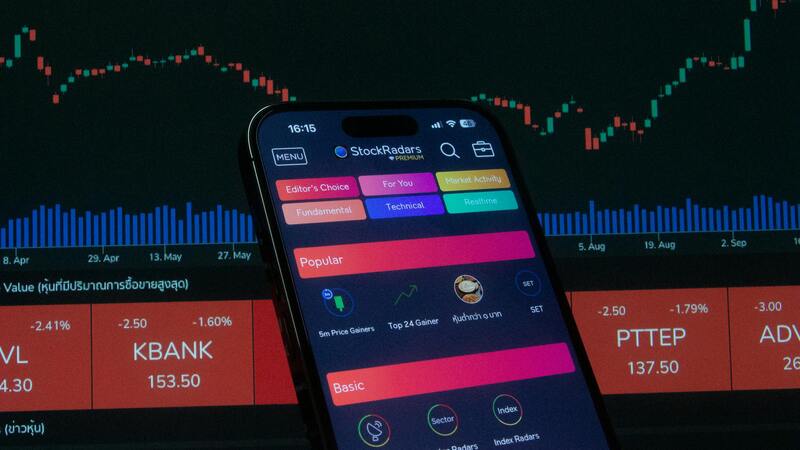
Security measures must be integrated into the platform architecture, including robust encryption protocols, multi-factor authentication, and regular vulnerability assessments. This fortifies client data and transaction security, fostering trust and confidence in your brokerage's integrity.
Integration with Liquidity and Data Providers
Seamless connectivity to liquidity providers and real-time market data feeds is essential. These integrations enable competitive spreads, rapid order execution, and access to accurate pricing information essential for executing trades effectively. API connections must be tested and optimized to sustain high volumes of trading activity without delays.
User Experience and Customer Support
A responsive and intuitive user interface reduces learning curves and improves client satisfaction. Incorporating multilingual support, customizable dashboards, and comprehensive help resources enhances engagement. Technical support teams should be readily available to troubleshoot platform issues promptly, ensuring uninterrupted trading experiences.
Compliance with Industry Standards
The platform should facilitate compliance with operational standards and regulatory expectations, including audit logs, transaction monitoring, and transparent reporting features. Automated alerts for suspicious activity help maintain operational discipline and safeguard client assets.

Developing Marketing Strategies and Client Acquisition Channels
Establishing a solid marketing plan is crucial to gaining visibility in the competitive forex brokerage landscape. A strategic approach involves multiple channels to reach potential traders effectively, including digital marketing, affiliate partnerships, and strategic networking. Digital marketing efforts should focus on targeted advertising campaigns through search engine marketing (SEM), social media platforms, and industry-specific forums. Creating valuable content such as educational resources, trading tutorials, and market analysis can attract novice and experienced traders alike. These materials serve not only as marketing tools but also as credibility-builders that demonstrate industry expertise.
Affiliate programs represent a key channel for client acquisition. Partnering with financial bloggers, trading educators, and industry influencers expands your reach. Developing attractive commission structures and transparent referral processes incentivizes affiliates to promote your services robustly. Additionally, attending industry conferences and trading expos can help build relationships with potential clients and industry stakeholders.
Maintaining Client Relations and Building Trust
Long-term success depends significantly on maintaining positive client relationships. Providing exceptional customer support through multiple channels—live chat, email, and phone—ensures traders feel valued and supported. Regular communication via newsletters and market updates keeps clients engaged and informed, fostering loyalty.
Implementing feedback mechanisms allows you to understand client needs better and tailor your offerings accordingly. Transparent reporting, quick resolution of issues, and continuous platform improvements demonstrate your commitment to client satisfaction. Moreover, offering educational resources, webinars, and trading tools can empower traders, build confidence, and enhance their overall experience.

Monitoring Market Conditions and Evolving Your Offerings
Active monitoring of market trends and client behavior insights allows your brokerage to adapt its services proactively. Analyzing trading volumes, popular currency pairs, and client feedback helps optimize trading conditions and develop new features that respond to evolving trader preferences. Regular review of your technology infrastructure ensures platform stability amid increasing traffic volume and new regulatory requirements.
Investing in ongoing training for your team, including customer support, compliance, and technical staff, keeps your brokerage aligned with industry best practices. This continuous improvement cycle ultimately reinforces your standing as a professional and reliable broker.
Establishing Strong Relationships with Liquidity Providers
Forming strategic alliances with reputable liquidity providers is a cornerstone of a successful forex brokerage. These relationships facilitate access to deep pools of liquidity, narrow spreads, and reliable order execution, which are essential for competitive trading conditions. Selecting the right liquidity partners involves evaluating their market coverage, technology compatibility, and financial stability.
Prior to entering agreements, thorough assessments of potential liquidity providers are vital. This includes reviewing their operational history, technological integration capabilities, and the transparency of their pricing. Establishing clear communication channels ensures seamless data exchange and real-time updates, which are fundamental to maintaining a smooth trading environment.
Negotiating favorable terms, such as commission structures and support services, can significantly influence your operational profitability. Additionally, understanding their risk management protocols helps safeguard against unforeseen market volatilities and ensures ongoing service reliability.

Maintaining a mutually beneficial relationship with liquidity providers requires ongoing engagement and performance evaluation. Regular audits of trade execution quality, spreads, and service responsiveness help identify areas for improvement. Keeping abreast of technological advancements and market changes ensures your brokerage remains competitive and capable of meeting trader expectations.
By integrating sophisticated trading technology and secure data exchange protocols, your brokerage can deliver fast, reliable order execution, which is critical in the fast-paced forex environment. Establishing contingency plans with liquidity providers also prepares your operation to handle unusual market conditions or technical disruptions efficiently.
Ultimately, cultivating strong, transparent, and technically aligned relationships with liquidity providers ensures that your forex brokerage can deliver consistent, high-quality trading experiences, fostering trust and growth within your client base.
Final Steps: Operational Launch and Continued Growth
Once the infrastructure, technology, and compliance frameworks are firmly in place, the focus shifts to effectively launching the brokerage and establishing strategies for sustained growth. This phase is critical as it transitions your forex brokerage from a development stage to active market participation, demanding detailed planning and execution.
Preparing for Market Entry
Prior to the official launch, comprehensive testing of all systems and processes must be completed to ensure seamless operations. This includes conducting trial runs of trading platforms, executing test transactions with liquidity providers, and verifying that risk management protocols are functioning correctly. Training staff extensively on customer service, technical troubleshooting, and regulatory procedures equips your team to handle live trading scenarios proficiently.

Developing clear communication channels is essential for internal coordination and customer engagement. Launch marketing efforts should be synchronized with operational readiness, emphasizing transparency about trading conditions, account features, and technological capabilities. Offering educational content about forex trading and platform usage can attract new traders and build a reputation for professionalism and reliability.
Targeted Outreach and Community Building
- Engaging in digital advertising campaigns tailored to your target demographic
- Participating in forex trading forums and industry expos to enhance visibility
- Building a strong online presence through expert content and social media engagement
Successful launch and marketing require ongoing engagement and adaptation. Regularly analyzing feedback from traders and monitoring platform performance helps identify areas for enhancement and innovation. Continuous improvement in service quality and technological upgrades fosters a dynamic environment that attracts and retains traders.
Scaling Operations and Expanding Offerings
As your trader base grows, consider expanding your product offerings, such as introducing new currency pairs, CFDs, or even integrating automated trading solutions. Scaling effectively involves enhancing your technological infrastructure, increasing liquidity provisions, and strengthening customer support services. Building strategic alliances with additional liquidity providers or technology vendors can further improve trading conditions and operational resilience.

Monitoring industry trends and maintaining agility in your operational setup allows your brokerage to respond to market changes efficiently. The objective is to continually refine your offerings and infrastructure to deliver superior trading experiences, fostering long-term trust and profitability in an evolving marketplace.
