
Understanding Proprietary Trading and Prop Trading Firms
Proprietary trading, commonly known as prop trading, is a strategic approach where firms utilize their own capital to conduct trading activities across various financial markets, including forex. Unlike traditional trading environments that execute trades on behalf of clients, prop trading firms operate with the primary goal of generating profits directly for themselves. The core premise involves deploying significant trading capital into the market, aiming to capitalize on price movements, volatility, and technical patterns.
In the forex market, these firms play a crucial role by acting as both capital providers and market facilitators. They typically attract skilled traders who can systematically analyze currency pairs, leverage sophisticated trading algorithms, and execute high-frequency trades to seize short-term opportunities. Prop trading firms often offer traders access to advanced trading platforms, real-time data feeds, and risk management tools, which collectively enhance their capacity to identify profitable trades.
One defining characteristic of these firms is their ability to scale trading capital based on performance. For example, a trader who successfully manages a small account can receive increased funding without risking personal capital. This model allows traders to operate with larger positions, thereby amplifying potential gains. It also incentivizes disciplined trading practices, since firms often implement strict rules around risk management to protect their capital. The vitality of prop trading firms in the forex market stems from their dual role: providing traders with necessary capital while also leveraging traders' expertise to seek market inefficiencies.

These firms typically recruit traders based on their skill level, trading experience, and risk management abilities. They often establish internal training programs and trading evaluations to ensure their traders adhere to specific trading standards. The goal is to foster an environment where talented traders can flourish while the firm maintains operational stability and profitability.
Overall, proprietary trading firms serve as vital intermediaries in the forex market, bridging the gap between large-scale institutional trading and individual trader activity. By offering access to funding and resources, these firms create opportunities for talented traders to expand their trading ambitions and for firms to innovate and stay competitive in an ever-changing market landscape.

Criteria for Evaluating Forex Prop Trading Firms
Assessing the quality and reliability of a forex prop trading firm involves examining several critical factors that directly impact a trader’s experience and potential for success. These criteria help traders distinguish between firms that offer genuine opportunities and those that may not meet industry standards.
- Funding Capacity: The amount of capital a firm allocates for trading determines the level of exposure and potential profit for traders. A reputable firm should have sufficient resources to support various trading strategies and accommodate different risk profiles.
- Trading Conditions: Favorable conditions include competitive leverage ratios, low transaction costs, and flexible trading hours. These elements can significantly influence a trader's ability to execute strategies effectively and manage risks efficiently.
- Risk Management Policies: A credible prop trading firm enforces strict risk controls, such as daily loss limits and position size restrictions. Proper risk management ensures the survival of both the trader and the firm during volatile market periods.
- Profit Sharing Structure: Understanding how profits are divided is essential. Transparency in profit split percentages, payout frequency, and any additional fees provides clarity and helps traders evaluate potential earnings accurately.
- Support and Resources: Top firms offer comprehensive training, trading tools, analytics, and customer support. Access to educational resources and mentorship can be instrumental for traders looking to refine their skills and adapt to market changes.
- Reputation and Track Record: Researching the firm's history, trader testimonials, and overall standing in the industry reveals insights into its reliability and operational integrity.

By thoroughly evaluating these parameters, traders can make informed decisions that align with their trading goals and risk appetite. The decision to partner with a prop trading firm should be based on a balance between supportive trading environments, transparent operational practices, and the firm’s ability to provide access to adequate capital.
Understanding Proprietary Trading and Prop Trading Firms
Proprietary trading, often referred to as "prop trading," involves financial firms enabling traders to trade on the firm's own capital rather than clients' funds. These firms serve as a bridge between individual traders seeking to leverage larger amounts of capital and the broader financial markets, primarily focusing on currency pairs in the forex sector. Participants in these firms typically operate within structured environments that emphasize risk management, strategic trading, and profit sharing, creating a symbiotic relationship where traders benefit from access to significant funding and advanced technology, while firms benefit from shared profits and professional trading outcomes.

Unlike retail trading, which involves personal capital, prop trading firms support traders by supplying capital, infrastructure, and sometimes training. This model encourages traders to employ sophisticated strategies, leverage market opportunities, and manage risks within a controlled environment. Successful traders are rewarded with a share of the profits, incentivizing performance, discipline, and strategic innovation. For aspiring and experienced traders alike, partnering with a reputable prop trading firm can significantly accelerate their trading careers, offering opportunities to scale up trading operations while minimizing personal financial exposure.
Criteria for Evaluating Forex Prop Trading Firms
When selecting the best prop trading firms specializing in forex, traders must consider several key criteria that influence operational quality, profitability potential, and overall trader experience. These criteria serve as a foundation for understanding the value and stability such firms can provide:
- Funding Capacity and Capital Allocation: A reliable firm should have substantial capital reserves to support traders during volatile market conditions, ensuring traders have sufficient room to implement diverse strategies without undue restrictions.
- Reputation and Industry Standing: The longevity of the firm, testimonials from experienced traders, and industry recognition can offer insights into its operational integrity and success rate.
- Risk Management Policies: Well-structured risk controls—such as maximum drawdown limits, position sizing rules, and daily loss thresholds—are crucial for safeguarding both the trader and the firm's capital.
- Profit Sharing and Compensation Structure: Transparent profit split arrangements, payout frequency, and additional fees are vital for understanding potential earnings and ensuring fair compensation for traders.
- Support and Educational Resources: Top firms invest in trader development through comprehensive training, advanced trading tools, analytics, and ongoing mentorship programs.
- Technological Infrastructure: Access to cutting-edge trading platforms, real-time data feeds, and reliable execution systems enhances traders’ ability to execute complex strategies effectively.
- Reputation and Track Record: Extensive research into a firm's operational history and feedback from active traders helps assess its reliability and professionalism within the forex trading community.
By evaluating these aspects thoroughly, traders can identify prop trading firms that not only meet their technical and financial needs but also foster an environment conducive to skill growth and consistent profitability. Maintaining an emphasis on transparency, risk management, and support structures is essential for building a sustainable trading practice within the forex markets.
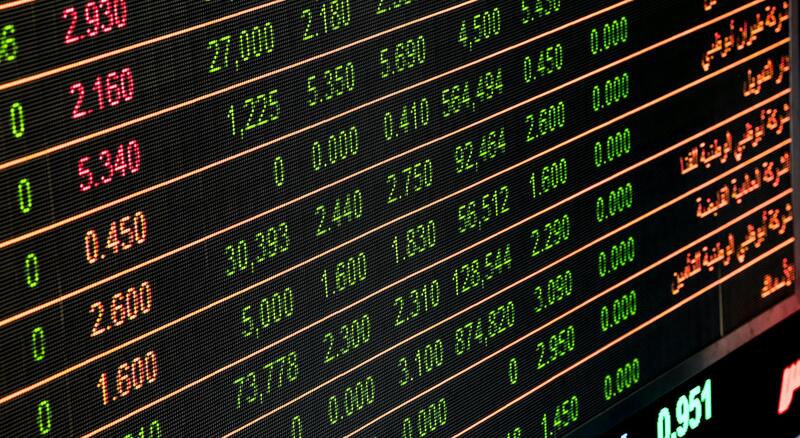
In-depth understanding of these evaluation parameters can streamline the decision-making process and help traders align their goals with the right partnership. Remember that a suitable prop trading firm should empower traders through technology, capital, and training while maintaining robust safe-trading policies that promote long-term performance and stability.
Assessment of Client Support and Transparency Practices
Reliable prop trading firms demonstrate a commitment to transparent communication and comprehensive support frameworks. Traders benefit from clear, accessible information regarding account rules, payout structures, risk parameters, and growth opportunities. Thorough onboarding processes, regular updates, and dedicated support channels contribute to a trustworthy environment where traders can seek assistance promptly and confidently. An emphasis on transparency also includes detailed documentation and prompt responses to inquiries, facilitating smoother trading experiences.

Assessment of Reward Structures and Profit Sharing Models
The compensation arrangements offered by top forex prop trading firms vary but are characterized by clarity and fairness. Common models include profit splits, where traders retain a designated percentage of earnings, and fixed income systems tied to performance metrics. Evaluating these reward structures involves understanding the percentage split, withdrawal policies, and any caps or thresholds. A transparent and equitable profit-sharing approach ensures traders are incentivized and rewarded appropriately, encouraging sustained performance and long-term engagement.
Risk Management Protocols and Safety Nets
Effective risk management is pivotal within forex prop trading environments, safeguarding both traders and the firm's stability. Leading firms establish strict risk parameters, including maximum drawdowns, order limits, and margin requirements. These protocols help control exposure and prevent catastrophic losses. Additionally, safety nets such as loss limits, automated stop-loss orders, and real-time monitoring systems support traders in managing risk effectively. A firm’s dedication to robust risk control measures demonstrates professionalism and promotes a secure trading environment.
Trader Feedback and Community Reputation
Gathering insights from active traders and online trading communities offers valuable perspectives on a firm's operations, responsiveness, and professionalism. Sustainable prop trading firms foster positive relationships with their traders, offering ongoing support, fair treatment, and opportunities for growth. Feedback often highlights the firm's responsiveness to issues, transparency practices, and the overall trading environment. Such community insights complement formal evaluations, helping prospective traders make informed decisions tailored to their trading style and goals.

Key Factors to Consider When Selecting Forex Prop Trading Firms
Choosing the appropriate forex prop trading firm requires a thorough assessment of several critical factors that directly impact a trader's success and experience. The reputation of the firm within the trading community provides an initial indication of its stability, transparency, and professionalism. Trader reviews, testimonials, and community feedback are valuable resources for gauging the firm's credibility and support standards.
Another essential consideration is the firm’s risk management protocols. Effective risk controls—including strict maximum drawdown limits, immediate stop-loss features, and real-time monitoring systems—are vital in preserving trading capital and avoiding significant losses. Firms that emphasize rigorous risk oversight typically demonstrate a commitment to maintaining a secure trading environment.
Trading parameters, such as leverage options, allowed trading hours, and the types of forex instruments supported, also influence the suitability of a firm for particular trading styles. Flexibility and clarity regarding trading conditions enable traders to develop strategies aligned with their expertise.

Moreover, the firm's funding model can significantly affect trader profitability and flexibility. Some firms offer instant account funding choices, while others emphasize profit-sharing arrangements, which could influence the net gains for traders. The transparency of the firm’s fee structure, payout procedures, and profit distribution rules are important aspects to scrutinize before entering into any agreement.
Operational support and educational resources also play an important role. Firms that provide comprehensive trader support, including training programs, mentorship, and responsive customer service, tend to foster a growth-oriented environment. Access to a robust trading community can further enhance a trader's development through shared insights and strategies.
Ultimately, aligning these factors with personal trading goals and risk tolerance is fundamental to selecting a prop trading firm that can offer both stability and opportunity. A meticulous review process ensures traders partner with firms that uphold high standards of professionalism and provide a conducive environment for sustained trading success.
Types of Funding Models Used by Forex Prop Trading Firms
Forex proprietary trading firms implement various funding models to support traders' activities, each with its own structure and implications for profitability. Understanding these models is crucial for traders seeking the best fit for their strategies and risk management preferences.
Evaluation and Profit-Sharing Arrangements
One common approach is profit-sharing models, where traders receive a percentage of the profits generated. These arrangements often come with predefined profit targets and loss limits, providing transparency and encourage disciplined trading. Profit splits typically range from 70/30 to 80/20 in favor of traders, with some firms offering tiered splits that improve with trader performance.
Instant Account Funding and Capital Allocation
Another prevalent model is instant account funding, where firms allocate capital to traders after passing evaluation assessments. This approach allows traders to start trading with a substantial account size immediately, with the firm covering initial risks. The firm generally sets trading rules and risk parameters, while traders develop strategies within those boundaries. This model often involves initial payment for evaluation phases, with subsequent funding once performance criteria are met.
Leverage and Risk Management
Funding structures also influence leverage levels available to traders. Some firms provide high leverage to maximize trading capacity, which can amplify both gains and losses. Risk management policies—such as stop-loss limits and position sizing rules—are integral to these models, ensuring that traders operate within acceptable risk parameters. Clear protocols on margin calls and account freezes protect both the trader and the firm from excessive exposure.
Subscription and Evaluation Models
Many prop trading firms employ evaluation-based models, where traders pay a fee to access simulated trading challenges. Successful completion leads to funding the trader’s live account, often under strict trading parameters. This model allows traders to demonstrate their skills without initial capital investment and provides a pathway to funded trading once criteria are achieved.
Hybrid and Custom Models
Some firms offer hybrid funding structures, combining elements of profit-sharing and evaluation phases. This flexibility caters to traders with varying experience levels and trading styles. Custom models are also emerging, allowing traders to negotiate terms such as leverage, profit splits, and risk management protocols tailored to their unique strategies.

Impact on Trader Incentives and Performance
The funding model directly influences trader behavior. Profit-sharing arrangements motivate traders to maximize gains, but strict risk control rules prevent reckless trading. Instant funding models empower confident traders to leverage their skills with immediate capital, though they require rigorous evaluation processes to ensure competence. Hybrid models aim to balance risk and reward, promoting long-term trading development while aligning mutual interests.
Summary
Choosing a forex prop trading firm with an appropriate funding model depends on individual trading experience, risk appetite, and strategic goals. Transparent structures, clearly defined risk management protocols, and flexible profit-sharing arrangements create a supportive environment for sustained success. As the industry evolves, the variety of funding models provides diverse pathways for traders to access substantial capital and enhance their trading careers.
Understanding Proprietary Trading and Prop Trading Firms
Proprietary trading, commonly referred to as 'prop trading', involves trading financial instruments using a firm's own capital. Instead of managing client funds, traders operate under the firm's risk management protocols, aiming to generate profits that are shared according to predetermined compensation models. Prop trading firms typically provide traders with access to advanced trading platforms, proprietary algorithms, and extensive market data, fostering an environment conducive to strategic trading decisions. These entities serve as pivotal platforms for skilled traders seeking to leverage significant capital, often leading to accelerated career progression and higher earning potential.

Criteria for Evaluating Forex Prop Trading Firms
When exploring potential partners in prop trading, especially within the forex sector, it is essential to scrutinize several critical aspects. The credibility of a firm can often be gauged through its transparency regarding operational policies, funding structures, and trader support systems. The firm's reputation, backed by industry reviews and trader testimonials, provides insights into its reliability. Moreover, the quality of educational resources, risk management protocols, and technological infrastructure plays a vital role in smooth trading experiences.
Another substantial criterion includes the firm's profit-sharing arrangements, evaluation process, and capital provisioning. Consistent and fair performance assessment methods ensure that traders are evaluated on stable and transparent metrics, ultimately fostering a balanced environment where skill and discipline are rewarded.
Transparency and Support Services
- Clear, well-documented evaluation criteria
- Fair profit split arrangements
- Access to professional trading tools and technology
- Dedicated trader support and educational programs
integration of these elements signifies a firm’s commitment to fostering a professional trading atmosphere that nurtures skill development and financial growth.
Top Prop Trading Firms Specializing in Forex
Several proprietary trading firms have established themselves as leaders in the forex domain, distinguished by their comprehensive evaluation processes, capital offerings, and trader-centric policies. These institutions are recognized not only for their scale but also for fostering environments that support sustained trader development.
Prominent firms often feature transparent funding models, flexible trading conditions, and robust compliance standards. They provide traders with immediate access to substantial capital upon successful evaluation completion, streamlining the pathway from evaluation to funded trading. Their reputation is reinforced through consistent performance, a broad spectrum of trading assets, and an active presence in forex trading communities.

Types of Funding Models Used by Forex Prop Trading Firms
Forex prop trading firms employ various funding models tailored to different trader profiles and strategic objectives. The most common models include evaluation-based funding, instant funding, hybrid arrangements, and customized agreements.
- Evaluation-Based Funding: Traders undergo a rigorous assessment phase, demonstrating consistent profitability and adherence to risk parameters. Upon successful evaluation, traders are allocated capital to trade with on a funded basis.
- Instant Funding: Designed for traders with proven track records, this model provides immediate access to capital, often following a brief verification process, enabling quick trading initiation.
- Hybrid Models: Combining evaluation and instant funding, these models offer flexibility, balancing risk control with immediate trading opportunities.
- Custom Funding Models: Tailored agreements that accommodate specific trader needs, including leverage settings, profit-sharing arrangements, and risk thresholds.
The choice of funding model significantly impacts trading strategy, risk management practices, and potential profitability, making it critical to align the model with one's trading style and goals.
Trader Requirements and Entry Process
Entry into forex prop trading begins with a comprehensive application process, where firms evaluate traders based on their trading skills, experience, and discipline. Key prerequisites typically include demonstrable trading performance, risk management aptitude, and a solid understanding of forex markets. Some firms require traders to pass evaluation challenges, which comprise simulated trading periods where performance metrics such as consistency, drawdown limits, and profit targets are assessed.
During the evaluation phase, traders must adhere strictly to risk management protocols and trading rules set by the firm. Successful navigation of these stages often results in the trader securing funding, subsequently gaining access to the firm's capital for live trading sessions. This process ensures that only disciplined and competent traders operate with significant leverage, fostering a productive and responsible trading environment.
Benefits Of Trading with Forex Prop Firms
Engaging with a reputable forex prop trading firm offers numerous advantages. Primarily, it allows traders to access substantial capital that would otherwise be unavailable, amplifying potential gains and providing a strategic edge in competitive markets. Additionally, these firms typically offer advanced trading tools and resources, including proprietary algorithms, technical analysis platforms, and comprehensive market data feeds, which can significantly enhance trading decision-making.
Furthermore, traders benefit from structured training programs, mentorship opportunities, and a community of like-minded professionals, all of which contribute to ongoing skill enhancement. The risk management frameworks implemented by prop firms also promote disciplined trading, encouraging traders to develop sustainable strategies while shielding them from significant losses during volatile periods.

Potential Challenges and Risks in Forex Prop Trading
While engaging with forex prop trading firms provides substantial opportunities, traders must remain cognizant of the inherent challenges associated with this trading environment. Unlike retail trading, proprietary firms operate within a framework that emphasizes strict adherence to risk management protocols and performance benchmarks. Failure to comply with these regulations can lead to penalties, including the revocation of funding or termination of trading privileges.
One significant risk involves the high leverage often utilized in forex trading through prop firms. While leverage can magnify gains, it equally amplifies potential losses, making disciplined risk control essential. Traders who neglect proper risk management may experience swift capital depletion, especially during periods of heightened market volatility.
Market conditions, such as geopolitical events, economic data releases, and unexpected market shocks, can also pose challenges. Traders must be prepared to adapt swiftly to rapid price movements, often within volatile and unpredictable environments. Additionally, aggressive trading strategies or emotional decision-making can lead to significant financial setbacks, emphasizing the importance of adherence to the firm’s trading parameters.
Operationally, traders should be aware of the firm’s infrastructure and technical requirements. Connectivity issues, software glitches, or delays in execution can impact trading performance. Maintaining a reliable trading setup and staying informed about technological updates are critical components of managing these risks.

To effectively navigate these challenges, traders should prioritize ongoing education, risk analysis, and strategic planning. Participating in continuous training programs and using simulated trading environments can prepare traders for real-market scenarios. Moreover, establishing clear trading plans—defining risk thresholds, profit targets, and exit strategies—contributes to maintaining discipline and avoiding impulsive decisions during market pressures.
Ultimately, managing the risks in forex prop trading hinges on comprehensive knowledge, disciplined execution, and a proactive approach to market dynamics. Incorporating these principles can mitigate potential losses and foster a sustainable trading career within a prop firm framework.
