Understanding the Forex Brokerage Market and Industry Regulations
Launching a forex brokerage firm requires a deep understanding of the market landscape and a comprehensive knowledge of the regulatory environment that governs the industry. The forex market, known for its high liquidity and 24-hour operation, attracts a wide array of participants, including institutional investors, hedge funds, proprietary trading firms, and retail traders. To operate a successful and compliant brokerage, it is essential to navigate the structure of the industry with precision and awareness of key regulatory standards.

The Structure of the Forex Brokerage and Proprietary Trading Industry
The forex industry is composed of various entities centered around trading execution, liquidity provision, and client account management. As a prospective broker, understanding these roles is fundamental. A typical brokerage facilitates trading activities for clients by acting as an intermediary between traders and liquidity providers. Proprietary trading firms, on the other hand, engage in trading with their own capital, often operating within the same regulatory frameworks but with different objectives.
In establishing a new brokerage, it is vital to delineate services offered—whether as a retail broker, a prop trading firm, or a hybrid model. Each type has unique operational requirements and compliance standards to fulfill.
Key Regulations and Compliance Requirements
Operating within the forex industry involves adherence to strict regulatory standards designed to protect clients and maintain market integrity. These standards vary by jurisdiction but generally include licensing requirements, capital adequacy provisions, transparency mandates, and client fund safeguarding measures.
- Licensing and Registration: Most jurisdictions require forex brokers to obtain specific licenses before commencing operations. Licensing processes typically involve rigorous vetting procedures, including background checks, financial audits, and operational reviews.
- Capital Requirements: Regulatory bodies often stipulate minimum capital reserves to ensure operational stability and the ability to meet client withdrawal requests. For example, certain jurisdictions specify a minimum net worth or capital adequacy ratio.
- Client Funds Segregation: Protecting client deposits through segregation from operational funds is standard practice. This safeguards traders' assets in case of insolvency or financial difficulties.
- Reporting and Compliance: Regular reporting obligations, including financial audits, transaction disclosures, and anti-money laundering (AML) procedures, are essential to maintain regulatory approval.
- Advertising and Marketing Regulations: Transparent communication and responsible marketing practices are enforced to ensure clients receive clear, truthful information about trading risks and conditions.
Choosing the Right Jurisdiction for Licensing
Selecting an optimal jurisdiction for licensing involves assessing regulatory requirements, operational costs, and the reputation of governing authorities. Prominent regions include offshore centers and well-established financial hubs that offer regulatory frameworks conducive to forex brokerages. Each jurisdiction presents a unique set of advantages and considerations which should align with the company's strategic goals and compliance standards.
Partnerships with Regulatory Consultants and Legal Advisors
Engaging with experienced legal and compliance professionals during the licensing process can streamline adherence to industry standards. They can assist in preparing documentation, navigating regulatory submissions, and establishing ongoing compliance protocols.
Image Placeholder: 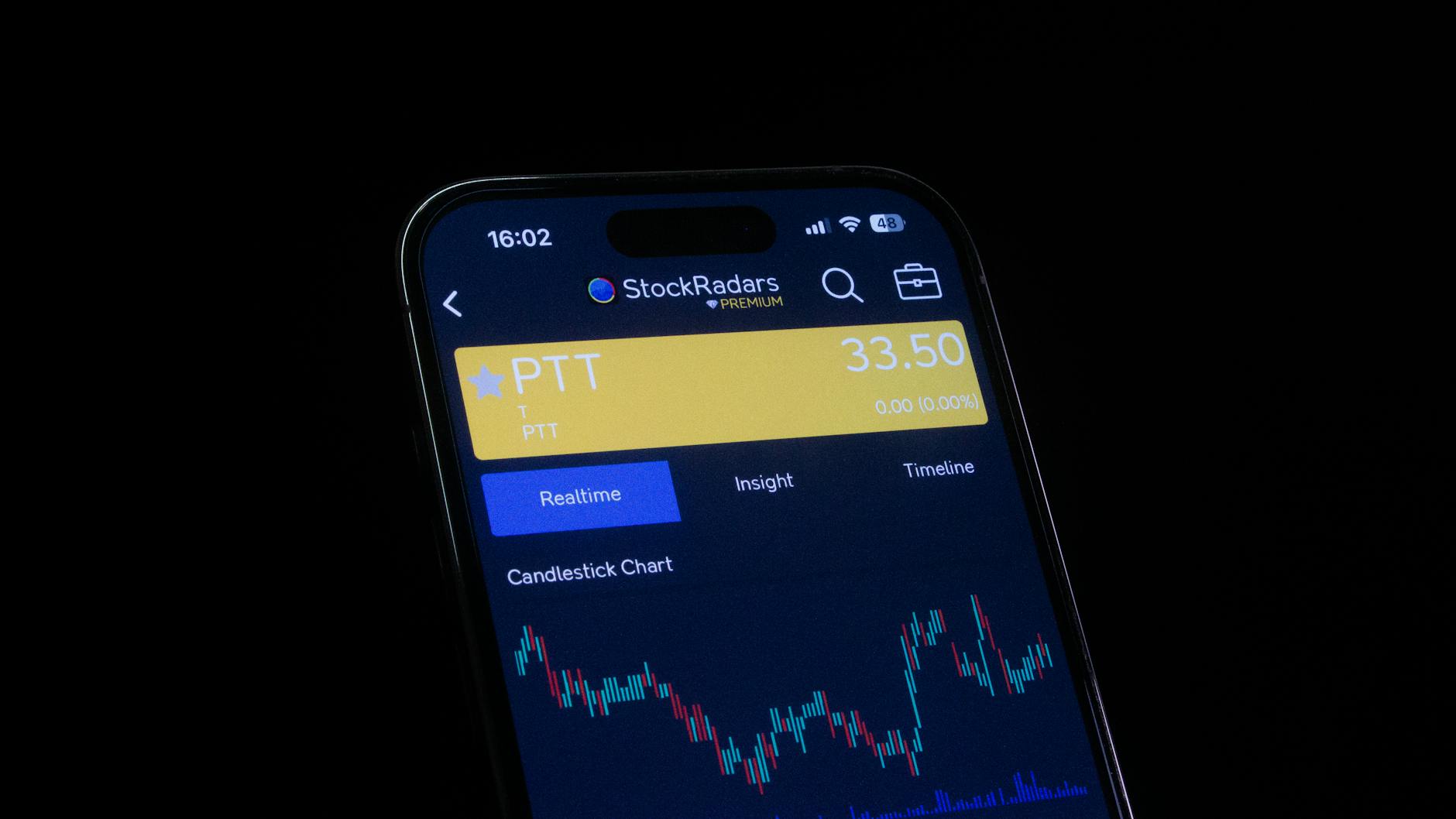
Understanding the structure of the forex market along with the regulatory landscape forms the foundation for successfully starting a forex brokerage firm. By adhering to established standards, aspiring brokers can build credible and sustainable operations in a competitive environment.
Understanding the Forex Brokerage Market and Industry Regulations
Entering the forex brokerage industry requires a comprehensive understanding of the current market landscape and the various frameworks that govern operational standards. The forex market is characterized by high liquidity, around-the-clock trading, and a wide array of financial instruments. Success in establishing a brokerage hinges on mastering how the market functions and aligning operational practices with industry standards.
Industry regulations play a pivotal role in shaping the operational environment for forex brokerages. These regulations are designed to promote transparency, prevent fraudulent activities, and protect client interests. They typically encompass licensing requirements, conduct of business obligations, client fund protections, and reporting standards. Navigating these regulatory frameworks involves understanding the specific demands of each jurisdiction, which influences the choice of licensing location and ongoing compliance processes.

The regulatory landscape is often marked by distinct categories, such as recognized financial authorities and offshore regulatory bodies. Recognized authorities, like those in well-regulated financial centers, tend to impose stricter standards, including comprehensive client fund segregation, transparency in fee structures, and robust operational protocols. Offshore jurisdictions may offer more flexible licensing conditions, expedited approval processes, or lower operational costs, but they still require adherence to fundamental compliance standards to sustain long-term credibility.
Among the critical compliance elements are anti-money laundering (AML) procedures, know-your-customer (KYC) policies, and transaction monitoring systems. These are coupled with reporting obligations that involve detailed financial audits, transactional disclosures, and adherence to anti-fraud measures. Establishing ongoing relationships with compliance consultants and legal advisors can significantly ease the complex process of meeting these standards, offering guidance on documentation preparation, regulatory submissions, and implementation of compliant operational practices.
Regulatory compliance also extends to advertising and marketing practices. Platforms must ensure all promotional content reflects genuine trading risks and does not mislead potential clients. Responsible marketing supports transparency and fosters trust in the brokerage’s reputation, which is essential for long-term growth.
Choosing the appropriate jurisdiction for licensing involves evaluating multiple factors, including regulatory stringency, operational costs, and the ease of doing business within that environment. For instance, some offshore jurisdictions provide streamlined licensing procedures conducive to startups, while well-established financial hubs reinforce reputation and client confidence. The decision should carefully align with your strategic vision and compliance approach.
Understanding the Forex Brokerage Market and Industry Regulations
Entering the forex brokerage sector requires a comprehensive understanding of the landscape, including key industry standards and operational protocols. A crucial aspect of this process is familiarizing oneself with the different regulatory frameworks that govern forex trading activities. These frameworks are designed to maintain market integrity, protect traders, and ensure transparent operation.
Different jurisdictions offer varied regulatory environments, each with specific requirements and expectations. For instance, some regions emphasize stringent capital adequacy standards, detailed client due diligence, and robust transaction monitoring procedures. Recognizing these differences helps prospective brokers align their business practices with local standards, facilitating a smooth licensing process and smoother operational compliance.
Maintaining compliance also involves staying updated on evolving industry standards and best practices. International bodies such as the Financial Conduct Authority (FCA) in the UK, the Australian Securities and Investments Commission (ASIC), or the Cyprus Securities and Exchange Commission (CySEC) provide essential guidelines that help shape operational policies, risk management strategies, and client protection methods.
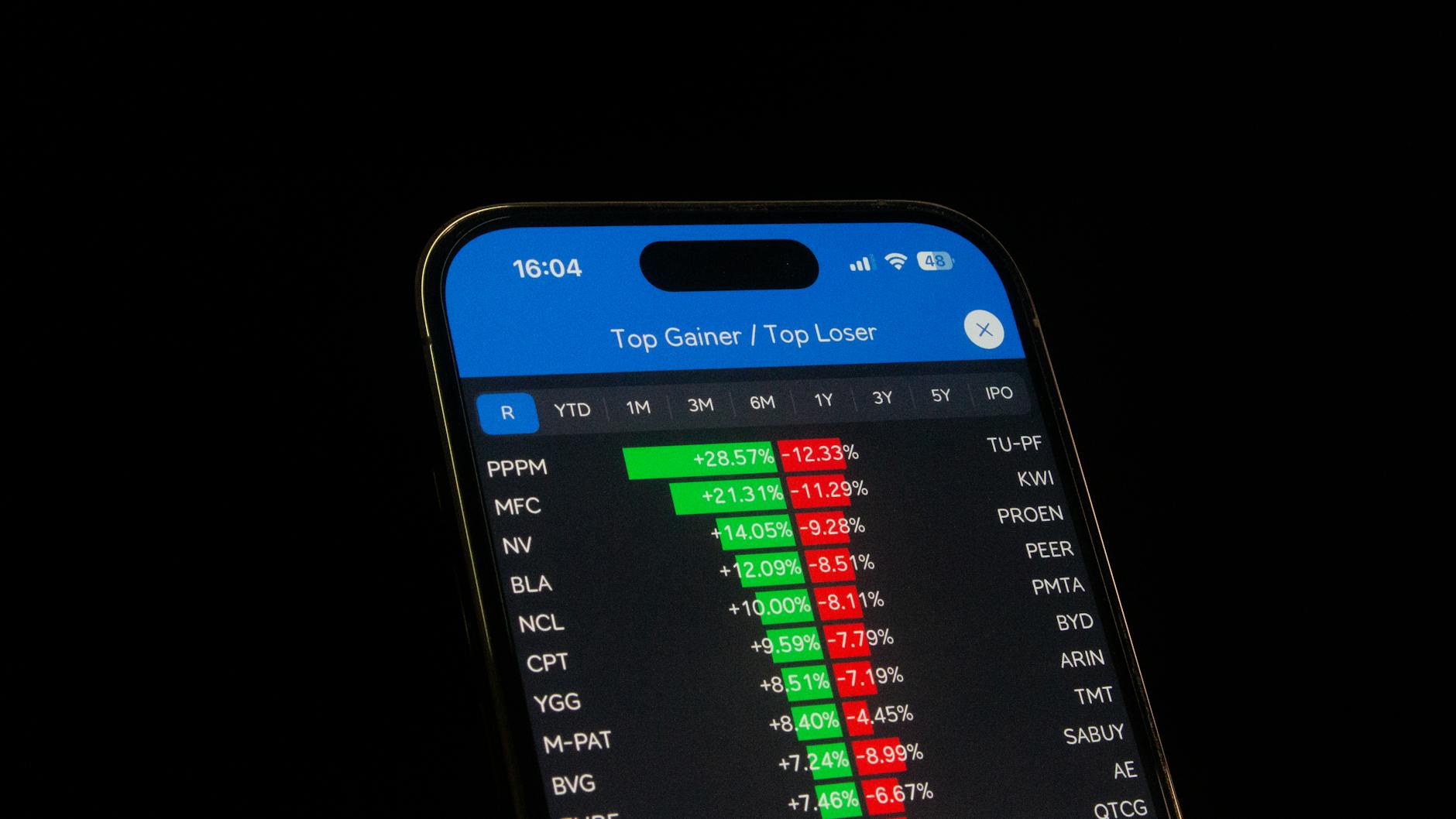
Operational transparency is achieved through the implementation of strict internal controls and compliance measures, including anti-money laundering (AML) protocols, know-your-customer (KYC) processes, and comprehensive transaction audits. These steps are fundamental in developing a trustworthy brand and long-term credibility within the competitive forex industry.
Effective compliance also covers advertising practices, ensuring all promotional material accurately reflects trading risks and avoids misleading claims. Transparent marketing not only honors ethical standards but also builds confidence among potential clients, which is essential for sustainable growth.
Choosing the right jurisdiction for registration involves assessing factors such as regulatory demands, license cost, and operational flexibility. While some offshore areas streamline licensing procedures to attract startups, established financial centers bolster reputation and client trust. The strategic selection of location aligns with your overall business model and compliance approach, helping to establish a solid foundation for your brokerage.
Implementing Robust Trading Platforms and Client Management Systems
Choosing the right trading platform is foundational for the efficiency and competitiveness of your forex brokerage. A reliable platform not only impacts execution speed and order accuracy but also influences client satisfaction and retention. Opting for industry-leading software that supports various trading instruments, advanced charting tools, and customizable interface options enables traders to execute strategies effectively. Cloud-based solutions provide scalability and seamless updates, ensuring your platform remains at the forefront of technological advancements.

Integrating a comprehensive client management system (CMS) streamlines onboarding, account management, and compliance tracking. These systems automate vital functions such as KYC procedures, risk assessments, and transaction monitoring. A secure, user-friendly interface enhances client engagement and simplifies account handling, reducing administrative burdens and mitigating operational risks. An effective CMS also enables personalized communication, fostering stronger client relationships and loyalty.
Security Measures to Safeguard Client Data and Funds
Implementing advanced security protocols is critical to protect sensitive client information and ensure the safety of funds. Encryption technologies, multi-factor authentication (MFA), and firewalls form the backbone of your cybersecurity infrastructure. Regular security audits and vulnerability assessments help detect potential weaknesses before they are exploited. Building a security-first approach reassures clients about the safety of their assets, promoting trust and long-term retention.
Ensuring System Scalability and Reliability
Operational stability depends on scalable infrastructure capable of handling increasing trading volumes and user traffic. Cloud hosting options provide flexibility, allowing you to expand resources swiftly as your client base grows. Redundancy systems, including backup servers and disaster recovery plans, safeguard your operations against outages and data loss, ensuring seamless service continuity even during unforeseen events.
Implementing Effective Customer Support and Communication Tools
Providing responsive customer support enhances operational credibility and client satisfaction. Multi-channel support, including live chat, email, and phone services, addresses client inquiries promptly. Integrating support ticket systems and knowledge bases streamlines issue resolution. Additionally, automated notifications and real-time updates via SMS or email keep clients informed about market movements, account activity, and system maintenance, fostering transparency and engagement.

Investing in cutting-edge infrastructure and technology not only positions your brokerage as a competitive contender but also forms a resilient foundation for sustainable growth. A focus on security, scalability, and excellent client management ensures your operations remain smooth, compliant, and trustworthy in the dynamic forex market environment.
Securing Capital and Establishing Banking Relationships
Launching a forex brokerage firm necessitates a robust financial foundation to support operational needs, client funding, and liquidity management. Securing adequate capital is essential for covering initial setup costs, regulatory fees, technology infrastructure, and marketing efforts. Typically, initial funding can come from personal capital, angel investors, venture capital, or strategic partnerships within the financial industry. It is crucial to approach funding sources with a clear and detailed business plan that highlights projected revenues, expenses, and growth strategies, thus instilling confidence in potential investors.
Establishing strong banking relationships plays a pivotal role in streamlining transaction processing, managing client deposits and withdrawals, and ensuring smooth operational flow. It involves selecting banks that have experience working with financial service providers, including forex brokers, and understanding their requirements for account types such as broker accounts, escrow accounts, and operational accounts. Many banks require comprehensive documentation, including your business licenses, compliance procedures, anti-money laundering policies, and proof of operational readiness. Building these relationships early facilitates access to essential banking services, helps negotiate favorable terms, and ensures reliable support for your liquidity needs.
Additionally, integrating your banking systems with your trading platform ensures efficient management of client deposits, margin requirements, and payouts. Some brokers opt for custodial accounts that provide additional security and operational flexibility. Establishing clear protocols for fund segregation is vital to maintain transparency and protect client assets, fostering trust and compliance in your operations.
Implementing Risk Management and Compliance Protocols
Fundamentally, operational success hinges on rigorous risk management and compliance protocols. This involves deploying strategies to monitor and mitigate trading risks, credit exposures, and operational vulnerabilities. Automated risk management tools integrated with trading platforms can set stop-loss limits, margin calls, and position limits, helping to safeguard both the broker and clients.
Compliance protocols ensure that your brokerage maintains adherence to industry standards and operational best practices. Establishing anti-money laundering (AML) procedures, know-your-customer (KYC) verification processes, and transaction monitoring systems are vital for preventing abuse and maintaining fair trading environments. Regular audits, staff training on compliance matters, and updated policies create a resilient operational framework capable of adapting to regulatory changes and industry developments.
Embedding these processes into your daily operations minimizes operational risks and enhances your firm’s reputation as a trustworthy provider within the forex trading community.
Securing Capital and Establishing Banking Relationships
Building a robust financial foundation is essential when starting a forex brokerage firm. Securing sufficient capital ensures your ability to meet regulatory requirements, cover operational expenses, and provide clients with seamless trading services. It also demonstrates stability and credibility to potential partners, clients, and investors.
Engaging with reputable banking institutions is a critical step in establishing trustworthy financial channels. Transparent communication with banks about your business model and compliance practices can facilitate the opening of necessary banking accounts, such as operational accounts, client escrow accounts, and hedging or liquidity provider accounts. Establishing clear terms and maintaining ongoing relationships with banks can lead to better financial margins and operational flexibility.

It is important to select banking partners that are experienced with financial service providers and understand the specifics of forex operations. These institutions should offer services like secure fund transfers, efficient currency exchanges, and reliable transaction processing systems. Prioritize banks that accommodate rapid deposit and withdrawal procedures, and that have strong anti-fraud protocols in place.
Securing capital may involve multiple sources, including private investors, venture capitalists, or corporate partners. Clearly articulating your business plan and growth strategy to potential investors enhances their confidence in your firm's prospects. Furthermore, maintaining detailed financial records, demonstrating compliance readiness, and establishing transparent operational procedures will facilitate smoother negotiations and ongoing financial support.
Another essential element involves prudent risk management of your capital. Implementing strategies such as diversification of income streams, maintaining sufficient reserve funds, and using hedging techniques to manage currency exposure contribute to the financial resilience of your brokerage firm.
Given the importance of trust and operational continuity, instituting secure and efficient banking relationships should remain a priority throughout your firm's growth. This foundation supports your efforts to provide reliable services and build long-term client confidence.
Developing Robust Compliance and Risk Management Frameworks
Following the initial setup phases, focusing on comprehensive compliance protocols and risk management strategies becomes paramount. A well-structured compliance system ensures that all operational aspects adhere to established standards and industry best practices, fostering transparency and reliability within the brokerage operation. Implementing ongoing compliance checks, periodic audits, and staff training programs enhance the firm's ability to adapt to evolving regulations and market conditions.

Establishing Client Verification and Anti-Money Laundering Procedures
Implement detailed client verification processes, including Know Your Customer (KYC) protocols, to verify identities and assess risk levels. Integrate anti-money laundering (AML) procedures that monitor transactions for suspicious activity, ensuring adherence to best practices and maintaining the firm’s integrity. Utilizing advanced monitoring software helps in real-time detection and reporting of unusual patterns, thereby mitigating operational risks.
Designing Risk Management Strategies
Effective risk management requires a multi-layered approach to protect the firm against market volatility, operational failures, and credit risks. Deploying hedging techniques, such as forward contracts or options, can mitigate currency exposure. Additionally, maintaining sufficient capital reserves ensures the firm can withstand unforeseen market shocks. A structured risk assessment framework allows continuous monitoring and rapid response to emerging threats.
Implementing Data Security and Privacy Standards
Safeguarding client information and transactional data is critical. Employ end-to-end encryption, multi-factor authentication, and secure server infrastructure to prevent data breaches. Regular security audits and staff training on cyber hygiene further reduce vulnerabilities. Ensuring data privacy compliance reinforces trust among clients and partners, establishing a reputation for integrity and professionalism.
Developing Internal Policies and Procedures
Draft comprehensive internal policies covering operational workflows, dispute resolution, client communication, and complaint handling. Clear documentation facilitates consistency across teams and reinforces a culture of accountability. Regular policy reviews ensure alignment with industry developments and regulatory changes, thus maintaining operational resilience.
Monitoring and Reporting
Develop real-time monitoring systems that track trading activities, client behavior, and financial transactions. Comprehensive reporting mechanisms provide insights into operational efficiency, risk exposures, and compliance status. Regular reporting also supports strategic decision-making, enabling proactive adjustments to optimize growth and stability.

Executing Final Steps: Launching and Managing Your Forex Brokerage Firm
After establishing the foundational elements of your forex brokerage, the focus shifts to ensuring a seamless launch and maintaining operational excellence through effective management practices. This phase encompasses strategic marketing to attract clients, rigorous ongoing compliance measures, and robust operational supervision to sustain growth and reputation in the competitive forex industry.
Effective Market Entry and Client Acquisition Strategies
Successfully entering the forex brokerage market requires a targeted marketing approach that highlights your firm’s unique value propositions. Leverage digital marketing channels such as search engine optimization (SEO), pay-per-click (PPC) advertising, social media outreach, and financial webinars to reach prospective traders. Building a professional, informative website with lead capture forms and educational resources fosters trust and encourages engagement.
Partnering with financial influencers and forex education providers can expand your reach, while offering introductory promotions or demo accounts can entice new clients to explore your trading platform. Personalized onboarding experiences, including dedicated account managers and tailored trading tutorials, enhance client satisfaction and loyalty.
Maintaining Regulatory Compliance and Ethical Standards
Ongoing adherence to established protocols is vital for operational stability. Implement comprehensive compliance programs that include regular audits, transaction monitoring, and client suitability assessments. Keep abreast of updates in industry standards to adjust internal policies accordingly, ensuring continuous alignment with evolving guidelines.
Transparency in fee structures, trading conditions, and risk disclosures builds confidence among clients and mitigates disputes. Automated compliance software can streamline reporting obligations and flag any irregular trading behaviors promptly, supporting proactive risk management.
Operational Monitoring and Continuous Improvement
Real-time systems should be in place for tracking trade execution, client activity, financial transactions, and site performance. These tools enable quick identification of operational inefficiencies or anomalies that could impact service quality or financial stability. Regular review meetings involving technical teams, compliance officers, and client service managers help identify improvement opportunities.
Client feedback channels contribute valuable insights into service strengths and areas for enhancement. Implementing structured pathways for feedback collection ensures client concerns are addressed promptly, boosting satisfaction and retention.
Investing in Staff and Technological Upgrades
Continual staff training on trading platforms, customer service excellence, and compliance updates sustains high operational standards. As your brokerage grows, investing in advanced trading algorithms, risk management tools, and cybersecurity measures will foster a resilient infrastructure capable of adapting to market and technological changes.
Implementing a Structured Client Support System
Establish multi-channel support options, including live chat, email, and telephone assistance, staffed with knowledgeable professionals. A responsive support team not only resolves client issues efficiently but also boosts your firm's overall credibility. Regularly updating FAQs and self-help resources empowers clients to troubleshoot independently, reducing support workload.