Definition and Overview of Prop Firm Payouts
Proprietary trading firms, commonly known as prop firms, operate by providing skilled traders with capital to execute trades in various financial markets. The fundamental appeal of these firms lies in their payout structures, which determine how profits generated from trading activities are distributed between the firm and the trader. Prop firm payouts represent the portion of profits that traders receive after the firm deducts its fees, operational costs, and profit-sharing agreements.
Typically, prop firm payouts are structured to motivate traders to maximize their trading performance while ensuring the firm's sustainability. These payouts can vary significantly depending on the firm’s policies, the trader’s experience, and the specific agreement terms. For traders, understanding how these payout systems work is crucial to assessing the potential earning potential within a particular firm and aligning expectations with realistic trading outcomes.
At their core, payout structures involve a division of profits, often expressed as a percentage split, where the trader retains a predefined ratio of the profits. The split can range from 50% to over 80% in favor of traders, based on performance benchmarks and contractual agreements. It is important to recognize that these payouts are not fixed and can fluctuate depending on trading results, adherence to risk management protocols, and timely settlement of trades.

Understanding the intricacies of prop firm payouts is vital for traders seeking to optimize their remuneration and build a sustainable trading career. By knowing how the payout process operates, traders can better manage their trading strategies and align with firms that offer competitive and transparent payment structures.
As the landscape of proprietary trading continues to evolve, transparency and clarity regarding payout procedures remain a top priority for reputable firms, ensuring traders are well-informed and fairly compensated for their trading activities.
Factors Influencing Prop Firm Payouts
Determining the payout received by traders in prop firms involves several critical factors that are typically outlined within contractual agreements and internal policies. Among these, trading performance is paramount, as consistent profitability directly correlates with higher payouts. Firms often set specific profit targets or performance benchmarks that traders must meet or exceed to qualify for full or partial disbursements.
Another influential element is the firm’s payout structure — whether it employs a fixed percentage split, tiered commissions, or dynamic models that adjust based on trading volume or profitability milestones. For example, some firms offer a standard split of 70% to the trader, with potential for increased shares as performance or consistency improves.
Profit targets and risk management protocols also significantly impact payouts. Firms typically require traders to adhere to predefined trading limits and risk parameters. Violations or failure to meet minimum performance thresholds can result in reduced payouts or withholding of payments until conditions are stabilized.
Additionally, some prop firms incorporate bonuses and incentives for exceeding expectations, which can boost overall earnings. These bonuses may be awarded for reaching profit milestones, maintaining consecutive profitable months, or demonstrating exceptional trading discipline.

It’s important to note that payout policies can vary substantially across firms, influenced by their internal strategies, client base, and market positioning. Understanding these elements allows traders to align their trading styles with the firms that offer the most suitable payout arrangements, thereby optimizing their income potential within the proprietary trading ecosystem.
Typical Payout Models in Prop Trading
There are several common models used by proprietary trading firms to structure payouts, each with their specific advantages and considerations:
- Fixed Percentage Split: The most straightforward model, where profits are divided based on a predetermined percentage, such as 70% trader / 30% firm. This split remains consistent regardless of performance levels, providing predictability in earnings.
- Tiered Payouts: Many firms adopt a tiered system where the percentage share increases as traders hit specific profit benchmarks or demonstrate sustained profitability. For example, a trader might start with a 70/30 split, which could rise to 80/20 after reaching cumulative profit targets or maintaining a consistent track record.
- Performance-Based Bonuses: Beyond the regular profit split, some firms offer bonus payments for exceeding certain performance thresholds, encouraging traders to push beyond basic targets.
- Revenue Sharing and Equity Schemes: In more sophisticated arrangements, traders receive revenue shares or equity-like stakes, aligning their incentives with the firm’s overall success.

Choosing a firm with a payout model that aligns with your trading approach can significantly influence your overall earnings and motivation. Whether you prefer a consistent split or performance-linked incentives, understanding these models enables traders to make informed decisions and strategize effectively.
Impact of Trading Performance on Payouts
Trading performance plays a crucial role in determining the size and frequency of payouts in proprietary trading firms. Firms often structure their payout systems to reward consistent profitability and high achievement, motivating traders to optimize their strategies for better results. There are several key performance indicators that directly influence payouts, including the trader’s profitability over a defined period, adherence to risk management protocols, and consistency in meeting or exceeding performance benchmarks.
Most prop trading firms employ models that adjust payouts based on trading volume, cumulative profits, or both. For instance, a trader who consistently produces high returns may qualify for higher payout percentages or performance bonuses. Conversely, traders with fluctuating results or that fail to meet minimum profit thresholds may see their payouts reduced or subjected to withholding until performance improves. This performance-linked system emphasizes not only profitability but also risk management and discipline, which are essential for sustainable trading careers.
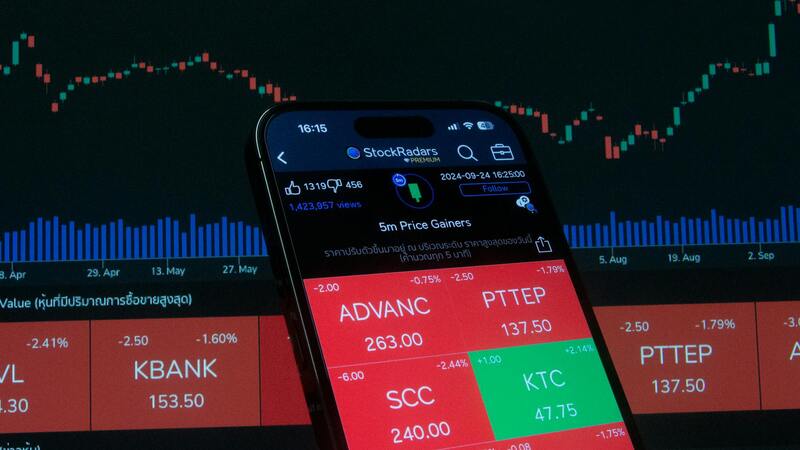
Furthermore, many firms implement tiered payout models that escalate earnings as traders reach certain profit milestones. For example, a trader might start with a 70% payout rate, which could increase to 75% or 80% once cumulative profits surpass predefined benchmarks. This setup incentivizes traders to continually improve their trading performance, as higher levels of profitability lead to better payout shares. Such arrangements align the interests of traders and firms, fostering a culture of achievement and prudent risk-taking.
It is also common for prop firms to establish performance-based bonuses that are awarded for exceeding quarterly or annual profit targets. These bonuses can significantly augment regular payouts via profit sharing, especially for traders who demonstrate consistent skill and strategic adaptation to market conditions. Overall, the direct correlation between trading performance and payouts underlines the importance for traders to focus not just on profitability, but on maintaining disciplined, risk-aware trading practices.

Importantly, transparency in how performance metrics impact payouts is vital for trader confidence. Firms that clearly communicate the criteria for payout adjustments foster a professional environment where traders understand how their results influence earnings. This clarity helps traders set goals, refine their strategies, and better align their trading practices with payout structures. Ultimately, high performance, disciplined risk management, and consistent profitability serve as the foundation for maximizing prop firm payouts and advancing a trader’s career within the firm.
Impact of Trading Performance on Payouts
Traders’ performance remains the primary determinant of their payout levels in prop firms. Consistent profitability, coupled with disciplined risk management, directly influences the proportion of profits shared with traders. Firms often implement tiered payout structures, where higher profitability and stable trading records unlock greater payout percentages. Such structures reward traders for sustainable trading practices and strategic growth, fostering a culture of continuous improvement.
For example, a trader achieving steady monthly profits may see their payout ratio increase over time, especially if they demonstrate the ability to adapt to changing market conditions and maintain low drawdowns. This performance-based approach incentivizes traders not only to increase their profitability but also to prioritize risk-adjusted returns, ensuring their trading style benefits both themselves and the firm.
Furthermore, firms often employ performance metrics such as average return per trade, consistency in trading results, and adherence to risk limits. These metrics are scrutinized to determine payout adjustments, reinforcing the importance of disciplined trading strategies. High-performing traders often become eligible for additional incentives, including lump-sum bonuses or enhanced profit-sharing agreements, which can significantly boost their overall earnings.

Understanding Prop Firm Payout Structures
Official Methods for Receiving Prop Firm Payouts
Prop trading firms typically implement structured, transparent payout methods that align with their operational policies. These methods often involve direct bank transfers, company-issued checks, or electronic payment platforms that facilitate secure and timely transactions. Traders must ensure their banking information is accurate and updated to avoid delays in receiving compensation.
In addition to standard payment channels, some firms utilize dedicated online portals where traders can view their earnings, performance metrics, and payout histories. These portals often feature detailed breakdowns of profit shares, fee deductions, and any applicable taxes, providing clarity and accountability for traders seeking to understand how their compensation is calculated.

Legitimate and Certified Payment Methods
To ensure the accuracy and legitimacy of payouts, reputable prop firms rely on certified financial services and established banking institutions. These entities adhere to strict standards of security and compliance, reducing risks associated with fraudulent activities or payment disputes. Employing reputable payment providers also reinforces the firm's commitment to transparency and fairness.
Traders should verify the official payment procedures outlined in their contractual agreements. Certified methods, such as ACH transfers in the United States or wire transfers in other regions, are commonly used due to their reliability and traceability. Ensuring that the firm adheres to these standards helps maintain trust and consistency in compensation processes.
Methods to Optimize Payout Timing and Reliability
Effective communication with the firm's administration about payment schedules can prevent misunderstandings. Establishing clear expectations regarding payout dates—such as weekly, bi-weekly, or monthly—allows traders to plan their financial commitments accordingly. Additionally, maintaining accurate personal and banking details minimizes processing delays.
Implementing automated payment routines and utilizing firms with stable financial partnerships can further enhance payout reliability. Traders are encouraged to keep thorough records of all transactions and communication with the firm, which can expedite resolution processes in case of discrepancies.
Emerging Trends in Prop Firm Payouts
Advancements in financial technology have led some prop firms to explore digital wallets and cryptocurrencies as alternative payout options. These methods promise faster transaction times and increased flexibility, especially for international traders. However, traders should evaluate the security measures and regulatory considerations associated with these newer payment channels before opting for them.
Overall, transparent and efficient payout mechanisms foster a professional environment where traders can focus on their performance without concerns over timely compensation. Clarity regarding approved payment methods, regular updates, and adherence to established procedures are integral to a smooth payout experience within prop trading firms.
Strategies to Maximize Prop Firm Payouts
Maximizing payouts within proprietary trading firms involves a combination of strategic trading practices, disciplined risk management, and understanding the specific payout structure of the firm. Talented traders who leverage their skills effectively can enhance their earnings and ensure consistent income flow from their trading activities.
One of the most crucial strategies is to adhere strictly to the firm’s trading rules and risk management protocols. Maintaining appropriate position sizing and adhering to stop-loss and take-profit levels prevent significant losses that could diminish overall earnings. Consistent, high-quality trading performance directly impacts the total payouts received, making disciplined execution vital.
Trader discipline extends beyond the trading window into the maintenance of accurate performance logs. Regularly tracking trading results not only helps optimize strategies but also provides valuable documentation should discrepancies or disputes arise during payout processes. Transparent records can expedite resolution and reinforce trust between traders and the firm.

Enhancing Trading Skills and Knowledge
Continuous education and skill development are integral to increasing trading success. Staying updated with market trends, new trading techniques, and analytical tools allows traders to make better-informed decisions, which can lead to higher profitability over time. Many prop firms offer educational resources, webinars, and mentorship programs that support trader growth.
Leveraging Firm Resources and Support
Utilizing the resources provided by the firm, such as advanced trading platforms, research tools, and risk management software, can improve trading efficiency and outcomes. Effectively utilizing these tools often results in more consistent profits, which directly impacts the frequency and amount of payouts.
Optimizing Trading Schedules
Identifying the most profitable trading hours that align with one’s strategy is essential. Traders who maximize their activity during high-liquidity periods tend to achieve more favorable results, thus leading to higher payouts. Understanding market cycles and focusing on specific assets can also contribute to more consistent earnings.
Maintaining Professionalism and Compliance
Adhering strictly to the rules set forth by the prop firm, including compliance with trading limits, reporting requirements, and conduct policies, eliminates the risk of sanctions or withholding of payouts. Proper communication and transparency with the firm’s administration foster trust and streamline the payout process.

Negotiating and Clarifying Payout Terms
Building a clear understanding of the firm’s payout structure during onboarding helps traders know what to expect regarding distribution schedules, methods, and possible deductions. Some firms offer tailored payout arrangements for high performers or consistent traders, which can be advantageous.
Conclusion
Achieving maximum payouts in prop trading hinges on disciplined execution, continuous improvement, strategic resource utilization, and transparent communication with the firm. Traders who proactively implement these strategies position themselves for sustained success and consistent income flow from their trading activities.
Strategies to Maximize Prop Firm Payouts
Optimizing prop firm payouts requires a strategic approach that aligns trading activities with the firm’s payout structure and emphasizes sustainable growth. Traders committed to enhancing their earnings should focus on several key practices that promote consistency, transparency, and long-term profitability.
1. Maintain Consistent Trading Performance
Consistent trading performance is fundamental to maximizing payouts. Establishing a disciplined trading routine that adheres to the firm’s rules minimizes the risk of violations that could delay or reduce payouts. Regularly reviewing trades to identify patterns of success and areas for improvement helps in refining strategies, which directly influences earning potential. Developing a proven track record of steady, profitable trades ensures eligibility for performance bonuses or higher payout tiers in many firms.
2. Optimize Trading Strategies for Market Conditions
Trading with a flexible yet disciplined approach allows traders to capitalize on different market conditions. Understanding and adapting to volatility, liquidity, and asset-specific cycles can improve trade outcomes. Leveraging technical analysis, fundamental insights, and market sentiment analysis enhances decision-making. Effective strategies tailored to current market environments increase profit margins, thereby boosting payout amounts.

3. Engage in Clear Communication and Documentation
Transparent communication with the prop firm ensures understanding of payout schedules, potential deductions, and conditions that influence earnings. Maintaining detailed trading records, including logs of trade entries, exits, and rationale, supports accurate reporting and facilitates dispute resolution if discrepancies arise. Professional engagement with firm administrators fosters trust and ensures that any questions regarding payouts are addressed promptly.
4. Take Advantage of Incentives and Performance Bonuses
Many prop firms offer performance-based incentives, which can significantly increase total payouts. These bonuses may be tied to achieving specific profit targets, maintaining low drawdowns, or consistently trading within risk parameters. By focusing on quality trades that meet these criteria, traders can unlock additional earnings beyond standard payouts. Staying informed about the firm’s bonus programs and aligning trading efforts accordingly can maximize returns.
5. Minimize Trading Errors and Violations
Errors such as exceeding trading limits, misreporting trades, or violating compliance policies can lead to withholding or reduction of payouts. Developing meticulous trading discipline, periodically reviewing compliance requirements, and utilizing risk management tools are essential in avoiding costly mistakes. Proper risk controls not only protect capital but also ensure that payouts are not jeopardized due to preventable violations.
6. Leverage Technology and Analytical Tools
Integrating advanced trading software, algorithms, and analytical platforms can improve decision-making accuracy. These tools assist in identifying high-probability trade setups, managing risk, and executing trades efficiently. By improving trade quality and timing, traders can increase profitability and, consequently, their payout potential.
7. Understand the Firm's Payout Structure Thoroughly
Familiarity with the specifics of payout calculation, including any performance tiers, deductions, or caps, enables traders to plan their trading activities effectively. Some firms base payouts on net profits, while others may consider gross profits after certain fees. Clarifying these details during onboarding and periodically reviewing updates or policy changes ensures that traders optimize their strategies for maximum earnings.

8. Continual Education and Skill Development
Ongoing learning about trading techniques, market dynamics, and risk management enhances a trader’s ability to adapt and improve performance. Participating in webinars, workshops, and reading industry resources keeps traders informed of best practices, helping them exploit opportunities that can lead to higher payouts.
By applying these strategies diligently, traders can effectively enhance their payout potential in prop trading environments, ensuring they derive the maximum benefit from their skills and firm relationships. Focusing on performance, compliance, strategic adaptation, and transparent communication creates a solid foundation for sustained income growth and professional success within the prop trading sector.
Payout Processes and Payment Security
Ensuring a smooth and reliable payout process is critical for prop traders relying on consistent income streams. The process typically involves the firm conducting a comprehensive review of trading accounts, verifying transaction histories, and confirming adherence to performance standards before initiating a payout. Most reputable prop firms employ secure and encrypted systems to handle payment transactions, safeguarding traders' financial data and ensuring that funds are transferred securely.
One key aspect of maintaining a trustworthy payout system is transparency. Prop firms often provide detailed statements outlining payout calculations, including gross profits, deductions for fees or losses, and performance bonuses. These statements serve as official records that help traders verify the accuracy of their payments. Additionally, many firms utilize dedicated online portals or dashboards where traders can track their earnings, view payout history, and access support services related to payment inquiries.
The timing of payout processing varies among firms. Some operate on weekly or bi-weekly schedules, aligning with trading cycles and operational workflows. Others may process payouts monthly, especially for larger sums or after comprehensive account audits. It’s essential for traders to understand these schedules in advance; this knowledge facilitates better cash flow planning and avoids surprises.
In terms of payment methods, prop firms generally offer multiple options, including bank wire transfers, direct deposit to personal accounts, PayPal, or other electronic payment platforms. Breadth in payment options increases convenience and accessibility for traders, especially those operating across international borders. Firms that prioritize quick turnaround times and secure processing methods not only improve trader satisfaction but also foster long-term professional relationships.
Remaining proactive by regularly reviewing payout processes, verifying payment details, and maintaining open communication with the firm ensures that traders can resolve any discrepancies promptly. This proactive approach minimizes delays and disputes, safeguarding earnings and reinforcing trust in the partnership.