
Understanding Trading Prop and Proprietary Trading Firms
In the dynamic landscape of financial trading, the term trading prop—short for proprietary trading—has gained significant prominence. Proprietary trading firms, commonly known as prop firms, are specialized organizations that engage in trading financial instruments with their own capital. Their primary goal is to generate profits through various trading activities, distinguishing them from firms that trade on behalf of clients. These entities play a vital role in the financial industry by providing liquidity, fostering innovation in trading strategies, and contributing to market efficiency.
What Is Trading Prop?
Trading prop involves the use of a firm's own financial resources to buy and sell a variety of assets, including stocks, commodities, currencies, and derivatives. This approach differs from client-focused trading, where the primary objective is to execute transactions on behalf of external clients or investors. Proprietary trading allows firms to leverage their expertise, technology, and capital to capitalize on market opportunities, often employing sophisticated trading strategies and risk management techniques.
Defining Proprietary Trading Firms
Proprietary trading firms are specialized institutions that use their own funds to engage in trading activities. Unlike traditional brokerage firms that earn revenue through commissions or transaction fees, prop firms generate income directly from their trading operations. These firms typically attract skilled traders who operate within a structured environment, often offering access to advanced trading platforms, capital, and training programs. Their primary mission is to identify, execute, and profit from market inefficiencies through disciplined trading practices.
The Role of Proprietary Trading Firms in the Financial Industry
Proprietary trading firms contribute significantly to market liquidity and price discovery, providing a competitive edge for other market participants. By deploying proprietary capital, these firms often take on risk that might be too substantial for individual traders or institutional investors. Their activities support a vibrant, efficient, and liquid trading environment, fostering innovation through the development of new trading algorithms and analytical tools. This, in turn, benefits the broader financial ecosystem, including exchanges, regulators, and retail traders.
Overall, trading prop and proprietary trading firms serve as vital players in modern financial markets, leveraging their expertise and resources to identify profitable opportunities while managing associated risks effectively. Their strategic approach and operational model make them a cornerstone of contemporary trading practices across the globe.
Operational Structure of Proprietary Trading Firms
Proprietary trading firms operate through a carefully structured workflow that integrates capital allocation, strategic planning, risk management, and performance evaluation. These firms often utilize a combination of advanced technology, quantitative analysis, and seasoned trading expertise to develop and execute trading strategies across various financial instruments, including equities, options, futures, and foreign exchange.
Central to their operation is the capital pool, which is exclusively dedicated to trading activities. The firm's traders, often highly skilled and specialized, are allocated specific segments of this pool based on their expertise and track record. This allocation ensures that risk is appropriately diversified across different trading desks and strategies.
The day-to-day operations involve real-time market analysis, execution of trades through sophisticated electronic platforms, and continuous monitoring of positions. Trading algorithms, often developed in-house, are employed to identify market inefficiencies and execute trades at high speeds, minimizing human reaction delays. These algorithms are refined regularly based on market data, performance metrics, and evolving trading conditions.

Risk management is embedded into every phase of trading, with strict limits on position sizes, leverage, and loss thresholds. Experienced traders employ rigorous analysis and discipline to ensure that potential losses are contained, and profits are maximized. Strategies are backtested extensively to gauge their robustness before deployment in live markets.
Profit-sharing models within prop firms usually hinge on the individual trader’s performance, with a significant portion of the gains retained by traders themselves. This incentivizes traders to operate efficiently while aligning their interests with the firm’s overall profitability.
Infrastructural Elements and Support Systems
- Trading Platforms: State-of-the-art software tailored for high-speed execution and data analysis.
- Data Feeds: Real-time market data to inform trading decisions.
- Risk Management Tools: Automated systems to monitor positions and enforce trading limits.
- Research and Development: Teams dedicated to improving algorithms and trading strategies based on market trends and technological advancements.

Definition of Trading Prop and Proprietary Trading Firms
Proprietary trading, commonly known as trading prop, involves firms that trade financial instruments using their own capital rather than client funds. These firms, referred to as prop trading companies, are dedicated to generating profits through well-researched, disciplined trading strategies across various asset classes such as equities, commodities, currencies, and derivatives. The core goal is to leverage market opportunities with the primary aim of increasing the firm's own assets, rather than managing external client investments.

Unlike traditional asset management firms, prop trading enterprises operate with a different framework where the focus is to maximize internal capital growth. They often employ a diverse array of trading methodologies, from quantitative algorithms driven by complex data analytics to discretionary strategies executed by experienced traders. The operational model of these firms fosters a competitive environment intended to outperform traditional investment avenues by exploiting market inefficiencies quickly and effectively.
How Proprietary Trading Firms Operate
Proprietary trading firms utilize cutting-edge technology and sophisticated infrastructure to conduct their trading activities. These firms typically invest heavily in high-performance trading platforms that facilitate rapid execution and comprehensive market data analysis. The cornerstone of their operation is the integration of advanced algorithms capable of analyzing vast data streams, executing trades with minimal latency, and adjusting positions based on real-time market conditions.
Operational efficiency is bolstered by extensive risk management protocols. Automated systems continuously monitor trading positions, enforce predefined risk limits, and prevent excessive exposure. Traders within these firms employ rigorous analysis, backtested strategies, and disciplined risk controls to safeguard capital and ensure steady performance.
The technological backbone includes real-time data feeds, computing infrastructure optimized for speed, and sophisticated software that simplifies complex strategies. Research and development teams play a vital role in refining algorithms, exploring new trading models, and adapting to evolving market environments. These support structures enable proprietary trading firms to maintain competitively advantageous positions in the markets and foster an environment of continuous innovation.

Benefits of Working with a Prop Trading Firm
Engaging with a proprietary trading firm offers tangible advantages that are particularly appealing to traders seeking to elevate their trading careers. First and foremost is access to substantial trading capital, which allows traders to deploy larger positions and diversify their trading strategies without risking personal funds. This access to capital often translates into higher earning potential based on performance.
Technology is another significant benefit. Prop firms provide traders with state-of-the-art trading platforms, analytics tools, and real-time market data feeds. These resources enable traders to operate more efficiently and accurately, using tools designed for high-speed execution and precision.
Training programs are a further advantage, especially for emerging traders. Many firms offer mentorship, educational resources, and structured development programs that help traders refine their skills, develop disciplined trading habits, and adapt to different market conditions. Such support enhances traders’ confidence and performance over time.
Requirements and Qualifications to Join a Prop Trading Firm
While requirements vary between firms, common prerequisites include a demonstrated aptitude for trading, knowledge of financial markets, and familiarity with trading platforms. Many firms look for traders who show a strong work ethic, discipline, and risk management discipline.
Some firms prefer candidates with formal backgrounds in finance, economics, or quant programming, but practical experience and consistent trading performance often outweigh academic credentials. Having a proven track record of profitability, even on a small scale, can significantly improve prospects for admission.
Types of Trading Strategies Used by Prop Firms
Proprietary trading firms employ a broad spectrum of strategies tailored to their risk appetite, expertise, and technological capabilities. Quantitative strategies dominate many firms, leveraging algorithms to exploit market inefficiencies and arbitrage opportunities. These models analyze vast datasets and employ statistical techniques to identify profitable trades.
Discretionary strategies also play a role, where experienced traders base decisions on qualitative analysis, market sentiment, and macroeconomic factors. Some firms combine both approaches to diversify their risk and adapt to changing market dynamics.
Risks and Challenges in Proprietary Trading
Despite the potential rewards, trading prop carries inherent risks. Market volatility can lead to rapid losses if positions move against expectations. Over-leverage, a common practice in proprietary trading, amplifies these risks, making effective risk management essential.
Operational challenges include maintaining up-to-date technological infrastructure, adapting to evolving regulatory landscapes, and managing human factors such as trader discipline and emotional resilience. Firms must continuously innovate to stay competitive and mitigate the risks associated with rapid market changes and technological disruptions.
Regulatory Environment and Industry Trends
The proprietary trading industry operates within frameworks that promote transparency and risk oversight. Increasing regulation, coupled with technological advancements like machine learning and artificial intelligence, is shaping the industry’s evolution. Many firms are investing in compliance systems and adopting best practices to align with industry standards and ensure responsible trading conduct.
Future Outlook of Trading Prop and Prop Trading Firms
As technology continues to advance, prop trading firms are poised to increasingly rely on automation, big data analytics, and AI-driven decision-making. The industry is expected to see a shift toward more sophisticated strategies, greater integration of machine learning models, and a focus on risk mitigation tools. Flexibility, technological innovation, and disciplined risk controls will remain critical for enduring success in this competitive landscape.
Definition of Trading Prop and Proprietary Trading Firms
Proprietary trading firms, commonly known as prop firms, are specialized financial companies that utilize their own capital to engage in trading activities across various markets, including stocks, commodities, options, forex, and cryptocurrencies. Unlike traditional investment firms that manage client funds, prop trading firms focus on generating returns solely from their proprietary assets. These firms employ professional traders, often highly skilled and experienced, to execute strategies designed to capitalize on market opportunities.

The primary objective of a prop firm is to achieve consistent profitability through strategic, disciplined trading approaches. These firms often provide traders with access to advanced technology, real-time market data, and extensive risk management tools, creating an environment conducive to executing complex trading strategies. By trading with their own money, firms assume all market risks, which incentivizes them to implement strict risk controls and leverage their expertise to optimize performance.
How Proprietary Trading Firms Operate
Proprietary trading firms operate through a combination of sophisticated infrastructure, advanced algorithms, and experienced trading personnel. The core of their operation involves deploying capital to execute trades based on a variety of strategies tailored to current market conditions. These strategies can include day trading, scalping, swing trading, or algorithmic trading, often powered by cutting-edge technology
At the operational level, prop firms typically:
- Provide traders with capital and technology: Access to high-speed trading platforms, market data feeds, and analytical tools.
- Implement risk management protocols: Employing stop-losses, position limits, and real-time performance monitoring to mitigate downside risks.
- Establish trading rules and guidelines: Ensuring disciplined trading practices and adherence to industry standards.
- Offer training and mentoring: Supporting traders through education programs, strategy development, and continuous performance evaluation.
Most firms rely heavily on automation, utilizing algorithms that can process vast datasets rapidly to identify trading opportunities. Human traders often oversee these systems, making real-time decisions and adjustments to optimize trading performance. The seamless integration of technology and trader intuition is essential for maintaining competitiveness in dynamic markets.
Benefits of Working with a Prop Trading Firm
Engagement with a prop firm offers numerous advantages for traders and financial professionals:
- Access to significant capital: Traders can execute larger positions than they could independently, amplifying potential returns.
- Advanced trading infrastructure: State-of-the-art platforms, high-speed internet, and real-time data are provided to enhance trading efficiency.
- Risk management support: Built-in systems to help traders manage downside risk and adhere to trading limits.
- Educational resources: Regular training sessions, mentorship programs, and strategy workshops foster skill development.
- Collaborative environment: Working alongside experienced traders encourages knowledge sharing and professional growth.
However, the reliance on a firm's capital mandates disciplined adherence to risk controls and trading protocols to ensure sustained success. Proper risk management and consistent strategy application are fundamental to maximizing benefits while minimizing exposure to potential losses.
Types of Trading Strategies Used by Prop Firms
Proprietary trading firms employ a diverse array of trading approaches to capitalize on market opportunities, each tailored to different risk appetites, time horizons, and market conditions. Understanding these strategies is crucial for traders considering joining a prop firm, as it influences training focus, technology requirements, and performance metrics.
Algorithmic and Systematic Trading
Algorithmic trading forms the backbone of many prop trading operations. These strategies rely on complex mathematical models and programmed algorithms to execute trades at speeds unattainable for human traders. Systematic trading involves the use of predefined rules and statistical models to identify opportunities based on market data, often operating across multiple asset classes. Traders overseeing this approach focus on refining algorithms, backtesting strategies, and ensuring that trading systems adapt to changing market conditions without manual intervention.

Day Trading and Short-term Strategies
Day trading is a popular approach within prop trading environments, emphasizing rapid execution and position closure within the trading day. These strategies capitalize on small price movements, requiring high levels of market awareness, quick reflexes, and disciplined risk management. Prop traders employing this method rely heavily on real-time data feeds and charting tools to identify entry and exit points with precision. Their success hinges on maintaining focus during volatile sessions and adhering strictly to risk controls to avoid significant losses.
Quantitative Trading and Statistical Arbitrage
Quantitative strategies leverage large datasets and statistical techniques to identify market inefficiencies and opportunities. Traders develop models that can analyze dozens of variables simultaneously, enabling them to execute multiple trades across different markets instantaneously. Statistical arbitrage aims to exploit small price discrepancies between related instruments, often executing numerous trades within seconds. This approach demands strong analytical skills, proficiency in programming, and access to high-performance computing resources to process vast data volumes efficiently.
Market Making and Liquidity Provision
Market makers provide liquidity by continuously quoting bid and ask prices for specific assets, earning profits through the spread. Prop firms specializing in market making focus on maintaining competitive prices and executing high volumes of trades, often within highly regulated environments. Success in this strategy depends on meticulous risk control, as the firm assumes the risk of holding inventory. Technology plays a pivotal role, with sophisticated platforms managing order flow, inventory, and risk exposure in real time.
Popular Trading Strategies Summary
- Algorithmic/Systematic Trading: Uses programmed algorithms to identify and execute trades based on mathematical models.
- Day Trading: Focuses on short-term price movements within a trading day, requiring quick data analysis and execution.
- Quantitative Trading: Relies on statistical models and big data to find market inefficiencies.
- Market Making: Provides liquidity and earns profits through bid-ask spreads, usually in high-volume environments.

Conclusion
Selection of appropriate trading strategies within a proprietary trading firm hinges on the trader’s skills, technological infrastructure, and market environment. Whether focusing on high-frequency algorithms or short-term day trading, firms seek to leverage advanced tools and disciplined risk management to deliver consistent performance. Aspiring traders should evaluate their expertise and align with firms that specialize in strategies matching their strengths, ensuring sustained growth and profitability in the dynamic landscape of prop trading.
Understanding the Infrastructure of Prop Trading Firms
Proprietary trading firms operate as specialized entities that facilitate the trading activities of professional traders utilizing the firm's capital. These firms are equipped with advanced technological platforms, comprehensive risk management systems, and a structured environment designed to support high-volume trading activities. By providing traders with state-of-the-art resources, prop firms enable them to focus exclusively on executing strategic trades without the need to manage their own capital or infrastructure.
Fundamentally, prop trading firms serve as financial laboratories where innovative trading strategies are tested and optimized. They often invest heavily in cutting-edge technology, including low-latency trading systems, sophisticated analytics, and real-time data feeds, all structured to identify market opportunities swiftly and execute trades with precision. This infrastructure not only amplifies a trader’s capabilities but also ensures that operations are aligned with the firm’s overarching risk management protocols.
Operational Framework of Proprietary Trading Firms
At the core, prop firms operate by providing traders with capital, advanced tools, and a structured environment where they can execute trades based on their expertise. Traders are typically assessed through rigorous evaluation periods that test their skill levels, discipline, and consistency. Once onboarded, traders gain access to the firm’s trading desks, proprietary platforms, and real-time analytic tools, all tailored to optimize their trading activities.
These firms implement comprehensive risk controls to mitigate potential losses, including daily loss limits, position limits, and automated monitoring systems. The operational protocol emphasizes disciplined trading practices, with results regularly reviewed to ensure continued adherence to risk parameters and performance benchmarks.

Trade Execution and Portfolio Management
Trade execution within a prop trading environment is orchestrated through sophisticated algorithms and high-speed communication links to multiple exchanges and liquidity providers. This approach reduces latency and slippage, ensuring traders capitalize on market movements swiftly and accurately.
Portfolio management is handled dynamically, with continuous monitoring of open positions, exposure levels, and profit-and-loss statements. Proprietary risk management tools provide real-time alerts and automatic intervention capabilities, helping traders adhere to pre-established risk limits and maintain stable portfolio performance.
Roles and Support Systems in a Prop Trading Firm
Aside from traders, prop firms typically house a team of quantitative analysts, risk managers, and technical support staff. Quantitative analysts develop algorithms and trading models that traders may employ or adapt for their strategies. Risk managers constantly evaluate exposure and potential downside risks, ensuring the firm's operational integrity. Technical support teams maintain and enhance trading platforms, providing seamless operational flow.

Data and Compliance Management
Accurate data acquisition, processing, and analysis are critical components of prop firm operations. These firms rely on vast datasets to inform trading decisions, using specialized software for data cleaning, modeling, and backtesting. Additionally, adherence to regulatory requirements is maintained through meticulous compliance protocols, ensuring transparent and responsible trading in conformity with industry standards.
Conclusion
Effective operation of a proprietary trading firm hinges on the synergy between advanced technological infrastructure, strategic operational frameworks, and disciplined risk management. This integrated approach supports traders in executing their strategies efficiently while safeguarding the firm’s financial stability. As technology evolves and market conditions shift, prop firms continuously adapt their systems to sustain competitive advantages and foster sustainable growth in the trading landscape.
Definition of Trading Prop and Proprietary Trading Firms
Proprietary trading, often referred to as "prop trading," involves financial institutions or firms trading stocks, bonds, commodities, derivatives, or other financial instruments with their own capital, rather than on behalf of clients. The core goal is to generate profits through various trading strategies, leveraging the firm’s resources, expertise, and technology. Prop trading firms operate as specialized entities that focus exclusively on executing trading activities that capitalize on market inefficiencies, trends, and arbitrage opportunities.
Understanding Proprietary Trading Firms
Proprietary trading firms are organizations dedicated to trading financial markets using their own funds. These firms employ skilled traders, quantitative analysts, and risk managers to develop and execute sophisticated trading strategies. Unlike brokerage firms, which primarily facilitate client orders, prop trading firms take direct positions in the markets, aiming to maximize profitability through active trading operations.

How Proprietary Trading Firms Operate
Prop trading firms operate by deploying capital into the financial markets through a combination of human expertise and cutting-edge technology. These firms typically establish trading desks segmented by asset class or strategy, staffed with traders who specialize in specific market niches. The operational framework includes advanced trading platforms, algorithmic trading systems, and real-time data analysis tools.
The decision-making process involves comprehensive analysis, risk assessment, and rapid execution. Traders use proprietary algorithms, market insights, and technical indicators to identify and act on trading opportunities. Risk management is integral to operations, with strict limits on exposure and ongoing monitoring to prevent significant losses.
Key Components of Prop Firm Operations
- Trade Execution Systems: High-speed platforms facilitate swift execution of trades based on predefined criteria.
- Quantitative Models: Mathematical algorithms help analyze vast datasets, identify patterns, and automate trading decisions.
- Data Infrastructure: Robust systems ensure data accuracy, timeliness, and compliance with regulatory standards.
- Risk Management Protocols: Continuous oversight limits aggressive positions, with stop-loss and profit-taking mechanisms.

Benefits of Working with a Prop Trading Firm
Joining a proprietary trading firm offers traders access to significant capital, sophisticated technology, and professional support systems that might be unattainable individually. Such firms foster an environment of continuous learning, innovation, and competitive performance.
- Capital Leverage: Traders can implement larger positions without risking personal funds.
- Advanced Technology: Access to the latest trading platforms, analytical tools, and data feeds enhances trading efficiency.
- Training and Development: Many firms provide ongoing education programs, mentorship, and strategy refinement.
- Profit Sharing and Incentives: Successful traders benefit from revenue-sharing models, motivating high performance.
- Structured Risk Management: Systems and protocols support disciplined trading practices, reducing loss potential.
Real-World Support and Resources
Most prop trading firms also offer psychological and technical support, creating a professional environment conducive to disciplined trading. This competitive yet collaborative atmosphere encourages traders to leverage collective expertise and stay updated on market trends and regulatory developments.
Understanding Trading Prop and Proprietary Trading Firms
Trading prop, short for proprietary trading, refers to the practice where financial institutions, including proprietary trading firms, engage in trading activities using their own capital to generate profits. These firms recruit skilled traders and equip them with resources, technology, and capital to execute diverse trading strategies across various markets such as equities, commodities, forex, and derivatives. The primary aim is to leverage the firm's financial strength and market expertise to maximize returns while managing inherent risks.
How Proprietary Trading Firms Operate
Proprietary trading firms operate as specialized entities focusing exclusively on trading to achieve profitability. They typically establish structured environments that promote disciplined trading practices, with an emphasis on risk management, technological infrastructure, and continuous professional development. These firms often utilize advanced trading algorithms, data analytics, and real-time news feeds to stay ahead of market movements. Traders are usually employed under a formal agreement, which may include profit-sharing arrangements and performance-based incentives.
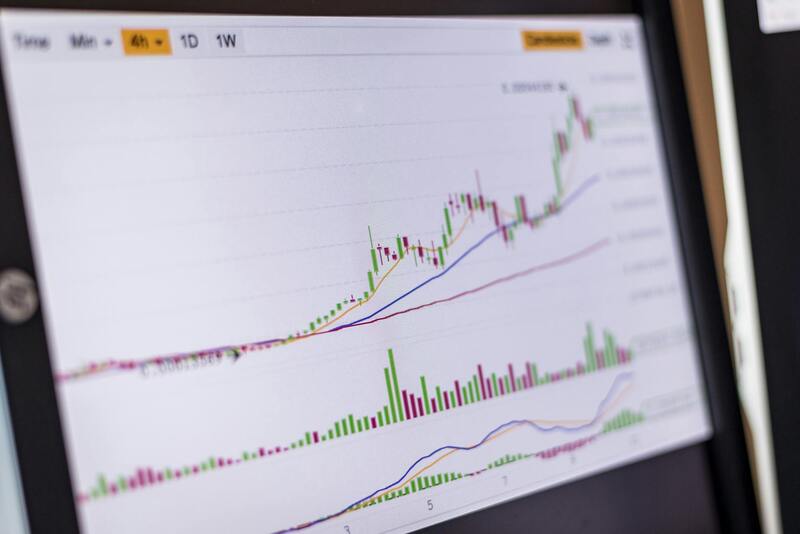
Operational Strategies and Infrastructure
- Development and testing of proprietary trading algorithms
- Real-time risk monitoring systems
- Access to high-speed trading platforms and market data
- Structured trading desks assigned to different asset classes
- Regular performance reviews and strategy adjustments
Advantages of Collaborating with a Prop Trading Firm
Partnering with a proprietary trading firm offers numerous advantages for traders aiming to elevate their trading careers. One of the key benefits is the access to substantial capital that allows for larger position sizes and diversification—resources that are often unavailable to individual traders. Additionally, firms provide sophisticated trading tools, comprehensive training programs, and mentorship, fostering continuous skill enhancement and strategic development.
Firms often promote a culture of innovation and competitiveness, where traders are incentivized through profit-sharing schemes. Besides financial gains, traders benefit from structured risk management, which helps maintain disciplined trading habits and minimizes potential losses. The collaborative environment also provides opportunities to learn from seasoned traders, analyze market trends collectively, and stay informed on regulatory changes and industry best practices.
Requirements and Qualifications for Entry
Joining a proprietary trading firm typically requires a combination of technical skills, trading experience, and a strong understanding of financial markets. Common qualifications include:
- Proven trading success or relevant trading experience
- Strong quantitative and analytical skills
- Exceptional risk management capabilities
- Compatibility with the firm’s risk and trading policies
- Ability to adapt to advanced trading platforms and tools
Many firms also conduct rigorous interview processes, including simulation trading assessments and technical evaluations, to ensure candidates meet their standards of professionalism, discipline, and strategic thinking.
Various Trading Strategies Employed by Prop Firms
Proprietary trading firms utilize a diverse array of trading strategies to capitalize on market opportunities. These strategies are often algorithm-driven and customized to the firm's risk appetite and market focus.
- Market Making: Providing liquidity by continuously quoting buy and sell prices to profit from the bid-ask spread.
- Arbitrage Strategies: Exploiting price discrepancies between related assets or markets for quick gains.
- Trend Following: Identifying and riding sustained market trends using technical analysis.
- Mean Reversion: Trading on the assumption that asset prices will revert to their historical averages.
- High-Frequency Trading (HFT): Leveraging speed and advanced algorithms to execute numerous trades within milliseconds.
Risks and Challenges in Proprietary Trading
Despite its potential for profit, proprietary trading involves considerable risks. Market volatility can lead to significant losses if positions are not managed carefully. Traders must contend with the psychological pressure of rapid decision-making and the possibility of leveraging large sums of capital, which amplifies both gains and losses. Additionally, evolving regulatory environments and technological changes necessitate continuous adaptation to stay competitive and compliant.
Successful traders in prop firms are those who combine technical skill with disciplined risk management strategies, ensuring that losses are contained while capitalizing on favorable market conditions. Regular training and adherence to firm protocols are vital in navigating the complex landscape of proprietary trading.
Industry Trends and the Regulatory Environment
The proprietary trading industry remains dynamic, with technological advancements such as artificial intelligence, machine learning, and blockchain influencing strategic evolution. Firms are increasingly integrating these innovations to enhance trading efficiency and risk assessment. The industry also emphasizes data-driven decision-making and automation, which can improve execution speed and reduce human error.
Regulatory developments continue to shape industry practices, prompting firms to adopt stricter compliance protocols and transparent reporting standards. These measures foster a more robust trading environment, ensuring fair practices and market stability. As the industry advances, a focus on ethical trading conduct and technological integrity will remain central to sustainable growth.
