
Understanding Prop Trading Firms for Futures
Proprietary trading firms, commonly known as prop firms, serve as pivotal players in the financial landscape by providing traders with access to substantial capital and advanced trading resources. Their core mission is facilitating skilled traders to deploy their strategies across various markets, including the highly dynamic futures markets, with the backing of the firm's financial support. These firms enable traders to leverage large-scale trading environments, access cutting-edge technology, and benefit from professional risk management systems, creating a platform where expertise and resources converge to maximize trading potential.
Futures trading involves contracts that commit traders to buy or sell a specific quantity of a commodity or financial instrument at a predetermined price on a future date. This market attracts numerous traders due to its liquidity, leverage options, and diverse asset classes, such as commodities, indices, currencies, and cryptocurrencies. Prop firms specializing in futures often tailor their programs to meet the specific needs of futures traders by offering specialized capital, tailored training, and risk control measures suited for the futures environment.
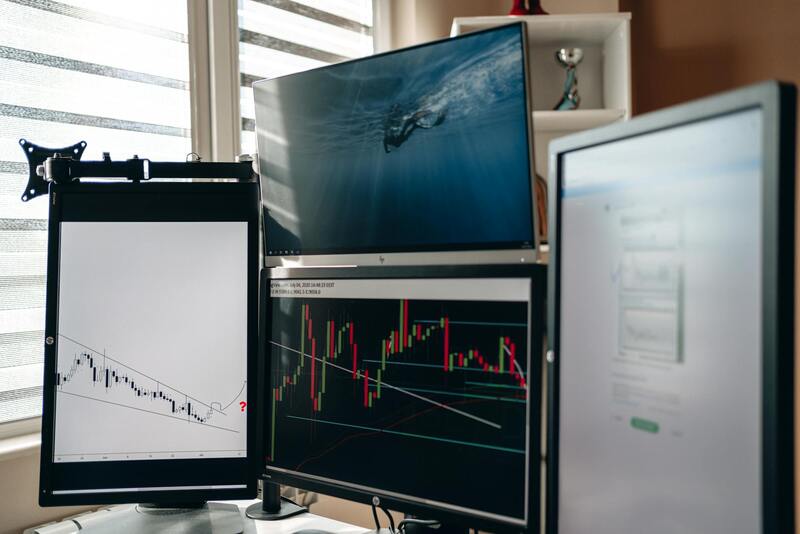
By partnering with a reputable prop trading firm, futures traders gain access to significantly larger trading capital than they might independently, thus enabling more flexible position sizing and strategies. This access not only increases the potential for profit but also helps manage the inherent risks associated with futures trading by implementing robust risk mitigation protocols. Moreover, these firms offer comprehensive training programs, mentorship opportunities, and proprietary tools designed specifically to enhance a trader’s skill set in the futures market.
In navigating the futures trading landscape within prop firms, traders also benefit from structured evaluation phases that test their skills and adherence to risk management standards before granting access to full trading capital. This systematic approach ensures only capable traders operate at scale, fostering a disciplined trading environment that benefits both the trader and the firm.
As futures markets continue to evolve with technological advancements and increasing market complexity, the role of proprietary trading firms becomes ever more vital. They serve as essential gateways for traders aspiring to scale their strategies, improve their trading performance, and sustain profitability in fast-moving futures markets.
Criteria for Evaluating the Best Prop Firms for Futures
When selecting a prop trading firm for futures, traders should closely examine several critical factors that influence the overall trading experience and potential success. These criteria not only help identify firms with the best offerings but also ensure traders align with a firm's operational standards and risk management protocols.
Trading Capital Accessibility
One of the primary considerations is the amount of trading capital provided. Top firms typically offer substantial leverage and funding, enabling traders to execute larger positions that can significantly amplify profits. It's crucial to review whether the firm’s capital allocation allows for sufficient flexibility to implement diverse trading strategies within the futures markets.
Risk Management Rules
Every high-caliber prop firm maintains strict risk management policies aimed at protecting both the trader and the firm’s capital. These include maximum drawdown limits, daily loss caps, and position size constraints. Firms that rigorously enforce these measures foster disciplined trading behaviors, which are essential for long-term profitability in the volatile futures landscape.
Platform Quality and Technology
Efficient, reliable trading platforms are fundamental for futures trading. Leading firms provide access to advanced trading technology, high-speed execution, real-time data feeds, and customizable tools that enable traders to analyze markets effectively and execute trades promptly. User-friendly interfaces and robust connectivity reduce operational friction and facilitate a seamless trading process.
Payout Structure and Fees
The financial arrangements, including payout percentages and fee structures, directly impact a trader's net earnings. Top firms typically offer competitive payout ratios, minimizing or eliminating monthly fees, and providing quick, transparent payout methods. Understanding how and when profits are distributed ensures traders can accurately anticipate their earnings and plan trading activities accordingly.
Educational Support and Trader Development
Continual learning is vital for traders aiming to succeed in futures markets. Quality prop firms invest in comprehensive educational resources, including webinars, mentorship programs, and trading strategy workshops. These initiatives, combined with active trader communities and dedicated support teams, help traders refine their skills, adapt to market changes, and develop sustainable trading routines.

Evaluating Trading Parameters and Requirements in Futures Prop Firms
When selecting a prop trading firm for futures, understanding the specific trading parameters and requirements is essential. These aspects include minimum trading volume, account size, and risk management protocols, all of which influence a trader's ability to operate effectively within the firm’s framework.
Most top futures prop firms set defined trading algorithms, such as daily loss limits, maximum drawdown thresholds, and minimum trading days. Strict adherence to these parameters maintains the integrity of the trading environment and ensures consistency across traders. For example, a firm might enforce a daily loss cap to protect both the trader and the company, requiring traders to closely monitor their risk exposure and avoid large, impulsive trades that could jeopardize their accounts.
Account size requirements vary widely, with some firms offering scaled funding that allows traders to begin with small deposits and expand as they demonstrate profitability. This incremental approach helps traders develop their skills while managing risk effectively. Also, these firms often specify the types of futures contracts eligible for trading, such as commodities, indices, or currencies, ensuring traders focus on markets aligned with their skills and strategies.
Risk management protocols are an integral component, emphasizing disciplined trade execution and position sizing. Many firms implement predetermined stop-loss and take-profit levels that traders must honor. These rules safeguard against emotional trading and promote consistent performance. Moreover, compliance with firm-specific trading hours and contract rollover policies is crucial to avoid penalties or account suspension.
It is also noteworthy that some firms employ real-time monitoring tools to oversee trading activity, allowing for immediate intervention if risky behavior is detected. Traders should review these parameters thoroughly before committing, as they form the backbone of a sustainable and profitable trading relationship within the prop firm.
Understanding these detailed requirements and parameters enables traders to align their strategies with the firm's operational standards, reducing missteps and fostering long-term success in futures trading.
Assessing Support Systems and Educational Resources
When choosing the optimal prop trading firm for futures, the quality and breadth of support systems and educational resources play a critical role. Top firms recognize that continuous learning and robust support infrastructure are essential for traders to refine their strategies and adapt to dynamic markets. Such firms typically invest in comprehensive training programs, a variety of educational materials, and access to seasoned mentors or coaches who provide insights tailored to futures trading.
Effective communication channels, such as dedicated trader support teams, online forums, live webinars, and detailed documentation, enable traders to resolve issues swiftly and clarify trading parameters. Firms that prioritize trader development often offer regular market analysis updates, trading psychology sessions, and risk management workshops, equipping traders with vital skills to navigate volatile futures markets efficiently.

Additionally, some firms provide simulated trading environments where traders can practice without risking real capital. These demo accounts mirror live trading conditions, allowing traders to test strategies and familiarize themselves with specific futures contracts and platform functionalities. The availability of these educational tools is particularly beneficial for beginners and those transitioning to more complex futures markets.
Understanding Fee Structures and Profit Sharing Models
Another key element influencing the choice of a prop firm is the fee structure and profit-sharing arrangements. Many firms operate on a scaled funding model, where traders initially trade with a smaller capital allocation and progressively increase their funding as they meet performance benchmarks. This approach mitigates initial risk and fosters skill development.
Fee models vary: some firms require a one-time fee for participation, while others charge monthly or quarterly dues for ongoing access and support. It’s important to evaluate whether these fees are justified by the resources and earnings potential provided. Equally significant is the profit-sharing model, which typically involves a percentage split between the trader and the firm. Leading firms often offer more favorable splits, providing traders with a larger share of the profits, which can substantially impact long-term earnings in futures trading.

Traders should also scrutinize additional costs that might be embedded within the fee structure, such as platform fees, data feed charges, and termination penalties. Clear understanding of these expenses helps in assessing the actual profitability of trading with any given firm, ensuring that the trader’s earnings are maximized relative to costs incurred.
Understanding Prop Trading Firms for Futures
Prop trading firms specialized in futures provide traders with the opportunity to access substantial trading capital, enabling them to engage in high-volume, high-leverage trading strategies. These firms typically fund traders who demonstrate proficiency in technical analysis, market understanding, and risk management. Unlike retail trading accounts, prop firms often supply the infrastructure, data feeds, and risk controls necessary for executing complex futures trades. They offer a platform for traders to leverage institutional-grade resources, which can significantly enhance potential returns when coupled with sound trading discipline.

Participating in a prop firm involves adhering to strict trading parameters set by the firm, including risk limits, position sizing, and daily loss caps. Traders often undergo a qualification process, which may include a trading challenge or evaluation, to prove their capability before being granted access to the firm’s capital pool. Once onboard, traders benefit from comprehensive risk management systems, real-time monitoring, and dedicated support aimed at optimizing trading performance in the futures markets.
Criteria for Evaluating the Best Prop Firms for Futures
Selecting the optimal prop trading firm for futures depends on multiple factors that align with a trader’s goals, trading style, and risk tolerance. These criteria include:
- Trading Capital and Leverage: The amount of available capital and the leverage offered directly impact trading flexibility and profit potential.
- Profit-Sharing and Fee Structures: Favorable profit splits and reasonable fee arrangements can enhance overall profitability.
- Trading Platforms and Data Access: Advanced, reliable trading software and data feeds are essential for executing precision futures trades.
- Risk Management Protocols: Strict risk controls and automated stop-loss systems help mitigate large losses and preserve capital.
- Support and Educational Resources: Ongoing training, mentorship, and dedicated support staff benefit traders aiming to refine their futures strategies.
- Reputation and Transparency: Well-established firms with clear policies and good industry standing foster trust and stability for traders.
Top Prop Trading Firms Specializing in Futures
Several prop trading firms have carved out reputations for excelling in futures trading, providing traders with robust programs and supportive growth environments. These firms are characterized by their transparency, innovative trading tools, and flexible funding models that cater to experienced futures traders.

Here are some of the most recognized firms that focus heavily on futures trading:
- TopTrader Capital: Known for high leverage offerings and extensive futures market coverage, TopTrader provides comprehensive training modules alongside real-time trading support.
- FuturesPro Partners: Specializing exclusively in futures markets, this firm offers scalable funding models, tailored risk parameters, and cutting-edge trading platforms.
- AlgoTrade Funding: Emphasizing algorithmic and quantitative futures strategies, AlgoTrade offers advanced analytical tools and dedicated mentorship programs.
- EliteFutures Labs: Known for rigorous evaluation processes and high profit-sharing splits, EliteFutures supports traders with extensive educational resources and robust risk management systems.
Trading Parameters and Requirements
Most futures prop firms establish specific trading parameters which traders must adhere to. These include daily loss limits, maximum position sizes, and overall profit targets. For example, a firm might set a daily loss cap to prevent overexposure, ensuring the sustainability of trading operations. Traders are expected to follow these rules strictly, as violations can result in termination of the trading agreement or forfeiture of trading capital.
Eligibility requirements often involve successful completion of a trading challenge, demonstrating proficiency in futures trading under simulated conditions. Once accepted, traders are typically required to maintain consistent performance and adhere to risk protocols to retain funding. The focus is on fostering disciplined trading practices that align with the firm’s risk management policies.
Additional stipulations may include mandatory trading hours, approved instrument lists, and reporting protocols. Such conditions are designed not only to protect the firm's capital but also to help traders develop reliable and disciplined trading habits that are essential for long-term success in futures markets.
Trading Parameters and Requirements
Prop trading firms specializing in futures generally implement strict trading parameters designed to promote disciplined risk management and operational consistency among their traders. These parameters include daily loss limits, maximum position sizes, and overall profit targets that traders must adhere to diligently. For example, a firm may establish a maximum daily loss cap that a trader cannot exceed, thereby controlling downside risk and safeguarding the firm's capital from severe drawdowns. Such constraints ensure traders operate within a controlled environment, reducing the likelihood of catastrophic losses, and foster a sustainable trading approach.
Eligibility criteria frequently involve passing a trading challenge that tests a trader’s ability to execute successful futures trades under simulated or real-time conditions. Once a trader demonstrates competence, they are granted access to trading capital under the firm's guidelines. This transition emphasizes the importance of consistent performance, thorough risk management, and adherence to trading protocols to maintain funding status.
Additional stipulations may include designated trading hours aligning with major futures markets, approved lists of instruments to focus trading efforts, and specific reporting protocols to keep the firm informed of trading activity. Compliance with these parameters ensures both the safety of the firm's assets and the development of disciplined habits vital for long-term success in futures trading. Maintaining these standards also helps traders refine their strategies within a structured environment, which is crucial given the high volatility and leverage associated with futures markets.
- Daily Loss Limits: Controls downside risk to prevent large, detrimental losses during volatile trading sessions.
- Position Size Restrictions: Ensures that traders do not take excessively large positions, preserving capital and reducing market impact.
- Profit Targets: Guides traders towards consistent profitability, aligning individual goals with the firm's objectives.
- Trading Hours: Specifies active trading windows to synchronize with the most liquid futures markets, enhancing execution quality.
- Instrument Lists: Limits trading to selected futures contracts, which helps traders focus and develop specialized strategies.
Compliance with these guidelines typically requires rigorous discipline. Traders who excel within these frameworks often benefit from mentorship programs, tailored educational resources, and performance analytics that improve their ability to navigate complex futures markets effectively.
Pros and Cons of Leading Futures Prop Firms
Evaluating the advantages and disadvantages of top futures prop firms is crucial for traders aiming to find a partnership that aligns with their trading style and career goals. While these firms often provide substantial capital access, structured environments, and educational support, they also come with specific constraints that can influence trading strategies and overall trader satisfaction.
Advantages of Prominent Futures Prop Firms
- Access to Significant Capital: Many top firms offer traders the opportunity to trade with larger account sizes than individual capital would permit. This scaling allows for increased position sizes and the potential for higher profits, which is vital in the futures markets where leverage plays a key role.
- Structured Trading Environment: Established firms implement strict trading parameters, risk management protocols, and performance metrics. This structure helps traders develop disciplined trading habits while maintaining risk controls essential in futures trading.
- Educational Resources and Mentorship: Leading firms often provide comprehensive training, webinars, and mentorship programs designed to refine trading skills. These resources can accelerate learning curves and improve trading outcomes, particularly for emerging traders.
- Risk Management Oversight: Reputable firms actively monitor trades and enforce risk limits. This oversight reduces catastrophic losses and encourages responsible trading behaviors, which are crucial given the high volatility and leverage in futures markets.
- Performance-Based Payouts: Many prop firms operate on profit-sharing models that reward skill and consistency, incentivizing traders to optimize their strategies and risk management techniques.
Disadvantages and Challenges
- Stringent Trading Limits: While risk controls are beneficial, strict trading parameters can restrict traders from executing large or aggressive positions, which might limit profit potential for some strategies.
- Profit Sharing and Fees: Certain firms require initial evaluations or deposits, and profit splits can significantly affect traders’ net gains. High fees or unfavorable payout structures may diminish overall profitability.
- Performance Pressure: The competitive environment and strict performance benchmarks can create psychological stress, especially during periods of market volatility or drawdowns.
- Limited Flexibility: Some firms enforce specific trading hours, instruments, or techniques that may not suit every trader's approach, potentially stifling creativity or adaptation to evolving markets.
- Evaluation and Onboarding Processes: The process to qualify for trading with a prop firm can be rigorous, involving assessments that test trading discipline, consistency, and risk management—requiring significant preparation and resilience.
Assessing Suitability and Future Considerations
Choosing the right futures prop firm depends largely on individual trading style, risk tolerance, and long-term objectives. Traders should evaluate whether the firm's trading environment aligns with their personal strategies and whether the support mechanisms offered promote sustained growth. An important aspect is assessing how the firm's policies regarding leverage, profit sharing, and trading restrictions impact potential earnings and trading freedom. For traders committed to disciplined, strategy-driven futures trading, a firm that emphasizes risk management, offers educational resources, and maintains transparent communication can be invaluable in navigating the high-stakes, rapid-moving futures markets.
Which Prop Firm Is the Best for Futures?
Identifying the optimal prop trading firm for futures trading requires careful assessment of several critical factors. Futures markets are inherently volatile and demanding, so traders need to partner with firms that not only offer robust support and transparent processes but also align with their trading philosophies and risk tolerance.
Key Factors Influencing the Choice of a Futures Prop Firm
When evaluating potential prop firms, traders should focus on specific criteria that directly impact their ability to succeed and grow within the futures markets:
- Trading Capital and Leverage: The amount of capital allocated to traders can significantly influence trading capacity. Firms offering substantial leverage enable traders to maximize their position sizes, but this must be balanced with risk management protocols.
- Profit Sharing and Fees: Understanding the firm's commission structures, profit splits, and any associated fees ensures clarity on potential earnings and costs involved. Transparent payout schedules and reasonable fee structures are essential for profitability.
- Risk Management Policies: A firm's approach to risk controls, including drawdown limits and trading constraints, affects a trader's ability to operate freely while maintaining safety nets against losses.
- Trading Platforms and Tools: The availability of professional-grade trading platforms, analytical tools, and real-time data can enhance trading efficiency and effectiveness in the fast-paced futures environment.
- Educational Resources and Support Systems: Continuous learning opportunities, mentorship programs, and responsive support channels contribute to trader development and confidence.
- Reputation and Track Record: Researching a firm's history, reviews, and success stories can provide insights into its reliability and the potential for trader success.
Assessing Trading Parameters and Requirements
Futures prop firms typically establish specific trading parameters tailored to optimize safety and performance. These include minimum and maximum order sizes, allowed trading strategies, and required risk management practices. Some firms mandate daily or monthly loss limits to prevent overexposure, while others may restrict trading hours to match market volatility patterns.

Understanding these requirements ensures traders remain compliant and maintain the opportunity to capitalize on market movements without jeopardizing their funded account.
Comparing Fee Structures and Trader Payouts
Fee structures among futures prop firms vary widely, encompassing setup fees, monthly or annual membership charges, and profit-sharing arrangements. Transparent firms clearly specify these details upfront, allowing traders to accurately project earning potential.
- Setup and Membership Fees: Some firms charge initial fees that may include training or platform access, while others waive these for high-performing traders.
- Profit Splits: The percentage of profits retained by the trader can range from 70/30 to 90/10, impacting overall earnings significantly.
- Withdrawal Policies: Clear payout procedures and schedules are crucial, ensuring traders can access their earnings without delays or complications.
Resources and Support for Futures Traders
The most reputable prop firms offer extensive educational resources, including webinars, live trading rooms, and detailed strategy guides that specifically cater to futures traders. Additionally, personalized mentorship programs can accelerate learning curves and promote disciplined trading practices.
Responsive support teams that understand the nuances of futures markets provide traders with assistance on platform issues, compliance questions, and market insights, which contribute to a smoother trading experience.
Choosing a Prop Firm for Futures Trading: Practical Tips
Assessing a potential firm's policies involves examining its trading rules, risk management measures, and support infrastructure. Traders should also consider their own trading style—whether they prefer scalping, day trading, or swing trading—and determine if the firm's environment accommodates these styles effectively.
Moreover, reviewing the firm’s reputation through credible sources and seeking feedback from established traders can offer valuable perspectives. Matching your ambitions and risk appetite with the firm’s offerings ensures a mutually beneficial partnership that facilitates long-term growth in futures trading.
