
Definition and Purpose of a Prop Trading Firm
A proprietary trading firm, often referred to as a prop trading firm, is a financial organization that allocates its own capital to execute trading strategies across various financial markets. Unlike traditional financial institutions that execute trades on behalf of clients, prop trading firms focus on generating profits through their own trading desks, utilizing advanced strategies and in-depth market analysis.
The core objective of a prop trading firm is to leverage its accumulated capital, expertise, and technology to make calculated trades aiming for consistent profitability. These firms operate with the primary goal of augmenting their own earnings rather than providing brokerage services or managing external client funds.
Prop trading firms typically employ skilled traders who are evaluated based on their ability to generate returns, risk management skills, and adherence to the firm's operational guidelines. The unique model allows these firms to implement innovative trading approaches and adapt swiftly to changing market conditions without the constraints often faced by traditional asset managers.
Differences from Other Trading Entities
- Client-based vs. Proprietary Focus: Unlike brokerages or asset management firms, prop trading firms trade with their own funds rather than client deposits.
- Risk Exposure: They assume market and operational risks directly, managing them through sophisticated strategies and risk controls.
- Profit Generation: Gains are realized from executing trades based on market insights, often with the benefit of employing leveraging techniques that amplify potential returns.
Purpose and Functions
- Maximize profit through market speculation and arbitrage strategies.
- Innovate trading techniques backed by quantitative analysis and technological tools.
- Maintain rigorous risk management protocols to safeguard capital.
- Provide employment opportunities for skilled traders and analysts.
How Prop Trading Firms Operate
Proprietary trading firms function based on a well-structured operational model that emphasizes efficient capital allocation, innovative trading strategies, and performance-driven profit-sharing mechanisms. These elements are crucial for maintaining competitiveness and adapting to the dynamic nature of financial markets.
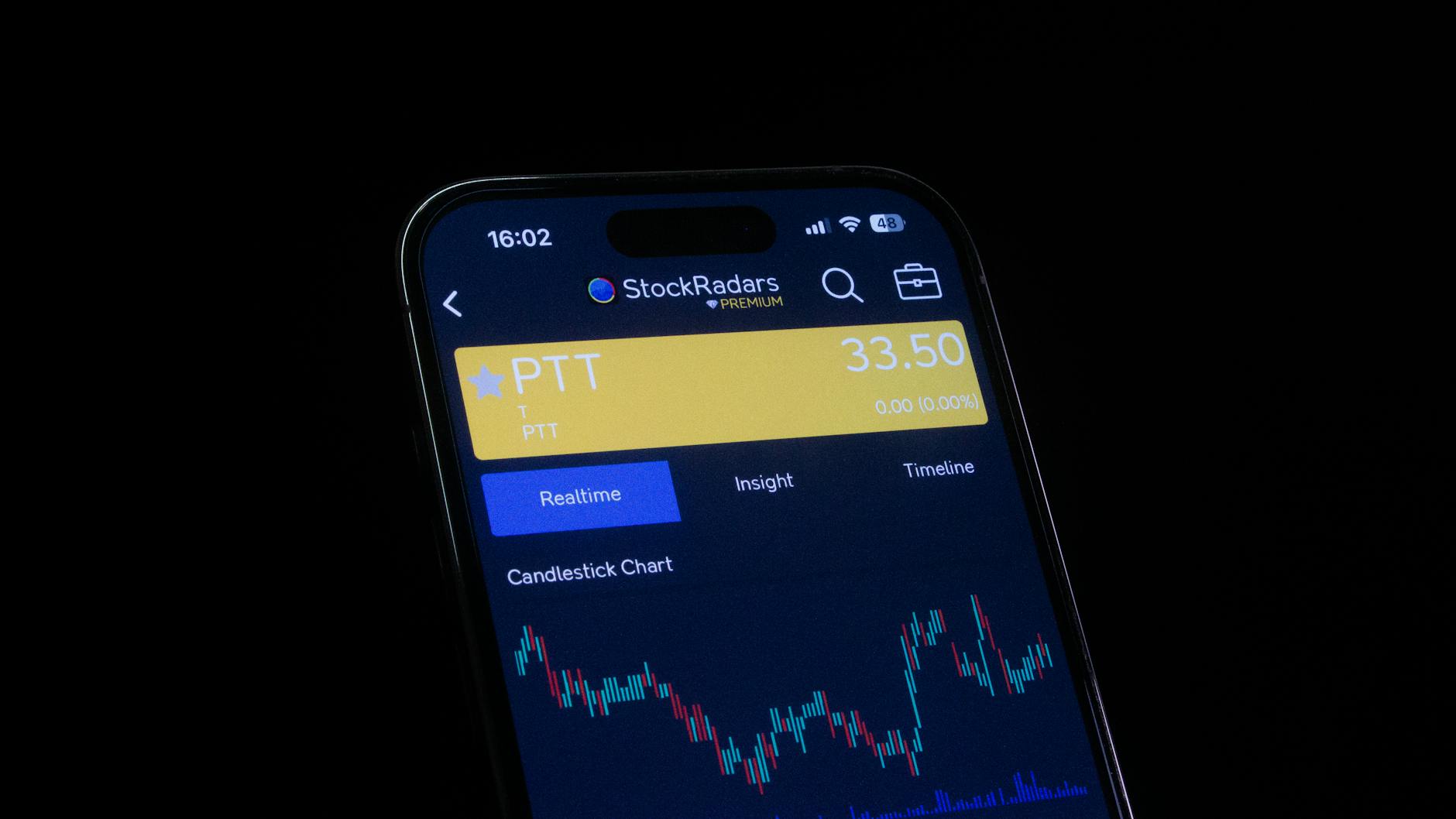
Central to a prop trading firm’s operation is its capital deployment strategy. The firm allocates a defined amount of capital to its traders, who then execute trades according to specific guidelines and strategies. Unlike traditional asset management, the firm's risk appetite is integrated into the operational framework, providing traders with a degree of autonomy within predefined risk parameters.
Trading strategies within prop firms are diverse and often incorporate quantitative analysis, algorithmic models, and real-time market data. These strategies are designed to exploit market inefficiencies, arbitrage opportunities, and short-term price movements. Traders leverage technology to execute high-frequency trades, ensuring rapid reaction times and minimal latency, which are essential for capturing fleeting opportunities.
Profit sharing within prop firms generally involves a tiered structure where traders receive a percentage of the profits they generate. This setup incentivizes top performance and aligns traders' interests with the firm's overall success. The firm typically reinvests a portion of profits to fund operational expenses, technological upgrades, and further growth initiatives.
Risk management is embedded into every operational aspect of a prop trading firm. Advanced risk models monitor trades continuously, manage leverage levels prudently, and implement stop-loss protocols. This comprehensive risk oversight aims to protect the firm's capital base while allowing traders the freedom to pursue profitable opportunities.

Efficiency and adaptability are key operational priorities. Firms often employ dedicated teams for technological development, compliance monitoring, and strategy research to ensure they remain competitive in an ever-changing environment. Regular backtesting, scenario analysis, and performance reviews help refine strategies and identify emerging market trends.
In summary, the operational excellence of a prop trading firm stems from a combination of strategic capital deployment, cutting-edge technology, disciplined risk management, and performance-driven incentive schemes. These elements collectively create a robust framework that supports sustained trading success and ongoing innovation in the financial markets.
Funding and Capital Structure
One of the fundamental aspects that distinguish a professional prop trading firm from individual trading endeavors is its robust funding and capital infrastructure. These firms typically manage significant pools of capital, often sourced from institutional investors, private equity, or the firm’s own accumulated profits. The capitalization level allows traders to access larger positions, leverage, and sophisticated trading environments that are not feasible for individual traders operating independently.
Within a prop trading firm, the available capital is often segmented into different trading accounts or funds, each dedicated to specific strategies or asset classes. This segmentation helps in risk diversification, capital preservation, and focused strategy deployment. The firm’s operational policies govern how much leverage can be used for each account, balanced carefully to optimize returns without exposing the firm to undue risk.
Operationally, the firm’s capital structure supports advanced technological infrastructure, research teams, and compliance systems that ensure efficient and regulated trading practices. This infrastructure creates a stable framework that empowers traders to operate at high levels of efficiency and effectiveness, leveraging the firm’s resources to access global markets, complex instruments, and real-time data feeds.

Effective management of funding ensures that the prop trading firm can sustain operations during market fluctuations, adapt to evolving financial environments, and invest in strategic growth initiatives. These initiatives include technological upgrades, trader training programs, and expansion into new trading arenas, all aimed at solidifying the firm’s competitive position in the industry.
Trader Selection and Evaluation
Central to a prop trading firm’s success is its approach to sourcing, selecting, and continuously evaluating traders. The recruitment process typically emphasizes robust analytical skills, psychological resilience, a proven track record, and a strategic mindset capable of adapting to dynamic market conditions. Once onboarded, traders are subjected to ongoing evaluation metrics that focus on performance consistency, adherence to risk protocols, and contribution to the firm’s overall growth.
Evaluation often involves comprehensive performance reviews, the analysis of trading history, and behavioral assessments. These assessments help the firm identify high-potential traders who are aligned with its risk appetite and operational culture. Periodic feedback and performance metrics foster continuous improvement and strategic alignment, enabling traders to develop more refined, profitable strategies over time.
Advantages of Joining a Prop Trading Firm
- Access to substantial capital and leverage, allowing for larger trade sizes and diversified strategies.
- Cutting-edge trading technology and infrastructure that facilitate high-speed execution and advanced data analysis.
- Ongoing training, mentorship, and strategic support from experienced professionals.
- Structured risk management and compliance frameworks that safeguard operations.
- Potential for profit sharing and performance-based incentives aligned with personal success.

Engagement with a well-established prop trading firm not only amplifies individual trading capacity but also provides a platform for professional growth and exposure to diverse markets. Traders gain access to resources that significantly improve their trading edge, resulting in enhanced profitability and career development.
Funding and Capital Structure
Prop trading firms typically secure their capital through a combination of internal funds, strategic partnerships, and sometimes external investments. These firms allocate funds based on their overall strategic objectives, risk appetite, and market opportunities. The core of their financial foundation lies in their ability to effectively manage and deploy this capital across various trading desks, markets, and asset classes.
To ensure stability and sustainability, prop trading firms implement sophisticated risk management protocols to oversee their capital deployment. This involves setting stringent limits on trading positions, utilizing advanced analytics to monitor market movements, and continuously adjusting exposure based on prevailing financial conditions. The firms’ risk structures are designed to optimize return on capital while maintaining resilience against adverse market shifts, thus safeguarding their financial health.

Financial resources are often structured into various compartments, including operational capital for day-to-day trading activities, reserve funds for risk mitigation, and capital dedicated to strategic expansions. This layered approach allows prop trading firms to sustain their operations through economic fluctuations and adapt swiftly to changing market dynamics, ensuring continuous trading capabilities and profit generation.
Trader Selection and Evaluation
The process of selecting traders in a prop trading firm involves a comprehensive assessment of technical skills, trading psychology, and risk management discipline. Candidates are evaluated through a mix of simulated trading tests, performance analysis of past trades, and behavioral interviews. The goal is to identify traders with consistent profitability, disciplined risk control, and a good understanding of market mechanics.
Once onboarded, traders undergo ongoing evaluation to ensure they meet the firm’s performance standards and risk parameters. This includes frequent performance reviews, trade audits, and behavioral assessments to verify adherence to established protocols. Traders who demonstrate sustained performance and discipline are often provided with increased capital allocations, advanced training opportunities, and greater responsibilities within the firm.
- Regular performance metrics review to track profit consistency
- Analysis of trading behavior and decision-making patterns
- Feedback sessions to promote continuous improvement
- Risk management compliance checks
This rigorous evaluation process aids in maintaining operational integrity, optimizing the collective wisdom of the trading team, and fostering a culture of excellence and accountability within the firm.

Funding and Capital Structure
The funding mechanisms of prop trading firms are central to their operational capacity and growth potential. Typically, these firms allocate substantial pools of capital sourced from either the firm’s own reserves or external investors, specifically tailored for trading activities. Unlike retail traders, who rely on personal capital, traders within a prop firm operate using a slice of this pooled funding, which is managed under strict risk management protocols.
This structure allows traders to access larger trading positions than they could with personal funds, expanding potential profit opportunities while limiting individual risk exposure through predefined capital controls. The firm’s capital structure is designed to optimize liquidity and risk dispersion, often employing sophisticated financial instruments and segregated accounts to ensure operational integrity and consistent trading availability.
Funding models can vary between firms that provide fixed capital allocations to their traders and those that operate on profit-sharing schemes. In many cases, the firm itself determines the parameters of trading accounts, including maximum drawdown limits, position sizes, and profit targets. This controls overall risk levels, enabling the firm to withstand market volatility while maintaining a steady flow of trading activity.
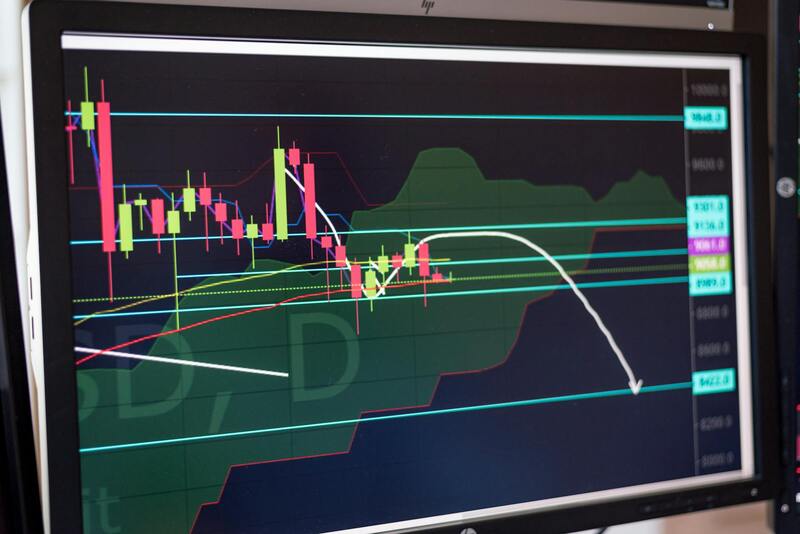
Transparency in capital utilization is critical for maintaining operational consistency. Regular audits and risk assessments are conducted to ensure adherence to the firm’s investment policies. These measures help prevent excessive risk-taking that could undermine the firm’s financial stability. Furthermore, a well-structured funding approach enables prop firms to scale their operations by attracting new traders and external investors, fostering sustainable growth in competitive markets.
In addition, many prop trading firms implement reserve funds and fallback mechanisms, which bolster resilience against unexpected market downturns. Capital is often allocated with a dual purpose: to maximize trading opportunities and to serve as a buffer protecting the firm from trading losses beyond its risk appetite. This financial discipline supports long-term operational viability and profit generation.
Understanding the Operational Framework of a Prop Trading Firm
Funding and Capital Structure in Prop Trading Firms
A core aspect of a proprietary trading firm's operations involves its funding and capital management strategies. Unlike traditional investment entities, prop firms allocate significant capital directly to their traders, creating a unique dynamic centered around risk and reward sharing. Capital is often divided into dedicated trading accounts, which can be either fixed in size or variable depending on the trader’s experience and performance metrics.
Many prop trading firms adopt a hybrid funding model. This involves providing traders with a certain amount of capital while maintaining strategic oversight to ensure risk controls. This model allows for flexibility in scaling the firm's operations while managing exposure to market volatility. The firm’s capital structure typically includes reserve funds, which serve as buffers against adverse market movements, helping to stabilize overall operations during downturns.

Transparency is vital in these arrangements. Prop firms implement rigorous monitoring and audit processes to ensure capital deployment aligns with predefined risk parameters. Regular audits and risk assessments are fundamental for maintaining operational consistency, preventing overexposure, and safeguarding assets. These controls also enable firms to attract external investments and expand their trading scopes, fostering long-term stability and growth.
Trader Selection and Evaluation Processes
Successful prop trading firms rely on a comprehensive process for selecting skilled traders. This process often involves multiple stages, including application reviews, simulated trading tests, and real-money trading evaluations. Criteria such as trading discipline, risk management skills, consistency in performance, and psychological resilience are assessed thoroughly.
Evaluation does not cease after selection. Continuous performance monitoring is essential. Firms establish clear benchmarks for trading activity, profit generation, and adherence to risk parameters. Traders are regularly reviewed through detailed reports and performance analytics. Feedback mechanisms help traders refine their strategies and align with the firm’s objectives. Such evaluations also include risk assessments, considering factors like drawdowns, position sizes, and compliance with the firm's trading rules.
This disciplined approach ensures that traders maintain their efficacy over time, minimizing losses and maximizing profit potential. It also fosters a professional environment where traders are motivated to improve and adapt, supporting the firm’s overall health and competitiveness in the market.

In addition to skill assessment, the selection process may include interviews and psychological evaluations to gauge a trader's capacity to handle market stress and make disciplined decisions under pressure. Such rigorous standards ensure that only capable traders operate within the firm, creating a cohesive and resilient trading environment that supports sustained profitability and operational integrity.
Funding and Capital Structure
Prop trading firms operate with distinct funding arrangements, primarily utilizing internal capital pools rather than client deposits. These firms allocate their own financial resources to support trading activities, enabling traders to access significant capital without risking personal funds. The firm’s capitalization often comes from a combination of private investments, strategic partnerships, or proprietary funds dedicated solely to trading operations.
In many cases, prop trading firms establish a structured capital hierarchy that allows for scalability and risk distribution. The core capital acts as a buffer against potential losses, ensuring the firm can sustain market fluctuations. This structure facilitates the deployment of advanced trading strategies, such as leveraging positions or executing high-frequency trades, which require substantial financial backing.
Moreover, some firms adopt a profit-sharing model where traders receive a percentage of the profits generated, aligning their incentives with the firm’s overall financial health. A well-capitalized firm maintains robustness during turbulent market periods, providing stability for its traders and fostering an environment conducive to consistent returns.

Trader Selection and Evaluation
Selection processes within prop trading firms are highly rigorous, designed to identify traders with not only technical skills but also psychological resilience and disciplined trading habits. Candidate evaluation begins with an extensive review of trading records, simulations, or trial periods, focusing on the consistency and risk management capabilities demonstrated in controlled environments.
Beyond performance metrics, firms conduct interviews and psychological assessments to gauge a trader’s decision-making under pressure, ability to manage stress, and alignment with the firm’s trading philosophy. These evaluations aim to identify individuals who can adapt to dynamic market conditions and adhere strictly to prescribed risk parameters.
Continuing performance assessments are integral to maintaining high standards. Traders are monitored continuously through detailed analytics and regular review sessions, which analyze profit-loss ratios, adherence to risk management protocols, and overall trading discipline. Feedback is provided to support ongoing development, ensuring traders meet the firm’s operational targets while managing risk prudently.
This comprehensive evaluation process helps foster a resilient, skilled trading team that contributes to the firm’s stability and growth. Consistent performance and disciplined risk management are rewarded, motivating traders to refine their strategies and maintain high standards of excellence.

Effective and Secure Methods to Engage with a Prop Trading Firm
Partaking in a proprietary trading firm involves adhering to established protocols that ensure a mutually beneficial partnership. Engaging with a prop trading firm through official channels not only guarantees access to credible resources but also safeguards your trading activities and reputation. Here are the essential, legitimate practices for establishing a successful relationship with a prop trading firm:
1. Complete Application Through Official Platforms
Authenticated prop trading firms typically provide a dedicated portal on their official websites for traders to submit applications. This process involves providing detailed personal and financial information, trading history, and often, a resume or trading profile. Utilizing the official platform ensures that your application is processed securely and reaches the appropriate evaluators, minimizing the risk of miscommunication or fraudulent activity.

2. Participate in Structured Evaluation and Trial Periods
Most reputable prop trading companies implement a structured evaluation phase designed to assess a trader’s skills, risk management, and adherence to trading protocols. This may include simulated trading tests or trial trading periods that adhere to standardized rules. Completing these steps through authorized channels provides an official record of your performance, which is vital for transparent evaluation.
3. Maintain Transparent Communication and Documentation
Engaging with the firm through verified communication channels—such as official email addresses and customer service portals—ensures clear documentation of all interactions. Whether discussing trading guidelines, compliance standards, or performance feedback, careful documentation helps establish a robust professional relationship and creates an audit trail that can be referenced when necessary.
4. Utilize Certified Trading Platforms and Software
Participating in a prop trading firm’s ecosystem requires the use of approved trading platforms and software. These tools are often provided or recommended by the firm and configured to meet compliance standards. Using certified software not only fosters operational integrity but also grants access to proprietary analytics, risk management tools, and trading resources that are vital for successful trading.
5. Follow Official Training and Certification Programs
Many prop trading firms offer training modules, webinars, or certification courses designed to enhance traders’ skills within the firm’s operational framework. Completing these programs through official channels demonstrates your commitment to professional development and aligns your trading practices with the firm’s standards.
6. Adhere to Formal Agreements and Contracts
All collaborations with a prop trading firm should be formalized through legally binding contracts that outline trading conditions, profit-sharing arrangements, risk management protocols, and confidentiality clauses. Reviewing these documents carefully before signing ensures a clear understanding of your commitments and the firm’s expectations, upholding a transparent and straightforward partnership.
7. Engage in Regular Performance Reporting and Feedback Sessions
To maintain consistency and accountability, many prop trading firms require traders to submit performance reports and participate in periodic review meetings. Engaging with these assessments via official communication channels helps track progress, address potential issues promptly, and optimize trading strategies within the firm’s operational parameters.

8. Commit to Continuous Learning and Alignment with Firm Policies
Legitimate methods of engagement also involve ongoing education and adherence to the latest trading policies and market regulations. Participating in official training sessions, webinars, and policy updates provided by the firm helps ensure your trading practices remain compliant and aligned with the firm’s risk management philosophy. This commitment to continuous improvement enhances your professional standing and fosters trust within the trading community.
Summary of Best Practices
- Apply exclusively through the official prop trading firm website or authorized representatives.
- Complete performance evaluations and training via certified programs provided by the firm.
- Use official platforms and approved trading tools to ensure operational compliance.
- Maintain transparent communication and formal documentation at every interaction.
- Comply with all contractual agreements and trading policies.
- Engage in ongoing performance reviews and professional development opportunities.
