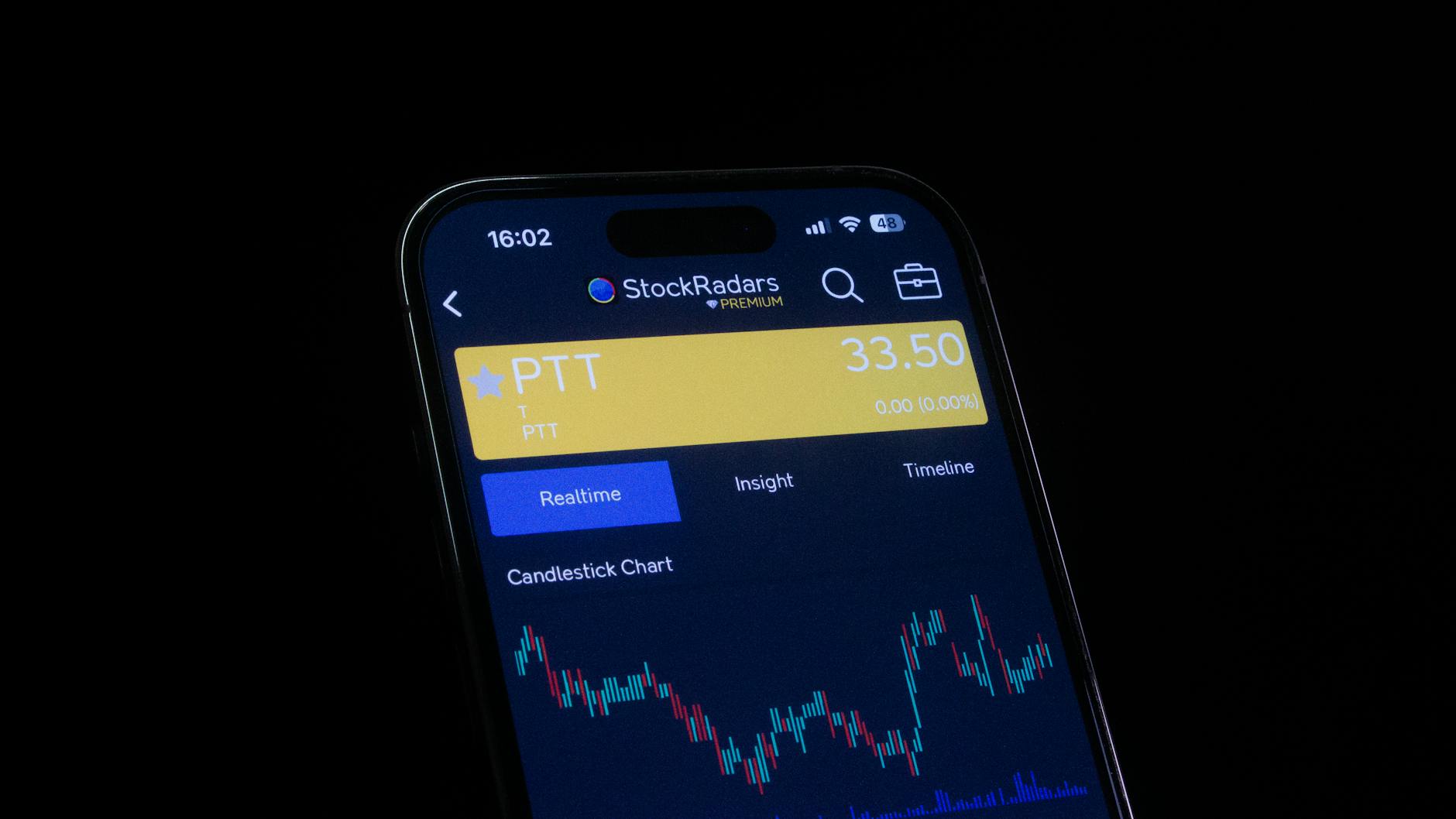
Understanding Proprietary Trading Tools
Proprietary trading tools are specialized software and technological solutions employed by trading firms to execute and manage their trading activities. These tools are designed to optimize trading strategies, improve decision-making, and enhance overall operational efficiency. By leveraging advanced algorithms, real-time data analysis, and automation, proprietary trading tools enable traders to identify lucrative market opportunities more precisely and execute trades with greater speed and accuracy. Their importance in prop trading operations cannot be overstated, as they serve as the backbone for executing complex strategies in fast-paced financial markets.
At the core, proprietary trading tools facilitate a competitive edge by providing traders with access to sophisticated analytics and execution capabilities. Rather than relying solely on manual processes, trading firms utilize these tools to automate routine tasks, monitor multiple markets simultaneously, and implement a consistent trading approach. This technological advantage not only helps in capturing higher returns but also contributes to risk management by providing robust systems for monitoring exposure and market conditions in real time.

As the landscape of financial trading continues to evolve, the role of proprietary trading tools becomes even more vital. They enable traders to process vast amounts of data with minimal latency, test strategies efficiently, and adapt quickly to shifting market dynamics. With constant advancements in technology, proprietary trading tools are becoming increasingly sophisticated, integrating artificial intelligence, machine learning, and big data analytics to inform trading decisions that are more precise and scalable.
Ultimately, these tools serve a dual purpose: enhancing trading performance while maintaining the integrity and security of operational data. For firms engaged in proprietary trading, investing in high-quality, functional trading tools is fundamental to achieving sustainable profitability and maintaining a competitive presence in the global trading arena. As technology advances, the emphasis on developing proprietary tools tailored to specific trading styles and strategies grows stronger, reinforcing their crucial role across the industry.
Types of Proprietary Trading Tools
Proprietary trading firms utilize a diverse array of tools designed to optimize trading performance and mitigate risks. Each category serves a distinct function but collectively they form an integrated system to execute, analyze, and refine trading strategies seamlessly.
Trading Platforms
At the core of any trading operation are advanced trading platforms. These software solutions facilitate real-time order execution, market data access, and account management. Modern platforms often feature customizable interfaces, multi-asset support, and connectivity to various exchanges, ensuring traders can act swiftly in dynamic markets.

Analytics and Data Analysis Software
Powerful analytics tools enable traders to process vast amounts of market data, identify patterns, and develop predictive models. These tools may include charting software, statistical analysis packages, and custom algorithms that help in backtesting strategies with historical data to validate their effectiveness across different market conditions.
Risk Management Systems
Risk management tools are critical for maintaining control over trading positions and ensuring firm stability. They provide real-time tracking of exposure levels, automate position sizing based on predefined parameters, and generate alerts for potential breaches. Robust risk systems support compliance with internal risk policies while protecting trading capital.
Automation and Algorithmic Trading Tools
Automation enhances trading efficiency by executing strategies without manual intervention. Algorithmic trading tools employ predefined conditions, statistical models, or machine learning techniques to identify trading opportunities swiftly. Such systems can adjust positions dynamically in response to market movements, reducing emotional biases and improving consistency.

Order Management and Execution Tools
Order management systems coordinate trade orders, monitor execution quality, and manage order flow efficiently. Advanced systems incorporate features such as smart order routing, slippage control, and partial fills management to optimize trade execution and minimize market impact.
Key Features of Effective Trading Software
Effective trading software combines speed, reliability, and analytical power. High-quality tools offer low latency data feeds, intuitive user interfaces, and customization options tailored to specific trading styles. They support multi-device access, ensuring traders can respond promptly regardless of their physical location. Security features such as encrypted connections and multi-factor authentication safeguard operational data and client information, reinforcing trust and operational integrity.
Advanced Data Visualization
Visual analytical tools that display real-time market data through advanced charting, heat maps, and trend indicators enable traders to make swift, informed decisions. Clear visualization reduces cognitive load and enhances decision-making accuracy.
Connectivity and Integration
Seamless integration with various market exchanges and data providers ensures that traders receive the most up-to-date information. Compatibility with other internal systems, such as risk management and automation tools, facilitates a cohesive trading environment.
Scalability and Customization
Trading software should accommodate the growth of a firm’s operations. Customizable modules allow traders to adapt tools to evolving strategies and market conditions, maintaining competitive advantage over time.
Understanding Proprietary Trading Tools
Proprietary trading tools are essential resources that enable trading firms to enhance their market strategies, manage risks more effectively, and execute trades with precision. These tools are developed or acquired specifically to serve the unique needs of a firm's trading operations, allowing traders to analyze vast amounts of data, automate routine tasks, and implement complex trading algorithms. The effectiveness of these tools heavily depends on their ability to provide real-time insights, streamline operational workflows, and adapt to evolving market conditions. As the landscape of financial markets becomes increasingly competitive, the reliance on sophisticated proprietary trading tools has escalated, facilitating faster decision-making and improved trade execution.

Among the most valued aspects of these tools are their integration capabilities, customization options, and robustness. Firms often develop proprietary software tailored to their specific trading strategies, allowing a seamless blend of automation and human oversight. This strategic advantage not only enhances speed but also reduces the likelihood of human error during critical trading moments. Furthermore, proprietary trading tools typically incorporate advanced security features to safeguard sensitive data and maintain operational integrity, especially in environments where rapid data exchange is crucial.
Types of Proprietary Trading Tools
Proprietary trading tools encompass a broad array of software and hardware solutions designed for various facets of trading. These include:
- Custom Trading Platforms: Tailored interfaces that integrate market data feeds, order management systems, and analytics dashboards, optimized for specific trading styles.
- Algorithmic Trading Software: Automated systems that execute trades based on pre-set algorithms, enabling high-frequency trading and complex strategy deployment.
- Risk Management Tools: Proprietary models and software to monitor, analyze, and mitigate potential trading risks in real-time.
- Data Analysis and Visualization: Software tools that gather, process, and display market data through sophisticated charts, heat maps, and indicators, aiding quick decision-making.
- Connectivity Solutions: Infrastructure that ensures seamless connections with multiple exchanges, liquidity providers, and data sources, reducing latency and enhancing execution speed.

Key Features of Effective Trading Software
High-performing trading software should incorporate several core features. Speed is paramount; it ensures that traders can capitalize on fleeting opportunities in volatile markets. Connectivity and high-quality data feeds enable real-time insights, reducing delays that could diminish profit margins. Customization options allow firms to adapt tools to specific strategies, whether they focus on short-term scalping or longer-term position trading. Additionally, reliability and security protocols maintain operational consistency while protecting sensitive information against potential cyber threats. Combining these elements results in a comprehensive trading environment capable of supporting complex strategies and risk management protocols.
Integrating Trading Tools into Prop Trading Strategies
Successfully leveraging proprietary trading tools involves their seamless integration into a firm’s overall trading strategy. This process typically includes aligning the software with existing systems such as risk management frameworks, compliance modules, and back-office operations. Integration ensures that data flows smoothly across platforms, empowering traders with actionable insights and maintaining operational consistency. Automated risk controls embedded within these tools enable firms to stay within predefined trading limits, minimizing exposure to adverse market movements. The integration process demands close collaboration between developers, traders, and IT specialists to fine-tune the systems, optimize workflow, and ensure that every component functions harmoniously under high-pressure trading conditions.
Benefits of Using Proprietary Trading Tools
Implementing proprietary trading tools provides tangible advantages for trading firms. Enhanced speed and efficiency in trade execution can lead to better fill rates and improved profitability. Automated risk management features help maintain consistent control over exposure, reducing losses during unpredictable market shifts. Customization capabilities ensure that a firm's unique strategies are fully supported, often providing a competitive edge over firms relying on generic solutions. Moreover, the ability to analyze large datasets quantitatively improves decision-making accuracy and supports strategic adjustments based on market insights. Overall, these tools foster operational agility, elevate performance, and help maintain a sustainable trading edge in a dynamic environment.
Selecting the Right Trading Tools for Prop Firms
Choosing suitable proprietary trading tools requires a thorough evaluation process. Firms must consider factors such as the compatibility of software with their existing infrastructure, the scope of analytical and automation features, and the level of technical support provided by vendors. Cost-effectiveness, scalability, and security measures are also critical considerations, especially as firms seek to expand their operations or adapt to changing market conditions. Engaging in pilot testing and obtaining user feedback can provide valuable insights into usability and performance. Ultimately, selecting tools aligned with the firm’s strategic goals—whether emphasizing speed, automation, or data analysis—is essential to maximize operational advantages and achieve long-term success.
Understanding Proprietary Trading Tools
Proprietary trading tools are specialized software solutions designed to assist traders within firm environments in executing strategies with greater precision, speed, and insight. These tools encompass a broad range of functionalities, including real-time data analysis, automated order execution, and risk management modules. They serve as integral components of a trading firm's operational infrastructure, enabling traders to capitalize on market opportunities efficiently while maintaining strict controls on risk exposure.
Developed with a focus on enhancing trading performance, proprietary tools facilitate the monitoring of multiple markets simultaneously, allow for pattern recognition through advanced algorithms, and support complex strategy backtesting. The integration of such tools helps traders move beyond manual, emotion-driven decision-making processes, embedding systematic approaches that contribute to consistent performance results.

In environments where precision and speed directly influence profitability, these tools provide a competitive edge by enabling rapid data processing and swift execution of trades. They also offer customizable interfaces tailored to the specific needs and strategies of a trading firm, ensuring that traders can adapt environments to suit their workflow and analytical preferences.
Types of Proprietary Trading Tools
Analytical Software Platforms
These platforms focus on data aggregation, visualization, and analysis. They incorporate charting tools, pattern recognition, and statistical analysis capabilities, helping traders identify potential market movements with higher confidence.
Order Execution Systems
Order execution tools automate the process of placing and managing trades. They optimize trade timing, size, and price based on algorithmic strategies, reducing latency and slippage while increasing fill rates.
Risk Management Applications
Risk management modules continuously evaluate exposure levels across multiple assets, applying predefined parameters such as stop-loss, take-profit, and margin constraints. These tools help prevent significant losses and maintain strategic discipline under volatile conditions.
Backtesting and Simulation Software
These tools allow traders to validate strategies against historical data, testing their robustness before deployment in live markets. Simulations help in fine-tuning parameters and understanding potential outcomes under different scenarios.

Key Features of Effective Trading Software
- Speed and Latency: Rapid data processing and order execution are crucial for capturing fleeting opportunities in live markets.
- Customization: Flexibility to tailor software interfaces and algorithms to fit unique trading strategies.
- Automation Capabilities: Support for algorithmic trading to reduce human error and improve efficiency.
- Data Integration: Compatibility with multiple data feeds and market sources for comprehensive analysis.
- Risk Control: Built-in features to monitor and limit exposure continuously, ensuring adherence to risk parameters.
- User-Friendly Interface: Intuitive controls and dashboard layouts facilitate quick decision-making and ease of use.
- Robust Security: Advanced encryption and security protocols to safeguard sensitive trading data and client information.
Understanding Proprietary Trading Tools
Proprietary trading tools are specialized software solutions designed to assist traders within proprietary trading firms in executing, analyzing, and managing trades more effectively. These tools serve as the foundation for the sophisticated strategies employed by prop traders, offering capabilities that extend beyond basic trading platforms. Their purpose is to enhance decision-making, streamline operations, and ensure rigorous risk management, thereby enabling firms to maximize profitability while adhering to their risk appetite.
Legitimate proprietary trading software typically integrates multiple functionalities such as real-time data analysis, automated order execution, in-depth risk assessment, and strategy backtesting. They are developed with a focus on reliability, speed, and security, ensuring traders can act swiftly amid the fast-paced nature of the markets. By utilizing these tools, trading firms create a structured environment that supports data-driven decisions, minimizes human error, and promotes systematic trading practices.

Types of Proprietary Trading Tools
- Analytical Software: These platforms offer advanced charting, technical analysis, and pattern recognition capabilities. They enable traders to interpret complex market data effectively and identify potential entry and exit points.
- Execution Software: Focused on rapid and accurate order placement, these tools facilitate seamless trade execution, often integrating algorithms for high-frequency trading and other automated strategies.
- Risk Management Systems: Critical for maintaining exposure within predefined limits, these tools monitor market risk in real-time, applying stop-loss, take-profit, and margin controls automatically.
- Backtesting and Simulation Platforms: Allow traders to validate their trading strategies against historical market data. These platforms provide insights into potential performance and help optimize parameters before live deployment.
- Data Integration Platforms: These tools aggregate multiple data feeds, including live market prices, economic indicators, and news sources, enabling comprehensive market analysis from a centralized interface.
Key Features of Effective Trading Software
Effective proprietary trading tools possess several key features that differentiate them from basic trading solutions:
- Speed and Latency: Low latency in data processing and order execution allows traders to capitalize on fleeting market opportunities, a crucial factor in high-frequency trading environments.
- Customization: Flexibility to tailor interfaces, dashboards, and algorithms ensures alignment with specific trading strategies and preferences.
- Automation Capabilities: Support for algorithmic trading minimizes manual input, reducing errors, and increasing consistency in executing complex strategies.
- Data Integration: Compatibility with various data sources enables comprehensive analysis without switching between multiple platforms.
- Risk Control: Built-in safeguards track exposure levels and automatically trigger protective measures, maintaining compliance with defined risk limits.
- User-Friendly Interface: Clear layouts and intuitive controls enable traders to interpret data swiftly and execute decisions efficiently.
- Robust Security: Incorporating encryption and advanced security protocols safeguards sensitive trading information against unauthorized access.

Selection and Integration of Proprietary Trading Tools
Choosing the appropriate trading tools for proprietary trading operations involves a detailed assessment of the firm's trading strategies, technological infrastructure, and operational scale. Proprietary trading firms must prioritize tools that seamlessly integrate with existing platforms, providing real-time data analysis, rapid order execution, and effective risk management. Compatibility with multiple data feeds, including live market prices, economic indicators, and news sources, ensures traders have up-to-date information necessary to make informed decisions.
When evaluating different solutions, the emphasis should be on the robustness of the software’s architecture to handle high volumes of data efficiently. A scalable platform that accommodates growth and evolving trading strategies safeguards long-term investment in trading technology. Firms should also consider the flexibility of customization options, allowing traders to tailor dashboards, algorithms, and workflows to their specific needs. This adaptability enhances agility in dynamic markets and supports the development of proprietary trading strategies that can be fine-tuned over time.
Implementing Proprietary Trading Tools Effectively
Implementation begins with comprehensive integration testing, ensuring that new software aligns seamlessly with existing trading infrastructure. Proper training for traders and technical staff is essential to maximize the capabilities of advanced tools, emphasizing features like automation, risk controls, and data analytics. Establishing clear protocols for using trading tools ensures consistency and reduces operational errors during live trading sessions.
Monitoring how trading tools perform under real market conditions is equally critical. Continuous assessment of latency, system stability, and user interface responsiveness helps identify potential bottlenecks or areas where interface improvements are necessary. Regular updates and maintenance of trading software contribute to optimal performance and compatibility with evolving market standards. Additionally, firms should implement strict security protocols to protect sensitive data, utilizing encryption and access controls to prevent unauthorized breaches.
Leveraging Data for Strategic Advantage
Effective proprietary trading tools facilitate the integration of diverse data sources, empowering traders to perform complex analyses rapidly. This capacity supports the development of sophisticated trading algorithms and real-time market adjustments, enabling firms to respond swiftly to market shifts. The visibility provided by these tools also improves risk management, allowing firms to set and monitor exposure limits dynamically and to implement protective measures automatically as needed.
Continuous Improvement and Adaptation
To stay competitive, prop firms need to routinely evaluate the performance of their trading tools in live market conditions. Collecting feedback from traders and analyzing trade execution metrics helps identify software features that need refinement. Additionally, leveraging technological advancements such as cloud computing, artificial intelligence, and machine learning can further enhance trading capabilities. These innovations assist in predictive analytics, pattern recognition, and automated decision-making, creating a more resilient and adaptable trading environment.
By maintaining a focus on reliable, high-performing trading tools and their strategic application, proprietary trading firms can significantly improve their operational efficiency, risk control, and profitability. A deliberate approach to selecting, implementing, and continuously optimizing trading technology forms the cornerstone of a successful prop trading enterprise.
Implementation and Monitoring of Trading Tools
Implementing proprietary trading tools effectively requires a structured approach that ensures seamless integration into existing trading environments. The initial phase involves technical setup, including configuring software parameters to align with the firm’s trading strategies and risk parameters. Ensuring compatibility with existing trading platforms, data feeds, and brokerage interfaces is crucial to prevent operational disruptions.
Once deployed, rigorous testing in simulated trading environments helps identify and rectify potential issues without risking real capital. This testing phase also provides valuable insights into how the tools perform under different market conditions, enabling traders and tech teams to optimize configurations accordingly.
Continuous monitoring is essential for maintaining optimal performance. Regular performance audits, which include analyzing trade execution metrics, latency, and system stability, can reveal inefficiencies and areas for enhancement. Automated alerts and dashboards can provide real-time visibility into system health, allowing traders and technical staff to respond promptly to anomalies or software irregularities.
Updating proprietary trading tools involves a balance of incorporating new features, patching security vulnerabilities, and optimizing existing functions. Collaboration between traders, risk managers, and developers promotes a feedback loop that drives iterative improvements, ensuring the tools remain aligned with evolving market conditions and trading objectives.
Best Practices for Effective Deployment
- Thorough testing prior to full-scale deployment to ensure system robustness.
- Gradual rollout of new features to minimize disruptions and gather practical user feedback.
- Implementation of comprehensive documentation to facilitate troubleshooting and future modifications.
- Establishment of clear communication channels among traders, IT specialists, and risk managers.
- Periodic review of performance metrics to assess software efficiency and accuracy.
Ensuring Longevity and Relevance
Continuous education around emerging technologies and market trends aids in maintaining the relevance of proprietary trading tools. Proactive engagement with software developers and technology providers ensures access to the latest innovations that can be integrated into existing systems, keeping the firm's trading infrastructure resilient and adaptable.
Implementation and Monitoring of Trading Tools
Successful deployment of proprietary trading tools requires meticulous implementation and ongoing performance monitoring. Traders and technical teams must ensure that software systems are seamlessly integrated into existing trading infrastructures. This involves configuring hardware, establishing secure data flows, and aligning the tools with the firm’s trading strategies.
Once operational, continuous monitoring becomes essential to sustain efficiency and effectiveness. Automated monitoring systems can track key performance indicators such as trade execution speeds, strategy adherence, and anomaly detection. Regular audits of system logs help identify any irregularities or potential issues that could impact trading performance. Traders and risk managers need to be alerted promptly to anomalies so they can take corrective actions without delay.

Maintaining robust oversight also involves routine updates and patches. Incorporating new functionalities, fixing security vulnerabilities, and refining algorithmic processes are vital to keep tools responsive to market shifts and technological advances. Encouraging collaboration among traders, developers, and cybersecurity teams fosters an environment of continuous improvement and resilience.
Best Practices for Effective Deployment
- Pre-deployment Testing: Prioritize comprehensive testing to validate system stability, execution accuracy, and security measures. Simulating various market scenarios can uncover potential vulnerabilities or inefficiencies.
- Gradual Rollout: Deploy updates or new tools incrementally to observe their impact in live conditions, minimizing disruption and allowing for real-time adjustments based on feedback.
- Documentation and Training: Develop detailed documentation for new features and procedures. Conduct targeted training sessions to ensure all team members understand and can effectively utilize the tools.
- Clear Communication Channels: Establish structured communication processes among traders, IT professionals, and risk managers to facilitate quick troubleshooting and strategic decision-making.
- Performance Review: Regularly analyze performance metrics to assess whether the tools deliver the expected benefits. Use these insights for iterative improvements and strategic planning.
Ensuring Longevity and Relevance
Staying ahead in competitive trading environments requires continuous education and technological engagement. Prop firms should maintain an active dialogue with software providers, participate in industry forums, and invest in staff training focused on emerging technologies. quick adaptability to technological advancements—such as incorporating AI-driven analytics and machine learning algorithms—can provide actionable insights and automate complex decision-making processes.
Furthermore, integrating cloud-based solutions enhances scalability and flexibility, allowing firms to access high-performance computing resources and data storage without significant capital expenditure. Embracing these innovations enables prop firms to optimize their trading workflows, improve risk management, and foster an agile approach to market changes.