
Overview of Meta Trading in Proprietary Trading
Meta trading has become an integral component of modern proprietary trading strategies, serving as a vital tool for traders seeking enhanced precision, efficiency, and analytical depth. Within prop trading firms, meta trading refers to the use of advanced software platforms and algorithmic systems designed to automate, optimize, and refine trading activities across various financial markets. This approach allows traders to implement complex trading algorithms, access real-time market data, and execute trades with minimal latency, thus maximizing potential profitability while managing risk effectively.
The significance of meta trading lies in its capacity to leverage technological advancements for strategic decision-making. It facilitates the application of quantitative methods, machine learning models, and systematic trading techniques that would be impractical or unmanageable through manual trading alone. Proprietary trading firms, which often operate with substantial capital and seek competitive edges in highly dynamic markets, rely heavily on meta trading platforms to maintain agility and maintain an advantageous position.

At the core, meta trading encompasses a suite of technological components including trading algorithms, custom indicators, data analytics tools, and robust execution systems. These elements collectively enable traders to develop systematic strategies that are backtested against historical data, refined through iterative processes, and deployed in live market conditions. This integration of technology not only streamlines operations but also enhances decision-making precision, crucial for success in fast-paced trading scenarios.
Key Roles of Meta Trading in Proprietary Trading Environments
- Automation of Trading Activities: Meta trading allows for the automation of execution processes, reducing latency and eliminating emotional biases that can affect manual trading decisions.
- Data-Driven Strategy Development: Access to vast historical and real-time market data supports the creation of sophisticated, evidence-based trading models.
- Risk Management: Automated systems can implement pre-configured risk parameters, monitor positions, and execute protective measures swiftly to mitigate potential losses.
- Market Analysis: Advanced analytical tools assist traders in identifying market trends, arbitrage opportunities, and price discrepancies with greater speed and accuracy.
- Performance Optimization: Continuous assessment and adjustment of trading strategies are facilitated by meta trading systems, ensuring adaptive responses to evolving market conditions.
Adopting meta trading techniques enables prop trading firms to remain competitive by optimizing their operational efficiency and trading efficacy. As technological innovations continue to evolve, the role of meta trading is set to expand further, integrating more sophisticated algorithms and artificial intelligence to anticipate market movements and execute trades proactively.
Implementation of Meta Trading Systems
Implementing meta trading systems within proprietary trading frameworks requires a meticulous approach that combines technological infrastructure, strategic planning, and operational expertise. At the core, these systems utilize advanced algorithms and integration tools to automate trading activities, ensuring rapid execution that aligns with current market conditions.
Successful deployment involves selecting compatible trading platforms, integrating data feeds, and establishing secure connectivity to exchanges. Compatibility with multiple markets and instruments enhances the flexibility of trading strategies, allowing traders to capitalize on diverse opportunities simultaneously.
Furthermore, a robust meta trading system incorporates both pre- programmed algorithms and real-time monitoring tools, enabling traders to oversee automated activities whilst intervening manually if necessary. Proper configuration of order types, risk parameters, and stop-loss thresholds is essential to safeguard assets while maintaining optimal trading performance.

In addition to platform setup, rigorous backtesting of algorithms under historical market scenarios helps optimize performance. Continuous calibration and updates ensure that trading systems adapt to emerging market dynamics and maintain their edge over competitors.
Optimizing System Performance through Data and Algorithms
Meta trading relies heavily on the quality and breadth of data. Integration of high-frequency, real-time data feeds from multiple sources allows trading algorithms to make informed decisions swiftly. Advanced analytical tools process this data to generate signals and predict market movements.
Machine learning and artificial intelligence are increasingly incorporated into meta trading systems. These technologies enable adaptive learning, whereby algorithms refine their strategies based on historical outcomes and changing market patterns. As a result, prop trading firms can develop highly sophisticated trading models that evolve in tandem with the market environment.
Automation frameworks often employ multi-layered strategies, combining trend-following, mean reversion, and arbitrage algorithms. This diversification minimizes risks and enhances the likelihood of continuous profitability. Furthermore, real-time risk assessment modules immediately respond to market shocks, stabilizing portfolios against unexpected volatility.
Ensuring System Security and Compliance
Security measures are crucial when deploying meta trading systems, given the sensitivity of trading data and the financial stakes involved. Implementation of encryption protocols, access controls, and audit trails help prevent unauthorized activities and data breaches.
Adherence to regulatory frameworks and compliance standards is equally important. Trading algorithms should be designed and tested in accordance with relevant trading rules and reporting requirements. Firms must maintain transparency in their automated activities, ensuring that systems operate within the established legal and operational boundaries.
Overview of Meta Trading in Proprietary Trading
Meta trading has become an integral component of modern proprietary trading strategies, representing the use of advanced algorithms and technological frameworks to execute and optimize trades automatically. This approach focuses on leveraging computational power to analyze vast datasets, identify market opportunities, and execute trades with minimal human intervention. Prop trading firms utilize meta trading systems not only for efficiency but also to capitalize on predictive analytics and rapid order execution, enabling them to respond swiftly to market fluctuations and exploit fleeting opportunities.

At its core, meta trading involves the integration of multiple technical tools and data sources, including real-time market feeds, historical data, and sentiment analysis. These components are processed through sophisticated algorithms that generate trading signals based on predefined criteria, such as trend patterns or arbitrage opportunities. The overarching goal remains to develop systems that can adapt to dynamic market conditions, execution uncertainties, and varied risk profiles. This automated approach enhances the consistency of trading activities, minimizes emotional biases, and enables systematic risk management—vital for maintaining profitability over time.
Core Concepts and Techniques of Meta Trading
Understanding the foundational principles of meta trading is essential for implementation within proprietary trading frameworks. These core concepts include:
- Algorithmic Trading Models: Building, testing, and deploying algorithms that can interpret market data and execute trades based on specific strategies such as trend following, mean reversion, or statistical arbitrage.
- Data Integration: Combining heterogeneous data streams—from order book data to news feeds—to generate comprehensive insights that inform trading decisions.
- Risk Management Modules: Incorporating real-time monitoring tools that assess exposure, set stop-loss levels, and adjust position sizes to mitigate potential losses actively.
- Backtesting Frameworks: Simulating trading strategies against historical data to evaluate performance and refine system parameters prior to live deployment.
- Execution Optimization: Ensuring trades are executed efficiently to minimize slippage and transaction costs, often through smart order routing algorithms.
Machine learning and artificial intelligence are increasingly integral to meta trading systems. These technologies facilitate adaptive learning, allowing algorithms to evolve based on new data and changing market conditions, thereby enhancing predictive accuracy and strategic robustness. Multi-layered strategies that combine diverse approaches, such as trend following with mean reversion, are common, providing resilience against market volatility. Additionally, real-time risk assessment modules enable immediate responses to sudden shocks, preserving capital and stabilizing trading outcomes.
Implementation of Meta Trading Systems
The successful deployment of meta trading systems involves several systematic steps, starting from development through to live operation. Prop trading firms typically follow these stages:
- Design and Development: Crafting algorithms based on sound trading theories, incorporating machine learning models, and ensuring they adhere to the specific trading objectives.
- Backtesting and Validation: Running comprehensive simulations using historical data to evaluate how strategies perform under various market scenarios, identifying potential weaknesses and optimizing parameters accordingly.
- Stress Testing and Scenario Analysis: Testing algorithms against extreme market conditions to ensure resilience and response adequacy during disruptions or high volatility phases.
- Integration with Trading Infrastructure: Connecting algorithms to execution platforms through secure APIs and ensuring seamless data flow for real-time decision-making.
- Monitoring and Fine-tuning: Continual oversight of live systems, with adjustments made based on performance metrics and market developments.

Throughout these phases, robust risk controls are embedded into the system to prevent unintended exposures and ensure compliance with operational parameters. Automated alerts and threshold-based responses enable teams to intervene promptly if anomalies are detected, maintaining system integrity and trading discipline.
Implementation of Meta Trading Systems in Proprietary Trading
Successfully deploying meta trading systems in a proprietary trading environment requires a comprehensive approach that spans multiple stages of development, testing, and ongoing management. The process begins with meticulous design and the development of algorithms that leverage advanced computational techniques and robust trading theories. These algorithms are often designed to operate autonomously, executing trades based on pre-set criteria, statistical models, or machine learning insights that adapt to changing market conditions.

Following development, backtesting plays a pivotal role. This involves running the algorithms against extensive historical market data to evaluate their performance over various scenarios. During backtesting, key metrics such as win rate, profit factor, drawdowns, and risk-adjusted returns are analyzed to identify potential weaknesses. Optimization of algorithm parameters is often undertaken to maximize robustness and adaptability, ensuring that the strategies can perform consistently across different market conditions.
Once the strategies pass initial testing, stress testing and scenario analysis are conducted. These procedures simulate extreme market events, such as sudden crashes or liquidity shortages, to verify the resilience of trading algorithms. The goal is to ensure that the algorithms can withstand volatile conditions without significant losses or system failures.

Integration with the trading infrastructure is a critical step. This involves connecting the algorithms to trading platforms and execution systems through secure APIs, ensuring minimal latency and reliable data transmission. Once integrated, comprehensive testing of the entire setup is conducted to confirm order execution accuracy, data integrity, and system stability, particularly under high-speed trading scenarios.
Real-time monitoring and fine-tuning are indispensable for maintaining optimal system performance. Continuous oversight involves tracking performance metrics, analyzing trading activity, and making incremental adjustments based on live data. Automated alerts and threshold-based triggers are implemented to promptly flag anomalies or deviations from expected behavior. Such mechanisms enable rapid response to unexpected issues, safeguarding system integrity and promoting disciplined trading practices.
Embedded risk management controls are fundamental throughout these processes. These controls include predefined trading limits, stop-loss mechanisms, and exposure restraints to prevent unintended risk accumulation. Real-time risk assessment tools help traders and system administrators to maintain adherence to operational parameters. Adaptive risk controls, coupled with automated intervention when thresholds are breached, form a safety net that preserves capital and maintains compliance with internal risk policies.
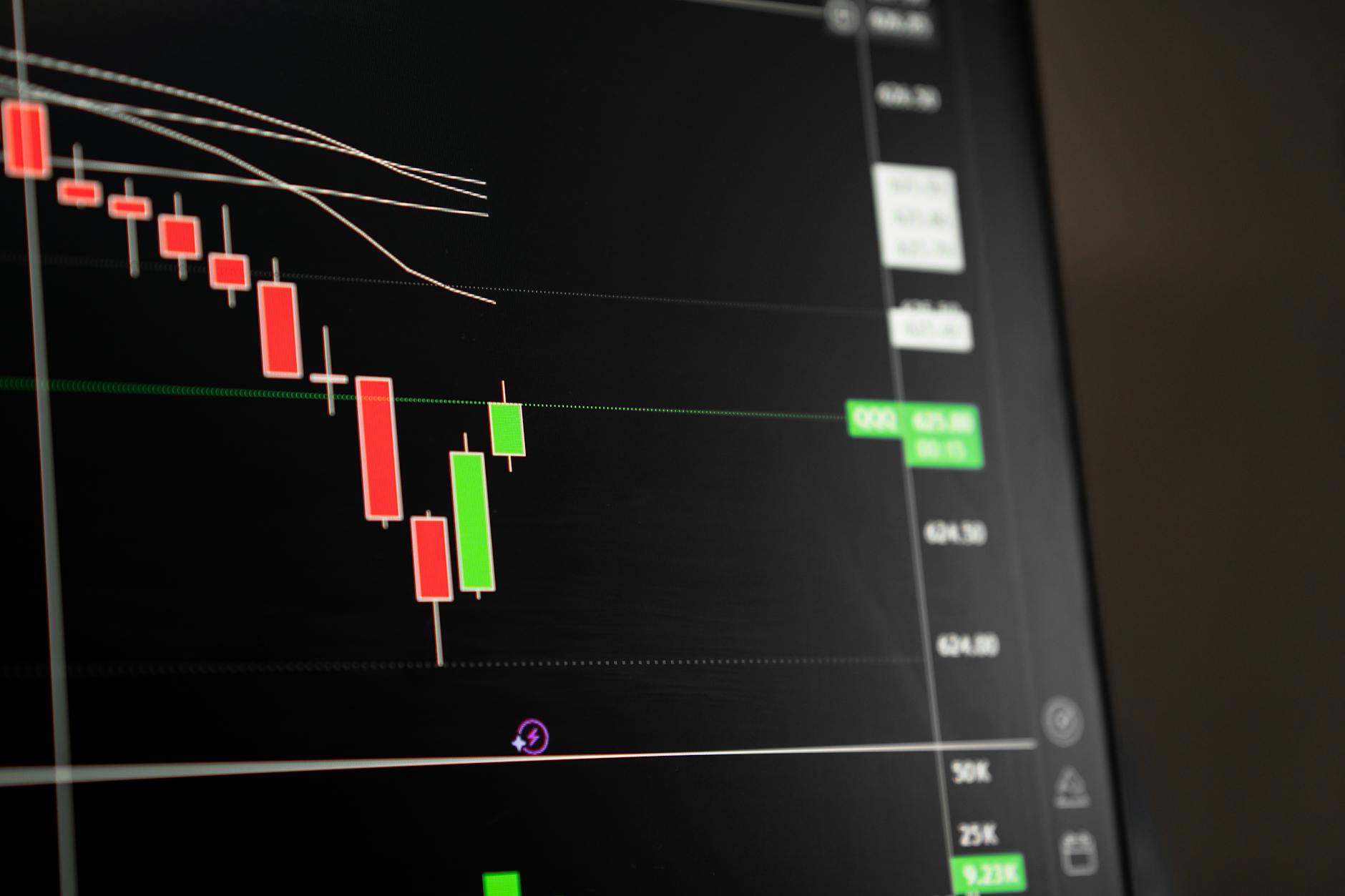
Implementing a successful meta trading system requires a disciplined combination of technological sophistication, rigorous testing, and active oversight. This systematic approach ensures that proprietary trading operations consistently leverage the advantages of automation, speed, and analytical precision while maintaining control over associated risks and operational integrity.
Implementation of Meta Trading Systems
Effective implementation of meta trading systems requires a combination of sophisticated technology, rigorous testing procedures, and vigilant oversight. The process begins with selecting a robust trading platform that offers extensive customization options, real-time data integration, and seamless execution capabilities. Once the platform is chosen, traders and developers focus on crafting algorithms that align with specific trading strategies, ensuring they are optimized for speed, accuracy, and responsiveness.
Key elements in building these systems include defining clear entry and exit signals, incorporating risk management parameters, and establishing automated monitoring tools. Algorithm development involves iterative testing, often conducted in simulated environments, to evaluate performance under various market conditions. This thorough backtesting process helps identify potential flaws and fine-tune decision rules before deploying the system in live trading scenarios.

Implementation of Meta Trading Systems
Deploying an effective meta trading system within proprietary trading operations necessitates a comprehensive approach that emphasizes precision, reliability, and security. These systems are designed to automate trading activities by executing predefined strategies at high speeds, often leveraging advanced algorithms and real-time data feeds.
At the core of implementation is the development or integration of robust trading algorithms tailored to specific market conditions and asset classes. These algorithms analyze vast quantities of market data, identify trading opportunities, and execute orders with minimal latency. The automation process reduces human intervention, ensuring that trading decisions are based purely on structured data and logic, eliminating emotional biases that can impair judgment.
Once the trading algorithms are configured, the next step involves rigorous backtesting using historical data to validate their effectiveness. This ensures that strategies are optimized for various market scenarios and helps identify potential vulnerabilities or inefficiencies. Post-backtesting, live testing in controlled environments allows traders to monitor system performance under real-time conditions before full-scale deployment.

Continuous monitoring and fine-tuning form an integral part of the system’s lifecycle. Traders and developers must oversee execution metrics, assess system stability, and adjust parameters as necessary to adapt to evolving market dynamics. Implementing automated alert mechanisms helps promptly detect anomalies, such as execution failures or unexpected profit/loss variations, enabling swift intervention.
Security plays a vital role during implementation. Employing encryption protocols and layered access controls ensures that sensitive data, including trading algorithms and client information, are protected against unauthorized access. Routine updates and ongoing development are necessary to patch vulnerabilities and incorporate technological advancements, further enhancing system resilience.
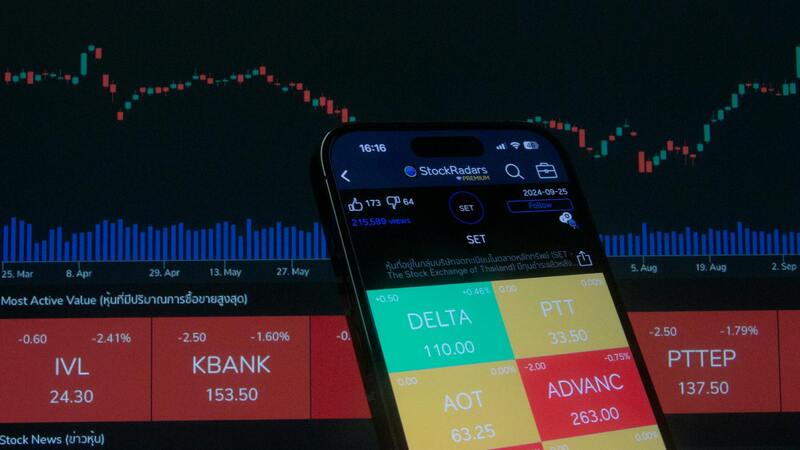
The integration phase may also involve creating user interfaces and dashboards for real-time performance visualization. These tools provide traders with comprehensive insights into system operations, facilitating quicker decision-making and strategy adjustments. Moreover, scalable infrastructure—often cloud-based or utilizing dedicated servers—accommodates growth and maintains high availability.
Ultimately, a well-implemented meta trading system empowers proprietary trading firms to leverage ultra-fast execution capabilities, optimize their strategic algorithms, and manage risks proactively. This systematic approach not only enhances trading efficiency but also fosters adaptability and resilience in dynamic market environments, underpinning long-term success in proprietary trading strategies.
Implementation of Meta Trading Systems
Effective deployment of meta trading involves a comprehensive integration process that prioritizes system robustness, speed, and adaptability. This process begins with meticulous selection of platforms and tools compatible with the firm’s trading strategies. Proprietary trading firms often opt for high-performance trading servers that support low-latency connections, ensuring that trade executions occur as swiftly as possible after signals are generated.
The design phase emphasizes developing sophisticated algorithms that can automatically interpret market data, identify trading opportunities, and execute trades with minimal human intervention. These algorithms are typically built using programming languages with high computational efficiency, such as C++ or Java, to handle large volumes of data and complex calculations swiftly.
Security considerations are integral during system implementation. Data encryption protocols safeguard sensitive information, while layered access controls protect against unauthorized modifications or breaches. Establishing a secure and resilient network environment ensures that trading operations can proceed uninterrupted, regardless of external threats.
Configuration of real-time data feeds and connectivity links must be optimized to minimize latency. This often involves affiliating with multiple liquidity providers and exchanges to access the most advantageous prices and executions. The use of colocated servers near exchange data centers is common practice, reducing the physical distance for data transmission and enhancing execution speed.
Developing user interfaces and dashboards is another critical aspect, providing traders and analysts with actionable insights into system performance, trade statuses, and risk metrics. These visual tools help facilitate rapid decision-making, especially during volatile market conditions where swift responses are critical.
Scalability is also a key focus. Implementing cloud-based solutions or dedicated hardware allows the trading infrastructure to expand efficiently as computational demands increase. Maintaining high availability and fault tolerance ensures continuous operation even during unexpected hardware failures or network issues.
Continuous monitoring and fine-tuning of meta trading systems are necessary to adapt to evolving market dynamics. Automated alerts notify the team of any anomalies, such as execution errors or abnormal P&L fluctuations, enabling quick corrective actions. Regular updates and development cycles incorporate new features, optimize existing algorithms, and patch potential vulnerabilities, contributing to the sustained effectiveness of the trading system.
By establishing such robust implementation protocols, prop trading firms are positioned to maximize the advantages of meta trading. They achieve ultra-low latency execution, enhance algorithm performance, and maintain comprehensive risk control—factors essential for long-term profitability in competitive trading environments.
Integrating Meta Trading into Proprietary Trading Strategies
Meta trading plays a pivotal role in shaping the technological backbone of contemporary proprietary trading firms. Its implementation involves a comprehensive understanding of automated trading systems that leverage advanced algorithms and high-speed data processing capabilities. When integrated effectively, meta trading enhances decision-making processes by providing traders with real-time insights, rapid execution, and refined risk management tools.
Seamless Data Integration and Infrastructure Optimization
At the core of successful meta trading is the optimization of data flow and infrastructure. Prop trading firms invest heavily in establishing ultra-low latency data networks, often utilizing dedicated fiber optics and colocated servers close to major exchanges. Such proximity dramatically reduces transmission delays, enabling traders to access market information and execute orders faster than competitors relying on traditional data feeds.

Alongside physical infrastructure, sophisticated middleware connects market data, trading algorithms, and execution systems. This software layer ensures continuous data synchronization, error handling, and system resilience, which are critical for maintaining uninterrupted trading operations under high market volatility.
Algorithmic Precision and Strategy Customization
Developing tailored algorithms is central to meta trading's success. Prop firms often employ quantitative analysts and developers to craft algorithms that respond swiftly to market fluctuations, exploit arbitrage opportunities, or implement complex strategies like statistical arbitrage or high-frequency trading.
These algorithms are continuously tested and refined through simulation environments that replicate real-market conditions, allowing for rigorous validation before deployment. Customization enables the alignment of trading algorithms with specific risk tolerances, market conditions, and profit objectives.
Automation and Systematic Risk Management
Automation takes the form of fully autonomous trading systems that monitor market parameters, adapt strategies as needed, and execute trades without manual intervention. Precise risk management modules are integrated within meta trading platforms, featuring features such as real-time P&L tracking, stop-loss orders, and dynamic position sizing. These controls help mitigate downside risks and ensure adherence to the firm's trading policies.
Real-Time Monitoring and Performance Optimization
Advanced dashboards and monitoring tools provide constantly updated performance metrics, allowing traders and technical teams to spot anomalies swiftly. Automated alerts flag issues such as execution errors, latency spikes, or unexpected profit fluctuations, prompting rapid investigation and correction.
Continuous optimization cycles involve analyzing trading data, back-testing algorithm modifications, and deploying improvements to maintain a competitive edge. Such iterative processes ensure that meta trading systems evolve with market dynamics, preserving operational efficiency and profitability.
Security and Data Privacy Challenges
Security remains a major consideration due to the sensitive nature of trading data and proprietary algorithms. Robust cybersecurity measures—including encryption, secure access protocols, and real-time threat detection—are indispensable for protecting the integrity of meta trading infrastructure. Managing data privacy complies with industry standards and helps prevent information leaks that could compromise trading strategies.
Future Directions and Continuous Innovation
The future trajectory of meta trading within prop trading is characterized by increasing reliance on artificial intelligence, machine learning, and real-time analytics. These technologies enable more adaptive algorithms that learn from market data, identify new opportunities, and react to market changes with minimal human intervention.

Furthermore, expanding the use of cloud computing and distributed ledger technologies introduces new layers of scalability, security, and transparency. These innovations support the development of more resilient, versatile, and efficient meta trading ecosystems capable of navigating complex cryptocurrency or emerging asset class markets.
