
Overview of Prop Trading Firms and Futures Markets
Proprietary trading firms, commonly known as prop firms, play a significant role in the landscape of contemporary futures trading. These firms allocate capital to skilled traders, allowing them to execute transactions within various futures markets without risking their personal funds. This operational structure enables firms to profit from the successful trading strategies of their traders while providing a platform for professional traders to leverage substantial capital resources.
Futures markets are integral components of the global financial infrastructure, serving as arenas where commodities, financial instruments, and indices are bought and sold through standardized contracts. These markets facilitate hedging, price discovery, and speculation, making them vital to economic stability and investment strategies across diverse sectors. Prop firms actively participate in these markets by deploying their traders to exploit market inefficiencies, diversify trading portfolios, and generate consistent returns.
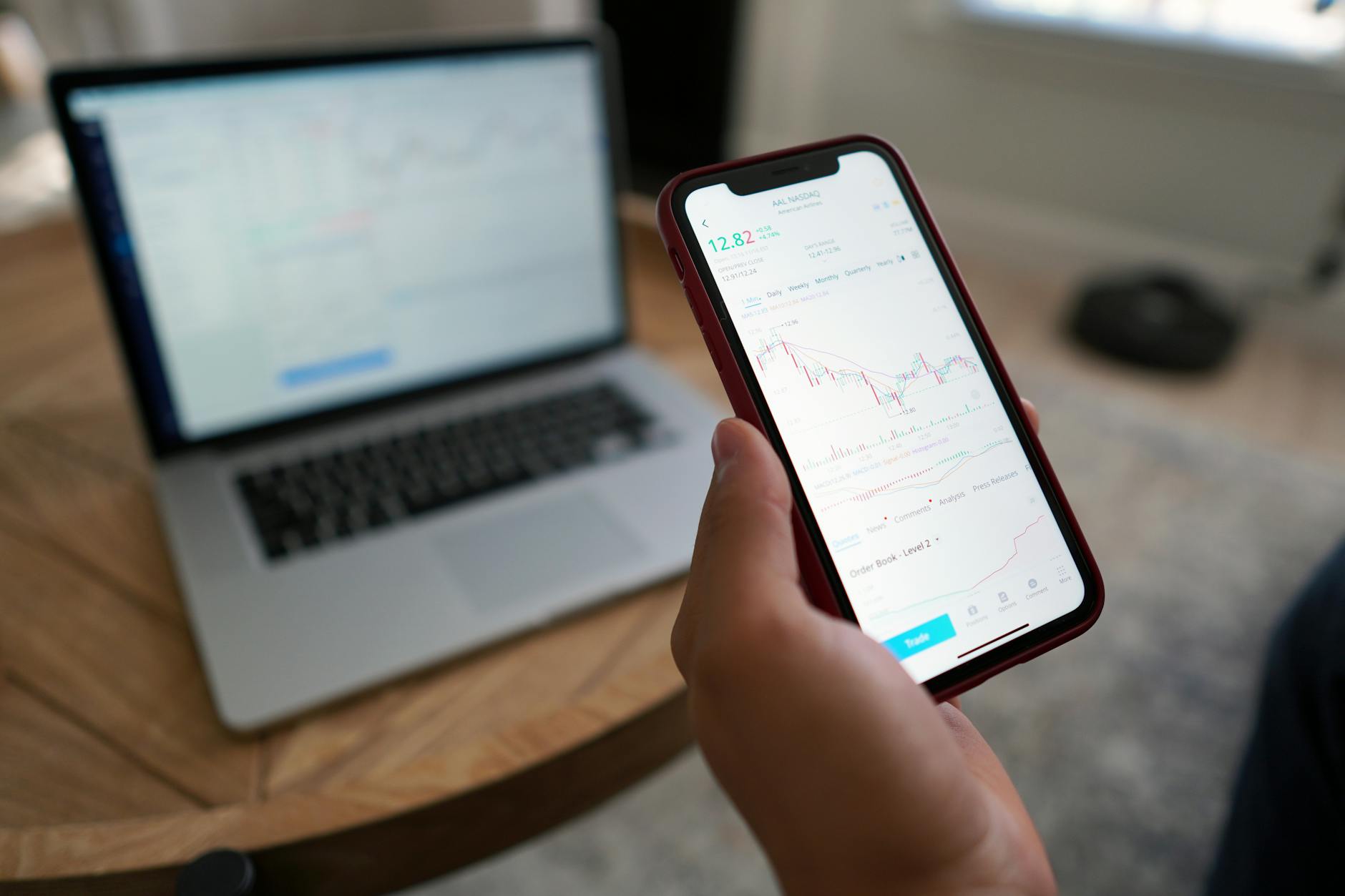
At their core, prop firms provide structured environments where traders can utilize various financial instruments, including futures contracts, to implement different trading strategies. These operations typically involve sophisticated analysis, real-time market data, and advanced trading technologies designed to maximize profitability while minimizing exposure to risks. By fostering a professional trading atmosphere, prop firms contribute significantly to market liquidity and efficiency.
Traders engaged with prop firms benefit from access to extensive resources, including cutting-edge trading platforms and expert mentorship, which empower them to refine their strategies and adapt to rapidly changing market conditions. As the futures markets grow in complexity and scope, the partnerships between prop firms and traders remain crucial in driving innovation, capital efficiency, and market stability.

How Prop Firms Operate in Futures Trading
Prop trading firms engage in futures markets by deploying capital to facilitate a diverse range of trading strategies aimed at consistent profit generation. These firms typically structure their operations around a combination of internal funding and trader contributions, enabling traders to access large-scale trading environments without risking personal funds directly. Such setups allow for efficient capital allocation, risk distribution, and strategic diversification across various asset classes within the futures domain.
Within these operations, traders are often assigned predefined trading objectives, risk parameters, and performance metrics. These parameters ensure alignment with the firm’s overall financial goals while maintaining disciplined trading practices. The firms usually employ rigorous screening, training, and monitoring processes to select competent traders capable of executing complex futures trading strategies reliably and responsibly.
Funding Models and Capital Deployment
Prop firms employ various funding models, including fixed capital pools, profit-sharing arrangements, and performance-based scaling. In fixed-capital models, traders operate with a set amount of firm-provided capital, allowing for straightforward risk management and operational clarity. Conversely, profit-sharing models allocate a percentage of profits to traders, incentivizing optimal performance and strategic risk-taking. Scalability is also a key feature, where successful traders can earn additional capital to expand their trading activities, thereby increasing potential rewards and trading capacity.
Trading Models and Strategies
Prop firms involved in futures markets adopt multiple trading models tailored to market conditions and trader expertise. These include day trading, swing trading, and algorithmic trading, each requiring distinct analytical approaches and technological tools. Many firms emphasize quantitative analysis, leveraging historical data, statistical modeling, and automation to identify trading opportunities with high probability of success. Risk management protocols are integrated into every trading model to control downside exposure, preserve capital, and ensure sustainable profit streams.
Market Access and Technology Infrastructure
Access to advanced trading platforms and real-time data feeds is fundamental for prop firms operating in futures markets. These platforms enable traders to execute swiftly, monitor multiple markets simultaneously, and utilize algorithmic strategies with precision. Proprietary tools such as custom analytics, backtesting environments, and order execution algorithms enhance traders’ ability to adapt to dynamic market conditions and optimize trade entries and exits. Moreover, secure connectivity and robust infrastructure ensure uninterrupted operations, minimizing technical risks that could impact trading performance.

Conclusion
Operating within the futures markets, prop firms serve as central players by providing traders with the necessary financial resources, technological infrastructure, and strategic frameworks to pursue diversified trading strategies. Success in this environment hinges on disciplined risk management, continuous strategy refinement, and leveraging advanced trading tools designed to exploit market inefficiencies profitably. As futures markets evolve, so too will the operational models and technological capabilities prop firms utilize to maintain a competitive edge.
Overview of Prop Trading Firms and Futures Markets
Proprietary trading firms, commonly known as prop firms, play a pivotal role in the futures trading landscape by offering traders access to significant capital pools. These firms serve as essential intermediaries between individual traders and the vast futures markets, facilitating increased liquidity and market efficiency. Futures markets, characterized by their high leverage and extensive product offerings—including commodities, currencies, indices, and interest rates—present a dynamic environment where skill, technology, and risk management converge.
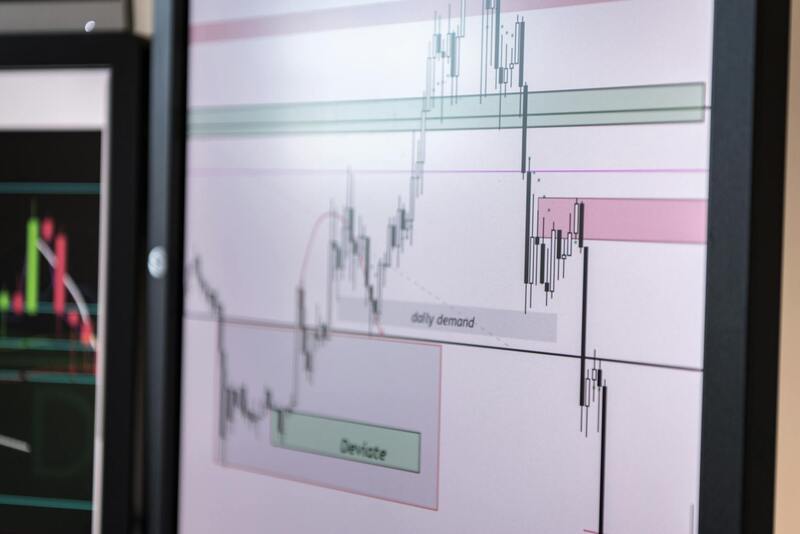
Futures trading involves standardized contracts that obligate the purchase or sale of an underlying asset at a predetermined price and date. The complexity and volatility inherent in these markets demand sophisticated tools and experienced personnel to navigate effectively. Prop firms capitalize on this by deploying advanced technological solutions, offering traders ample resources to analyze market conditions comprehensively and execute trades swiftly. This infrastructure not only enhances operational efficiency but also enables the implementation of complex trading algorithms and automated strategies tailored to exploit fleeting market opportunities.
How Prop Firms Operate in Futures Trading
Within the realm of futures markets, prop firms function by providing traders with essential resources—capital, technology, and strategic guidance—to pursue high-frequency and algorithmic trading strategies. These firms typically establish rigorous trading protocols and risk management frameworks that aim to maintain a balance between profitability and capital preservation.
Market access is fortified through direct connectivity to exchanges, cutting-edge trading platforms, and real-time data feeds, which ensure traders can act instantaneously on market signals. Proprietary analytics and backtesting environments further enhance decision-making, allowing traders to refine strategies against historical data before deploying them live in volatile markets.
The operational model of a prop firm emphasizes disciplined risk control. This involves setting strict position limits, implementing stop-loss mechanisms, and conducting continuous performance assessments. Such measures safeguard the firm's capital and promote consistent trading performance, necessary in the unpredictable environment of futures markets.
Market Access and Technology Infrastructure
Prop trading firms invest heavily in their technological backbone, granting traders access to high-speed execution systems and comprehensive market data. These systems are designed to minimize latency and provide traders with the tools needed to adapt swiftly to unexpected shifts in market conditions. Advanced trading algorithms and real-time analytics are integrated into these platforms, enabling data-driven decision-making and automation of complex trading strategies.
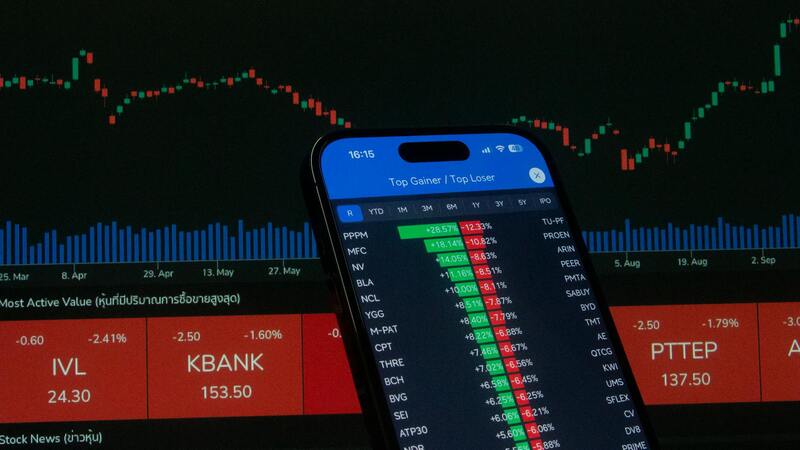
State-of-the-art infrastructure, combined with secure connectivity and redundancy protocols, ensures continuous operational availability. The integration of these technological assets facilitates a seamless trading experience and positions prop firms to capitalize on short-lived market inefficiencies effectively.
Account Funding, Scaling, and Risk Management
Once a trader is successfully evaluated and selects the appropriate trading account, the process of funding begins. Proprietary trading firms typically provide an initial trading capital, which can vary significantly based on the trader’s experience, performance metrics, and the specific program within the firm. The initial funding acts as the trader's trading account equity, enabling them to execute futures trades under the firm’s umbrella.
Effective risk management is crucial for maintaining trading viability and ensuring sustainable growth. Prop firms implement rigorous risk controls, such as predefined daily and total loss limits, to protect both the firm and the trader's capital. These limits are often strict; exceeding them results in immediate account suspension or termination, encouraging traders to adhere to disciplined trading practices.
Scaling trading accounts offers opportunities for traders to increase their capital allocation as they demonstrate consistent profitability and risk compliance. Several firms employ scaling plans aligned with performance milestones, allowing traders to progressively access larger trading limits. This strategic scaling provides increased capital exposure, higher profit potential, and the ability to leverage more sophisticated trading strategies in futures markets.
To ensure optimal performance, firms also incorporate continuous performance reviews, using metrics such as profit consistency, risk-adjusted returns, and adherence to trading plans. These reviews foster an environment of accountability and ongoing development, enabling traders to refine their strategies and mitigate potential losses effectively.

Central to risk control is the use of sophisticated trading software and analytics platforms. These tools monitor real-time position sizes, profit/loss ratios, and risk exposure, automatically alerting traders and risk managers to potentially dangerous situations. Automation of these procedures ensures prompt response times, minimizing losses during unpredictable market movements.
Furthermore, some firms employ dynamic stop-loss and take-profit mechanisms that adapt to evolving market conditions, providing traders with a balanced approach to risk and reward. The integration of these risk management protocols creates a disciplined trading environment, which is essential given the high volatility and leverage inherent in futures trading.
In addition to technological safeguards, a comprehensive understanding of market fundamentals, technical signals, and macroeconomic indicators are emphasized in risk strategies. Continuous education, regular trading reviews, and mentorship programs often support traders in developing robust risk-aware trading techniques that align with the firm’s overarching risk management policies.
Profit Sharing, Compensation Models, and Trading Conditions
Prop trading firms adopt various profit sharing and compensation frameworks tailored to align traders' interests with the firm's objectives. Typically, these arrangements involve a percentage split of the profits generated from trading activities. Common models include tiered profit sharing, where traders receive a higher proportion of profits as they increase their performance metrics, and fixed splits that provide consistent remuneration regardless of profitability levels. This approach incentivizes traders to maximize their performance while maintaining disciplined trading practices.
Fee structures may include initial deposit requirements, which are often offset by the firm's trading capital and resources. Some firms implement a flat fee for participation, while others may charge a licensing or platform usage fee along with performance-based compensation. These fees are transparent and designed to cover administrative costs, technological infrastructure, and support services.
Trading limits are a crucial aspect of the overall trading conditions established by prop firms. These caps are set on maximum daily loss thresholds, position sizes, and overall risk exposure. Such constraints ensure that traders operate within predefined risk parameters, reducing the potential for catastrophic losses that could jeopardize both individual traders and the firm's capital base.

Flexibility in trading conditions can vary depending on the trader's experience, track record, and the specific policies of the prop firm. Some firms provide access to a broad array of futures markets and derivatives, enabling traders to diversify their strategies. Others impose trading limits or restrict certain high-leverage instruments to control overall risk exposure. Transparency in trading conditions ensures traders understand the parameters within which they operate, promoting adherence and long-term success in futures trading environments.
Furthermore, many firms evaluate traders periodically to adjust trading limits and incentivize consistent performance. This dynamic approach allows for scaled growth opportunities as traders demonstrate skill and risk management discipline, supporting both individual development and overall firm stability.
Tools, Platforms, and Trading Strategies Used
Within the realm of futures trading through proprietary firms, the choice of trading platforms and analytical tools plays a fundamental role in achieving consistent profitability. Traders working with reputable prop firms typically gain access to advanced, industry-standard trading platforms that offer real-time market data, sophisticated charting capabilities, and automated trading options. Platforms such as MetaTrader 5, NinjaTrader, and proprietary software solutions developed specifically for futures markets are commonplace.
These trading platforms are integrated with a variety of analytical tools designed to enhance decision-making processes. Technical analysis indicators, such as moving averages, RSI, MACD, and Fibonacci retracements, are used extensively to identify potential entry and exit points. Advanced charting features enable traders to visualize market trends with precision, facilitating more informed strategies.
Furthermore, quantitative analysis tools and algorithmic trading strategies are increasingly employed within prop firms. Traders often develop or utilize pre-existing algorithms to automate entries and exits, optimizing trades based on predefined criteria. Automated trading not only enhances speed but also reduces emotional biases, which can adversely affect trading outcomes. These algorithms are backtested rigorously to ensure robustness before deployment in live futures markets.
Risk management tools embedded within these platforms, such as real-time stop-loss and take-profit functions, are crucial. They help in maintaining risk exposure within acceptable limits, aligning with the risk management protocols of the prop firms. Regular performance analytics and trade journaling features support continuous improvement by providing detailed feedback on trading behavior and outcomes.

Effective Trading Strategies in Prop Firms
Traders within prop firms often rely on a combination of technical analysis, momentum trading, and market trend following, tailored to meet the specific risk parameters set by the firm. Swing trading and scalping are popular strategies, enabled by the high liquidity and volatility characteristic of futures markets.
- Technical Breakout Strategies: Exploiting price movements beyond established support or resistance levels.
- Trend Following: Riding sustained market directions, supported by moving averages and momentum indicators.
- Mean Reversion: Capitalizing on temporary price deviations from the mean, often used in range-bound markets.
- Spread Trading: Managing related futures contracts to profit from differences in price or basis movement.
These strategies are refined through continuous testing and adaptation, ensuring alignment with current market conditions and the trader’s risk profile. Prop firms regularly review and rate the effectiveness of different trading approaches, encouraging traders to innovate within their operational frameworks.
Comprehensive Approaches to Optimizing Futures Trading with Prop Firms
Advanced Trading Techniques and Analytical Tools
Prop trading firms specializing in futures markets often leverage sophisticated analytical tools and trading platforms that enhance decision-making accuracy and operational efficiency. These tools incorporate features such as real-time data feeds, advanced charting capabilities, and algorithmic trading options, enabling traders to execute precise strategies aligned with the firm's risk parameters. The integration of artificial intelligence and machine learning models further refines predictive analytics, allowing traders to identify and exploit market patterns with increased confidence.
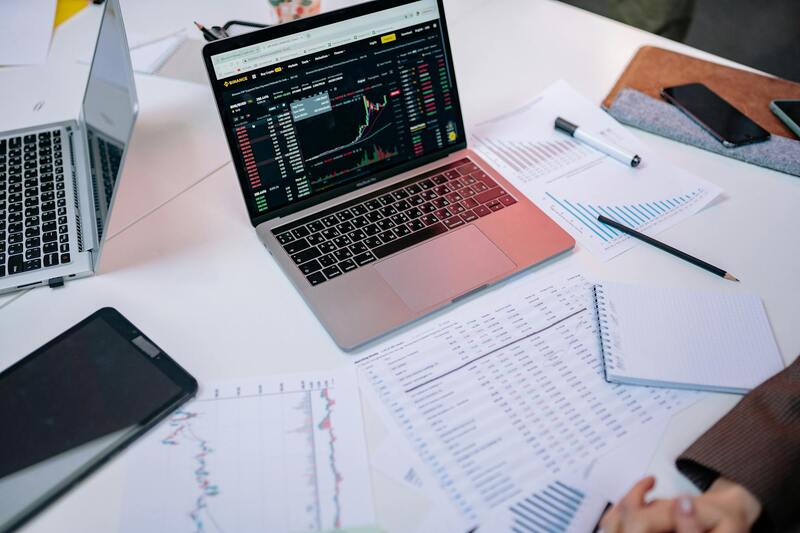
Moreover, traders utilize custom scripts and automated trading systems to implement strategies like scalping, arbitrage, and momentum trades efficiently. These systems reduce latency and human error, providing a competitive edge within liquid futures markets. Regular backtesting, optimization, and performance tracking are integral to ensuring strategies remain aligned with evolving market conditions, adhering to the risk management protocols set by prop firms.
Execution and Order Management Strategies
Effective order execution is fundamental in futures trading, requiring the utilization of direct market access (DMA), smart order routing, and real-time order monitoring systems. Prop firms emphasize precision in order placement, leveraging tools such as algorithmic order execution to minimize slippage and market impact. Traders are trained to distinguish between various order types—market, limit, stop, and trailing stops—to adapt swiftly to market dynamics and protect trading capital.
Risk mitigation is bolstered by implementing layered order management strategies, where initial trades are carefully scaled and monitored for performance before escalating to larger positions. This approach allows traders to respond rapidly to adverse price movements and avoid large drawdowns, maintaining compliance with the firm’s risk frameworks.
Strategy Development and Continual Learning
Developing robust trading strategies in futures markets demands rigorous research and continual adaptation. Prop firms often facilitate educational programs, seminars, and mentorship initiatives to enhance traders' skills in technical analysis, market psychology, and quantitative methods. Trader performance data is meticulously analyzed to identify strengths and weaknesses, fostering an environment of ongoing learning and improvement.
Furthermore, emerging market trends and macroeconomic indicators are incorporated into trading models to maintain relevance and effectiveness. Traders are encouraged to develop custom strategies that leverage unique insights into commodities, indices, or currencies, catering to specific risk appetites and trading styles.
Implementation of Sound Trading Practices and Ethical Standards
Adherence to structured trading practices and high ethical standards is paramount within prop firms engaged in futures trading. These practices encompass disciplined trade execution, comprehensive record-keeping, and transparent reporting. Traders are also trained to recognize and respond appropriately to market manipulations or anomalies, maintaining the integrity of trading activities.
Risk awareness campaigns and compliance guidelines reinforce a culture of responsibility, ensuring that futures trading operations align with the firm’s operational policies and industry best practices. Such disciplined approaches not only promote sustainable trading activities but also foster trust among stakeholders and regulatory bodies.
Emerging Technologies and Future Outlook
The future of futures trading within prop firms is poised for continued innovation, driven by advancements in technology such as blockchain, decentralized finance (DeFi), and enhanced data analytics platforms. These technologies promise increased transparency, faster settlement times, and new trading paradigms. Additionally, virtual trading environments and simulations further allow traders to refine their skills without real market exposure, supporting better preparedness.
As market participants adapt to these technological shifts, prop firms will likely incorporate more sophisticated tools and data-driven decision-making processes, elevating the level of professional futures trading and contributing to overall market efficiency.

Advanced Methods and Best Practices for Successful Futures Trading in Prop Firms
To excel in futures trading through proprietary trading firms, traders and firms must prioritize the adoption of proven methodologies and robust operational practices that underpin sustainable profitability. These practices go beyond basic trading activities to encompass structured risk management, continuous skill development, comprehensive compliance, and technological innovation.
Implementing Comprehensive Risk Management Strategies
Effective risk management remains the cornerstone of successful futures trading within prop firms. Traders are encouraged to develop and adhere to strict risk limits that dictate position sizing, stop-loss placements, and profit targets. Utilizing real-time risk analytics tools enables immediate response to market fluctuations, minimizing potential losses and safeguarding capital.
Many prop firms also employ portfolio diversification techniques, spreading exposure across different futures contracts and asset classes to reduce individual position risks. Additionally, establishing predefined trading protocols helps traders maintain discipline during volatile periods, ensuring that emotional reactions do not compromise trading integrity.
Prioritizing Skill Development and Ongoing Education
Continuous learning is vital in the fast-paced futures markets. Prop firms often provide their traders with access to educational resources, workshops, and mentorship programs designed to sharpen trading skills and deepen market understanding. Regular performance reviews help identify areas for improvement, tailoring training efforts to each trader's developmental needs.
Market analysis skills are especially critical, emphasizing technical analysis, chart pattern recognition, and macroeconomic assessments. Traders trained in these disciplines are better equipped to anticipate market movements and execute strategies that capitalize on emerging opportunities, whilst managing associated risks effectively.
Utilizing Cutting-Edge Trading Technology and Data Analytics

The deployment of sophisticated trading software, including algorithmic trading solutions and artificial intelligence-driven analytics, allows traders to implement strategies with precision and speed. These tools facilitate pattern recognition, predictive modeling, and real-time data processing, which are crucial for success in dynamic futures environments.
Many prop firms also invest in blockchain and decentralized finance (DeFi) platforms to streamline transactions, improve transparency, and reduce settlement times. Virtual trading environments, simulated trading platforms, and performance testing software further help traders refine their tactics without risking real capital. This technological integration promotes a culture of innovation and continuous improvement.
Adhering to Ethical Standards and Compliance Frameworks
Maintaining a strict code of conduct and compliance with industry standards helps safeguard the reputation of prop firms and ensures adherence to operational protocols. This includes honest reporting, transparent profit-sharing arrangements, and diligent record-keeping of trades and risk exposures.
Prop firms often conduct internal audits and compliance training sessions to keep traders informed of evolving industry regulations. Such practices help mitigate potential operational risks and foster a professional trading environment rooted in integrity and accountability.
Fostering a Collaborative and Transparent Trading Culture
Fostering open communication among traders and management enhances collective knowledge and operational efficiency. Regular strategy meetings, sharing of insights, and peer reviews contribute to a resilient trading community aligned with the firm’s objectives.
Transparency in performance metrics and trading results ensures clarity and motivation, prompting traders to strive for continuous improvement within accepted risk parameters.
Implementing these meticulous strategies and embracing technological advancements significantly elevate the effectiveness of futures trading within proprietary firms. They foster a disciplined, innovative, and responsible trading environment capable of navigating complex market landscapes effectively.
