
Definition and Overview of Proprietary Forex Trading
Proprietary forex trading, often referred to simply as prop trading, involves financial firms using their own capital to actively trade currencies in the foreign exchange market. Unlike retail traders who trade personal funds, prop trading firms allocate significant resources to maximize trading opportunities, aiming for substantial returns through strategic and disciplined approaches.
This model allows traders within the firm to access advanced technology, research tools, and real-time market data, enhancing their ability to execute high-probability trades. The primary goal is to generate profits for the firm itself, rather than for individual investors, by leveraging aggressive trading strategies and sophisticated risk management techniques.

Proprietary forex trading differs significantly from traditional investment models. Rather than managing client funds, these firms utilize their own financial resources to engage with the forex market. This independence from client constraints enables a focus on experimental, innovative, and high-frequency trading methods that are often unavailable to individual traders.
The operational framework of prop trading firms revolves around several key principles, including an emphasis on high liquidity, leverage, and precise risk control. These elements collectively empower traders to pursue multiple trades simultaneously, aiming to capitalize on small fluctuations in currency prices across different global markets.
Core Principles of Proprietary Forex Trading
- Use of Firm Capital: All trading activities are funded by the firm's own capital, which allows greater flexibility in trade execution and size.
- Focused Revenue Generation: The main objective is to achieve higher returns through disciplined trading and leveraging market inefficiencies.
- Innovation and Strategy Development: Continuous adaptation of trading strategies based on market conditions and technological advances.
- Risk Management: Maintaining strict control over potential losses to ensure sustained profitability and firm stability.
Differences from Other Trading Models
Proprietary forex trading distinguishes itself from retail trading, hedge funds, and asset management in several ways. Unlike retail traders operating with personal funds and limited resources, prop firms operate with large capital bases, enabling access to leverage and advanced trading infrastructure.
Additionally, while hedge funds may trade on behalf of outside investors with oversight and regulations, prop trading firms focus exclusively on enhancing the firm’s own profits. This internal focus allows for more flexible and aggressive trading strategies that are monitored internally for compliance and risk management.
Overall, proprietary forex trading combines technological sophistication, strategic agility, and a disciplined approach to function effectively within the fast-moving landscape of global currency markets.
Roles and Responsibilities within Prop Trading Firms
Effective proprietary forex trading relies on a well-structured team where each member plays a pivotal role in maintaining the firm's operational integrity and profitability. The core team typically comprises traders, risk managers, and firm owners or executives, each with distinct responsibilities that complement the firm's strategic goals.
Traders
Traders are the frontline operators who execute currency trades based on analytical insights, market conditions, and strategic directives. They are responsible for developing and implementing trading strategies, monitoring market movements continuously, and making swift decisions to capitalize on trading opportunities. Successful traders must possess strong analytical skills, discipline, and the ability to manage emotions during volatile market phases. Their performance is often assessed by metrics such as return on capital, adherence to risk parameters, and consistency over time.
Risk Managers
Risk managers serve as the safeguards against excessive exposure, ensuring that trading activities align with the firm’s risk appetite and regulatory guidelines. They design and enforce risk management protocols, oversee leverage usage, and implement stop-loss and take-profit orders to control potential losses. An adept risk manager maintains a balance between encouraging trading activity and protecting the firm's capital base. They regularly evaluate trading results, analyze risk-reward ratios, and adjust parameters as market dynamics evolve.
Firm Owners and Executives
Leadership within prop trading firms is responsible for setting strategic directions, establishing operational policies, and maintaining compliance standards. They allocate capital for trading, oversee firm performance, and support infrastructure development. Executives also cultivate a conducive environment for traders by providing training, technological tools, and feedback mechanisms. Their decision-making revolves around sustaining profitability, managing risks at a macro level, and navigating regulatory considerations.

Funding and Capital Structure of Proprietary Forex Trading Firms
The backbone of proprietary forex trading operations is the capital structure, comprising the firm's own funds allocated towards trading activities. Unlike retail forex trading, where traders use personal capital, prop firms pool resources to maximize trading capacity, access leverage, and diversify their strategies. The capital is strategically divided into trading accounts, risk reserves, and operational buffers. Some firms maintain a reserve fund to absorb losses and ensure continuous trading operations without disruption.
This structure allows for substantial scalability, as successful strategies and traders can be allocated more capital based on performance metrics. A common practice involves a system of tiered funding, where traders demonstrating consistent profitability receive increased capital allocations, which in turn amplifies potential returns. Transparent accounting and regular audits uphold oversight, fostering trust among stakeholders and enabling disciplined growth.

Trading Strategies and Risk Management in Prop Trading
Successful proprietary forex trading hinges on a diverse array of strategies tailored to adapt rapidly to market fluctuations. These can range from scalping and day trading to swing trading and algorithmic approaches. Prop firms often leverage advanced technological tools, including automated systems, machine learning algorithms, and data analytics, to enhance decision-making accuracy.
Risk management remains central to the sustainability of trading operations. This encompasses establishing strict leverage limits, diversification across currency pairs, and the implementation of real-time monitoring systems. The goal is to mitigate losses while maximizing profits by exploiting market inefficiencies, arbitrage opportunities, and macroeconomic trends. Continuous strategy refinement, based on back-tested data and live testing, ensures traders remain agile amidst volatile conditions.
Profit Sharing, Incentives, and Evaluation Metrics
Incentive structures motivate traders to optimize performance while aligning with overall risk management protocols. Many prop firms employ profit-sharing models where traders receive a percentage of the gains generated, fostering a performance-driven culture. Evaluation metrics typically include profit-to-loss ratios, consistency in returns, adherence to risk parameters, and contribution to the firm’s overall objectives.
Performance reviews are conducted periodically, often involving comprehensive data analysis, to determine bonuses, funding adjustments, and potential promotions. Transparent and merit-based incentive systems encourage high-performance trading and accountability.
Technology and Infrastructure Supporting Proprietary Forex Trading
The technological backbone of proprietary forex trading involves sophisticated platforms, high-speed data feeds, and secure, reliable servers. Trading terminals are equipped with advanced charting tools, algorithm integration capabilities, and real-time news feeds to support rapid decision-making. Firms also invest in data analysis tools, cloud computing resources, and cybersecurity measures to protect sensitive information and maintain operational integrity.

Regulatory Environment and Compliance for Prop Trading Firms
While proprietary forex trading primarily serves the firm’s internal profit objectives, maintaining compliance with applicable financial regulations and standards is critical. This involves adhering to anti-money laundering (AML) procedures, conducting regular audits, and ensuring transparent operational practices. Firms implement rigorous internal policies to meet oversight requirements and foster a culture of integrity. Transparent record-keeping and reporting also facilitate smooth interactions with regulatory authorities, preserving the firm's reputation and operational continuity.
Engagement with industry standards and best practices helps prop trading firms sustain a disciplined environment that promotes transparency, accountability, and strategic growth.
Funding and Capital Structure of Proprietary Forex Trading Firms
Proprietary forex trading firms operate with a diverse array of funding sources that enable them to engage in high-volume currency trades. These firms typically allocate a significant portion of their capital reserves to secure enough liquidity to facilitate rapid and substantial transactions across various currency pairs. The capital structure often comprises both internal funds generated from previous profitable trading periods and external investments or credit lines designed to bolster trading capabilities.
Most prop trading companies rely on a mix of retained earnings and capital injections from principal stakeholders to ensure operational stability. This financial strategy allows them to maintain the flexibility needed to adapt to fluctuating market conditions without frequent capital raises. Furthermore, well-capitalized firms can withstand periods of market volatility, which is characteristic of forex trading, without compromising their trading activities or risking insolvency.
The allocation of funds within these firms is carefully managed through established risk management protocols. Capital is typically divided into trading accounts categorized by risk level, trading strategy, and currency pairs. These allocations are periodically reviewed to optimize performance and mitigate potential losses. Additionally, some firms establish reserve funds to absorb unexpected losses and ensure continuous trading operations during adverse market phases.

Funding sources are often complemented by proprietary trading software solutions that facilitate efficient capital deployment. These tools enable traders to execute orders quickly, analyze market conditions, and adjust positions in real time. Robust risk management systems, integrated into trading platforms, help firms monitor exposure levels and ensure adherence to predefined risk parameters. The overarching goal is to maximize returns while safeguarding the firm's capital base.
In addition to operational funds, some firms explore external financing options such as partnerships or strategic alliances that provide additional liquidity. These arrangements can help expand trading capacity without disproportionately increasing exposure to market risk. Ultimately, the financial resources dedicated to prop trading are a critical determinant of a firm’s ability to capitalize on market opportunities, manage risk effectively, and sustain long-term profitability in the competitive forex landscape.
Infrastructure and Technology in Proprietary Forex Trading
Proprietary forex trading firms depend heavily on advanced technological infrastructure to maintain competitive advantages and ensure efficient market participation. The backbone of an effective prop trading operation involves sophisticated hardware, software, and network systems that facilitate rapid execution and comprehensive market analysis.
High-performance trading servers, often located in strategic data centers or near major financial hubs, minimize latency and allow traders to capitalize on fleeting market opportunities. These servers are integrated with the firm's trading platforms, which are customized to support complex algorithms, multiple currency pairs, and real-time data feeds.
Trading algorithms constitute a core component of prop trading strategies, often developed in-house or through licensed solutions. These automated systems analyze vast datasets to identify entry and exit points, evaluate risk-reward ratios, and execute trades with minimal human intervention. Algorithmic trading not only enhances responsiveness but also helps maintain discipline by removing emotional biases from trading decisions.

In addition to hardware, firms utilize comprehensive risk management software that continuously monitors exposure levels, manages position sizes, and enforces trading limits. These systems are integrated into the broader trading platform, providing real-time analytics and alerts to prevent overexposure and mitigate potential losses.
Data security and compliance are also critical considerations. Firms implement robust cybersecurity measures to protect sensitive information and prevent unauthorized access to trading systems. Firewalls, encryption protocols, and secure network architectures are standard features, ensuring the integrity and confidentiality of trading operations.
Furthermore, proprietary trading firms invest heavily in data analytics tools to support research and decision-making processes. These tools aggregate market data, news feeds, and economic indicators, presenting traders with actionable insights. Many firms also deploy artificial intelligence and machine learning models to enhance predictive accuracy and optimize trading strategies.
The seamless integration of hardware, software, and networking infrastructure directly contributes to a firm's ability to execute trades efficiently and manage risks effectively. As technology continues to evolve, so too does the capacity of prop trading firms to adapt to new market dynamics and identify emerging opportunities in the forex landscape.
Funding Models and Capital Deployment in Proprietary Forex Trading
Understanding the capital structure within proprietary forex trading firms reveals a sophisticated approach to risk allocation and resource management. These firms typically operate with a blend of internal funds and externally sourced capital, allowing traders to access significant trading liquidity without the need for personal capital investment. The core principle involves the firm providing the financial backing, while traders contribute their skills and strategic insights to generate profits.
This funding approach facilitates the scaling of trading operations. Prop firms allocate capital based on traders' experience, performance history, and risk management capabilities. As traders demonstrate consistent profitability and adherence to risk parameters, they often gain access to increased capital allocations, enabling larger position sizes and more substantial profit potential. This dynamic not only incentivizes skill development but also aligns the firm's overall revenue goals with traders’ performance.
Capital deployment strategies are meticulously planned, with a focus on diversifying trading portfolios across various currency pairs and market conditions. Firms maintain a reserve of capital to cushion against market volatility and unexpected losses, ensuring stability of operations. Risk-adjusted capital allocation models guide these decisions, emphasizing the importance of balancing aggressive trading with prudent risk management.
By maintaining robust capital structures, proprietary forex trading firms can sustain steady trading activity even during periods of high volatility. They leverage advanced financial models and analytics to optimize capital utilization, ensuring resources are directed toward high-probability trades. This strategic allocation contributes significantly to the overall profitability and resilience of the firm in competitive forex markets.
Profit-Sharing Models and Incentive Structures
Within proprietary forex trading firms, the mechanism for distributing profits and motivating traders is a critical component of operational effectiveness. Typically, traders are compensated through a profit split arrangement, where a percentage of the gains generated from trading activities is allocated to the trader, with the remainder retained by the firm. Common profit-sharing ratios range from 50/50 to 70/30, depending on the firm's policies and trader experience.
Incentive programs are designed to align trader interests with the firm's objectives. They may include performance bonuses, tiered profit sharing based on cumulative earnings, and recognition for achieving predefined benchmarks. These structures encourage consistent performance, disciplined trading, and adherence to risk management protocols.
Evaluation metrics for traders often encompass statistical measures such as the Sharpe ratio, win rate, profit factor, and maximum drawdown. Regular performance reviews ensure traders maintain appropriate risk-adjusted returns and comply with the firm's risk parameters. Transparent evaluation processes and objective metrics foster a culture of accountability and continuous improvement.
Technological Foundations Enhancing Prop Trading Operations
The technological infrastructure supporting proprietary forex trading firms is vital to their success. Advanced trading platforms, integrated risk management tools, and real-time data feeds constitute the backbone of their operations. These tools enable traders to execute high-frequency trades with precision and rapid response to market movements.
Artificial intelligence, machine learning, and predictive analytics are increasingly utilized to identify market patterns and forecast currency movements. These innovations support the development of quantitative trading strategies that can adapt to dynamic market conditions. High-speed execution servers and co-located data centers minimize latency, ensuring traders can capitalize on fleeting opportunities with minimal delays.
Security remains a top priority, with comprehensive cybersecurity measures protecting sensitive client and firm data. Data encryption, multi-factor authentication, and secure network architectures are standard implementations, safeguarding the integrity of trading activities and proprietary data assets.
Understanding these core elements—capital structuring, profit sharing, and technological support—provides insight into the operational complexity and strategic planning involved in successfully managing proprietary forex trading firms. These components collectively empower traders to focus on strategy and execution while the firm manages risk and resources efficiently.
Funding and Capital Structure of Proprietary Forex Trading Firms
At the core of proprietary forex trading operations lies a carefully managed funding framework designed to optimize trading performance and manage risk effectively. These firms typically allocate substantial capital resources, which serve as the trading pool from which individual traders operate. Unlike traditional investment models where traders manage clients' funds, prop trading firms deploy their own capital to increase control over trading activities and outcomes.
The capital structure within a prop trading environment is structured to promote both flexibility and discipline. Firms often maintain a mix of pooled funds and reserved reserves dedicated to risk mitigation. This setup allows traders to access significant leverage, amplifying potential returns while maintaining manageable exposure levels. The allocation decisions are informed by rigorous financial analysis and risk assessments that aim to balance growth ambitions with the firm's capacity to absorb losses.
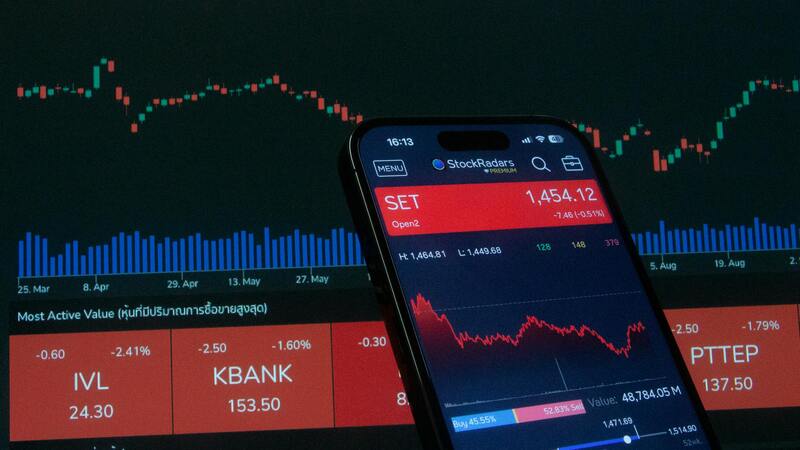
In conjunction with capital structure, proprietary firms implement funding techniques that foster sustainable trading growth. Capital deployment strategies include tiered funding based on trader experience and historical performance, encouraging continuous skill development and adherence to risk protocols. Some firms also employ phased capital increases, rewarding consistent profitability and disciplined trading behaviors.
Financial institutions operating in this domain prioritize maintaining robust cash flow and reserve buffers. These practices ensure operational continuity, support advanced technological infrastructure investments, and sustain trading activities during market volatility. Effective capital management combined with comprehensive risk controls enables private forex traders to operate confidently within a well-regulated risk environment, fostering long-term profitability and stability.
Overall, the financial foundation of a proprietary forex trading firm plays a pivotal role in defining its operational capacity, risk appetite, and strategic growth trajectory. A transparent and judicious approach to capital management offers traders the resources necessary to pursue their trading strategies while safeguarding the firm’s financial integrity and future prospects.
Technology and Infrastructure Supporting Proprietary Forex Trading
In the realm of proprietary forex trading, technological infrastructure plays a crucial role in enabling traders to execute strategies efficiently, accurately, and swiftly. Advanced trading platforms are the backbone of these operations, offering real-time data feeds, sophisticated charting tools, algorithmic trading capabilities, and seamless order execution. Prop trading firms typically invest in state-of-the-art infrastructure to minimize latency and optimize trading performance, which are essential factors given the rapid pace of forex markets.
High-frequency trading, algorithmic strategies, and automated trading systems rely heavily on powerful servers and internet connections, reducing delays and enhancing precision. Many firms also deploy cloud-based solutions that provide scalability, security, and enhanced data management, enabling traders to access necessary resources anytime and anywhere. These technological improvements foster a responsive trading environment, critical for exploiting fleeting market opportunities and managing risk effectively.
Risk Management Tools and Data Analysis
Effective trading decisions within proprietary firms depend on comprehensive risk management tools integrated into their technological systems. These include real-time risk dashboards, automated stop-loss and take-profit orders, and margin monitoring systems that alert traders to potential excesses before they impact profitability. Additionally, big data analytics and machine learning algorithms are increasingly employed to identify market patterns, optimize trading signals, and adjust strategies dynamically.
Real-time analysis of news, economic data, and geopolitical events enables traders to make informed decisions, reducing exposure to unforeseen market shocks. The combination of high-caliber technology and thorough data analysis ensures traders can navigate volatile forex markets while adhering to the firm’s risk parameters, thus safeguarding the firm’s capital and sustaining long-term growth.
Security and Compliance in Technological Systems
Given the sensitive nature of trading data and financial transactions, proprietary firms prioritize robust cybersecurity measures. Encryption protocols, multi-factor authentication, firewalls, and regular security audits form part of their risk mitigation framework. Ensuring data integrity and preventing unauthorized access to trading accounts and proprietary algorithms are central to maintaining operational integrity.
Furthermore, technological systems are designed to comply with the regulatory standards applicable within the jurisdictions they operate. Regular updates, audit trails, and record-keeping functions facilitate transparency and accountability, essential for maintaining trust and adherence to industry standards.
Official and Legitimate Methods in Proprietary Forex Trading
Engaging in proprietary forex trading through reputable firms involves adhering to structured and sanctioned approaches for funding, executing trades, and managing risks. These firms typically employ comprehensive verification processes to validate traders' backgrounds, skills, and trading strategies before granting access to trading capital. This ensures that capital allocation decisions are based on proven competence and adherence to firm standards.
One of the foundational elements in legitimate prop trading is the establishment of a clear operational framework that emphasizes transparency and compliance. Traders are usually required to undergo rigorous assessments, including simulated trading evaluations, to demonstrate their ability to execute disciplined trading strategies aligned with the firm's risk appetite. These assessments are often supervised and monitored in real-time to ensure adherence to risk management protocols.

Capital contribution models vary across firms, but they typically involve either a fixed funding pool allocated by the firm or profit-sharing agreements where traders earn a percentage of profits generated. The allocation of capital is often contingent upon initial performance benchmarks, ongoing review processes, and compliance with trading guidelines.
Utilizing Technology and Data Analytics
Official proprietary firms leverage advanced trading platforms integrated with real-time data feeds, algorithmic trading tools, and risk management software. These systems facilitate precise trade execution, monitor compliance with risk thresholds, and automatically enforce stop-loss and take-profit orders. Employing multi-source data analytics and machine learning algorithms enables traders to identify market patterns and optimize entries and exits effectively.
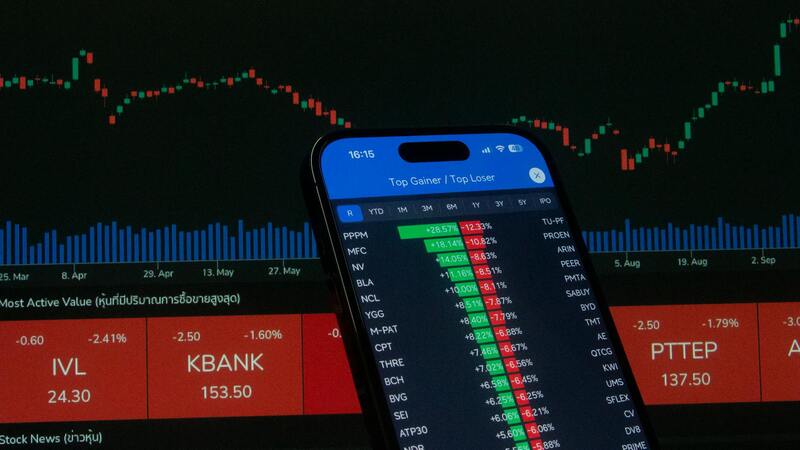
Regulations surrounding proprietary forex trading often include requirements for record-keeping, transparency, and ethical standards. Reputable firms maintain detailed logs of trading activities, audit trails, and regular compliance checks to align with industry best practices. Such measures are vital in fostering trust and sustaining long-term operational integrity.
Promoting Safe and Ethical Trading Practices
Official methods emphasize ethical conduct, responsible trading, and adherence to an established set of risk controls. This includes the use of predetermined risk limits, disciplined trade size management, and thorough post-trade analysis. Training programs and continuous professional development are integral in ensuring traders stay updated on market techniques and compliance procedures.
In summary, legitimate proprietary forex trading involves a combination of stringent verification procedures, sophisticated technology, and disciplined risk management protocols. By following designated methods that are aligned with industry standards, firms ensure sustainable growth, protect their capital, and provide traders with a structured environment conducive to consistent performance.
