
Overview of Proprietary Trading in Forex
Proprietary trading in the forex market involves firms using their own financial resources to execute trades, aiming to capitalize on market fluctuations and generate profits. Unlike traditional trading where clients’ funds are involved, proprietary trading firms deploy their own capital, allowing them to implement a variety of trading strategies without the constraints of client management. This approach enables firms to take larger positions, leverage market opportunities more aggressively, and adapt swiftly to changes in the currency landscape.
Forex proprietary trading firms operate in a highly competitive environment, often employing sophisticated analytical tools and trading algorithms to identify potential profit opportunities. Their core objective is to exploit short-term price movements, macroeconomic trends, and geopolitical events that influence currency prices. These firms typically develop or adopt advanced trading systems that rely on technical analysis, fundamental analysis, or a combination of both, aiming to optimize their entry and exit points in the market.

Proprietary trading in forex offers the potential for significant returns due to the high liquidity and 24-hour nature of the currency markets. Firms often leverage considerable capital reserves to maximize position sizes, which, if managed effectively, can lead to substantial profit margins. However, this trading approach also comes with inherent risks. The firm's own capital is at stake, which means losses directly impact the firm's financial health. As a result, proprietary traders must exercise discipline, strategic foresight, and robust risk management practices to stay profitable over time.
Structure and Operations of Prop Trading Firms
Prop trading firms vary in size and operational complexity. Some operate as small boutique entities with a handful of traders, while others are large institutions employing numerous trading desks across different currency pairs. These firms typically have dedicated teams focusing on research, trading, and risk management, ensuring a comprehensive approach to capturing market opportunities.
Operationally, these firms utilize advanced trading platforms and proprietary software designed to analyze market conditions, execute trades swiftly, and monitor performance. Risk management systems are integral to their operations, often incorporating real-time analytics and automated safeguards that prevent excessive losses and ensure compliance with internal policies.
Funding and Capital Requirements for Forex Prop Trading
Firms invest significant capital into their trading activities, often sourcing funds from private investors, institutional backers, or retained earnings. The level of capital allocated to proprietary trading depends on the firm's size, trading objectives, and risk appetite. In many cases, firms allocate millions of dollars, enabling them to take sizable positions in the forex market.
The capital structure also influences leverage — the ability to control larger positions with a smaller amount of invested capital. Proper use of leverage amplifies trading gains but necessitates rigorous risk controls to protect against abrupt market downturns. Additionally, firms may establish capital buffers or reserve pools to absorb potential losses and ensure continuity of trading operations.
Trading Strategies Used in Forex Proprietary Trading
Proprietary traders employ a diverse array of strategies tailored to their trading style and market conditions. Technical analysis-based strategies focus on price patterns, oscillators, and trend indicators to determine optimal entry and exit points. Fundamental analysis strategies, on the other hand, rely on macroeconomic data, geopolitical events, and monetary policy developments to forecast currency movements.
Some firms utilize algorithmic trading, deploying automated systems that execute trades based on pre-programmed criteria. This approach minimizes emotional biases and allows for high-frequency trading, capturing fleeting market opportunities that manual traders might miss. Momentum trading, carry trade strategies, and scalping are also prevalent within forex proprietary trading, each with unique risk and reward profiles.
Risk Management and Compliance in Forex Prop Trading
Effective risk management is vital to the sustainability of proprietary trading operations. Firms implement comprehensive policies to monitor exposure, enforce position limits, and control leverage. Real-time analytics alert traders and risk managers to any anomalies or excessive risks, enabling prompt intervention.
Compliance with internal risk protocols and external market regulations ensures the stability of trading activities. Firms may also conduct regular audits and performance reviews to refine their trading strategies and risk controls, maintaining a disciplined approach to trading that balances profit objectives with capital preservation.
Benefits and Challenges of Prop Trading in Forex
- High Profit Potential: Access to leveraged capital and diverse strategies can lead to substantial gains.
- Autonomy and Flexibility: Traders can implement strategies swiftly without external constraints.
- Skill Development: The environment fosters advanced trading skills and technical proficiency.
- Market Risk Exposure: The firm's capital is directly at stake, demanding rigorous risk controls.
- Competition: The forex market's transparency and liquidity attract intense competition among firms.
- Operational Risks: Dependence on technology and human judgment introduces operational challenges.
How to Join a Forex Proprietary Trading Firm
Entering a forex proprietary trading firm typically involves a combination of demonstrating trading skills, experience, and strategic mindset. Many firms conduct rigorous evaluations, including simulated trading tests, to assess an applicant's ability to analyze markets, execute trades effectively, and adhere to risk protocols. Some firms prefer candidates with a background in finance, economics, or quantitative analysis, coupled with a proven track record of trading success.
Aspiring traders often participate in training programs or mentorships offered by firms, which provide both educational resources and practical trading exposure. Building a consistent, transparent trading record enhances credibility and improves prospects of acceptance into proprietary trading environments. Establishing a professional trading profile and acquiring relevant certifications further facilitate entry into the industry.
Future Trends in Forex Proprietary Trading
The evolution of technology, including artificial intelligence, machine learning, and big data analytics, continues to transform proprietary trading in forex. These innovations enable firms to refine their trading models, improve risk assessment, and capitalize on high-frequency trading opportunities. Additionally, the rise of cloud computing and improved connectivity fosters faster execution and access to global markets.
Narratives around regulatory developments and transparency measures also influence the landscape, encouraging firms to adopt more sophisticated compliance frameworks. As algorithmic and quantitative trading gain prominence, the industry expects increased competition, heightened efficiency, and novel trading methodologies to emerge, shaping the future of proprietary forex trading.
Funding and Capital Requirements for Forex Prop Trading
Entry into proprietary trading firms within the forex market necessitates a clear understanding of their funding mechanisms and capital requirements. Unlike retail traders, who often work with personal funds, proprietary firms allocate their own capital or pooled investor resources to generate trading profits. These firms typically set specific capital thresholds that traders must meet or maintain to participate in live trading activities.
Most reputable prop trading firms provide traders with an initial trading account that represents a percentage of the firm's overall capital. This capital is often divided into different segments dedicated to various currency pairs or trading strategies. To qualify for such accounts, traders usually need to demonstrate consistent profitability during evaluation or simulation phases, which assess their ability to manage risk and execute trades effectively.
In addition to the initial capital allocation, traders are often required to adhere to minimum account sizes, leverage limits, and daily or monthly trading volume thresholds. These parameters are designed to manage overall risk exposure and ensure compliance with firm policies. It is common for firms to impose pressure on traders to generate a certain level of profit within specified timeframes, thereby facilitating the firm's operational sustainability.

Fund withdrawal policies are also carefully regulated. Typically, profits are reinvested into trading accounts until predefined performance metrics are achieved or contractual conditions are met. Some firms offer profit-sharing arrangements, where a portion of the profits generated by traders is shared with the firm, aligning incentives and funding the continued operations of the trading desk.
Operational Structures and Capital Management
Operational frameworks within forex proprietary trading firms are designed to optimize capital deployment and risk mitigation. Many firms operate with a hybrid structure, combining discretionary and algorithmic trading models. Capital is allocated based on traders' experience, proven track record, and risk-management discipline.
To manage capital efficiently, firms utilize sophisticated risk adjustment tools and automated monitoring systems. These systems oversee trade execution, ensure adherence to trading limits, and provide real-time alerts in response to market volatility or unusual trading patterns. Successful traders are often given access to larger account sizes as they demonstrate consistency, which in turn increases potential profitability and capital utilization.

With an emphasis on disciplined capital management, proprietary firms continually evaluate trading performance through detailed analytics, adjusting their risk-adjusted capital allocation accordingly. This comprehensive approach ensures sustainable growth and mitigates exposure to significant losses, maintaining the stability required for ongoing proprietary trading operations.
Funding and Capital Requirements for Forex Prop Trading
Proprietary trading firms dedicate substantial financial resources to support their traders and sustain operational activity. These firms typically maintain capital pools that can range from several hundred thousand dollars to multi-million-dollar reserves, depending on their size and scale of operations. The capital allocated for each trader’s account often corresponds to their proven trading skill, risk management expertise, and past performance metrics. As traders demonstrate consistent profitability and disciplined risk controls, they may be entrusted with larger account sizes, which provides opportunities for higher earnings and increased market influence.
Sources of funding for prop trading firms are predominantly derived from internal reserves generated by profit sharing, reinvested earnings, or institutional investments. Profits accumulated over time are reinjected into the firm's capital pools, creating a cycle of growth. Additionally, some firms establish credit lines or partnership arrangements with financial institutions to supplement their liquidity, enabling them to expand trading operations or handle larger position sizes.
Financial requirements for traders within these firms involve meeting certain prerequisites related to risk discipline, trading experience, and initial deposit or capital contribution. Although traders do not usually need to deploy their own full capital, they are often expected to demonstrate a solid understanding of market dynamics and risk management protocols prior to handling significant account sizes. The firm's risk policies may stipulate maximum drawdowns, trade limits, and other parameters that traders must adhere to, ensuring that the overall risk exposure remains controlled.
Automated risk monitoring systems play a vital role in maintaining compliance with capital requirements. These tools continuously evaluate trading activity and flag any deviations from established risk thresholds. Firms also conduct periodic audits and reviews of trading performance, providing ongoing feedback to optimize capital utilization and prevent losses that could threaten their financial stability.

Strategies Employed in Forex Proprietary Trading
Forex proprietary trading firms employ a wide array of trading strategies aimed at maximizing profitability while minimizing risk exposure. These include trend-following models, mean reversion, breakout strategies, and algorithmic trading methods leveraging high-frequency data. Many firms adopt hybrid strategies that combine discretionary insights with algorithm-driven execution, allowing for adaptable responses to dynamic market conditions.
Traders are often encouraged to develop proprietary models or utilize advanced technological tools to refine their approach. Success lies in executing trades with precision, managing leverage effectively, and adhering strictly to predefined risk parameters. The use of backtesting and simulation platforms facilitates strategy optimization, ensuring that traders can evaluate the robustness of their methods under various market scenarios before deployment.

Funding and Capital Requirements for Forex Prop Trading
Securing adequate capital is fundamental for engaging in proprietary trading within the forex market. Prop trading firms typically allocate their own funds—or pooled investor capital—to facilitate trading activities. These firms often set specific capital thresholds to ensure traders operate within a sustainable risk environment, balancing the need for liquidity with risk controls. A minimum capital requirement can range widely based on the firm's size and trading strategy, but it generally aims to provide enough margin to execute trades effectively while protecting the firm from substantial losses.
The capital allocation process in forex prop trading involves comprehensive risk assessment protocols. These protocols evaluate a trader’s experience, proven track record, and adherence to risk management guidelines. As traders gain experience and demonstrate consistent profitability, they may be granted increased trading capital, which can amplify profitability opportunities. Conversely, if trading results exhibit excessive risk exposure or frequent losses, the firm may opt to reduce available capital or impose trading limits.

Automated risk management tools, including real-time position monitoring and automated stop-loss mechanisms, play an integral role in maintaining capital integrity. These tools ensure that traders remain within set risk parameters, preventing over-leverage and reducing undue exposure to adverse market movements. Furthermore, portfolio diversification strategies are employed to spread risk across various currency pairs, market conditions, and trading styles, thereby optimizing capital utilization.
Trade sizing also holds significance in proprietary trading. Firms often establish specific guidelines for maximum position sizes relative to overall capital, ensuring each trade contributes proportionately to the trader’s risk profile. Such disciplined trade sizing is essential in avoiding large drawdowns that could jeopardize the entire trading account. This approach also aligns with sound risk management principles and supports sustainable growth over the long term.
It is common for prop trading firms to conduct regular reviews and performance evaluations, which include an assessment of current capital deployment. These reviews help identify areas where risk can be better controlled, and where additional capital allocation might enhance trading efficiency. Traders are encouraged to focus on consistent performance, disciplined risk controls, and strategic capital management to thrive in a competitive forex trading environment.
Funding and Capital Requirements for Forex Proprietary Trading
Successful engagement in forex proprietary trading demands a clear understanding of funding structures and capital prerequisites. Prop trading firms typically allocate a specific pool of capital for each trader or trading team, which is often derived from the firm’s internal funds or capital raised through investors. This setup allows firms to maintain control over risk exposure and ensure traders operate within preset risk frameworks.
Initial capital requirements can vary significantly depending on the firm’s policies, trading style, and risk appetite. Some firms require traders to demonstrate a proven track record or complete a rigorous evaluation process before allocating trading capital. This helps ascertain that traders possess the necessary skills and discipline to manage risk effectively. In many cases, traders are provided with an initial trading account size that they can expand upon as they demonstrate consistent results and risk management proficiency.

Capital requirements are not solely about initial funding; ongoing capital replenishment and risk reserves play a crucial role. Prop trading firms maintain reserve funds to buffer against losses, ensuring that trading activities can continue uninterrupted. In addition to firm-provided capital, traders often have access to leverage, which amplifies position sizes relative to their account equity. Managing this leverage carefully is vital to prevent excessive risk exposure and to align with sound trading practices.
Moreover, compliance with capital allocation policies involves routine monitoring and adjustment. Employers typically establish margin requirements and position limits to mitigate the risk of significant losses. Traders are expected to adhere strictly to these limits, which are designed to prevent over-leverage and to foster a disciplined trading environment. In some cases, traders may be required to contribute a percentage of their own capital as a form of personal stake, aligning their interests with the firm’s goals of sustained profitability.
Capital management is reinforced through automated systems that keep track of trading activity, margin levels, and risk exposure in real time. These tools assist traders and risk managers in making informed decisions promptly and efficiently, ensuring the integrity of the trading firm’s capital is maintained at all times.
Trading Strategies Used in Forex Proprietary Trading

Proprietary forex traders employ a diverse array of strategies optimized for short-term gains and long-term stability. These include trend-following techniques, counter-trend strategies, scalping, and algorithm-driven trading systems. Each strategy is backed by thorough market analysis, technical indicators, and statistical models designed to exploit specific market inefficiencies.
Trend-following strategies involve identifying and capitalizing on sustained directional movements in currency pairs. Traders using this approach rely on technical tools such as moving averages, Bollinger Bands, and Relative Strength Index (RSI) to confirm trend signals and entry points. This method benefits from market momentum and can generate consistent returns when managed properly.
Counter-trend trading seeks to identify overextended price levels where reversals are likely, often utilizing oscillators, candlestick patterns, and volume analysis. This approach requires precise timing and risk controls to avoid false signals, making it suitable for experienced traders with a robust understanding of market dynamics.
Scalping focuses on quick, small-profit trades, typically executed over seconds or minutes, requiring high levels of discipline and quick decision-making. This strategy often leverages automated trading algorithms that can scan multiple currency pairs simultaneously, capitalizing on tiny price fluctuations to accumulate profits over the trading session.
Algorithmic trading, increasingly prevalent in prop environments, involves deploying sophisticated models that analyze vast datasets in real time, executing trades based on predefined criteria. These systems eliminate emotional decision-making and can operate at a speed unattainable by manual traders, making them a vital component of many proprietary trading operations.
Risk Management and Compliance in Forex Prop Trading
Effective risk management stands at the core of successful proprietary trading in the forex market. Prop trading firms implement comprehensive risk control frameworks to mitigate potential losses and protect their capital. These frameworks include strict position sizing protocols, stop-loss placements, and real-time monitoring of trading activity to ensure that individual trade risks remain within predefined limits. By enforcing rigorous risk assessments, firms can prevent traders from overleveraging and losing significant capital during volatile market conditions.
One of the key strategies employed is the use of daily and per-trade risk limits. These caps serve as safeguard measures, automatically halting trading activity when certain thresholds are reached. Such mechanisms are complemented by regular risk audits and performance evaluations, ensuring traders adhere to the firm's risk policies consistently.

Compliance procedures are equally vital in establishing a professional trading environment. Prop firms often have clear trading guidelines and policies to ensure that trading practices align with industry regulations and the firm's internal standards. These include rules around fair trading, ethical conduct, and the use of leveraged positions. Maintaining transparency within trading activities helps in safeguarding the firm's reputation and fostering trust among stakeholders.
Advanced monitoring systems are employed to detect any suspicious activities, such as unauthorized trading or manipulation attempts. These systems track all trades, scrutinize deviations from set strategies, and flag anomalies for review. Continuous staff education on compliance topics is also prioritized, ensuring that traders remain updated on the latest procedural requirements and market guidelines.
Furthermore, deliberate emphasis on data security and confidentiality helps protect proprietary trading algorithms and sensitive client information. Ensuring a secure trading environment minimizes the risk of breaches and unauthorized access, which could compromise trading operations or lead to reputational damage.
Overall, rigorous risk management and compliance practices are instrumental for sustaining profitable and responsible forex prop trading activities. They create a disciplined trading environment, reduce exposure to unforeseen market shocks, and uphold the integrity of proprietary trading operations.
Funding and Capital Requirements for Forex Prop Trading
Entering the realm of proprietary trading in the forex market necessitates a clear understanding of funding structures and capital prerequisites. Unlike traditional trading where personal capital is predominantly involved, prop trading firms operate with pooled or allocated capital provided by the firm itself or through strategic partnerships. This capital allocation is crucial because it directly influences the scale and scope of trading activities that a trader can execute.
Most reputable prop trading organizations establish minimum capital thresholds that traders must meet or contribute to ensure alignment with the firm's financial standards. These thresholds are designed not only to sustain trading operations but also to maintain a balanced risk profile. For instance, a trader might need to demonstrate a specific level of trading account size or initial deposit to access the firm's capital pool. This initial investment acts as a sign of commitment and provides a buffer against potential losses.

Furthermore, some firms employ tiered funding models where traders start with a smaller capital base and can access increased funding based on performance and adherence to trading standards. This progression system incentivizes disciplined trading behaviors and consistent results. Additionally, firms often require traders to undergo comprehensive evaluations or simulations to demonstrate proficiency before allocating substantial capital resources.
In terms of operational funding, prop firms typically allocate budgets for infrastructure, technology, and research, which are essential for maintaining competitive trading environments. These investments ensure that traders have access to high-speed order execution systems, advanced analytics, and real-time market data feeds, all of which are vital for executing successful trades.
While the initial capital outlay is significant, it is balanced by the potential for profit sharing. Traders usually operate under agreements where share of profits is a core component of compensation, aligning individual success with the firm's financial health. This structure encourages traders to optimize their strategies within established capital limits while adhering to risk management protocols.
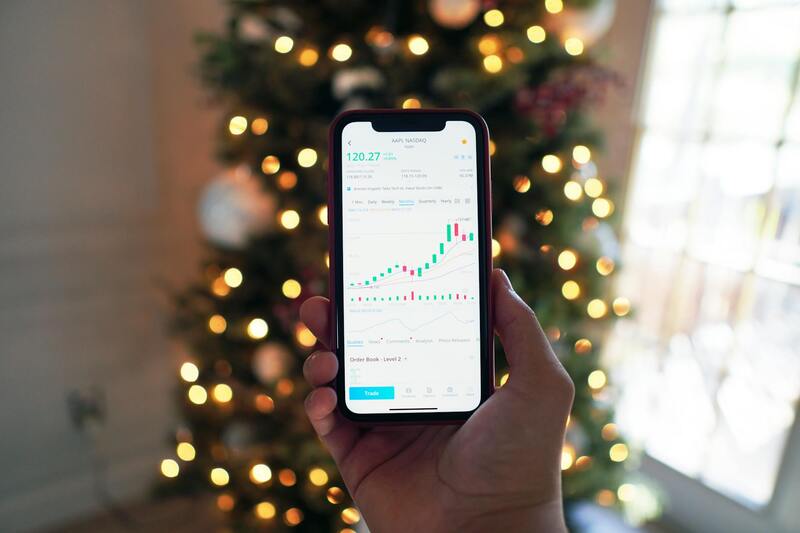
The process of acquiring funding in a forex prop trading environment involves thorough vetting, risk assessment, and sometimes, formal agreements. Traders often need to demonstrate a track record of successful trading, proficiency in risk management, and compliance with the firm's trading policies. These measures serve to protect the firm's assets while enabling talented traders to maximize their potential within the allocated capital space.
Effective Methods for Entering Proprietary Forex Trading
Joining a proprietary trading firm in the forex market involves a structured approach centered on acquiring the necessary skills, demonstrating consistent profitability, and adhering to stringent risk management protocols. The pathways to entering this high-stakes environment are primarily built around official training programs, proven trading performance, and thorough assessments tailored to evaluate traders’ capabilities.
Building a Strong Foundation Through Professional Training
Many reputable prop trading firms offer comprehensive onboarding programs that include classroom instruction, simulation trading, and mentorship. These initiatives are designed to equip traders with the essential technical skills, such as technical analysis, fundamental analysis, and trading psychology. By participating in these formal training sessions, traders can develop a disciplined approach and refine their decision-making processes in a controlled environment that mimics live market conditions.
Demonstrating Consistent Performance in Simulated and Live Markets
To qualify for proprietary trading positions, traders frequently undergo evaluation phases that involve trading on demo accounts or small live accounts. These assessments are designed to measure consistency, risk-adjusted returns, and adherence to trading rules. Success in these evaluations signals to the prop firm that the trader possesses the necessary discipline and technical competence to manage significant capital and operate within specified risk parameters.
Dokumentation of trading results over a sustained period is often required. Trader performance must demonstrate resilience during various market conditions, showcasing the ability to manage drawdowns and maintain profitability over time. This evidence provides a transparent basis for prop firms to assess the trader’s potential fit within their operational framework.
Engaging with Entry-Level Programs and Partnerships
Some firms facilitate entry through partnership programs or starter accounts, where traders start with smaller capital allocations under supervised environments. By successfully managing these accounts and gradually increasing their trading limits, traders can build a track record that might lead to larger funding opportunities.
Leveraging Professional Networks and Industry Events
Active participation in industry seminars, webinars, and trading expos provides valuable opportunities for networking with industry professionals. Engaging with experienced traders and recruiters can lead to mentorship opportunities and insights into proven strategies for securing a position within a prop trading environment.
Utilizing Official Evaluation Platforms and Competitions
Numerous prop trading firms and independent platforms host evaluation challenges or trading competitions. These events serve as a route for traders to showcase their abilities in a competitive setting, often culminating in offers for official positions or funding agreements. Success in such evaluations not only enhances credibility but also demonstrates mastery over trading strategies and risk controls.
Adhering to Consistent Trading Discipline and Risk Protocols
Throughout the process of joining a prop trading firm, consistency, disciplined risk management, and adherence to established trading rules are fundamental. Maintaining a transparent trading journal, continuously analyzing performance metrics, and adapting strategies based on market feedback are integral to establishing a reputable professional profile.
By following these structured, official pathways—ranging from professional training and evaluation to competitive showcases—aspiring traders can effectively position themselves within the landscape of proprietary forex trading. This disciplined and methodical approach not only maximizes their prospects of entry but also sets a solid foundation for a successful career in high-stakes forex trading environments.
