
Definition and Functions of a Futures Prop Trading Firm
A futures proprietary trading (prop trading) firm is a financial entity that facilitates traders in executing futures contracts using the firm’s capital. Unlike traditional trading setups where individual traders use their own funds, these firms allocate substantial trading capital to skilled traders, allowing them to leverage larger positions and diversify their trading strategies. The core function of a futures prop trading firm is to identify talented traders and provide them with the initial capital, tools, and infrastructure necessary to optimize trading performance.
Futures prop trading firms operate primarily in the derivatives market, focusing on contracts that derive their value from underlying assets such as commodities, financial indices, currencies, or interest rates. Their activities involve scrutinizing market trends, developing trading algorithms, and executing trades across various exchanges around the clock. The ultimate goal is to generate profits from market fluctuations while managing associated risks effectively.

This environment differs significantly from retail trading or other types of investment setups. In a retail context, individual traders use personal funds, face limited capital, and often lack access to advanced trading platforms or professional research tools. Conversely, futures prop trading firms provide an institutional framework that amplifies trading capacity, supports complex strategies, and implements stringent risk controls. The firm acts as the central hub, offering traders not only capital but also ongoing training, sophisticated technology, and risk management protocols to enhance trading outcomes.
Moreover, these firms typically operate with a structured hierarchy of traders, risk managers, and compliance officers, ensuring that trading activities adhere to high standards of operational excellence. They may employ proprietary algorithms, automated trading systems, and real-time analytics to maximize their competitive edge. By doing so, a futures prop trading firm creates an environment where talented traders can flourish under professional supervision, leveraging collective expertise and resources for mutual profitability.
Understanding the core functions of a futures prop trading firm highlights its role in the broader financial markets—acting as a bridge that transforms individual trading talent into scalable, institutional-level performance. This setup not only encourages disciplined trading practices but also aligns trader incentives with firm-wide profitability, fostering a strategic approach to capturing market opportunities systematically and efficiently.
Benefits of Trading with a Futures Prop Trading Firm
Engaging with a futures prop trading firm offers a range of strategic advantages designed to elevate a trader’s performance and efficiency. One of the primary benefits is access to substantial trading capital, which allows traders to execute larger volume trades that would otherwise be unattainable in personal accounts. This capital infusion enables the deployment of diversified trading strategies, including sophisticated algorithms, scalping, and hedging approaches that require significant margin support.
Utilizing state-of-the-art trading technology is another significant advantage. Futures prop firms typically provide traders with advanced trading platforms, real-time data analytics, and automated execution tools. These resources help traders identify market opportunities swiftly, execute trades with precision, and manage positions efficiently under rapidly changing market conditions.
Risk management support is embedded into the operational framework of most reputable firms. They establish comprehensive risk controls, including predefined stop-loss levels and position limits, to prevent catastrophic losses and promote sustainable trading practices. Traders benefit from ongoing risk oversight and compliance checks, ensuring that their activities align with the firm’s standards and market regulations.
Additionally, trading with a futures prop firm fosters a professional environment conducive to continuous development. Many firms offer tailored training programs, mentorship, and access to trading communities where ideas, strategies, and market insights are shared. This collaborative atmosphere accelerates skill enhancement and industry understanding, ultimately improving trading outcomes.
The collective experience, combined with professional oversight and resources, creates an environment where traders can focus on executing effective strategies rather than managing operational hazards alone. It enables talented individuals to leverage shared expertise and infrastructure, transforming individual potential into consistent, scalable profitability.
Understanding How to Secure Funding Through a Futures Prop Trading Firm
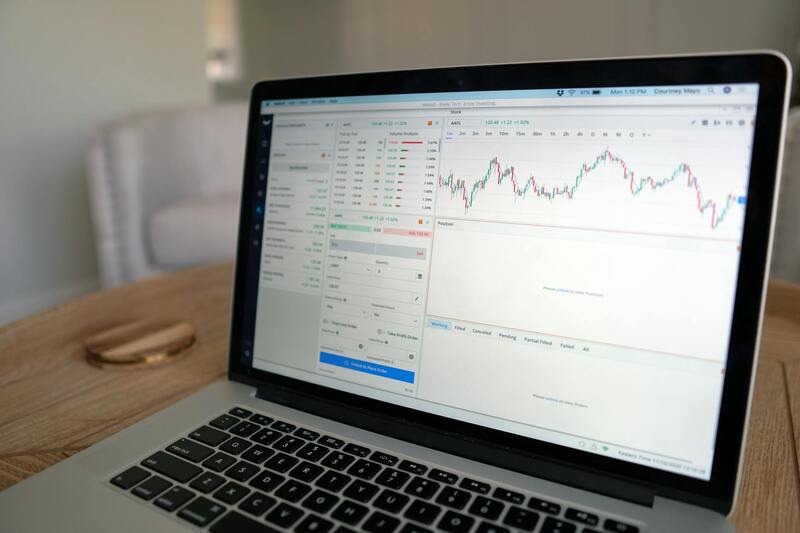
One of the primary advantages of partnering with a reputable futures prop trading firm is the access to substantial trading capital without the need for personal investment in the same magnitude. These firms typically allocate funds to skilled traders based on demonstrated expertise, risk management capabilities, and trading consistency. Securing such funding involves a structured evaluation process that measures a trader's ability to analyze markets, execute trades effectively, and adhere to risk protocols.
Traders often initiate this process by participating in a qualifying phase, which might involve a simulated or live trading assessment. During this stage, traders demonstrate their capacity to generate profitability within defined risk constraints. Successful completion allows the trader to be allocated a share of the firm’s trading capital, which can significantly amplify their trading reach and profit potential. This approach enables traders to leverage large positions and diversify their strategies without risking personal funds, thus opening avenues for more robust and diversified trading strategies.

It is essential for traders to understand the firm’s criteria for funding approval, which typically include trading performance metrics, consistency, risk control discipline, and adherence to trading rules. Transparent evaluation processes and detailed guidelines help aspiring traders prepare and meet the firm’s standards effectively. Once funded, traders gain access to sophisticated trading platforms, real-time market data, and advanced analytics tools that substantially elevate their trading capabilities.
Furthermore, many prop trading firms implement ongoing performance reviews to ensure traders continue to meet or exceed set benchmarks. Consistent performance not only maintains funding levels but can also lead to increased trading capacity and financial incentives. This structured approach to capital allocation fosters a disciplined trading environment, emphasizing risk-adjusted returns and sustainable profitability.

Adherence to firm-specific requirements might also involve continuous education, adherence to trading schedules, and compliance with risk management protocols. Developing a comprehensive understanding of these requirements and maintaining disciplined trading practices are critical steps toward securing and maintaining funding from a futures prop trading firm. Ultimately, the partnership facilitates a mutually beneficial scenario where traders can access high-level financial resources while the firm benefits from the trader’s skill and strategic execution.
Funding and Capital Allocation in Futures Prop Trading
Futures prop trading firms serve a crucial role in providing the financial resources necessary for traders to operate with substantial leverage. These firms allocate capital based on a rigorous assessment of a trader’s skill, trading history, and risk management discipline. The allocation process aims to balance the firm’s risk exposure while ensuring traders have enough capital to execute strategies effectively, without overly risking the company’s assets.
Most futures prop trading firms employ a variety of funding models. In some cases, traders begin with a fixed initial capital allocation, which can increase as they demonstrate consistent profitability and risk control over time. Other firms operate scaling models, where traders earn incremental increases in trading capital based on their ongoing performance metrics. This incentivizes disciplined trading while allowing firms to monitor and manage their exposure continuously.
Access to significant leverage is one of the most attractive benefits of trading within a futures prop trading environment. Traders can control larger positions with a relatively small amount of their own capital, amplifying potential gains while adhering to strict risk limits established by the firm. The leverage offered is carefully managed through risk controls to prevent excessive losses and promote sustainable trading practices.

In addition, many firms implement structured funding programs that provide traders with access to advanced trading infrastructure, real-time market data, and analytics tools—resources that are often out of reach for individual traders operating independently. This access empowers traders to refine strategies, improve execution, and adapt to evolving market conditions more effectively, reinforcing the symbiotic relationship between the trader and the firm.
Risk Management and Trading Rules
Effective risk management is at the core of a futures prop trading firm’s operational framework. Strict adherence to pre-defined trading rules minimizes potential losses and maintains the overall stability of trading activities. These rules often include maximum loss limits per day, position size restrictions, and daily profit targets that must be met or exceeded to qualify for continued trading.
Traders are typically required to follow comprehensive risk management protocols, such as stop-loss orders, diversification of positions, and strict discipline in executing trades. Regular performance monitoring ensures traders remain within acceptable risk levels, providing a safeguard for both the individual trader and the firm. This disciplined approach is crucial for maintaining consistent profitability over the long term and for preserving capital for future opportunities.
Profit Sharing and Compensation Structure
The compensation model within futures prop trading firms often involves profit sharing, where traders receive a percentage of the profits generated from their trading activities. This aligns the interests of traders and the firm, motivating traders to maximize performance within the boundaries of risk management rules.
Common structures include tiered profit splits that reward consistent traders with higher percentages of the profits they generate. In many cases, traders who demonstrate sustained profitability and risk discipline may gain access to larger trading accounts or additional funding, thus increasing their earning potential.
Training, Support, and Trading Environment
Futures prop trading firms are equipped to offer extensive training programs designed to enhance traders’ skills, especially for those new to the environment. These programs typically include webinars, mentorship from experienced traders, and access to trading simulators for practice without risking real capital.
The trading environment itself is structured to foster collaboration, continuous learning, and strategic development. Traders benefit from a professional setting equipped with state-of-the-art trading platforms, real-time analytics, and support teams that assist with technical issues or strategic questions. This comprehensive support structure helps traders to operate more efficiently and adapt quickly to market changes.
Steps to Get Started with a Futures Prop Trading Firm
- Research potential firms thoroughly, focusing on their funding criteria, risk management protocols, and trader support systems.
- Evaluate the training programs and resources available, especially if you are new to futures trading.
- Complete the application process, which often involves an evaluation phase to assess your trading skills and discipline.
- Participate in any required training or testing procedures mandated by the firm.
- Once approved, adhere strictly to the firm’s trading rules and risk management practices.
- Continuously monitor your performance, seek feedback, and adapt your strategies to meet evolving standards.

Understanding the Funding and Capital Allocation in a Futures Prop Trading Firm
Futures prop trading firms typically allocate capital based on a structured process that assesses a trader’s skills, experience, and trading discipline. Unlike individual traders who rely on personal funds, traders within these firms operate using the firm's capital, which enables them to manage larger positions and diversify trading strategies more effectively. Capital allocation is a pivotal element, as it directly impacts the trader’s ability to execute significant trades and capitalize on market opportunities.
The process begins with an evaluation phase where firms scrutinize a trader’s past performance, trading methodology, and risk management capabilities. This often involves simulated trading tests or evaluating historical trading records to establish a baseline of trading competency. Once a trader demonstrates consistent profitability and adherence to risk protocols, the firm allocates a trading account proportionate to their demonstrated ability.
Futures prop trading firms employ a tiered funding approach. Initially, traders may receive a smaller account to verify their skills and discipline, with opportunities for increased capital as they prove their consistency and risk management skills. This phased approach encourages traders to develop sound trading habits while minimizing potential losses for the firm.
Additionally, capital allocation is subject to ongoing risk assessments and performance reviews. Firms may implement drawdown limits or trading constraints designed to protect both the trader and the firm’s overall capital. Traders are often required to adhere strictly to these limits, with failure to do so resulting in reduced funding or termination.
Fund allocation also incorporates a strategic layer, where firms might allocate different pools of capital to various trading styles—such as scalping, day trading, or swing trading—allowing traders to specialize and optimize their approaches. This flexibility enhances the potential for profitability while maintaining robust risk controls.
Risk Management and Trading Rules in a Futures Prop Trading Firm
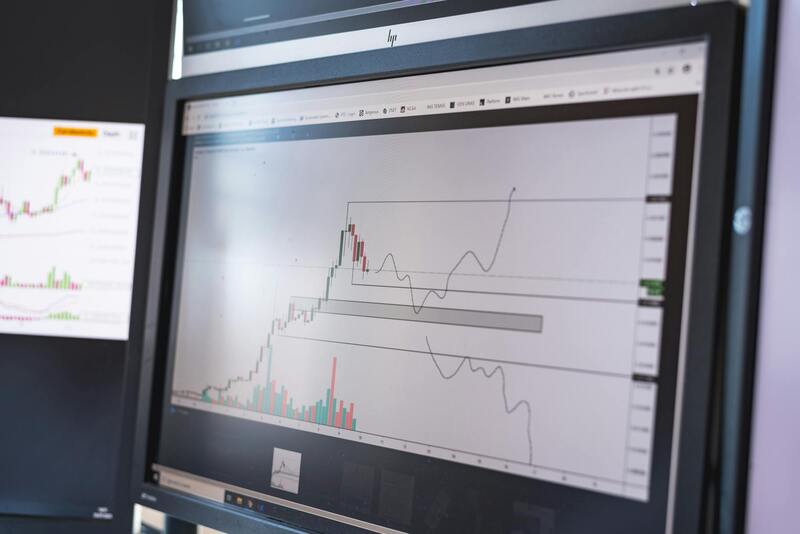
Effective risk management stands at the core of successful futures prop trading operations, serving as the foundation that sustains long-term profitability. These firms establish comprehensive trading rules and procedures designed to protect both individual traders and the collective capital of the organization. This framework ensures that every participant adheres to disciplined trading habits, minimizes exposure to unforeseen market volatility, and promotes a consistent approach to risk mitigation.
One of the primary elements in risk management involves strict adherence to pre-defined position sizes and leverage limits. These parameters are set based on the trader’s experience, trading style, and overall risk appetite, ensuring that no single trade can disproportionately impact the firm's capital. Traders are often required to utilize stop-loss orders and take-profit levels that align with the firm's risk policies, thereby containing potential losses and securing gains automatically.
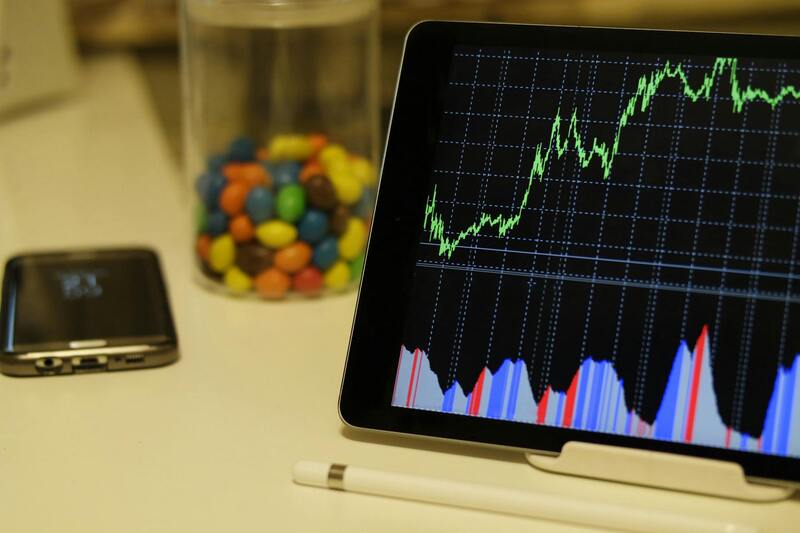
Besides setting limits on individual trades, firms enforce daily, weekly, and monthly drawdown restrictions. These limits serve as checkpoints to prevent traders from accumulating losses beyond a certain threshold, which could jeopardize the firm's resources. If a trader approaches or exceeds these boundaries, they may be required to pause trading, undergo review, or adjust their approach to risk exposure.
Trading rules also extend to the evaluation of trading behavior and discipline. Traders are expected to maintain comprehensive trading journals, documenting every trade's rationale, entry and exit points, and risk parameters. Regular reviews of these records help identify patterns, strengths, and weaknesses, fostering continuous improvement and accountability.
Furthermore, firms may implement constraints based on prevailing market conditions, such as heightened volatility or economic events. During such periods, traders might be subject to temporary restrictions or modified trading strategies to adapt to increased risk levels. This dynamic approach ensures that the firm's capital is safeguarded under various market scenarios while allowing traders to exploit opportunities within a controlled framework.
Advanced risk management systems integrated within trading platforms offer real-time monitoring and alerts to quickly identify potential breaches of rules or excessive risk accumulation. These technological tools are crucial in maintaining a disciplined trading environment, providing instant feedback, and enabling swift corrective actions.
In summary, the risk management and trading rules within a futures prop trading firm are designed to instill discipline, promote consistent risk-adjusted returns, and protect on-going capital deployment. By enforcing strict guidelines, leveraging technology, and fostering a culture of accountability, these firms create an environment conducive to sustained trading success while navigating complex and dynamic market conditions.
Risk Management and Trading Rules in Futures Prop Trading Firms
Effective risk management alongside well-defined trading rules forms the backbone of successful operations within futures prop trading firms. These components are meticulously crafted to protect both individual traders and the overall capital of the firm, ensuring sustainable growth despite the inherent volatility of futures markets.
Implementation of Risk Parameters
At the core of risk management is the establishment of stringent trading parameters that traders must adhere to. These include maximum allowable drawdowns, position size limits relative to account capital, and predefined stop-loss levels designed to cap potential losses on each trade. Such parameters serve to instill discipline and prevent traders from engaging in overly aggressive strategies that could jeopardize the firm's financial stability.
Use of Technology and Real-Time Monitoring
Modern futures prop trading firms often leverage advanced trading platforms embedded with risk management tools. These systems provide real-time oversight of trading activities, immediately flagging any trades or patterns that may violate established risk thresholds. Automated alerts notify traders of breaches, enabling swift corrective measures. Additionally, sophisticated analytics enable firms to monitor aggregate trading activity, identify systemic risks, and adjust risk controls dynamically based on market conditions.

Enforcement of Trading Rules
Durability of risk controls depends heavily on consistent rule enforcement. Traders are typically required to maintain detailed trading journals, documenting every decision, the rationale behind trades, and adherence to risk limits. Regular reviews of these logs assist in accountability and identify areas for training or improvement.
Rules also encompass trading during volatile market conditions, where firms may impose temporary restrictions or modify trading parameters to mitigate undue exposure. For example, during economic announcements or geopolitical events, traders may be restricted from executing large positions or engaging in certain kinds of trades, aligning risk exposure with prevailing market stability.
Financial Safeguards and Capital Preservation
Additional risk management measures include the use of guarantees, margin requirements, and drawdown policies. Ensuring traders stick within specified margin limits prevents over-leveraging, a common peril in futures trading. Firms also hold capital reserves or insurance mechanisms to buffer against unexpected losses, creating an additional layer of security that sustains traders and the firm's long-term operational health.
Trading Discipline and Culture
Promoting a disciplined trading environment involves ongoing training and the cultivation of a risk-aware culture. Regular workshops and evaluations help traders understand how to balance risk and reward effectively. Emphasizing disciplined practices aligns individual success with the overall risk appetite of the firm, fostering a professional ethos aimed at consistent, risk-adjusted performance.
Advanced Strategies for Profitable Futures Trading with a Prop Trading Firm
Delving deeper into a futures prop trading firm's operational framework reveals the importance of employing sophisticated trading strategies that are aligned with the firm's risk appetite and market conditions. Successful traders leverage a combination of technical analysis, quantitative models, and macroeconomic insights to inform their trade decisions. The use of algorithmic trading, for instance, allows for rapid execution and the ability to capitalize on fleeting market inefficiencies, while discretionary strategies rely on a trader’s judgment and experience to navigate complex price patterns.

Implementing Advanced Trading Techniques
- Technical Analysis: Analyzing price charts, patterns, and indicators to identify optimal entry and exit points.
- Quantitative Methods: Applying statistical models and algorithms to test hypotheses and improve decision-making accuracy.
- Market Sentiment Analysis: Monitoring news flows, economic reports, and social media to gauge market mood shifts that could impact futures prices.
- Risk-Adjusted Strategies: Employing stops, trailing stops, and position sizing techniques to balance potential rewards against possible losses effectively.
Adapting to Market Volatility
Futures markets are notorious for sudden volatility driven by macroeconomic developments, geopolitical events, or unexpected news releases. Traders must remain flexible, adjusting their strategies promptly to protect capital and capitalize on emerging opportunities. During periods of heightened volatility, dynamic position management, increased margin requirements, and cautious position sizes help ensure traders stay aligned with the firm's risk parameters.
Monitoring and Performance Evaluation
Regular evaluation of trading performance through detailed logs and analysis tools offers invaluable insights into what strategies or market conditions yield the best results. These performance metrics include not only profitability but also adherence to risk management rules, trade execution times, and behavioral factors. Continuous improvement depends on honest assessments and willingness to adapt trading techniques based on empirical evidence.
Technological Infrastructure for Trading Success
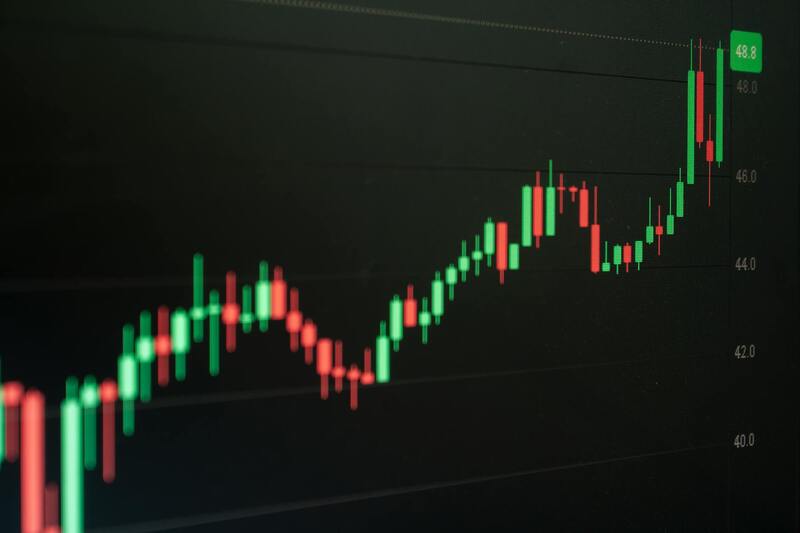
Firms invest in high-quality trading platforms, data feeds, and analytical software that facilitate not only efficient trade execution but also robust risk management and data analysis. Access to real-time market data and execution speed advantages create a competitive edge, enabling traders to respond swiftly to market shifts.
Collaboration and Continuous Learning
Futures prop trading success is supported by a community of traders and ongoing educational initiatives. Sharing insights, discussing strategies, and attending specialized training sessions foster a culture of continuous learning. Many firms host webinars, workshops, and mentorship programs to help traders refine their skills and stay updated on industry best practices.
