
Understanding Futures Trading Prop Firms
Futures trading proprietary firms, commonly known as futures trading prop firms, serve as specialized entities that provide traders with the opportunity to manage substantial trading capital. These firms operate as platforms where talented traders can leverage the firm’s assets and infrastructure to execute futures trades across various markets, including commodities, indices, interest rates, and currencies. Unlike individual traders who use personal funds, traders affiliated with prop firms typically benefit from enhanced buying power, cutting-edge technology, and comprehensive support systems.
Futures trading prop firms function by recruiting skilled traders through rigorous evaluation processes. Once selected, traders are granted access to a trading account funded by the firm, often after passing certain simulations or predefined performance assessments. The premise is built on a partnership model: traders generate profits through strategic futures trades, and these earnings are often shared according to specific compensation arrangements. These firms act as intermediaries that facilitate the trading process, offering resources, risk management tools, and mentorship to optimize trading performance.
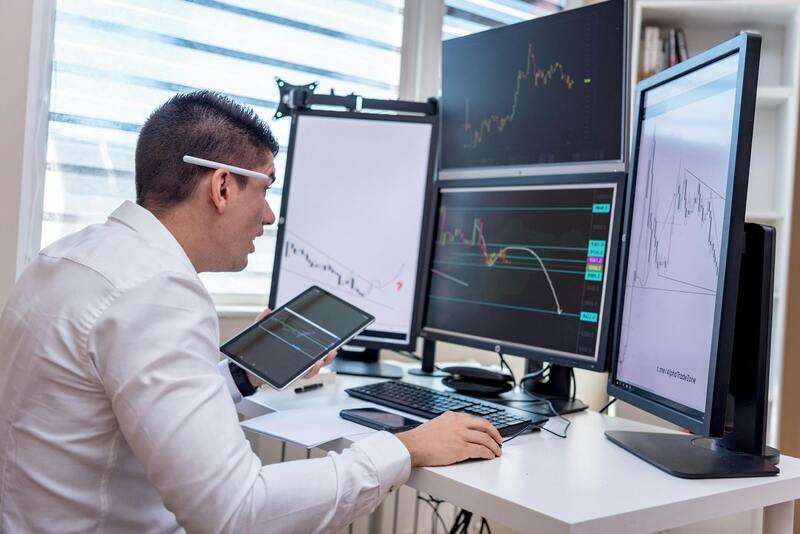
The core role of futures trading prop firms is to cultivate skilled traders and to amplify overall market liquidity. By providing access to substantial capital, these firms enable traders to engage in more significant market positions, potentially increasing profitability. The operational model benefits both parties: traders gain a platform to scale their trading activities, while firms benefit from profit sharing and the ability to profit from consistent trading performance. This symbiotic relationship creates a dynamic environment focused on growth, risk management, and strategic execution within the futures markets.
Criteria for Selecting a Futures Trading Prop Firm
Choosing the right futures trading prop firm requires careful consideration of several critical factors that can influence a trader’s potential success. Paramount among these considerations is the firm’s evaluation process, which not only assesses skills and experience but also determines whether the firm’s operational standards align with a trader’s style and goals.
Reputable prop firms often have transparent criteria for onboarding traders. These typically include a comprehensive review of trading history, consistency in profitability, risk management capabilities, and adherence to trading discipline. It is essential to understand the firm’s specific evaluation process, which may involve simulated trading accounts or demo periods designed to verify trading abilities without real financial risk.
Another key point in selecting a futures trading prop firm involves analyzing the firm's infrastructure and support systems. Access to advanced trading technology, real-time market data, and robust risk management tools can significantly impact a trader’s efficiency and effectiveness. Furthermore, firms that provide ongoing educational resources, mentorship, and dedicated support can contribute to continuous skill development, an important aspect for sustained trading success.

It is equally important to review the firm’s reputation within the trading community. This includes examining feedback from current or past traders, understanding the firm’s track record in profit sharing, and assessing its compliance with industry standards. Transparency in fee structures, profit splitting arrangements, and risk management policies helps ensure that traders are aligned with the firm’s operational ethos.
Lastly, evaluating the firm’s geographical reach and operational hours is vital. Some prop firms may operate under specific jurisdictional constraints or regional restrictions, which could impact trading hours, account management, and support availability. Ensuring compatibility with your trading schedule and ensuring timely support is crucial for long-term engagement.
Criteria for Selecting a Futures Trading Prop Firm
When evaluating potential futures trading prop firms, it is crucial to focus on specific criteria that influence trading success and operational coherence. Foremost, the firm's reputation within the trading community can serve as a reliable indicator of its stability and fairness. Traders should seek feedback from industry peers, current or former traders, to understand how the firm manages accounts, handles profit sharing, and supports its traders in high-pressure scenarios.
In addition to reputation, the firm’s trading rules and policies warrant careful examination. This includes understanding the firm's allowable trading styles, position limits, and risk parameters. Clear, well-structured rules help traders align their strategies with firm expectations and reduce potential conflicts or misunderstandings.
Profit sharing and compensation structures are central to assessing the appeal of a futures trading prop firm. Many firms operate on a split-profit model, where traders share a percentage of the profits generated. Transparency in how profits are calculated, distributed, and any associated fees or costs is essential. Some firms may also have performance-based incentives or tiered profit splits, which can motivate traders while ensuring fair compensation.
Another critical element involves the capital provided by the firm. The amount of trading capital available directly affects the trader’s ability to execute sizable trades and leverage opportunities in the futures markets. Larger pools of capital generally allow for greater flexibility and potential returns, but it’s important that the firm maintains sufficient risk management protocols to protect both trader and firm interests.

Lastly, the administrative support and technological infrastructure provided by the firm can markedly influence a trader’s experience. Access to advanced trading platforms, real-time market data, comprehensive risk management tools, and responsive customer service are integral to maintaining competitive edge and operational peace of mind.
Implementing Proper Trading Strategies
Futures trading prop firms often require traders to adhere to specific trading strategies that align with the firm's risk management policies and overall objectives. Successful traders typically employ well-developed strategies based on market analysis, technical indicators, and disciplined execution. Fully understanding these strategies and consistently applying them is crucial for sustainable performance.
Many prop firms encourage or mandate the use of particular trading methods, such as trend following, counter-trend strategies, or scalping techniques. Traders must demonstrate an ability to adapt these strategies to changing market conditions while maintaining within the firm’s prescribed risk parameters. Effective strategies are supported by comprehensive testing and careful calibration to ensure they are robust across different market environments.

Adherence to Trading Rules and Compliance
Compliance with the set trading rules of a futures trading prop firm is a fundamental aspect of maintaining a productive relationship and securing ongoing support from the firm. Rules often encompass maximum daily loss limits, position size restrictions, and trading hours, aimed at minimizing risk exposure for both the trader and the firm.
Traders are expected to maintain accurate records of their trades, adhere to reporting protocols, and avoid conduct that could compromise the firm’s reputation or operational stability. Strict adherence to these guidelines not only fosters trust but also helps traders avoid penalties such as account suspension or disqualification from the program.

Understanding Trading Restrictions and Limitations
Futures trading prop firms implement various restrictions to safeguard their capital and promote responsible trading practices. These limitations may include restrictions on unleveraged trades, minimum or maximum trading volumes, and specific market or product exclusions.
Additionally, firms may impose restrictions on trading during highly volatile periods or around major economic releases to mitigate unforeseen risks. Traders need to stay informed of these restrictions and adjust their trading plans accordingly, ensuring their strategies are compatible with the firm's operational parameters.
Adhering to these trading constraints contributes to a stable trading environment and helps preserve the firm's capital, ultimately fostering a more consistent and professional trading experience for all parties involved.
Criteria for Selecting a Futures Trading Prop Firm
Choosing the right futures trading prop firm involves evaluating several critical factors to ensure a suitable fit for trading goals and operational preferences. A comprehensive due diligence process includes examining the firm’s track record, reputation, and transparency, which are essential indicators of reliability and professionalism. Interested traders should review the firm’s history of successful trader support and overall stability in the market.
Another vital aspect is the firm’s funding structure and capital allocation. The amount of initial trading capital provided, along with margins and leverage offered, significantly influences trading capacity and potential profitability. A reputable firm will offer sufficient funding levels to support diverse trading strategies while maintaining manageable risk parameters.
Additionally, traders should scrutinize the firm’s risk management policies, including maximum drawdown limits, trading restrictions, and profit-sharing arrangements. Clear, well-defined policies help prevent misunderstandings and align trader activities with the firm’s expectations.
It is equally important to evaluate the technological infrastructure provided by the firm, including trading platforms, analytical tools, and data feeds. A robust technological environment enhances trading efficiency and accuracy. Reliable technical support, along with responsive customer service, further contributes to a seamless trading experience.
Evaluating the firm’s educational resources and ongoing support services is also beneficial. Access to training materials, mentorship programs, and community support can accelerate skill development and improve trading results over time.
Lastly, transparency regarding fee structures, profit-sharing models, and contractual obligations is fundamental. A reputable futures trading prop firm will provide detailed documentation and open communication channels, fostering a trustworthy trading environment that aligns with regulatory standards and best practices.
Securing Funding and Managing Capital Efficiently
Futures trading prop firms often provide traders with access to substantial trading capital, which can significantly amplify trading opportunities and potential profits. To secure this funding, traders must demonstrate a consistent track record of effective risk management and profitability, typically through a thorough evaluation process. This process often involves fulfilling specific trading criteria, such as hitting predefined profit targets, maintaining controlled drawdowns, and adhering to risk parameters established by the firm.
Once accepted, traders are responsible for managing the provided capital within the parameters set forth by the firm. This management includes executing disciplined and strategic trades that align with the firm’s risk policies. Maintaining adherence to these rules is critical, as deviations can result in penalties, trading restrictions, or termination of the trading account. An efficient approach to capital management involves meticulous planning, continuous monitoring of trading positions, and leveraging technological tools designed for risk mitigation.

Many firms offer flexible funding options tailored to traders' experience levels and strategies, often allowing scaling of capital as performance metrics are consistently met. This ability to grow trading funds gradually benefits traders by providing larger trading positions and higher profit-sharing opportunities while minimizing risk exposure through disciplined risk controls.
Utilizing Advanced Trading Technologies and Analytical Tools
Proprietary trading platforms and technological resources form a core part of futures trading in prop firms. These tools often include charting software, real-time data feeds, automated trading algorithms, and risk assessment modules. Access to high-quality data and analytical tools allows traders to make informed decisions based on current market conditions, technical analysis, and quantitative models.
Knowledge of how to effectively utilize these technologies is essential for optimizing trading strategies and maintaining a competitive edge. Most firms provide comprehensive training sessions and ongoing support to ensure traders can maximize these resources. The integration of sophisticated analytics helps traders identify opportunities quickly and evaluate risk in real time, ultimately improving execution quality and profitability.

Efficient use of these tools requires a combination of technical proficiency and strategic insight, emphasizing the importance of continuous learning and adaptation. Proper training ensures traders can leverage the full capabilities of their trading platform, enabling more precise risk management and faster reaction to market shifts.
Establishing Clear Profit Sharing and Reward Structures
Profit-sharing models within futures trading prop firms are designed to motivate consistent performance while aligning the interests of traders and the firm. These models typically involve a split of the profits generated from trading activities, with common arrangements ranging from 50/50 to more favorable splits for high-performing traders.
Additional incentives such as performance bonuses or scaling rewards are often tied to meeting specific trading milestones, risk management criteria, or service contribution levels. Transparent communication regarding how profits are calculated, distributed, and taxed ensures traders fully understand their earnings potential and responsibilities.
Many firms also implement a tiered structure, where top traders gain access to increased capital, higher profit splits, and additional benefits. Such arrangements motivate traders to maintain disciplined trading habits and strive for excellence, knowing their efforts directly influence their income and career progression within the firm.
Rigorous Evaluation and Qualification Steps
Before onboarding, futures trading prop firms conduct comprehensive evaluation phases to assess a trader’s skill set, discipline, and risk management capabilities. These assessments often include simulated trading challenges or live trading accounts with strict performance metrics.
Traders are typically required to demonstrate consistency over a predetermined period, maintaining profitability while controlling drawdowns within specified limits. Additionally, firms evaluate behavioral aspects such as decision-making under pressure, adherence to firm protocols, and responsiveness to market changes.
Qualifications involve passing certain tests pertaining to trading knowledge, risk protocols, and platform proficiency. Successful completion of these assessments not only grants trading access but also establishes a foundation for ongoing performance reviews and potential scaling opportunities.
Through these rigorous procedures, firms ensure that only capable traders handle significant capital, fostering a high-performance environment that benefits both the trader and the organization.
Understanding the Evaluation Process for Futures Trading Prop Firms
For traders aspiring to join a futures trading prop firm, mastering the evaluation process is crucial. These firms prioritize demonstrable skills, disciplined risk management, and consistent performance. Typically, the process begins with a comprehensive application where traders submit their trading history, strategies, and performance metrics. Once accepted, candidates usually undergo a structured assessment that may include simulated trading challenges, live trading with controlled capital, or a combination of both.
The core of this evaluation revolves around the trader’s ability to generate consistent profits while maintaining risk within predefined limits. Performance metrics such as profit factor, maximum drawdown, and risk-reward ratio are closely monitored. Firms place significant emphasis on how traders handle volatile market conditions, as well as their adherence to the firm's trading rules and risk protocols.

Throughout the evaluation, traders are observed for behavioral traits like decision-making under pressure, emotional control, and adherence to the firm's trading plan. Some firms employ real-time evaluations where traders must react to live market conditions, providing a clearer picture of their practical capabilities. Achieving a set performance threshold during this phase is essential for progressing to the funding stage and gaining access to larger trading accounts.
Role of Continuous Monitoring and Performance Reviews
Once traders are onboarded, the evaluation process shifts toward ongoing performance monitoring. Regular reviews ensure traders uphold the firm's standards and adapt to evolving market scenarios. These evaluations often consist of periodic performance reports, risk assessments, and sometimes additional testing to verify skills. Compliance with firm policies, such as maintaining drawdowns within specified limits and following risk management protocols, remains a key focus.
Risk Management and Discipline Enforcement
Effective risk management is vital for sustaining profitability and safeguarding the firm's capital. Traders are expected to limit losses, avoid impulsive trades, and stick to predetermined trading plans. Many prop firms have built-in risk controls, such as daily loss limits or automated trade restrictions, to enforce discipline and prevent catastrophic losses. Traders who consistently demonstrate responsible risk practices often gain access to larger capital allocations and more favorable profit-sharing arrangements.

Overall, the evaluation process is designed to identify traders capable of generating consistent returns while managing risks effectively. This comprehensive approach benefits both the trader and the firm by fostering a disciplined trading environment and aligning interests toward long-term profitability.
Metrics and Standards for Evaluation Success
Successful traders typically meet or exceed specific benchmarks. These include maintaining profitability over a set period, limiting maximum drawdowns to acceptable levels, and demonstrating proficiency with trading platforms and instruments. Firms often look for a clear trading methodology, discipline in following predefined risk parameters, and the ability to adapt strategies to changing market conditions.
By adhering to these criteria, traders prove their readiness to handle significant capital, contributing to the firm's overall stability and growth. Continuous performance evaluation ensures that traders remain aligned with company standards and helps identify those ready for increased responsibilities or expanded capital access.
Maximizing Success in Futures Trading Prop Firms
Engaging effectively with futures trading prop firms involves more than just meeting initial qualification criteria. Traders aiming for long-term success must continuously refine their skills and adapt to evolving industry standards. One of the key approaches is leveraging proprietary trading platforms that offer advanced analytical tools, real-time market data, and customizable interfaces to critically assess trade setups. Staying proficient with these tools enhances decision-making and optimizes trade entries and exits, fostering consistent profitability.

Another essential element involves maintaining strict compliance with firm policies concerning trading limits, risk parameters, and reporting protocols. Adherence to these guidelines not only ensures smooth operational integration but also demonstrates discipline—a trait highly valued by prop firms. Traders who consistently adhere to the prescribed trading frameworks reduce the likelihood of violations that could compromise their standing within the firm or their capacity to access larger accounts.
Continuous education is also vital. Many successful traders participate in ongoing training programs offered by their firms, encompassing new trading techniques, market analysis methods, and risk management strategies. Engaging with industry seminars, webinars, and staying updated on market news helps traders to anticipate shifts in market dynamics, making their strategies more resilient and adaptive.
In addition, fostering a disciplined mental approach to trading is instrumental. Managing emotions such as greed, fear, and impatience contributes significantly to consistent performance. Prop firms often encourage traders to develop mental resilience through techniques like routine risk assessments, trade journaling, and stress management practices. These methods help traders remain focused and objective, which is crucial during volatile market conditions.
Leveraging Data and Technology for Competitive Edge
Many emerging prop firms integrate artificial intelligence and machine learning algorithms into their trading systems. These technologies analyze vast pools of data to identify patterns, optimize trade timing, and suggest position sizing—enhancing trader performance and efficiency. Traders who familiarize themselves with these tools gain a competitive advantage, allowing for more precise and informed decisions.
Furthermore, technological innovations facilitate better risk management. Automated alerts notify traders of breaches in risk parameters or potential large drawdowns, prompting immediate corrective actions. This integration fosters a safer trading environment where risk exposure is continually monitored, safeguard capital, and preserve profitability.
Building a Sustainable Trading Career within Prop Firms
Successful traders often view their engagement with prop firms as a partnership rather than solely a funding source. They prioritize long-term growth, diligently tracking performance metrics, refining trading strategies, and embracing feedback from firm analysts. Establishing a track record of responsible trading behaviors builds trust and can lead to increased capital allocations and more lucrative profit-sharing arrangements.
Moreover, transparency and professionalism in communication with firm administrators ensure mutual understanding and alignment of goals. Sharing insights from personal trading experiences and strategies fosters a collaborative environment that can facilitate access to advanced training, mentorship, and capital expansions.
Future Outlook for Futures Trading Prop Firms
As technology continues to advance, the landscape of futures trading prop firms will evolve with greater emphasis on automation, analytics, and data-driven decision-making. Cloud-based platforms facilitate seamless connectivity and remote trading, expanding opportunities for traders worldwide. Additionally, regulatory developments aimed at enhancing market transparency and trader protections will influence operational standards and risk controls within these firms.
Developments in blockchain technology could also introduce new methods for secure transaction recording and fund management, further streamlining operations and enhancing trust. These innovations are poised to make futures trading with prop firms not only more accessible but also more efficient, adaptable, and aligned with modern financial technology standards.
