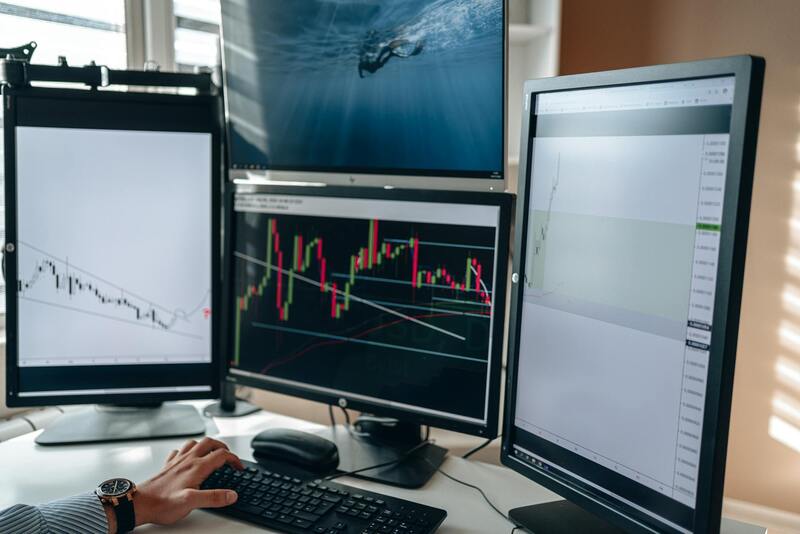
Understanding Prop Trading Firms for Forex
Prop trading firms, or proprietary trading firms, serve as specialized entities within the financial markets, focusing on the trading of assets such as forex, stocks, commodities, and derivatives. These firms use their own capital to facilitate trades, with the primary aim of generating profit through strategic market positions. Unlike individual traders who rely solely on personal funds, traders associated with prop firms operate using the firm's resources, often benefiting from sophisticated technology, extensive market data, and rigorous training programs.
In the forex market, prop firms act as pivotal players, providing opportunities for traders to access significant trading capital that might otherwise be unattainable. These firms often cultivate environments focused on disciplined trading, risk management, and consistent performance. Their core function includes evaluating traders based on their skills and adherence to trading rules, which then determines their level of access to trading funds and profit-sharing arrangements.

Distinct from traditional brokerage platforms that primarily facilitate retail trading, prop firms are more performance-oriented, emphasizing traders' ability to adhere to specific strategies and risk management protocols. This structural difference influences how profits are generated and shared, making prop firms a unique segment within the broader trading ecosystem. Understanding this distinction clarifies the vital role prop trading firms play in providing structured, scalable, and potentially lucrative avenues for forex traders seeking to expand their trading operations and capitalize on market movements with substantial leverage.
Understanding Prop Trading Firms for Forex
Prop trading firms for forex serve as essential catalysts in the financial trading ecosystem, offering a structured environment where skilled traders can leverage substantial capital resources. Unlike traditional retail trading accounts, these firms provide traders with access to large-scale funds that can significantly amplify trading capacity. This benefit allows traders to implement more ambitious strategies, manage larger positions, and potentially enhance profitability without risking personal capital beyond predetermined limits.
Operating under rigorous evaluation criteria, prop firms hunt for traders with proven skill, disciplined trading habits, and thorough risk management practices. Once selected, traders gain access to proprietary trading platforms and sophisticated analytical tools, often unavailable to retail traders. This environment fosters a focus on long-term consistency and risk-adjusted returns rather than short-term gains, aligning the interests of traders and the firm toward stable profitability.
The internal infrastructure of prop firms is characterized by a team of experts who oversee risk monitoring, compliance, and strategic development. They continuously refine trading protocols to adapt to fluctuating market conditions. Prop firms also emphasize transparent profit-sharing arrangements that motivate traders to perform at their highest level, often creating a mutually beneficial relationship where success directly correlates with earnings.

How Prop Firms for Forex Operate
At the core of a prop firm’s operation is a comprehensive process that evaluates potential traders through stringent testing procedures, often including simulated trading assessments and evaluation periods. These tests gauge trading discipline, consistency, and mastery of specific strategies, serving as a filter to identify top performers.
Successful traders then proceed to a onboarding phase, where they gain access to the firm’s trading capital under predefined risk parameters. The firm stipulates trading rules—such as maximum allowable drawdowns, position sizes, and trading hours—that traders must adhere to strictly. These rules are instituted to mitigate risk and align trading practices with the firm’s overall risk appetite.
Trade execution is conducted on professional-grade platforms supplied by the firm, often featuring advanced analytical and risk management tools. Regular performance reviews are conducted, and traders who demonstrate consistent results can be granted access to larger capital pools. The continual evaluation framework incentivizes traders to maintain high standards of risk discipline and trading performance.
Benefits of Using a Prop Firm for Forex Trading
- Access to significant trading capital, enabling larger positions and potentially higher profits
- Structured environment with clear risk management protocols
- Availability of professional trading platforms and analytical tools
- Potential for profit sharing, incentives aligned with performance
- Training and mentorship opportunities for developing trading skills
Participating in a prop firm’s ecosystem can markedly elevate a trader’s capabilities. The capital advantage facilitates diversification across multiple currency pairs and trading strategies, while the rigorous risk controls cultivate disciplined, methodical trading approaches that are crucial for long-term success.
Eligibility and Requirements to Join a Forex Prop Firm
Legitimate prop trading opportunities typically demand a demonstration of trading expertise through a series of assessments. Candidates are expected to showcase a consistent track record of profitability, sound risk management, and strategic discipline. Various firms require traders to pass evaluation stages that may include simulated trading tests, live trading assessments, or a review of trading history with verified profitability.
Additional criteria might encompass minimum experience levels, proficiency with specific trading platforms, and adherence to strict risk controls. Emphasizing transparency and adherence to firm policies is often a prerequisite for success in securing and maintaining a trading account.
Risk Management and Trading Rules in Forex Prop Firms
Risk management protocols are a cornerstone of prop trading frameworks. Rules such as maximum drawdown limits, position size restrictions, and strict adherence to trading plans safeguard the firm’s capital. These measures ensure that individual traders do not expose the firm to excessive risk, preserving capital integrity and fostering sustainable profitability.
Traders are expected to follow trading hours and leverage constraints, and any breach of these rules can result in account suspension or termination. Proper risk management not only protects the firm’s interests but also sharpens traders’ discipline, which is essential for navigating volatile forex markets effectively.

Understanding Prop Trading Firms for Forex
Prop trading firms for forex represent a strategic pathway for traders aiming to leverage professional resources, capital, and infrastructure to enhance their trading endeavors. These organizations operate with the primary goal of capitalizing on market movements while offering traders a platform that mitigates personal financial risk. By providing access to sizable trading capital, proprietary firms enable skilled traders to scale their trading activities beyond individual limits, which in turn increases profit potential.
Unlike retail trading where traders use their own funds, prop firms place capital at traders' disposal under structured risk management protocols. This model allows traders to focus on strategy and execution without the immediate concern of personal capital exposure. As a result, traders can optimize their strategies and potentially achieve higher profit margins while the firm manages the overall risk.
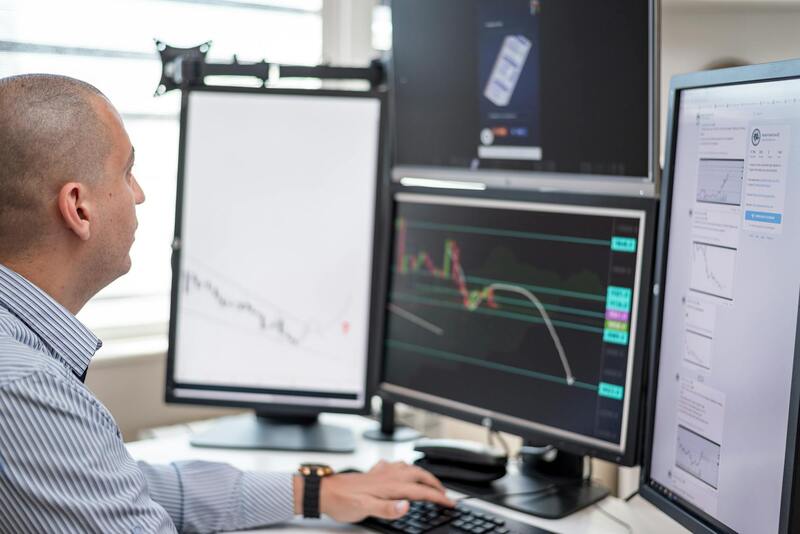
Operational Framework of Prop Firms for Forex
Prop firms operate through a series of structured evaluations designed to identify capable and disciplined traders. These assessments typically involve simulated trading tests, where traders demonstrate their ability to generate consistent profits within predefined risk parameters. Successful candidates often progress to the funded stage, where they receive a trading account with real capital to use in live markets.
The core of a prop firm’s operation hinges on risk management and compliance. Each firm establishes clear trading rules, including maximum drawdown limits, position size restrictions, and trading hours. These parameters ensure that the firm’s capital is protected while enabling traders to execute their strategies effectively. The operational model emphasizes transparency, with traders often required to adhere strictly to the firm's policies to maintain their accounts and access to funding.
Assessment Processes and Trader Qualification
- Initial evaluation through simulated trading leveraging real-time market data.
- Verification of trading history and profitability through past performance reviews.
- Meet minimum experience requirements and proficiency with designated trading platforms.
- Compliance with risk management protocols and trading discipline during evaluation stages.
Once qualified, traders are granted accounts under specific trading conditions. Their performance is continually monitored, and consistent profitability coupled with disciplined risk management often results in increased funding levels or profit-sharing opportunities.

Advantages of Engaging with a Forex Prop Firm
There are numerous benefits for traders who choose to operate within prop trading environments. These include:
- Increased Capital Availability: Access to larger trading funds than personal capital allows for bigger positions and greater market influence.
- Structured Support and Resources: Professional trading platforms, analytical tools, and risk management procedures are provided to optimize trading performance.
- Profit Sharing and Incentive Schemes: Traders often benefit from a profit split arrangement, incentivizing consistent and disciplined trading.
- Risk Management Assistance: The firm’s risk protocols help traders minimize losses and manage capital effectively, fostering sustainable trading practices.
- Risk-Free Environment for Evaluation: Aspiring traders can demonstrate their skills without risking personal funds during evaluation stages.
These advantages allow professional traders to focus on strategy and execution while benefiting from a professional support system designed to sustain long-term profitability.
Real-world Applications and Advantages
For traders aiming to progress in their careers, collaborating with a prop firm can serve as a gateway to professional growth, access to advanced trading infrastructure, and a platform for developing consistent trading habits. The combination of capital backing and structured risk controls facilitates an environment conducive to high-performance trading within the complex forex markets.
Understanding Prop Trading Firms for Forex
Prop trading firms specializing in forex serve as pivotal platforms where traders can operate using the firm's capital, under a structured environment designed to maximize trading efficiency and profitability. Unlike standard retail trading, engaging with a prop firm means participating in a professionally managed ecosystem that emphasizes disciplined trading practices, risk control, and strategic growth. These firms typically cater to experienced traders seeking to scale their operations and benefit from larger trading accounts, as well as newer traders aiming to develop skills without risking their own funds.

In the landscape of forex trading, a prop firm acts as a strategic partner that fosters trader development through comprehensive support systems, including professional-grade trading platforms, detailed analytical tools, and adherence to structured risk management protocols. These environments are designed not just for individual success but to cultivate consistent, sustainable trading habits in a high-stakes market. As the forex market continues evolving with technological innovations and increased competition, the role of prop trading firms remains integral, offering traders avenues for growth, learning, and improved trading performance.
How Prop Firms for Forex Operate
The operational framework of forex prop firms revolves around providing traders with access to pools of capital that are managed under specific trading guidelines. Firms often initiate the relationship through evaluation phases, where traders must demonstrate their competence and discipline, typically via trading challenges or simulations. Successful traders are then granted funded accounts, where they execute trades within pre-established parameters set by the firm.
Once funded, traders operate within risk limits defined by the firm’s policies. Profit-sharing agreements are common, with traders receiving a percentage of their earnings after deducting costs and fees. This incentivizes consistent performance and encourages traders to maintain disciplined trading patterns. Regular monitoring, performance reviews, and ongoing training sessions form part of the firm’s operational model, aiming to improve traders’ skills, mitigate risks, and optimize returns.
Benefits of Using a Prop Firm for Forex Trading
Opting to trade under a prop firm offers a multitude of strategic advantages:
- Access to Amplified Capital: Traders can operate larger positions and diversify their trading portfolios without the need for significant personal funds.
- Advanced Trading Infrastructure: Proprietary platforms equipped with cutting-edge analytical tools enhance decision-making and execution speed.
- Structured Risk Management: Firm-imposed rules ensure trading aligns with risk appetite, minimizing the chances of catastrophic losses.
- Mentorship and Training: Many firms provide educational resources, mentorship, and capital management guidance to help traders refine their skills.
- Performance-Based Rewards: Profit sharing and incentive programs motivate traders to optimize their strategies and improve consistency.
Visual Insight into Prop Trading Environment

Engaging with a forex prop firm not only facilitates access to larger capital pools but also embeds traders within a professional environment that prioritizes disciplined trading practices, continuous performance evaluation, and strategic development. For many traders, this structured approach accelerates growth and enables the pursuit of full-time trading careers with a reduced personal financial risk.
Understanding Prop Trading Firms for Forex
Prop trading firms dedicated to the forex market provide traders with opportunities to access substantial capital that would otherwise be unavailable through personal funds alone. These firms operate as professional environments where traders execute currency trades using the firm’s resources, often adhering to carefully structured strategies and risk protocols. Such organizations serve as a bridge between retail traders seeking to scale their operations and institutional entities managing large-scale currency investments. By leveraging the firm's backing, forex traders can explore more complex trading strategies, execute higher volume positions, and refine their approach within a supportive and resource-rich setting.

Instead of trading solely with their personal capital, traders in these firms capitalize on the pooled resources, which not only amplifies their ability to generate returns but also confines individual financial exposure. This collaborative model allows for diversification across multiple currency pairs and trading styles, fostering an environment conducive to skill development and profit maximization. Importantly, the emphasis remains on disciplined trading practices, risk control, and consistent performance evaluation—cornerstones that underpin sustained success in the fast-paced forex landscape.
How Prop Firms for Forex Operate
Forex prop trading firms function by establishing a framework where traders are provided with dedicated account access and trading capital in exchange for adhering to specific rules and performance metrics. Initially, traders often complete evaluations or trading challenges, designed to assess their ability to trade within predefined risk parameters consistently. Upon successful completion, traders are granted the opportunity to manage a funded account, effectively trading with the firm’s capital instead of their own.
The operational process typically involves continuous monitoring, with firms implementing robust risk management systems that enforce maximum drawdowns, position limits, and trading hours. Traders are expected to follow the firm’s trading guidelines, which often encompass strict risk controls, detailed record-keeping, and adherence to approved trading strategies. Regular reviews and performance audits ensure that only disciplined and consistent traders maintain their funding, creating a professional trading environment centered on accountability and strategic growth.
Key Features of Forex Prop Trading Operations
- Evaluation Periods and Trading Challenges
- Risk Management Protocols and Trading Restrictions
- Performance-Driven Funding Allocation
- Ongoing Training and Strategy Development
- Performance Incentives and Reward Structures
These operational elements collectively foster a disciplined trading culture, emphasizing not just the potential returns but also the importance of risk mitigation and strategic adaptation. The firm’s infrastructure supports traders with advanced trading platforms, analytical tools, and mentorship programs—all crucial components for honing skills and achieving consistent profitability.
Benefits of Using a Prop Firm for Forex Trading
Engaging with a professional prop firm offers numerous strategic advantages that can significantly accelerate trading careers. The key benefits include:
- Access to Larger Capital: Traders can leverage the firm’s funds to manage larger positions, diversify portfolios, and capitalize on more trading opportunities.
- Enhanced Trading Infrastructure: Proprietary platforms equipped with sophisticated tools enable quicker analysis and execution, improving overall trading efficiency.
- Structured Risk Management: Firm-enforced rules help mitigate impulsive decisions, safeguarding both the trader and the firm’s capital.
- Educational Resources and Mentorship: Many firms provide training programs, coaching, and strategy sessions that are vital for ongoing development.
- Profit Sharing and Incentives: Performance-based rewards motivate traders to consistently refine their strategies and pursue higher profitability.

By embedding traders within a pro-grade environment focused on disciplined trading and continuous improvement, prop firms serve as a catalyst for developing expert-level proficiency in forex trading. This setup allows traders to scale their operations while minimizing personal financial risks, thereby fostering a professional and sustainable trading career path.
Eligibility and Requirements to Join a Forex Prop Firm
Joining a forex prop trading firm involves meeting specific criteria and fulfilling procedural requirements designed to assess trading skill and discipline. Common prerequisites include:
- Demonstrated trading ability through evaluation challenges or prior trading records.
- Consistent profitability over a defined period, often verified through trading simulations or real accounts.
- Adherence to strict risk management rules, such as maximum drawdown limits and position sizing guidelines.
- Completion of the firm’s onboarding process, which may include training modules, interviews, or initial probationary periods.
- Possession of a solid understanding of forex market dynamics, technical analysis, and risk control measures.
Many firms also evaluate soft skills like discipline, emotional control, and strategic thinking, recognizing these as critical for long-term success in a fast-moving trading environment. Candidates often need to demonstrate their ability to follow trading plans meticulously and maintain composure under pressure, reflecting the professional standards upheld by most prop trading organizations.
Types of Funding and Profit Sharing Structures
One of the critical elements when engaging with a prop firm for forex trading is understanding the various funding models and profit-sharing arrangements they implement. These structures dictate how capital is allocated, how profits are divided, and what growth opportunities are available to traders. There are several common formats:
- Fixed Funding Models: In this setup, traders are allocated a set amount of capital from the outset. The firm provides the initial trading account, and traders operate within predefined risk parameters. Profits are typically shared according to negotiated splits, which may range from 50% to 80% in favor of the trader. This model offers transparency and straightforward profit calculations.
- Performance-Based Scaling: As traders demonstrate consistency and meet performance benchmarks, their trading capital is increased proportionally. Profits from increased funding are shared based on standard agreements, allowing skilled traders to access larger pools of capital gradually. This model incentivizes discipline and high performance, rewarding traders who adhere to risk management protocols.
- Payout and Profit Split Methods: Many prop firms adopt profit-sharing ratios that can differ per trader or depend on trading volume. Common payout methods include weekly or monthly disbursements, with some firms offering instant payouts upon reaching certain profit thresholds. These arrangements often include provisions for covering trading expenses, fees, or mandatory profit targets.
- Reinvestment and Bonus Structures: Certain firms incorporate reinvestment options where a portion of profits can be used to fuel further trading capital. Bonus schemes might also reward traders for achieving specific milestones, further enhancing trading capacity and potential earnings.

Challenges and Considerations in Forex Prop Trading
Despite the advantages, participating in forex prop trading involves navigating several challenges that require careful consideration. Risk management remains paramount, as trading with allocated capital means adhering to strict loss limits and disciplined trading strategies. Even with professional oversight, market volatility can impose unforeseen setbacks, underscoring the importance of risk mitigation practices.
Consistency and discipline are critical success factors. Traders must adhere meticulously to established trading plans and avoid excessive risk-taking driven by emotional reactions. The pressure to consistently perform can lead to stress and impulsive decisions, which is why many firms emphasize emotional control and ongoing training to develop resilient trading habits.
Another notable concern involves understanding the terms of profit sharing and payout schedules. Traders should thoroughly review the fee structures, payout timings, and conditions for capital increases to ensure alignment with their financial goals and trading style. Transparency in agreements is essential to avoid misunderstandings or disputes over profits and costs.
Furthermore, technological proficiency plays an essential role. Traders need to be comfortable with the firm's trading platforms, analytical tools, and risk management software. Technological failures or misconfigurations can cause significant losses, so familiarization and technical skills are integral components of success.

Overall, while forex prop trading offers a structured pathway toward professional trading, it demands a disciplined approach, thorough understanding of contractual obligations, and resilience to market fluctuations. Aligning expectations with the firm's policies and maintaining a focus on continuous improvement are key to long-term success in this environment.
Risk Management and Trading Rules in Forex Prop Firms
Effective risk management is at the core of successful trading within a prop firm environment. These firms implement strict trading rules designed to safeguard both the trader and the firm’s capital. Traders are often required to operate within predefined risk parameters, including maximum daily loss limits, position size restrictions, and leverage controls. These measures help prevent catastrophic losses that could jeopardize the fund’s stability and ensure traders maintain discipline under market volatility.
One fundamental element in risk management involves setting appropriate stop-loss and take-profit levels for every trade. These parameters are not arbitrary but are based on thorough technical analysis and market conditions. Professional prop firms enforce adherence to these stop points, preventing impulsive exits driven by emotional reaction, which can undermine a trading plan’s integrity.
Furthermore, many prop firms utilize real-time monitoring systems to oversee trader activity. These systems automatically flag breaches of trading rules, such as exceeding risk limits or trading outside allowed hours. This oversight ensures that traders remain compliant and that risk exposure is minimized at all times.
Trading rules are also established to promote consistency. Traders are typically required to follow prescribed trading strategies, often focusing on specific currency pairs or timeframes. Continuous training and evaluations are common to ensure traders understand and adhere to these protocols, facilitating a controlled and disciplined trading environment.

Offshore and Automated Trading Compliance
Many firms incorporate automated trading systems that execute orders based on algorithmic strategies. These systems are programmed with built-in risk controls, such as maximum drawdown thresholds and automated position sizing, to optimize execution while controlling exposure. Traders using automated systems still need to adhere to firm policies, such as routine system reviews and updates, to ensure compliance and minimize operational risks.
Handling compliance with regulatory standards and internal policies remains a priority. This includes maintaining transparency in trading activities and adhering to ethical trading practices. Proper documentation and record-keeping are essential, as they support audit processes and reinforce a professional trading environment.
Importance of Emotional Discipline
Discipline extends beyond technical rules to encompass emotional regulation. Successful traders in prop firms maintain composure amidst market turbulence, avoiding impulsive decisions that deviate from their trading plan. Many firms provide continuous education on emotional control techniques and stress management, recognizing that psychological resilience is fundamental to consistent performance.
Understanding Prop Trading Firms for Forex
Prop trading firms for forex have established themselves as pivotal players within the currency trading landscape, offering professional traders an environment where they can leverage company capital to execute trades. These firms typically operate with strict internal protocols that emphasize disciplined trading, comprehensive risk management, and systematic evaluation processes. By focusing exclusively on official methods and adhering to industry best practices, prop firms ensure that traders are equipped with the necessary resources and guidance to operate effectively in the highly volatile forex markets.

Operational Framework
Prop firms generally provide traders with proprietary trading platforms, specialized tools, and data analytics to identify and capitalize on market opportunities. Their operational framework involves rigorous onboarding procedures, where traders are evaluated for their skills and trading discipline before being granted access to firm capital. This process helps maintain a high standard of trading performance, aligning individual trader objectives with the broader risk parameters of the organization.
Focus on Transparency and Professionalism
Maintaining transparency in trading activities—through detailed reporting and documentation—is fundamental for these firms. This transparency supports ongoing performance assessments and ensures adherence to internal policies, fostering a professional environment conducive to consistent growth and skill development. Furthermore, firms often implement ongoing training programs designed to keep traders updated on market developments and evolving trading strategies.

Risk Control and Compliance Measures
Effective risk management remains a core pillar of forex prop trading. Firms establish clear trading limits, such as maximum drawdowns and exposure thresholds, monitored through automated systems and manual oversight. Compliance measures extend beyond internal policies, promoting ethical trading practices aligned with the firm's standards and industry guidelines. This focus on risk mitigation safeguards both the trader and the organization, ensuring sustainable trading operations.
How Prop Firms for Forex Operate
Operations within forex prop trading firms revolve around structured processes designed to optimize performance and mitigate risks. Traders typically operate within predefined trading frameworks and guidelines that emphasize strategic discipline and continuous evaluation. The firm provides capital based on demonstrated competency and adherence to trading principles, with ongoing assessments ensuring that traders maintain their skill level and risk awareness.
Automated trading systems and algorithmic strategies are increasingly integrated into prop firm operations. These systems execute trades based on sophisticated algorithms, enabling rapid responses to market movements while incorporating risk controls such as automated stop-loss orders and position sizing. Such technological integration enhances operational efficiency and enables traders to focus on strategy development and market analysis.
Operational Oversight and Data Security
Operational oversight involves real-time monitoring of trading activities to ensure compliance with established protocols. Data security protocols protect sensitive trading data and intellectual property, ensuring that information remains confidential and secure against unauthorized access. Ongoing system audits and updates are standard practices to minimize operational risks and maintain technological robustness.

Benefits of Using a Prop Firm for Forex Trading
Engaging with a prop firm offers numerous advantages beyond access to trading capital. Traders benefit from professional mentorship, advanced analytical tools, and extensive training programs that enhance market understanding and trading skills. The collaborative environment fosters continuous learning and performance improvement, helping traders to hone their strategies in a controlled setting.
- Access to substantial trading capital, enabling larger position sizes.
- Structured risk management and trading discipline enforced by firm policies.
- Ongoing professional development and mentorship.
- Technological resources, including proprietary platforms and data analytics.
- Potential for profit sharing and scalable income opportunities.
Risk Sharing and Incentives
Profit sharing models serve as incentives that align trader performance with organizational goals. Traders often retain a percentage of their earnings, which motivates disciplined trading practices. The combination of capital access and profit incentives helps traders achieve greater financial growth while maintaining a focus on consistent, risk-aware trading behavior.

Eligibility and Requirements to Join a Forex Prop Firm
Joining a forex prop firm involves meeting specific eligibility criteria, primarily centered around trading proficiency and risk management capabilities. Many firms require prospective traders to demonstrate their skills through trading assessments, sample trading accounts, or performance in simulated environments. Educational background, trading experience, and adherence to trading protocols are also factors in the selection process.
Applicants should prepare detailed trading histories, resumes, and proof of disciplinary trading practices. Some firm-specific requirements include a minimum profit threshold in demo or live trading accounts, along with compliance with firm-defined risk parameters. Maintaining transparency and a proven track record of disciplined trading significantly enhances the likelihood of acceptance.
Assessment Process
The assessment process typically involves evaluations through demo trading challenges or verification of recent trading performance. Traders need to demonstrate consistency, risk awareness, and the ability to generate profit within predefined limits. Successfully passing this evaluation grants access to funded accounts, enabling traders to execute live trades with firm capital.

Risk Management and Trading Rules in Forex Prop Firms
Risk management protocols and trading rules are integral to the sustainable operation of forex prop firms. These rules are designed to prevent excessive losses and preserve capital, fostering a professional and disciplined trading environment. Common risk controls include setting maximum daily loss limits, per-trade stop-loss orders, and position size restrictions, all of which are enforced through automated systems or manual supervision.
Traders are required to adhere strictly to firm policies regarding trading hours, permissible instruments, and strategy types. Routine compliance checks and performance reviews help ensure continuous adherence, with violations often resulting in account suspension or trading restrictions. Emphasizing compliance and discipline ensures a resilient trading environment capable of withstanding market volatility.
Trade Review and Feedback
Trade reviews and feedback sessions serve as vital tools for ongoing trader development. Firms conduct regular evaluations of trading performance to identify strengths and areas for improvement. These reviews are complemented by educational initiatives aimed at refining risk management skills, trading psychology, and tactical decision-making.