
Understanding Prop Firm Trading: A Comprehensive Overview

Definition of Prop Firm Trading
Prop firm trading, commonly referred to as proprietary trading, involves a trading entity engaging in financial market transactions using its own capital rather than client funds. Unlike traditional investment firms that manage assets on behalf of clients, proprietary trading firms deploy their resources to capitalize on market opportunities, aiming for profit generation without external investors. This practice allows firms to maintain full control over their trading strategies, risk management protocols, and capital allocations, thereby fostering an environment focused exclusively on maximizing their trading performance.
In essence, proprietary trading is an activity where firms act as market participants, leveraging advanced trading systems, algorithms, and expertise to navigate various financial markets—be it stocks, commodities, forex, or derivatives. The primary intent is to generate returns for the firm itself, rather than for depositors or clients, positioning prop trading as a specialized, high-stakes endeavor within the broader financial ecosystem.

History and Development of Proprietary Trading
The roots of proprietary trading trace back to the early 20th century, where financial institutions began exploring the potential of deploying their capital for market gains. Over time, as trading technology advanced and markets became more complex, proprietary trading gained prominence across different financial centers worldwide. The practice often flourished in environments that encouraged aggressive trading strategies—particularly during periods of deregulation and technological innovation.
During the late 20th century, many large trading firms and investment banks incorporated prop trading desks to enhance profitability. Notable institutional developments, such as the growth of electronic trading platforms, allowed these firms to execute rapid and sophisticated trades, further expanding their portfolio of strategies. Although regulatory changes and market developments have influenced the industry’s landscape, proprietary trading remains a pivotal activity for many financial firms seeking to leverage their expertise and capital to seize market opportunities efficiently.
How Prop Trading Firms Operate
Proprietary trading firms operate by employing specialized teams of traders equipped with advanced market analysis tools and trading algorithms. These firms often operate in highly competitive environments, aiming to identify short-term price movements or exploit market inefficiencies. Their operational structure typically includes the following components:
- Trading Desk: Central hub where traders execute strategies, monitor markets, and manage risk.
- Research and Analysis: Dedicated teams analyzing market data, economic indicators, and technical patterns to inform trading decisions.
- Technology Infrastructure: Cutting-edge trading platforms, algorithmic trading systems, and data feeds to facilitate rapid trade execution and risk management.
- Risk Management: Robust protocols to limit exposure and protect the firm's capital against unforeseen market movements.
Successful prop trading firms continually adapt their strategies based on market conditions, technological advancements, and internal performance metrics, maintaining a competitive edge in the industry.
Funding and Capital in Prop Trading
Prop trading firms typically allocate substantial capital resources to facilitate a wide range of trading activities. Unlike traditional investment channels that involve client funds or external investments, these firms utilize their own equity or borrowed capital to engage in market transactions. The core advantage of this approach is the freedom to implement aggressive trading strategies without restrictions imposed by external investors. This autonomy enables proprietary trading firms to optimize their trading algorithms, leverage positions, and continually refine their risk management protocols.
Funding structures within prop trading are highly strategic, often involving layers of risk capital that cater to different trading strategies. For example, firms may set aside risk capital for high-frequency trading that demands rapid execution and minimal margins, while allocating other funds to longer-term trend-following or arbitrage strategies. The capital available directly influences the scale and scope of trades a firm can execute, impacting both its potential profitability and risk exposure.
Most prop trading operations emphasize maintaining sufficient liquidity to seize market opportunities swiftly. To this end, firms often establish dedicated reserve funds to cushion against adverse market conditions and unforeseen volatility. Their capital management practices aim to strike a balance between risk-taking and capital preservation, ensuring the sustainability of their trading activities over time.

Furthermore, technology plays a key role in capital deployment. Advanced trading platforms integrate real-time risk assessments, ensuring that trading decisions adhere to pre-set risk limits. This integration allows for dynamic allocation of capital based on evolving market conditions and internal performance metrics. Firms continuously monitor their capital utilization to optimize their trading margins and adapt swiftly to market fluctuations.
Types of Trading Strategies Used
Proprietary trading firms deploy a diverse array of strategies tailored to capitalize on different market behaviors. Each strategy hinges on precise market analysis, technological infrastructure, and stringent risk controls. The primary categories include:
- High-Frequency Trading (HFT): Involves executing a large volume of trades at extremely high speeds, often within fractions of a second, to capture minimal price discrepancies.
- Market Making: Firms quote buy and sell prices for financial instruments, profiting from the spread while providing liquidity to markets.
- Statistical Arbitrage: Uses quantitative models to identify and exploit temporary mispricings between related securities.
- Trend Following: Based on technical analysis, this strategy aims to capitalize on sustained market movements by entering trades in the direction of the trend.
- Event-Driven Trading: Focuses on market reactions to specific events such as earnings reports, economic releases, or geopolitical developments.
Each of these strategies requires specialized expertise, sophisticated algorithms, and real-time data analysis capabilities. The selection and implementation of strategies depend heavily on the firm's risk appetite, technological robustness, and market conditions.
Types of Authentic Funding Methods for Proprietary Traders
Proprietary trading firms utilize various legitimate funding mechanisms for traders that uphold the principles of transparency and operational integrity. These methods primarily focus on providing traders with the necessary capital to execute their strategies while maintaining strict oversight to ensure risk management and compliance. The key funding avenues include:
- In-House Capital Allocation: Many proprietary firms allocate their own accumulated capital directly to promising traders. This method involves providing traders with a specific trading account size, which is monitored and adjusted based on performance metrics and risk parameters. Since the firm owns the capital, the process emphasizes thorough vetting and ongoing performance evaluation.
- Third-Party Funding Programs: Some firms partner with reputable financial institutions or specialized funding providers to facilitate access to additional capital. These formal arrangements often involve contractual agreements outlining trading parameters, profit sharing, and risk limits, ensuring transparent operations conforming to industry standards.
- Trader Testing and Capital Scaling: To assess trader skill, firms typically implement a structured evaluation process, sometimes called a 'prop trading challenge,' where traders demonstrate their ability to generate consistent profits within predefined risk constraints. Successful participants graduate to larger trading accounts, effectively scaling existing capital in a systematic and legitimate manner.
- Profit and Revenue Sharing Models: Instead of providing a fixed capital amount upfront, some firms operate on profit-sharing models where traders earn a percentage of the profits generated from their trading activities. This approach aligns interests while ensuring that the firm maintains a clear view of risk exposure and profit distribution.
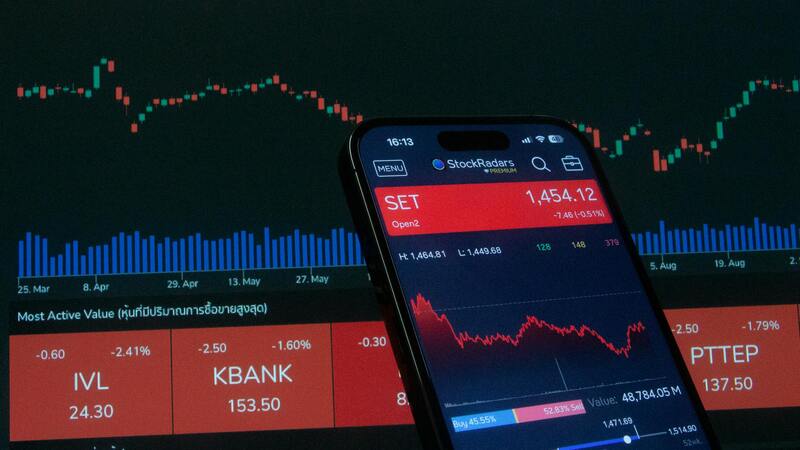
Implementing legitimate funding pathways requires a transparent framework emphasizing trader qualification, risk controls, and adherence to industry standards. Such practices foster a sustainable trading environment where both traders and firms benefit from clarity and operational integrity.
Compliance and Due Diligence in Funding Practices
Ensuring all funding methods are conducted within compliant and verified channels is essential for maintaining industry standards. Firms often conduct background checks, review trading history, and establish clear contractual agreements to safeguard their capital and support traders' professional development. Proper documentation and regular audits further reinforce the legitimacy of funding processes, creating a resilient foundation for trader growth and firm stability.
Funding and Capital in Prop Trading
Proprietary trading firms utilize a combination of internal capital reserves and externally sourced funding mechanisms to sustain their trading operations. This blended approach ensures that firms have the necessary liquidity to engage in a diverse array of trading activities across multiple markets, including equities, forex, commodities, and derivatives. Internal capital, accumulated through operational profits or investor funding, provides a stable financial base that underpins daily trading activities and strategic investments.
Externally, many prop trading firms establish structured funding arrangements with traders. These are often based on rigorous evaluation processes that assess a trader’s skill, risk management ability, and past performance metrics. The goal is to allocate trading capital responsibly while maintaining a controlled risk environment. Such funding arrangements are typically formalized through contractual agreements that specify profit-sharing terms, risk limits, and trading compliance obligations.
Secure funding pathways serve multiple purposes: they enable traders to access larger pools of capital, facilitate the scaling of trading strategies, and promote responsible trading practices. Transparent communication and well-defined operational procedures are fundamental in establishing trust and ensuring alignment of interests between the firm and its traders. By meticulously managing the flow of capital and employing comprehensive risk controls, prop firms aim for sustainable growth while safeguarding their financial stability.

Types of Funding Mechanisms in Prop Trading
- Internal Capital Allocation: The firm's own funds are used to finance trading activities, with profits reinvested to expand trading capacity.
- Trader-Initiated Funding: Traders may secure capital through profit-sharing models, where a portion of earnings is reinvested into a trading account.
- External Investment: Some firms acquire funding through investors or financial institutions, which are then allocated to trading operations based on predefined risk parameters.
Effective funding management hinges on thorough due diligence and ongoing performance monitoring. Traders are often required to demonstrate consistent profitability and adherence to risk management standards before accessing substantial capital. Regular evaluations and audits ensure that the allocation of funds remains aligned with the firm’s risk appetite and operational guidelines.
How Prop Trading Firms Operate
Proprietary trading firms operate through a structured approach that focuses on leveraging internal resources and specialized frameworks to maximize trading performance. These firms recruit skilled traders who are responsible for executing trades based on proprietary strategies. The core of their operation hinges on providing traders with the necessary capital, tools, and infrastructure to identify and capitalize on trading opportunities across various markets. Unlike retail traders who use personal funds, prop firms allocate substantial pools of capital to their traders, enabling larger position sizes and access to advanced trading technology.
Operational transparency and strict adherence to risk management protocols are cornerstones of prop firm operations. Traders work within predefined risk limits to minimize potential losses while aiming for consistent profitability. Firms often utilize sophisticated risk assessment models and real-time monitoring systems to oversee trading activities. This comprehensive oversight ensures that risk exposure remains within acceptable boundaries, protecting the firm’s capital and promoting sustainable growth.
Another critical component is ongoing training and skill development. Many prop trading firms provide continuous education programs to keep traders updated on the latest market developments, trading techniques, and technological advancements. This focus on professional growth fosters a high-performance environment, where disciplined and knowledgeable traders can thrive. Moreover, demographic and geographical diversity among traders allows firms to capitalize on different time zones and market conditions, broadening their trading horizons.

By integrating innovative technology, disciplined risk controls, and expert skill sets, prop firms create a dynamic trading ecosystem. Their success depends on a meticulous blend of strategic planning, technological integration, and rigorous performance evaluation, aligning trader activity with the firm’s overall financial objectives.
Furthermore, transparency in trading operations and consistent communication between traders and management foster an environment of accountability. Traders are often required to follow detailed trading plans and compliance protocols, ensuring that all activities adhere to the firm’s operational standards. Through this disciplined framework, prop trading firms seek to enhance profitability while maintaining the stability of their trading capital.
Understanding the Funding and Capital in Prop Trading
Central to the operation of a proprietary trading firm is its access to substantial capital, which enables traders to execute larger positions than they might be able to independently. Prop firms typically allocate significant funds to selected traders, offering a form of financial backing that is crucial for executing complex and high-volume trades across various markets. This capital pool is carefully managed to optimize returns while mitigating risk, relying on sophisticated risk management protocols and strict adherence to trading limits.
Unlike individual traders, who are limited by their personal financial resources, prop firms leverage their scale and capital to explore diverse trading opportunities with the potential for higher yields. This financial structure allows traders to focus on generating profits without the concern of personal capital depletion. In return, the firms often implement profit-sharing arrangements, where traders receive a percentage of the profits they generate, incentivizing disciplined and performance-driven trading behaviors.

Effective management of this capital involves layered risk controls, including position limits, stop-loss orders, and continuous market monitoring. These measures help prevent excessive losses and preserve the firm’s financial health. The infusion of fresh capital and the re-investment of profits into expansion also support ongoing development, allowing prop firms to adapt to changing market conditions and expand their trading strategies.
Furthermore, technological infrastructure plays a pivotal role in managing large capital pools efficiently. Advanced trading platforms, real-time analytics, and automated risk assessment tools enable prop firms to execute trades swiftly and adjust positions dynamically. This synergy between financial resources and cutting-edge technology creates a resilient trading environment capable of adapting to the volatility of global markets.
To sustain long-term profitability, many prop firms also prioritize capital conservation strategies and strategic diversification. By spreading investments across multiple asset classes and geographical markets, they seek to buffer against localized risks and generate consistent returns. This cautious yet aggressive approach to capital deployment exemplifies the disciplined approach unique to proprietary trading environments.

Funding and Capital in Prop Trading
One of the core elements that distinguishes prop trading firms from retail trading is the management and allocation of significant capital resources. These firms typically operate with proprietary funds, meaning they utilize their own capital or pooled investor capital to execute trades across diverse markets. The size of these funds can range from hundreds of thousands to billions of dollars, enabling traders to take substantial positions that are often not feasible for individual retail traders.
Proper funding mechanisms are essential to a prop firm's ability to sustain active trading operations. Capital is allocated based on the firm’s strategic objectives, risk appetite, and market conditions. A disciplined approach to capital deployment involves setting aside reserves for unforeseen market upheavals and leveraging leverage ratios responsibly. This helps in optimizing returns while maintaining risk within acceptable bounds.

The infusion of capital into trading strategies allows firms to scale their operations and pursue multiple trading styles simultaneously. Risk management systems are integrated into the capital allocation process, ensuring that any potential losses are controlled and do not threaten the overall financial stability of the firm. Reinvestment of profits into the trading pool fosters growth, enabling continued expansion of the firm's trading capacity.
Access to robust capital pools also enables the implementation of sophisticated trading algorithms and automated systems, which can capitalize on fleeting market opportunities with speed and precision. This high level of capital support ensures that prop trading firms remain competitive in fast-moving markets and can pursue complex, high-frequency trading strategies effectively.
Types of Trading Strategies Used
- Algorithmic and High-Frequency Trading (HFT): Leveraging advanced algorithms for rapid execution of trades.
- Momentum Trading: Capitalizing on current market trends to generate profits over short periods.
- Mean Reversion: Trading on the premise that asset prices will revert to their historical averages.
- Market Making: Providing liquidity to markets by quoting buy and sell prices with narrow spreads.
- Event-Driven Trading: Reacting to news events, earnings reports, and geopolitical developments.
Benefits and Risks for Prop Traders
Working within a prop trading environment offers significant access to capital, cutting-edge technology, and comprehensive risk management systems. This setup provides traders with the opportunity to execute larger trades and experiment with diverse strategies without the personal financial exposure typically faced by retail traders. The collaborative environment and ongoing training contribute to professional growth and skill enhancement.
However, this environment also bears inherent risks. Rapid market shifts, technological failures, or misjudged strategies can lead to substantial losses. Strict adherence to risk controls and continuous monitoring are imperative to mitigate these risks. Prop traders must maintain disciplined trading behaviors, as sustained profitability is often linked to rigorous adherence to predefined risk parameters.

The dynamic nature of proprietary trading demands adaptability and resilience. Traders are expected to stay informed about market developments, continuously refine their strategies, and utilize available technological tools effectively. While the potential for significant financial upside exists, success hinges on meticulous risk management, disciplined execution, and ongoing education to navigate the complex landscape of modern trading environments.
Understanding the Funding and Capital Structure in Prop Trading
One of the fundamental aspects that distinguish prop trading from traditional retail trading is the way capital is allocated and managed. Proprietary trading firms typically possess substantial pools of capital that are allocated specifically for trading activities. This pool serves as the primary resource for executing large-volume trades across various financial instruments, including equities, derivatives, forex, and commodities. Unlike retail traders, who utilize personal funds, prop traders operate using the firm’s capital, which allows them to leverage larger positions and take on more significant market exposures.
Funding methods vary among prop trading firms. Some operate under a model where traders are provided with a predetermined trading account size, which is often based on their experience, proven track record, and skill level. Other firms might implement a profit-sharing structure, where the trader's earnings depend on the performance of the trades generated with the firm’s capital. In these cases, traders usually receive a proportion of the profits they generate, incentivizing disciplined and strategic trading activities.

The management of this capital involves sophisticated risk controls and monitoring systems designed to prevent significant losses that could jeopardize the firm's financial stability. These controls include daily loss limits, position size restrictions, and real-time risk analytics. By maintaining a disciplined approach to risk management and capital utilization, prop trading firms aim to optimize profitability while safeguarding their financial resources.
Exploring the Variety of Trading Strategies Employed by Prop Firms
Proprietary trading firms utilize a broad spectrum of trading strategies, each tailored to capitalize on specific market conditions. These strategies range from high-frequency trading (HFT) to longer-term trend following, mean reversion, and statistical arbitrage. The selection of strategies depends heavily on the firm’s technological capabilities, market focus, and risk appetite.
- High-Frequency Trading (HFT): Involves executing a large number of trades within milliseconds, exploiting small price discrepancies with the assistance of advanced algorithms and low-latency technology.
- Trend Following: Focuses on identifying and riding sustained market trends, often utilizing technical indicators and momentum analysis.
- Mean Reversion: Based on the assumption that asset prices will revert to their historical averages, enabling traders to profit from temporary deviations.
- Statistical Arbitrage: Employs quantitative models to identify pricing inefficiencies between related securities or markets for quick exploitation.
Most prop firms emphasize diversification of strategies to mitigate risks and increase overall profitability. This diversifying approach ensures that different market movements and volatility regimes can be approached with tailored strategies, aligned with the firm's risk management framework.
Pros and Cons for Traders Within Prop Firms
Working in a prop trading environment offers numerous advantages for skilled traders. Access to significant capital allows for larger trades, enhanced liquidity, and the ability to implement complex strategies that might be impractical in retail settings. Advanced trading technology, sophisticated analytics, and rigorous risk management protocols create a highly professional environment conducive to skill development and performance optimization.
However, the environment also presents distinct challenges:
- Intensive pressure to perform consistently due to performance-based compensation structures.
- Strict adherence to risk controls, which can limit trading flexibility.
- Need for continuous adaptation to evolving market conditions and technological advancements.
- Potential for significant losses if risk management protocols are not rigorously followed.
Discipline and a deep understanding of market dynamics are essential to succeed in this setting. Traders must be proactive in updating their skills and strategies, continually evaluating their performance against predefined risk parameters.
Technological Innovation and Data in Prop Trading
The technological backbone of prop trading firms has evolved considerably, with a keen focus on leveraging big data, artificial intelligence, and machine learning. These tools enhance the precision of trade execution, improve predictive analytics, and streamline risk management processes. Advanced trading platforms equipped with real-time analytics enable traders to respond swiftly to market developments and adjust strategies accordingly.
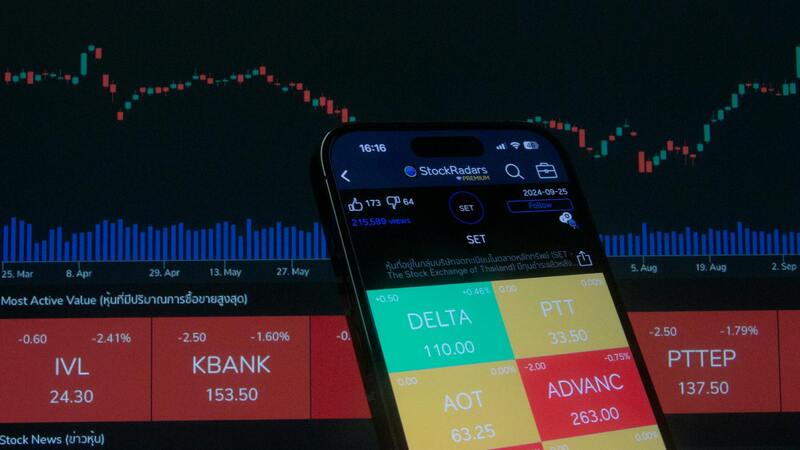
Furthermore, data-driven decision-making is central to modern prop trading. Firms collect and analyze vast datasets—from historical market data to real-time news feeds—allowing traders to identify patterns, refine strategies, and capitalize on emerging opportunities with greater accuracy. The integration of these technological innovations continuously shapes the landscape of proprietary trading, fostering a highly competitive and dynamic industry environment.
