
Overview of Prop Trading Firms for Futures Markets
Proprietary trading firms, often referred to as prop firms, play a pivotal role in the landscape of futures trading. These entities are distinct from traditional brokerage services or institutional investors, as they allocate their own capital to develop trading strategies across various markets, including commodities, indices, and currencies. By doing so, prop firms create a unique environment where skilled traders can leverage substantial resources to implement their trading ideas without the limitations often faced by individual investors.
In futures markets, prop firms provide traders with access to significant leverage and advanced trading infrastructure. Unlike retail traders, who typically trade with personal funds and may be subject to strict capital constraints, prop traders operate within a framework designed to optimize both profitability and risk control. This setup allows for a dynamic trading atmosphere supported by data-driven decision-making and professional risk management protocols.

The core distinction between prop firms and other trading entities lies in their operational model. While hedge funds or institutional investors manage external client capital, prop firms focus exclusively on their own funds, emphasizing the development of internal talent and scalable trading strategies. This focus often leads to specialized training programs and evaluation processes aimed at nurturing traders with strong market intuition and disciplined execution.
Furthermore, trading futures through a prop firm offers traders access to sophisticated tools, extensive market data, and dedicated support systems. The collaborative environment fosters continuous learning and adaptation—key factors that contribute to success in the highly volatile futures markets. As a result, futures prop firms serve as essential gateways for professional traders seeking to maximize their trading potential while benefiting from an infrastructure designed specifically for high-performance futures trading.
Overall, the strategic role of futures prop firms encompasses not only providing capital and resources but also cultivating a disciplined trading culture focused on consistent performance. This dual mission helps traders excel in a competitive landscape while enabling firms to maintain robust risk management practices and sustainable growth strategies.
How Futures Prop Firms Operate
Futures proprietary trading firms operate through a carefully structured framework designed to optimize trading performance while safeguarding their capital. Unlike traditional trading organizations that handle client assets, these firms allocate their own funds to trading activities, emphasizing skill development, strategic positioning, and risk control.
At the core of their operation is the provision of substantial trading capital to selected traders who demonstrate proficiency and disciplined methodology. Typically, traders are either hired directly or participate in evaluation programs that assess their capacity to generate consistent profits under real market conditions. Once traders are approved, they gain access to a dedicated trading environment equipped with advanced hardware, trading platforms, and professional data feeds tailored for futures markets.
The execution process within futures prop firms is designed to be highly efficient. Traders execute orders through electronic platforms that connect directly to futures exchanges, minimizing latency and maximizing execution speed. These platforms often include real-time analysis tools, algorithmic trading support, and risk monitoring features to ensure compliance with firm-wide trading rules.
Funding structures differ among firms but generally involve an initial evaluation phase followed by a funded trading stage, where traders are either granted a trading account with a predetermined capital allocation or operate under profit-sharing arrangements. The firm’s capital is thus actively employed in the markets, with traders acting as the firm's representatives, making decisive, well-informed trades based on their market expertise.
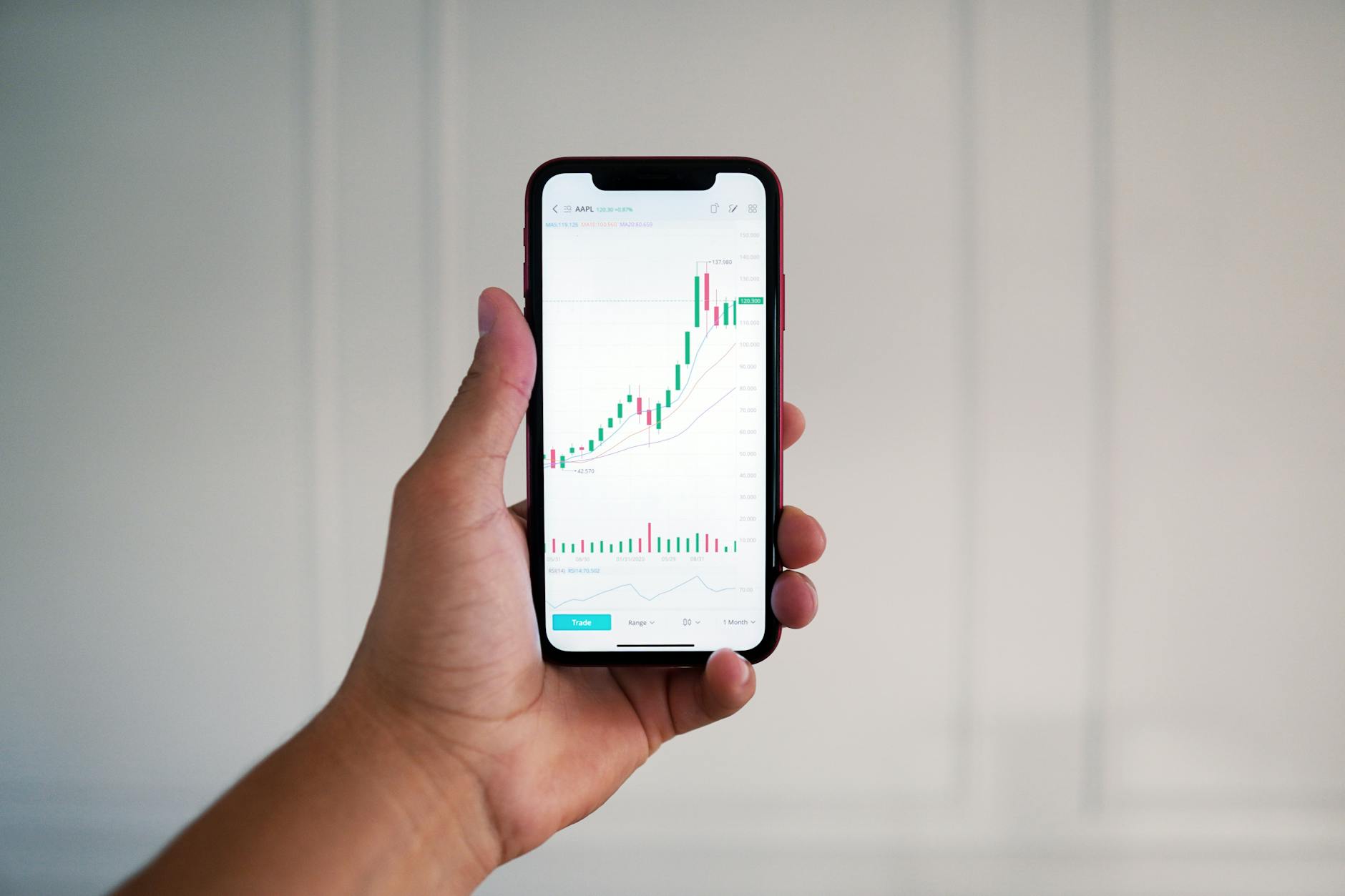
This operational model allows prop firms to cultivate high-skilled traders who can navigate the complexities of futures markets effectively. It also ensures that risk is closely managed through stringent trading rules, real-time oversight, and continuous performance evaluations, all crucial for maintaining profitability and stability in volatile markets.
Trader Selection and Evaluation Processes
Successful futures prop firms rely on comprehensive selection procedures that identify individuals capable of thriving in fast-paced, high-stakes trading environments. These evaluation programs often include multiple testing phases, where aspiring traders demonstrate their technical skills, market understanding, and psychological resilience.
The initial phase may involve simulated trading to assess decision-making under pressure, followed by live trading with limited capital. Throughout this process, the firm monitors performance metrics such as risk management discipline, consistency, and adaptability to changing market conditions. Only traders who meet or exceed established benchmarks are offered the opportunity to trade with the firm's capital.
Additionally, ongoing evaluation continues once traders are active, with regular reviews of their trading statistics, adherence to firm's risk parameters, and overall growth potential. This continuous monitoring helps identify top performers and provides targeted training or intervention where necessary, ensuring that the firm's trading pool remains competitive and disciplined.
Profit Sharing, Compensation, and Incentives
Futures prop firms typically adopt profit-sharing models that reward traders based on their trading performance. Compensation structures can vary but often include a base salary or stipend during evaluation phases, transitioning to a larger proportion of profits once traders are fully funded.
Incentive plans are designed to motivate traders to maximize profitability while maintaining risk control. Many firms implement tiered profit splits, offering higher percentages of gains to traders who demonstrate consistent performance over time. Bonuses and additional incentives may be awarded for surpassing benchmarks or achieving exceptional trading results.
This approach aligns the interests of the traders with the firm's objectives, encouraging disciplined, profitable trading behaviors and ensuring sustainable growth for both parties.
Risk Management and Trading Rules
Risk management is a cornerstone of futures prop trading operations. Firms enforce strict trading rules, including daily loss limits, position size restrictions, and overall risk exposure caps. These measures prevent traders from taking excessive risks that could jeopardize the firm's capital.
Traders are required to adhere to predefined risk parameters, monitored in real-time via sophisticated risk management software. Any breach typically triggers immediate alerts or trading halts, allowing risk managers to intervene or review the trader's activity.
Additionally, firms often impose specific trading hours, prohibit certain order types, and establish mandatory breaks to ensure mental discipline and prevent emotional trading decisions. This structured approach helps maintain a stable trading environment, reduce catastrophic losses, and promote consistent performance across the trading team.
Benefits and Challenges of Trading Futures with Prop Firms
Engaging with futures prop firms offers several advantages. Traders gain access to substantial capital, cutting-edge technology, and a supportive environment aimed at professional growth. The infrastructure provides opportunities for high leverage, detailed market analytics, and rapid execution, all critical for success in futures markets.
On the other hand, traders must navigate challenging performance expectations and adhere strictly to risk management protocols. The evaluation process can be rigorous, and ongoing performance scrutiny demands discipline and consistency. Furthermore, profit-sharing arrangements require traders to balance risk-taking with the firm's risk appetite, which can limit overly aggressive trading strategies.
Choosing the Right Futures Prop Firm
Selecting an appropriate prop trading firm involves assessing factors such as the firm's reputation, trading rules, profit-sharing models, and infrastructure quality. It's crucial to consider the firm's support systems, training programs, and the transparency of their evaluation and funding processes. A firm aligned with a trader’s skill level and trading style facilitates better growth and sustainable profitability in the futures markets.
Trader Selection and Evaluation Processes
Prospective traders looking to engage with futures prop firms must undergo a comprehensive evaluation process designed to assess their trading capabilities, discipline, and overall fit for the firm’s trading environment. These evaluation procedures are typically structured around rigorous testing phases that include simulated trading accounts, real-time trading assessments, or a combination of both.
The primary goal of these assessments is to gauge the trader’s ability to manage risk effectively, maintain consistency in execution, and demonstrate a solid understanding of futures markets. During testing, traders are judged not only on their profitability but also on their adherence to predefined trading rules, such as position sizing, stop-loss placement, and profit targets. These criteria ensure the firm maintains a disciplined trading culture and minimizes exposure to excessive risk.
Onboarding procedures often involve detailed interviews, review of trading strategies, and verification of trading experience. Traders may be required to submit history reports or trading records to showcase their performance history and consistency over time. Additionally, some firms utilize evaluation accounts with limited capital to monitor traders’ performance in a controlled environment before granting access to full funding. This process helps assess the trader’s ability to perform under real-market conditions while maintaining risk management protocols.
Success in these evaluations generally leads to a probationary period where traders work under close supervision, adhering to strict trading rules designed to align individual performance with the firm’s risk management standards. During this phase, ongoing performance metrics are analyzed, and traders are provided with feedback and coaching to refine their skills further. Only after demonstrating consistent results and compliance with trading standards are traders typically granted access to the firm’s capital to conduct live trading activities across futures markets.
Profit Sharing, Compensation, and Incentives
One of the primary motivations for traders engaging with futures prop firms is the structure of profit sharing and compensation. These firms typically operate on models designed to align the interests of the trader and the firm, fostering a mutually beneficial environment. Revenue splits can vary, but common arrangements include a percentage of profits allocated to the trader, often ranging from 70% to 80%, with the remaining portion retained by the firm to cover operational costs and risk management expenses.
Payout structures are usually monthly, contingent upon the trader’s net profits. Some firms offer immediate payout options once profit targets are met, while others may implement minimum performance periods before disbursing earnings. Incentive programs are integral to this setup, encouraging traders to maximize their performance. These may include performance bonuses for hitting specific profit milestones, consistent trading over designated periods, or adhering to disciplined risk management protocols.

Effective incentive frameworks foster disciplined trading habits, promote risk-aware behavior, and enhance overall profitability for both parties. When a trader demonstrates consistent performance and strategic execution, they often become eligible for higher profit splits or additional capital allocations, further incentivizing sustained success.
Risk Management and Trading Rules
Risk control is a fundamental aspect of futures prop trading. Firms establish comprehensive trading rules to safeguard their capital and maintain market stability. These rules encompass position sizing limits, daily loss caps, and specific protocols for executing stop-loss orders. Traders are required to strictly adhere to these guidelines, which function as safeguards against impulsive decisions and excessive risk exposure.
Firms utilize various tools and protocols to monitor trading activity in real-time, ensuring compliance with established standards. Many require traders to maintain detailed logs of their trades, including entry and exit points, rationale, and risk parameters. Continuous oversight helps identify deviations from expected trading behavior early, enabling corrective action before substantial losses occur.
In addition to automated controls, traders are often subject to periodic reviews and audits. These assessments evaluate adherence to trading rules, risk management practices, and overall performance consistency. Traders who violate protocols may face penalties, including the suspension of trading privileges or termination of their engagement with the firm. This strict adherence to risk management practices ensures that trading activities remain disciplined and aligned with the firm's risk appetite.

Implementing rigorous risk management standards minimizes potential losses and preserves trading capital, enabling sustained profitability and operational stability within futures markets. It also encourages traders to develop strategic, disciplined approaches that prioritize long-term success over short-term gains.
Risk Management and Trading Rules
Within futures prop firms, establishing stringent risk management protocols is fundamental to safeguarding both the firm's capital and traders' careers. These rules are designed to maintain disciplined trading practices and ensure consistent adherence to the firm's strategic objectives. Risk controls typically include predefined trading limits, such as maximum daily loss thresholds, position size restrictions, and leverage caps, which are meticulously monitored through advanced trading platforms. This prevents traders from taking on excessive risk that could jeopardize the firm's financial stability.
Compliance with these trading rules is non-negotiable, with firms often deploying automated systems that flag breaches in real-time. For example, if a trader approaches their maximum allowable loss for the day, trading activity is automatically halted until further review or the reset period. These measures foster a controlled trading environment where risk exposure is continuously managed and deviations are swiftly addressed.

Beyond automated controls, manual oversight plays a critical role. Regular audits and performance reviews enable compliance teams to scrutinize trading behavior, validate adherence to risk protocols, and identify potential vulnerabilities. Traders found to repeatedly violate risk policies may face disciplinary actions, including restrictions or termination, emphasizing the importance of disciplined trading in maintaining firm integrity.
Benefits and Challenges of Trading Futures with Prop Firms
Engaging with futures prop firms offers numerous advantages, such as access to professional-grade trading infrastructure, comprehensive risk management systems, and mentorship from experienced traders. These platforms often allow traders to leverage capital without risking their own funds directly, enabling them to focus on strategy development and execution. Additionally, profit-sharing models can provide significant financial incentives aligned with performance, creating a motivating environment for growth and skill enhancement.
However, these opportunities are accompanied by inherent challenges. Strict compliance requirements and risk controls demand a high level of discipline and consistency, which may be demanding for new traders. The competitive nature of prop trading environments also necessitates continuous learning, adaptability, and emotional resilience to navigate fluctuating markets. Traders who fail to adhere to established protocols risk penalties, including suspension or dismissal, underscoring the importance of maintaining discipline and professionalism.
Choosing the Right Futures Prop Firm
When selecting a futures prop firm, traders should prioritize transparency and a solid reputation for operational integrity. It is crucial to evaluate the firm's risk management protocols, profit-sharing arrangements, and support infrastructure. Comparing fee structures and trading conditions, such as leverage limits and platform reliability, can also influence the decision. Compatibility with a trader's style and strategic approach is essential to foster long-term success.

Strong due diligence helps identify firms that offer comprehensive training, clear trading rules, and fair profit distribution policies. Additionally, understanding the firm’s approach to risk management and their enforcement mechanisms is vital. Engaging with existing traders through forums or testimonials can provide insights into the firm's day-to-day operations and culture. Ultimately, the right prop firm should align with a trader’s objectives, risk appetite, and professional development goals, fostering a conducive environment for steady growth and consistent profitability.
Profit Sharing, Compensation, and Incentives
In the realm of futures trading through proprietary firms, understanding the intricacies of profit sharing and compensation structures is crucial for traders aiming to maximize their earning potential. These firms often adopt transparent models that align the trader’s success with the company's growth, creating a mutually beneficial environment. Typically, profit sharing is based on a predefined percentage split, which can vary significantly depending on the firm's policies, the trader’s experience, and their trading performance history.
Common models include fixed revenue splits, where traders receive a set percentage of profits generated, and tiered systems that reward higher performance with increased profit shares. Some firms incorporate performance bonuses or additional incentives for hitting specific targets, encouraging disciplined trading and consistency. It's essential for traders to review and understand these structures thoroughly before committing, ensuring the potential reward aligns with their trading style and risk management strategies.

Beyond profit shares, many futures prop firms offer comprehensive compensation packages that include base stipends, trading bonuses, and benefits such as health insurance, training programs, and access to advanced trading tools. These benefits can enhance a trader’s professional growth and provide additional motivation to refine their strategies continually. Incentive schemes also often include risk-free trial periods, where traders can demonstrate their skills without risking personal capital, fostering a supportive environment for newcomers and experienced traders alike.
Risk Management and Trading Rules
Risk management stands at the core of successful futures trading within prop firms. Given the substantial leverage involved in futures markets, firms enforce strict trading rules designed to protect both the institution and the trader from excessive losses. Commonly, these include position size limits, daily loss restrictions, and specific trading hours to ensure disciplined market participation.
For example, firms may set maximum daily loss thresholds that, when reached, automatically halt trading for the day to prevent emotional decision-making and mitigate potential damage. They may also require traders to adhere to predefined stop-loss and take-profit levels, promoting consistent risk management practices. Such protocols are vital for maintaining the firm’s capital integrity while fostering a disciplined trading environment.

Adherence to these rules can influence a trader’s ongoing status within the firm, as violations may lead to account restrictions or termination. Therefore, understanding and integrating these trading rules into daily strategies are imperative. Regular training sessions and compliance monitoring are also standard measures used by firms to ensure traders maintain professionalism and discipline. This systematic approach to risk and rule enforcement helps ensure sustainability and long-term growth in futures trading careers.
Profit Sharing, Compensation, and Incentives
In futures proprietary trading firms, compensation structures are designed to motivate traders while aligning their interests with the company's objectives. Traders typically earn a percentage of the profits they generate, which can vary depending on the firm’s policy and the trader’s experience level. Commonly, profit splits range from 50% to 80%, with seasoned traders often securing higher percentages due to their proven track records and trading skills.
Some firms implement tiered bonus systems that reward traders for exceeding certain profit targets or maintaining consistent profitability over a defined period. These incentives not only encourage professional growth but also foster a competitive environment where traders are motivated to optimize their strategies continually.
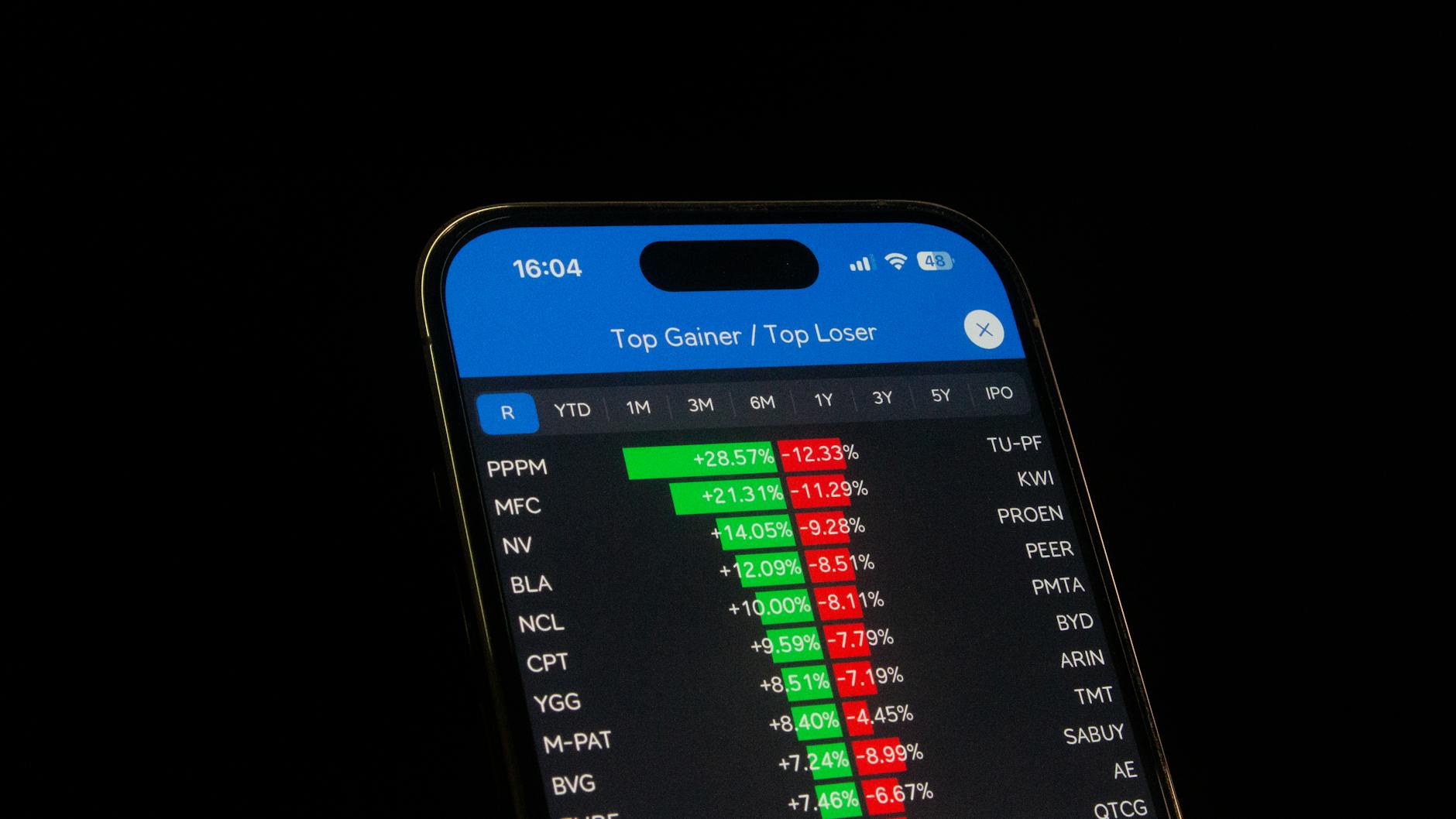
Beyond profit-sharing, firms may offer additional compensation forms, such as performance bonuses, access to advanced trading tools, or educational resources. These benefits serve to enhance a trader's capabilities and promote a high level of professionalism.
It is vital for traders to understand the specifics of their compensation structure before committing to a firm. Clarity on payout timelines, withdrawal procedures, and performance evaluation criteria helps ensure transparency and fair treatment. Additionally, some firms provide structured career progression paths, allowing traders to move from junior to senior levels based on consistent performance and skill development.
Risk Management and Trading Rules
Futures trading within prop firms operates under strict risk management protocols aimed at safeguarding both the trader and the firm’s capital. These protocols encompass specific rules regarding trade size, acceptable trading hours, daily loss limits, and position management strategies. For example, a trader might be restricted from risking more than a certain percentage of their account on any single trade or cumulatively per day.
Adherence to these protocols is enforced through automated trading restrictions and regular monitoring, preventing impulsive decisions that could jeopardize the firm's financial stability. Violations often result in punitive measures such as account suspension or termination, emphasizing the importance of disciplined trading practices.
Firms also establish rules about reporting and transparency, requiring traders to log their trades and provide detailed analyses of their strategies. This oversight ensures that traders operate within a consistent framework, fostering professionalism and accountability.
Choosing the Right Futures Prop Firm
Selecting an appropriate futures prop firm involves a comprehensive evaluation of several factors. Reputation and credibility in the industry are paramount, as they reflect the firm’s adherence to ethical standards and operational transparency. Carefully review the firm’s track record, trader feedback, and testimonials to gain insights into their reliability.
Trading conditions, including leverage options, fee structures, and platform features, should align with your trading style and objectives. Firms that offer flexible trading hours, advanced analytical tools, and comprehensive support services can significantly enhance the trading experience.
Support services such as mentorship programs, educational resources, and dedicated account managers provide additional value. Moreover, understanding the firm’s policies on capital allocation, profit-sharing, and withdrawal procedures is crucial for ensuring a smooth and profitable trading journey.

Legal and Regulatory Considerations
Operational integrity and adherence to established standards are fundamental in the realm of futures prop trading. Firms that specialize in futures markets maintain comprehensive compliance frameworks to ensure their practices align with industry standards and regulatory expectations. These frameworks include rigorous licensing procedures, transparent disclosure of trading policies, and systematic oversight to promote sound trading environments.
Futures prop firms often operate under the regulatory licenses issued by recognized financial authorities. Such licensing signifies that the firm is committed to adhering to strict rules regarding participant protection, risk management, and operational transparency. Traders should verify the licensing details of a prospective firm to understand the scope of regulation it falls under, ensuring the firm's operations align with best practices in the financial industry.
Additionally, firms are required to implement internal compliance measures, which include regular audits, adherence to anti-fraud policies, and responsible trading protocols. These measures help maintain market integrity and protect traders from unethical practices. Some firms also participate in industry registries or associations, which foster a collective emphasis on operational standards and continuing education on evolving regulatory landscapes.

Documentation and transparency form the backbone of trustworthy operations. Requiring traders to provide detailed trading logs, strategy disclosures, and compliance attestations not only aids in internal oversight but also reassures traders that their activities are monitored within a transparent framework. These practices also facilitate audits and reviews that help identify and mitigate any potential policy violations.
Moreover, significant emphasis is placed on data security and confidentiality. Prop firms handling sensitive trader data implement advanced cybersecurity measures to prevent unauthorized access and potential breaches. This focus on safeguarding personal and financial information upholds the trustworthiness of the trading environment and aligns with the industry's commitment to high standards of data integrity.
Ultimately, engaging with a futures prop firm that prioritizes legal and regulatory compliance provides a structured, transparent, and secure environment conducive to disciplined and effective trading. For traders, understanding the importance of licensed and compliant firms is integral to a sustainable trading career and consistent portfolio growth.
