
Overview of Proprietary Trading in Singapore
Proprietary trading, commonly known as prop trading, involves financial firms or individual traders utilizing their own capital to execute trades across various asset classes, including equities, derivatives, currencies, and commodities. The primary goal of prop trading is to generate profits through strategic market speculation, leveraging advanced trading algorithms, technical analysis, and market insight.
Singapore has established itself as a strategic hub for proprietary trading due to its robust financial infrastructure, favorable regulatory environment, and access to diverse markets across Asia and beyond. The city-state’s strategic geographic location allows traders to capitalize on emerging opportunities in rapidly developing markets while maintaining seamless connectivity with global financial centers.
Prop trading firms in Singapore often operate under rigorous compliance standards and benefit from the country’s effective legal framework, which promotes a transparent and stable trading environment. The supportive regulatory landscape combined with a highly sophisticated financial infrastructure makes Singapore an attractive destination for both established firms and new entrants seeking to expand their proprietary trading activities.

Furthermore, Singapore provides access to a diverse and wealthy investor base, alongside a well-developed ecosystem of financial institutions, hedge funds, and tech-driven trading startups. The country’s strategic focus on financial innovation and technology fosters a conducive environment for high-frequency trading, quantitative strategies, and algorithmic trading, which are integral to modern proprietary trading approaches.
As the global financial landscape evolves, Singapore’s reputation as a premier hub for proprietary trading continues to grow, driven by its attractive combination of regulatory clarity, technological advancement, and strategic positioning within Asia’s economic framework.
Regulatory Framework for Prop Trading in Singapore
Singapore’s proprietary trading landscape is governed by a comprehensive set of regulations designed to uphold market integrity, transparency, and investor confidence. The Monetary Authority of Singapore (MAS) oversees all financial activities, including those conducted by prop trading firms. Firms engaging in proprietary trading must adhere to specific licensing standards that demonstrate their financial stability, operational soundness, and risk management capabilities.
To operate legally, prop trading companies typically seek a Capital Markets Services Licence (CMSL), which covers a range of activities related to trading securities, derivatives, or both. This licensing process involves rigorous assessments of the firm’s organizational structure, internal controls, anti-money laundering procedures, and compliance frameworks. The licensing requirements aim to ensure that firms maintain proper governance and adhere to best practices in risk mitigation.
In addition to licensing, firms are subject to ongoing regulatory reporting and audit obligations. They must implement robust internal controls to monitor trading activities, prevent market manipulations, and detect suspicious transactions. The MAS also emphasizes cyber security, operational resilience, and customer protection, even for firms operating solely for proprietary purposes.
Furthermore, Singapore’s legal framework provides clarity on matters such as enforceability of contracts, dispute resolution mechanisms, and international cooperation on cross-border regulatory issues. This helps create a secure environment where proprietary trading operations can thrive with high confidence in legal protections and adherence to international standards.
Overall, the regulatory environment in Singapore is designed to facilitate innovation and growth in proprietary trading while maintaining market stability and integrity. Firms that prioritize compliance, transparency, and risk management find Singapore an ideal hub to expand their high-stakes trading activities in a well-structured and predictable legal setting.
Types of Proprietary Trading Firms in Singapore
Singapore hosts a diverse range of proprietary trading organizations, each structured to suit specific trading strategies, client focus, and operational goals. Understanding the various models helps aspiring traders and firms identify the most suitable approach for their trading activities and growth plans.
Independent Proprietary Trading Boutiques
These firms typically operate with a focused team of traders who are specialists in particular asset classes or markets. Independent boutiques often prioritize agility and specialization, allowing traders to implement niche strategies with minimal bureaucratic overhead. Such firms may operate with a lean organizational structure, emphasizing proficient risk management and sophisticated trading algorithms. Their independence enables quick decision-making and adaptation to market dynamics, making them well-suited for traders who value flexibility and entrepreneurial control.
Large Multi-Purpose Trading Organizations
Contrasting with smaller boutiques, larger firms in Singapore often encompass a broad spectrum of trading activities across various asset classes, including equities, derivatives, commodities, and foreign exchange. These organizations typically have extensive infrastructure, including advanced trading platforms, research departments, and risk management systems. They may serve multiple stakeholders, including institutional clients, and operate within a comprehensive corporate framework that aligns with complex compliance requirements.
Hybrid and Specialized Models
Some prop trading entities adopt a hybrid model, combining elements of boutique agility with the scale and resources of larger firms. Others focus on highly specialized strategies, such as quantitative trading, high-frequency trading (HFT), or event-driven strategies. These firms leverage cutting-edge technology and data analytics to gain competitive advantages. Their operational focus is often on exploiting statistical inefficiencies and implementing algorithm-driven trades in a high-speed environment.

Each type of firm plays a vital role in Singapore's proprietary trading ecosystem, contributing to its reputation as a hub for innovative and sophisticated trading operations. Whether small boutique firms or large institutional players, these organizations benefit from Singapore’s robust regulatory environment, advanced infrastructure, and strategic location within Asia. Such diversity fuels healthy competition and widespread adoption of advanced trading technologies and strategies.
Integration with Broader Financial Services
Many proprietary trading firms in Singapore also operate in synergy with other financial services, including asset management, hedge funds, and investment banking. This integration allows for diversified revenue streams and enhances risk diversification. Moreover, firms often collaborate with financial technology providers to develop or deploy innovative trading tools, further strengthening their market positions.

Types of Proprietary Trading Firms in Singapore
Singapore hosts a diverse array of proprietary trading establishments, each specializing in different trading methodologies and operational models. The landscape includes boutique firms, hedge funds, quantitative trading companies, and high-frequency trading firms, all of which leverage Singapore's strategic advantages to optimize their trading capabilities.

Boutique Proprietary Trading Firms
These smaller-scale firms often focus on niche markets or specific asset classes. They typically operate with a lean organizational structure, allowing for quick decision-making and agility. Boutique firms tend to excel in specialized strategies, such as discretionary trading, arbitrage, or options trading, and may employ a combination of quantitative analysis and trader intuition.
Quantitative and Algorithmic Trading Companies
Leveraging advanced data analytics, machine learning, and algorithmic systems, these firms develop models to identify trading opportunities at high speed. They often utilize extensive computing infrastructure to execute trades within fractions of a second, capitalizing on statistical inefficiencies across global markets.
High-Frequency Trading (HFT) Firms
HFT firms in Singapore operate in a high-speed environment, requiring sophisticated technological setups for ultra-low latency trading. They execute thousands of trades per second, aiming to profit from minute price discrepancies. Their success depends heavily on proximity to data centers, cutting-edge hardware, and real-time data feeds.
Institutional Proprietary Trading Entities
Large financial institutions, including banks or dedicated trading divisions, also participate in proprietary trading activities. These entities often have deeper pools of capital and broader operational scopes. They may engage in complex strategies such as market making, liquidity provision, and event-driven trading, contributing significantly to liquidity and market efficiency within Singapore's financial markets.
Integration with Broader Financial Services
Many of these firms operate synergistically with other sectors of the financial industry, including asset management, investment banking, and hedge funds. Such integration promotes diversified revenue streams and risk management approaches. Partnering with financial technology providers enhances their technological edge, enabling the development and deployment of innovative trading algorithms and tools.
This ecosystem of diverse firm types fosters a competitive environment that encourages technological advancement and strategic innovation, bolstering Singapore’s reputation as a leading hub for proprietary trading operations across Asia and beyond.
Funding, Capital, and Infrastructure for Prop Traders
Successful proprietary trading operations in Singapore rely heavily on adequate funding and robust technological infrastructure. Capital requirements vary depending on the trading strategies employed, the asset classes targeted, and the scale of operations. Typically, firms investing in high-frequency trading or algorithmic strategies need substantial initial capital to support the necessary trading algorithms, data feeds, and infrastructure costs.
Sources of funding can include proprietary capital allocations from the firm itself, external investments, or partnerships with institutional investors who seek exposure to the fast-paced world of prop trading. Maintaining a reserve of liquid assets ensures firms can manage risk exposures effectively and capitalize on trading opportunities without disruptions.

Technological infrastructure is critically important, as it enables traders to execute strategies with minimal latency and maximum accuracy. This encompasses a range of hardware components such as high-performance servers, low-latency data feeds, and proximity hosting near major exchanges. Many firms invest in colocated data centers within Singapore’s financial district, allowing direct access to major trading venues and data sources.
In addition to hardware, sophisticated software systems, including advanced trading algorithms, risk management software, and real-time analytics platforms, are vital for competitive edge. Secure communication channels and reliable backup systems further ensure operational integrity during periods of market volatility or technological disruptions.
Staffing also plays a crucial role; firms need skilled quantitative analysts, software developers, and risk managers. Continuous investment in human capital and technology helps sustain edge in Singapore’s competitive prop trading environment.
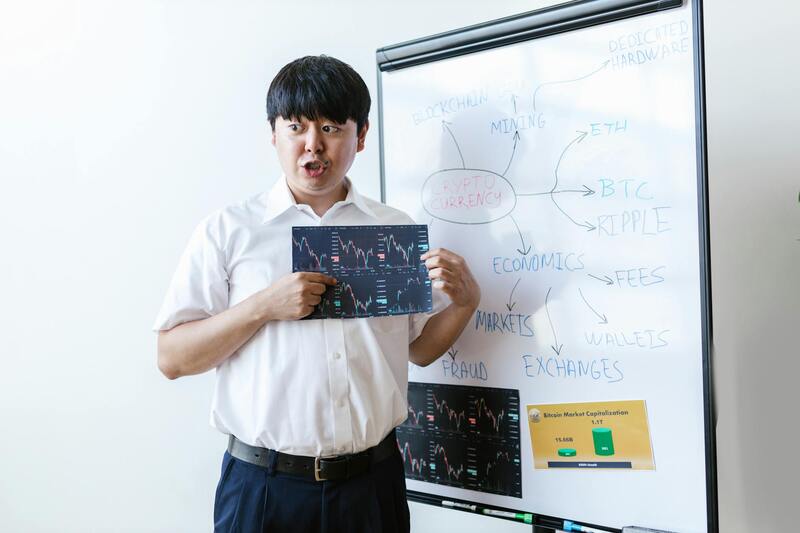
Overall, the combination of strategic capital allocation and cutting-edge technological infrastructure facilitates seamless execution of complex trading strategies, enabling firms to compete effectively in Singapore’s dynamic financial markets and capitalize on emerging opportunities across diverse asset classes.
Funding, Capital, and Infrastructure for Prop Traders in Singapore
Proprietary trading firms in Singapore understand that robust funding and advanced infrastructure form the backbone of successful trading operations. The availability of substantial capital allows firms to access diverse asset classes, implement complex trading algorithms, and sustain competitive positions in rapidly changing markets.
Initial capital requirements vary depending on the firm's size, target markets, and trading strategies. Established firms often allocate millions of Singapore dollars to create a buffer against market volatility and to seize lucrative trading opportunities. This financial strength also enables investment in cutting-edge technology and highly skilled personnel, further enhancing operational capabilities.
Infrastructure plays a pivotal role in prop trading success. Firms typically establish sophisticated trading environments equipped with high-performance hardware, ultra-low latency data feeds, and secure, colocated data centers within Singapore’s financial hubs. These data centers are strategically located near the major exchanges, such as the Singapore Exchange (SGX), to facilitate rapid order execution and data processing, minimizing latency and enhancing trading accuracy.
Integrating advanced software solutions forms another critical aspect of this infrastructure. These include algorithmic trading platforms, real-time analytics tools, and comprehensive risk management systems. The seamless interaction between hardware and software ensures that traders have immediate access to market data, enabling swift decision-making and execution of strategies.

Secure communication channels, resilient backup systems, and disaster recovery plans are essential components that bolster operational stability amid market volatility or unforeseen disruptions. Many firms also invest heavily in cybersecurity measures to protect sensitive data and trading algorithms from cyber threats.
Furthermore, recruiting and retaining skilled professionals—quantitative analysts, software developers, and risk managers—is crucial. Continuous training, competitive compensation packages, and participation in Singapore’s vibrant financial community contribute to attracting top talent. These human assets, combined with technological assets, create a resilient ecosystem that sustains trading edge in the competitive Singaporean environment.
Overall, the strategic integration of substantial financial resources, state-of-the-art infrastructure, and expert personnel forms the foundation of a thriving proprietary trading operation in Singapore. This comprehensive approach enables firms to execute complex strategies efficiently, capitalize on market opportunities, and maintain resilience in the face of market fluctuations.

Key Methods for Funding and Capital Deployment in Singapore Proprietary Trading
For proprietary trading firms operating within Singapore's dynamic financial landscape, securing adequate funding and deploying capital effectively are critical components of sustained success. Unlike retail trading, which often relies on personal funds or external investors, Singapore-based prop trading firms typically utilize a combination of internal capital resources, strategic partnerships, and innovative financing arrangements to support their trading activities. These methods ensure that traders have the necessary liquidity to execute complex strategies, scale operations, and respond swiftly to market opportunities without undue constraints.
One primary approach involves leveraging the firm's own capital reserves, accumulated through operational profits, to fund trading desks. Employing disciplined capital management strategies allows firms to allocate resources efficiently across different asset classes and trading strategies, balancing risk and return. Additionally, some firms establish credit facilities with financial institutions, which provide short-term liquidity to optimize trading strategies during volatile periods or market downturns.
Alternative funding channels are also gaining prominence. For example, strategic partnerships with institutional investors or venture capital firms can supplement internal capital, especially for firms looking to expand rapidly or invest in cutting-edge technology. Such collaborations often include agreements that allow proprietary traders access to larger pools of capital, enhancing their ability to execute high-volume trades and diversify strategies.
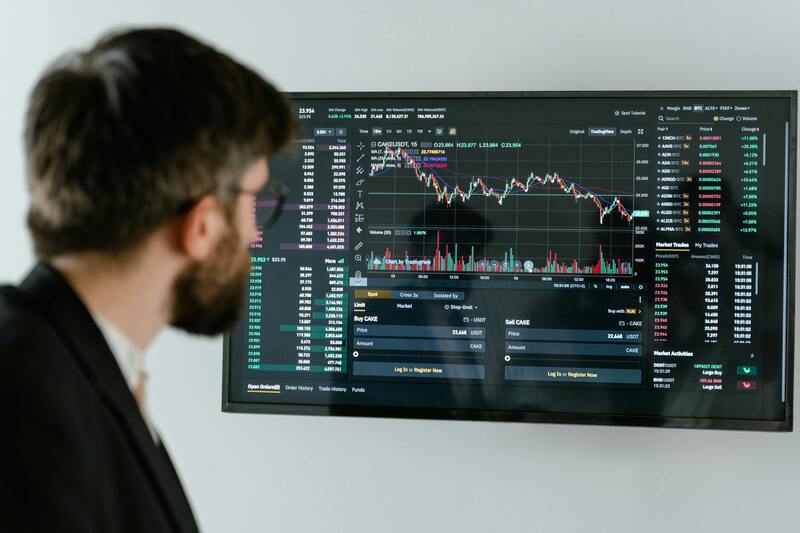
Furthermore, many proprietary trading firms leverage the sophisticated infrastructure available in Singapore, including advanced trading platforms, high-speed connectivity, and resilient data centers, to maximize capital efficiency. These technological investments ensure that traders can capitalize on fleeting market opportunities with minimal latencies and optimal order execution.
In addition to technological capital, operational planning and risk management play crucial roles. Firms often implement comprehensive position sizing, stop-loss mechanisms, and real-time risk dashboards to monitor capital utilization continuously. This disciplined approach helps prevent overexposure on any single trade and sustains long-term profitability.
Another innovative method involves using proprietary trading tokens or digital assets, which align with Singapore's growing role as a blockchain and fintech hub. These digital solutions can provide flexible capital arrangements and facilitate quicker funding cycles, although their adoption remains within strictly regulated frameworks.
Overall, effective funding and capital deployment in Singapore's proprietary trading sector hinge on a blend of internal reserves, strategic external partnerships, technological infrastructure, and rigorous risk management. This comprehensive approach enables firms to remain agile, optimize trading strategies, and sustain competitive advantage in a fast-paced financial environment.
Key Methods for Engaging in Proprietary Trading in Singapore
Engaging in proprietary trading within Singapore requires a strategic approach that adheres to established regulatory and operational standards. To ensure sustainable and compliant trading practices, traders and firms focus on authentic, proven methods for capital deployment and market participation.
Utilizing Official Capital Sources and Funding Channels
One fundamental aspect of proprietary trading in Singapore is leveraging legitimate capital sources. Many traders establish partnerships with institutional investors or high-net-worth individuals looking to allocate capital into well-structured trading strategies. These arrangements often involve formal agreements, transparency, and ongoing performance reporting to maintain trust and operational integrity.
Additionally, proprietary trading firms frequently utilize their own reserve capital, accumulated through prudent financial management and operational profitability. By maintaining transparent financial records, these firms can secure additional funding or credit lines from banking institutions or financial service providers operating in Singapore. This method ensures they have adequate liquidity to sustain trading activities and to scale strategies effectively.
Engaging in Accredited Trading Platforms and Ecosystems
Trade execution in Singapore is primarily conducted through reputable, licensed trading platforms that meet regulatory standards and maintain high levels of cyber security. Traders rely on platforms supported by major international or local financial institutions, which offer access to global markets across equities, derivatives, forex, and commodities.
Participation in structured trading ecosystems also involves adherence to official clearinghouses and settlement protocols, ensuring operations are seamless and compliant with financial laws. These established channels facilitate transparent order execution, settlement, and record-keeping, forming a solid foundation for consistent profitability and risk mitigation.
Implementing Transparent and Documented Trading Strategies
Adherence to well-documented trading strategies is paramount. Successful proprietary traders in Singapore develop detailed trading plans, incorporating market analysis, risk parameters, and exit strategies. These strategies are regularly reviewed and adjusted based on market conditions and trade performance.
Employing advanced trading analytics tools allows traders to validate their approaches, conduct back-testing, and optimize entry and exit points. Such disciplined methodology fosters sustainable trading practices, aligning with the high standards of Singapore’s trading environment.
Risk Management and Compliance Practices
Ensuring risk is managed with precision is essential for proprietary trading firms. This involves setting strict position limits, using stop-loss orders, and employing real-time risk monitoring dashboards. Firms also implement comprehensive compliance checks to ensure all trading activities conform to specific rules concerning market conduct, reporting, and anti-money laundering measures.

Conclusion
Engaging in genuine proprietary trading activities in Singapore hinges on utilizing authorized funding channels, participating through recognized trading platforms, and adhering to rigorous operational standards. These practices not only promote transparency and integrity but also enhance the ability to capitalize on the dynamic opportunities within Singapore’s sophisticated financial markets.
