What Is Prop Tech? An In-Depth Overview
Prop tech, short for property technology, has become a transformative force across various sectors, including proprietary trading firms. Although initially associated with real estate, the term has evolved to encompass a broad spectrum of innovative digital solutions that enhance operational efficiency, data analysis, and strategic decision-making within trading environments. As trading firms increasingly adopt advanced technologies, understanding the scope and applications of prop tech becomes crucial for sustaining competitive advantage in dynamic markets.
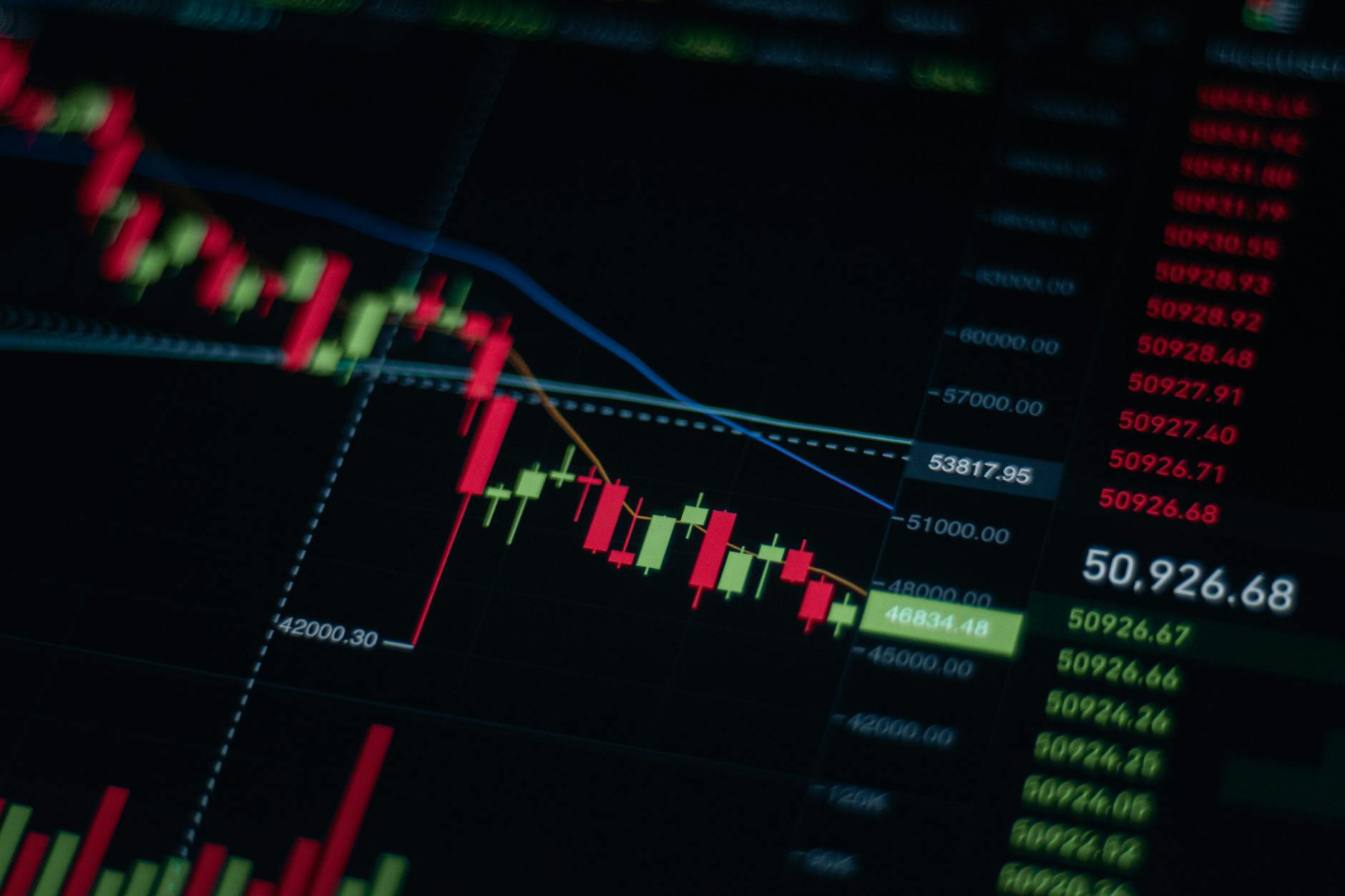
Definition and Scope of Prop Tech
Prop tech refers to a diverse set of technological tools, platforms, and systems designed to optimize various aspects of property and asset management, investment, and operations. In the context of proprietary trading firms, prop tech primarily focuses on leveraging data analytics, automation, and machine learning to enhance trading strategies, monitor market conditions, and improve risk management processes.
These technologies include advanced trading algorithms, real-time data feeds, predictive analytics, and digital platforms for asset management. The core purpose of prop tech in trading is to enable firms to process large volumes of market data efficiently, identify profitable opportunities swiftly, and mitigate potential risks effectively.
Types of Technologies Used in Prop Tech
- Algorithmic Trading Platforms
- Artificial Intelligence and Machine Learning Systems
- Big Data Analytics Tools
- Market Data Feeds and Streaming Services
- Automated Risk Management Software
- Blockchain and Digital Asset Technologies
- Cloud-Based Infrastructure for Scalability

In essence, prop tech acts as the backbone of modern trading firms, enabling them to adapt quickly to shifting market trends and execute trades more precisely than ever before. Its scope extends beyond mere data handling to include system integration, compliance automation, and streamlined operational workflows, all of which contribute to a firm’s overall agility and responsiveness.
Key Technologies in Prop Tech
Prop technology in trading firms hinges on the integration of sophisticated tools and systems that enhance operational efficiency, enable precise decision-making, and foster adaptive strategies in dynamic markets. The deployment of these technologies is tailored to optimize asset management, streamline workflows, and bolster risk mitigation efforts. A comprehensive understanding of these core solutions allows firms to stay ahead in competitive environments and ensure robust trading operations.
Algorithmic Trading Platforms
At the heart of prop tech are algorithmic trading platforms that facilitate the development, backtesting, and deployment of automated trading strategies. These systems leverage programmed algorithms to execute trades at optimal prices and speeds, reducing human intervention and emotional biases. Advanced platforms integrate real-time data feeds, enabling traders and systems to respond instantly to market movements. They also support customization to accommodate varying trading styles and risk parameters, enhancing overall efficiency and profitability.
Data Analytics and Big Data Tools
Data analytics is fundamental to prop tech, empowering firms to sift through vast datasets for actionable insights. Big data tools aggregate market data, news feeds, economic indicators, and historical trading records to identify patterns, trends, and potential arbitrage opportunities. Machine learning algorithms further refine analytics processes by predicting market movements based on historical information, thus facilitating more informed decision-making and strategic adjustments.
Risk Management Software
Robust risk management tools are integral for monitoring exposure and ensuring compliance with risk thresholds. These systems automate the assessment of portfolio risk, stress testing strategies, and scenario analysis. They support real-time risk visualization, enabling traders to act swiftly in volatile conditions and manage potential losses effectively. Integration with trading platforms ensures that risk metrics are continuously updated, providing comprehensive oversight of operational and market risks.

Market Data Feeds and Streaming Services
Access to real-time market data is crucial for executing timely trades and capturing market opportunities. Streaming services provide continuous updates on prices, order book data, and market depth, allowing trading algorithms and traders to react immediately. These feeds often incorporate multiple sources, including exchanges, news outlets, and economic data providers, ensuring a comprehensive view of the market landscape.
Blockchain and Digital Asset Technologies
Blockchain technology underpins the growing segment of digital assets and cryptocurrencies within prop trading. Its features of transparency, security, and decentralization support secure transaction processing and asset management. Digital asset platforms incorporate blockchain protocols to facilitate trading, custody, and settlement of crypto assets, expanding the scope of traditional trading operations and offering new avenues for investment and hedging strategies.
Cloud-Based Infrastructure
Cloud computing delivers scalable and flexible infrastructure essential for handling the intensive computational demands of prop tech. Cloud platforms enable rapid deployment and integration of trading systems, support collaboration across dispersed teams, and facilitate data storage and processing without significant upfront investments. This adaptability ensures that trading firms can scale their operations efficiently, respond swiftly to market changes, and maintain high availability of critical systems.
Proper implementation of these technological solutions requires meticulous planning and integration strategies that align with the firm’s operational goals. The continuous evolution of these tools signals a trend toward increasingly intelligent, autonomous, and data-driven trading environments, making comprehensive technological mastery indispensable for prop trading firms seeking sustained success and resilience in complex markets.
Impact on Trader Performance and Risk Management
Proprietary trading firms increasingly depend on advanced prop tech solutions to optimize trader performance and manage risk effectively. By integrating sophisticated analytics platforms, firms provide traders with real-time market insights, historical data analysis, and predictive modeling, enabling more precise and timely decision-making. These tools empower traders to identify market patterns, evaluate potential outcomes, and adjust strategies dynamically, resulting in improved trade accuracy and profitability.
Risk management is fundamental within prop trading operations. Modern prop tech facilitates comprehensive risk assessment through automated monitoring systems that track trading activities, exposure levels, and compliance parameters continuously. Such systems can generate alerts for unusual trading behavior or exceeded risk thresholds, allowing traders and risk managers to act swiftly to mitigate potential losses. Algorithms and machine learning models further enhance this process by predicting market shifts and assisting in hedging strategies, ensuring that firms maintain controlled risk profiles amidst volatile market conditions.
Regulatory and Ethical Considerations
The integration of prop tech within trading environments also brings about important considerations surrounding regulatory compliance and ethical practices. Firms must implement systems that not only adhere to industry regulations but are also transparent in their operations. Technical tools such as audit trails, trade surveillance software, and compliance monitoring platforms are fundamental in maintaining accountability, detecting irregular activities, and ensuring adherence to trading standards.
Additionally, ethical standards in prop trading involve responsible use of data, respecting client confidentiality, and avoiding manipulative trading tactics. Properly designed prop tech solutions incorporate security measures and ethical safeguards, promoting fair and transparent trading practices. Maintaining an ongoing dialogue with regulatory bodies and updating internal protocols accordingly fosters trust and minimizes compliance risks while supporting sustainable business operations.
Future Trends in Prop Tech for Trading Firms
The future landscape of prop tech is poised for exponential growth, driven by innovations in artificial intelligence, machine learning, and quantum computing. These emerging technologies promise to deliver even more autonomous trading systems capable of adapting to complex market dynamics without human intervention. The integration of big data analytics will enable firms to derive deeper insights from unstructured data sources, including social media, news feeds, and economic indicators, thus refining predictive capabilities.
Additionally, decentralization and blockchain advancements are set to revolutionize asset management, custody, and settlement processes, fostering increased transparency and efficiency. The advent of advanced robotics and automation tools will further streamline operational workflows, reducing manual errors and increasing overall agility. As these technological developments progress, firms will need to adopt flexible, scalable solutions that can evolve alongside these innovations to remain competitive in the rapidly changing landscape.
Choosing the Right Prop Tech Solutions
Selecting suitable prop tech tools requires a strategic approach focused on compatibility, scalability, and security. Firms should prioritize solutions that integrate seamlessly with existing trading platforms and offer user-friendly interfaces to facilitate adoption across teams. Customizable analytics and risk management modules ensure the technology aligns with specific trading strategies and risk tolerances.
Vendor reputation, technological robustness, ongoing support, and compliance features are critical considerations. Assessing vendor track records and soliciting feedback from current users can provide valuable insights into a solution's performance and reliability. Moreover, a phased implementation approach allows firms to test new systems progressively, ensuring alignment with operational goals while minimizing disruptions during deployment.
Implementation of Prop Tech in Trading Firms
Integrating prop tech solutions into trading firms involves a comprehensive process that touches on infrastructure, software deployment, and operational workflows. Initially, a thorough assessment of existing technological infrastructure is essential to identify compatibility gaps and determine necessary upgrades. This ensures new tools can function optimally within the current ecosystem, minimizing integration hurdles.
During the deployment phase, firms should prioritize data migration strategies that preserve data integrity and facilitate seamless transition. This often involves collaboration between IT teams and vendors to develop tailored integration frameworks that align with business processes.
Adopting new software platforms requires focused training initiatives to enable traders and operational staff to leverage functionalities fully. Customizing interfaces and workflows enhances user engagement and accelerates proficiency. Additionally, establishing protocols for continuous monitoring and support ensures that the new systems operate smoothly and adapt quickly to emerging requirements.

Operational adjustments include revising standard procedures to incorporate automation and data analytics capabilities. These modifications streamline decision-making processes, reduce manual inputs, and increase overall efficiency. Regular feedback loops and performance assessments are vital to refine the implementation, address unforeseen issues, and optimize system utilization over time.
Impact on Trader Performance and Risk Management
Deployment of prop tech significantly enhances trader performance by providing real-time data analytics, automation of routine tasks, and advanced modeling tools. Traders benefit from more accurate forecasts, faster execution, and improved decision-making processes, leading to better outcomes and increased confidence in their strategies.
From a risk management perspective, prop tech offers sophisticated tools designed to detect anomalies, monitor compliance, and automate the evaluation of portfolio exposures. These systems facilitate proactive risk mitigation, ensuring firms can respond swiftly to market fluctuations and reduce potential losses.
Moreover, the automation of reporting and auditing functions reduces human error and enhances transparency. This comprehensive oversight fosters a more disciplined trading environment and supports comprehensive risk assessments that align with evolving market dynamics.
Regulatory and Ethical Considerations
While deploying prop tech enhances operational efficiency, it also necessitates adherence to regulatory frameworks and ethical standards governing financial markets. Firms must implement systems capable of tracking and recording all trading activities accurately, ensuring compliance with applicable rules.
Data privacy and security are paramount, especially given the sensitive nature of trading information. Safeguarding client data and proprietary algorithms involves employing robust cybersecurity measures and maintaining rigorous access controls.
Transparency in how algorithms and data analytics influence trading decisions is crucial. Clear documentation and audit trails help demonstrate compliance and uphold high ethical standards within trading practices.
Future Trends in Prop Tech for Trading Firms
Looking ahead, the evolution of prop tech is expected to focus on integration with artificial intelligence (AI), machine learning, and blockchain technology. AI-driven predictive analytics will refine trading algorithms and improve adaptive strategies in real time.
Blockchain will play a pivotal role in enhancing transparency, traceability, and settlement efficiency, reducing settlement times and operational risks. The continued development of cloud-based solutions will facilitate scalable, accessible platforms adaptable to diverse trading environments.
Additionally, advances in robotics process automation (RPA) will further optimize routine activities, allowing traders to allocate more time to strategic decision-making. As the landscape evolves, firms that adopt these emerging tools proactively will gain competitive advantages and position themselves for sustained growth.
Implementation of Prop Tech in Trading Firms
Integrating property technology into the operational frameworks of trading firms requires a strategic approach that emphasizes the utilization of legitimate, cutting-edge tools designed for robustness and scalability. These solutions encompass various platforms and software that support real-time data analysis, automated trading operations, and advanced risk management practices.
Firstly, trading firms often adopt sophisticated data management systems that aggregate and process vast amounts of market data. These systems enable traders to execute informed decisions efficiently, reducing latency and enhancing responsiveness during volatile market conditions. To maintain operational integrity, firms rely on secure cloud infrastructure or dedicated data centers, ensuring accessibility, scalability, and data safety.
Moreover, advanced analytics platforms powered by machine learning algorithms are fundamental in identifying trading patterns and predicting market movements. They support dynamic adjustment of trading strategies and help optimize profit margins. The deployment of these platforms involves meticulous vetting to confirm they are built with proven, audited algorithms that adhere to high performance standards and provide consistent, transparent outputs.

Automated trading systems, often governed by algorithms developed using validated software solutions, execute trades based on predefined criteria. These algorithms are regularly tested and calibrated through simulation environments that mirror real market conditions, ensuring that strategies operate within expected parameters. The implementation process involves rigorous verification routines, comprehensive audit logs, and fail-safe mechanisms to prevent unintended trades or system failures.
Risk management tools integrated within prop tech ecosystems provide real-time monitoring of exposure levels. Automated alerts and stop-loss orders are configured within validated platforms to contain potential losses. These tools leverage historical data and predictive analytics to simulate potential risk scenarios, empowering firms to allocate capital prudently and maintain compliance with internal risk policies.
Finally, regulatory reporting solutions embedded in prop tech solutions assist trading firms in maintaining transparency and accuracy in reporting activities to regulatory authorities. These tools automate the generation of compliance reports, audit trails, and transaction records, ensuring adherence to formal requirements while minimizing manual errors.
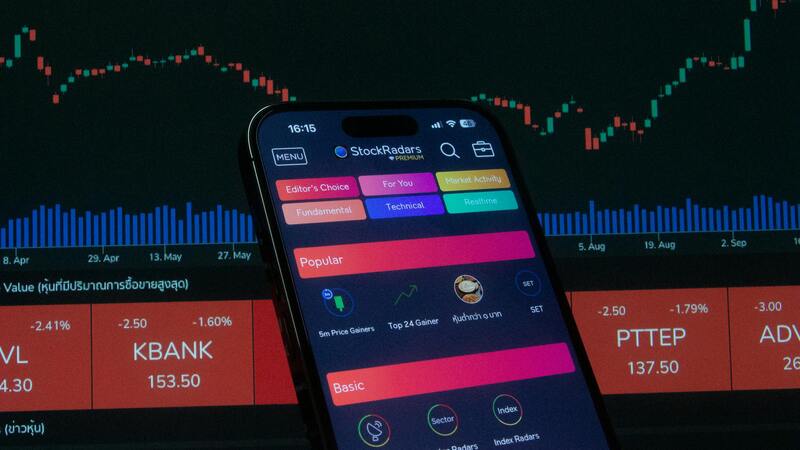
Implementation of Prop Tech in Trading Firms
Prop tech solutions are integrated into trading firms through a systematic and strategic approach that ensures maximum efficacy and operational harmony. The implementation process often begins with a thorough assessment of existing trading workflows, identifying areas where technological enhancements can add value. This initial phase involves stakeholder consultations, technical audits, and an analysis of current data infrastructure.
Following this, firms select appropriate software platforms, hardware systems, and data management tools that align with their strategic objectives. Deployment involves configuring and customizing these systems to suit specific trading strategies, which includes setting parameters for algorithmic trading, data feeds, and risk management protocols. These configurations are tested extensively in simulated environments to evaluate their performance and responsiveness under varying market conditions. This step is crucial to ensure that the operational components function seamlessly before live deployment.
Once tested, the implementation transitions into a phased rollout, beginning with limited live trading to monitor system performance and gather operational feedback. Throughout this phase, dedicated teams oversee the process, addressing technical glitches, optimizing algorithms, and calibrating risk parameters. Regular monitoring and iterative adjustments help stabilize the systems and prevent disruptions during broader deployment.

Effective integration also requires comprehensive training programs for traders and IT staff to understand the nuances of new platforms. This training ensures correct usage, maximizes benefits, and minimizes human errors. Additionally, robust documentation and support structures are established to address ongoing maintenance, software updates, and troubleshooting needs.
Implementing prop tech involves a collaborative approach, often necessitating partnerships with technology providers, software vendors, and data service companies. Clear communication channels, performance benchmarks, and compliance protocols are established to facilitate ongoing integration efforts. Over time, continuous evaluation and upgrades ensure that the prop tech infrastructure remains aligned with evolving market conditions and trading innovations.
Advanced automation tools and analytics platforms are typically central to the integration, providing real-time insights and executing trades based on sophisticated algorithms. These systems are designed with fail-safe mechanisms, audit trails, and security protocols to maintain operational integrity and data confidentiality.
Implementation of Prop Tech in Trading Firms
When integrating proprietary technology into trading environments, firms prioritize establishing robust frameworks that promote seamless operation and maximize efficiency. The implementation process typically begins with a detailed assessment of existing trading workflows and infrastructure, followed by selecting tailored solutions that complement strategic objectives. Ensuring compatibility with current systems minimizes disruptions and supports a smooth transition.
Central to successful deployment is the collaboration between internal teams and external technology providers. This partnership facilitates customization of platforms, integration with data feeds, and configuration of trading algorithms to align with specific trading strategies. Continuous testing during early phases helps identify potential issues, allowing adjustments before full-scale adoption.
Training plays a pivotal role in the adoption process. Dedicated programs for traders and technical staff ensure users understand the functionalities and advantages of new systems. Clear documentation and ongoing support contribute to reducing human errors and enhancing familiarity, leading to more confident and effective utilization.

Implementing prop tech also involves establishing maintenance routines, software updates, and troubleshooting protocols. This ensures the technology remains reliable and adapts to evolving market conditions. Regular performance reviews and feedback loops help optimize algorithms and operational parameters.
Collaborative Ecosystem and Continuous Improvement
To sustain growth and innovation, firms often cultivate a collaborative ecosystem involving software developers, data providers, and industry specialists. Such partnerships enable ongoing enhancements, compliance with changing regulations, and incorporation of cutting-edge features. Adopting a proactive approach to technology upgrades allows trading firms to stay ahead in competitive markets.
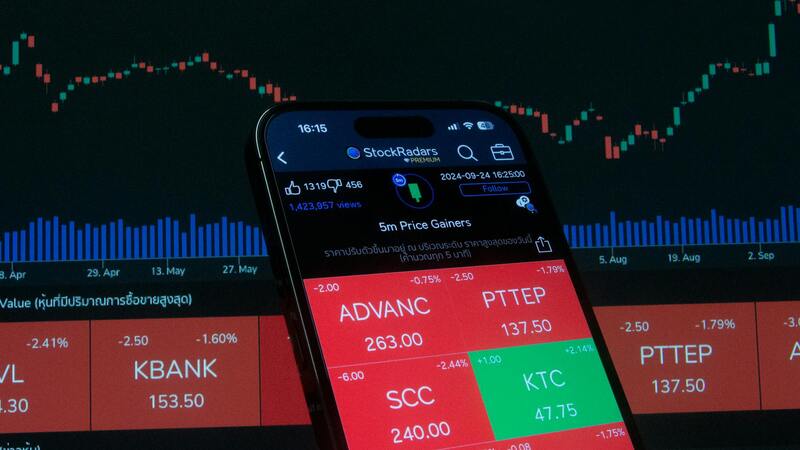
Final Considerations in Prop Tech Adoption for Trading Firms
As trading firms seek to maximize their operational efficiency and strategic edge, the emphasis on leveraging appropriate prop tech solutions intensifies. The process of adopting new technologies necessitates careful evaluation of various methods to ensure alignment with the firm's objectives, infrastructure, and market conditions. Selecting the right implementation pathways is crucial for realizing the potential benefits that prop tech offers without disrupting ongoing operations.
Methodical Approach to Prop Tech Deployment
Instituting a structured methodology involves several foundational steps:
- Assessing Needs and Objectives: Conduct thorough analysis of existing workflows, identify gaps, and determine how specific technologies can bridge those gaps or enhance capabilities.
- Researching Technology Solutions: Focus on solutions with proven performance in environments similar to the firm's trading activities. Consider scalability to accommodate future growth and integration with existing systems.
- Vendor Partnership Evaluation: Engage with reputable providers known for support, transparency, and ongoing development. Clear communication channels and service level agreements (SLAs) form the backbone of successful collaborations.
- Pilot Testing and Validation: Implement small-scale pilots to observe compatibility, performance, and ease of use. Gather feedback from traders and technical staff to refine the technology deployment.
- Gradual Scaling: Use insights gained from pilots to expand the deployment strategically, ensuring minimization of disruptions and full operational integration.
Maintaining an Agile and Responsive Approach
Even after implementation, continuous monitoring and iterative improvements are essential. Market dynamics and technological advancements necessitate adaptable strategies. Establishing teams dedicated to evaluating emerging tools and updates helps keep the firm’s prop tech infrastructure current and efficient. Routine performance audits, coupled with feedback from end-users, facilitate ongoing optimization, contributing to sustained competitive advantage.
Documentation and Knowledge Management
Comprehensive documentation covering system configurations, operational procedures, and troubleshooting protocols is vital. Well-maintained knowledge bases foster efficient onboarding and training, reduce downtime caused by technical issues, and support strategic decision-making regarding future enhancements.