
Understanding Prop Firm Trading: Definition and Role of Prop Trading Firms
Proprietary trading firms, commonly known as prop trading firms, play a significant role within the financial markets by acting as specialized institutions that engage in the buying and selling of financial instruments using their own capital. Unlike retail traders who utilize personal funds to trade in the open markets, prop firms operate with a different model focused on deploying proprietary resources to generate profits from market activities.
The primary function of a prop trading firm is to leverage its capital and expertise to capitalize on market opportunities, often employing advanced trading strategies that require significant experience and technological prowess. These firms typically recruit talented traders, providing them with access to substantial capital, sophisticated trading platforms, and risk management tools, thereby creating an environment where traders can focus solely on executing profitable trades without the constraints of personal financial risk.

This arrangement distinctly differs from retail trading services and brokerages, as retail traders usually operate with limited capital, face more restrictions, and have access to markets through intermediary platforms that often charge commissions or spreads. Prop trading firms, however, emphasize the agility, expertise, and capital advantage that allow them to execute large-volume trades and utilize high-frequency trading techniques that are often inaccessible to individual traders.
In essence, prop trading firms serve as vital catalysts in the financial ecosystem by providing liquidity, enhancing market efficiency, and fostering innovation through various trading methodologies. Their purpose is not only to generate profit but also to support market dynamics by demonstrating the power of experienced trading combined with technological infrastructure.
The Distinction Between Prop Trading and Retail Trading Services
- Capital Sources: Prop firms trade using their own capital; retail traders use personal funds.
- Risk Management: Prop firms assume full risk and manage it centrally; retail traders bear direct risk of their trades.
- Access to Market Opportunities: Prop traders often execute larger and more complex trades, benefiting from the firm's extensive infrastructure and resources.
- Fee Structures: Prop firms typically offer traders profit-sharing arrangements rather than charging commissions or spreads like retail brokers.
- Trading Strategies: Prop firms frequently employ high-frequency, quantitative, and algorithmic strategies, while retail trading might focus on long-term or manual trading approaches.
Understanding this fundamental distinction highlights why many professional traders prefer to associate with such firms, as they gain access to advanced tools, capital, and a supported environment conducive to high-level trading pursuits.
How Prop Trading Firms Operate
Prop trading firms operate through a defined structure that combines capital allocation, strategic trading models, and rigorous risk management protocols. These organizations are designed to leverage substantial financial resources, technological infrastructure, and skilled personnel to execute a wide array of trading activities. The core of their operation hinges on the concept of utilizing the firm's own capital to generate profit, which distinguishes them from retail trading services centered around individual accounts.
Trading models within prop firms often follow sophisticated quantitative frameworks, including high-frequency trading (HFT), algorithmic, and systematic approaches. These methodologies harness advanced computational techniques and real-time data feeds to identify and exploit market inefficiencies at speeds beyond human capability. The deployment of such strategies depends heavily on cutting-edge software and hardware infrastructure that supports ultra-low latency execution and extensive data analysis.
Funding methods in prop trading firms typically revolve around internal capital pools, which are replenished through profits generated from trading operations. Some firms may also implement performance-based funding, where traders receive capital allocations that scale with their demonstrated skill and consistent profitability. Risk management is deeply integrated into their operational structure, employing comprehensive measures such as strict position limits, real-time monitoring, and automated stop-loss protocols designed to protect both the firm’s and traders’ capital. This centralized risk oversight allows for a disciplined trading environment that mitigates large-scale losses while maximizing profit opportunities.

Funding and Capital Allocation
Prop firms allocate capital based on a trader’s track record, skill level, and adherence to risk parameters. This structured approach ensures that traders operate within predefined risk limits, fostering stability within the trading ecosystem. Capital can be scaled up as traders demonstrate consistent success, enabling the firm to expand its overall trading capacity and profitability.
Trading Environment and Technology
The trading environment in prop firms is characterized by state-of-the-art technological resources. These include advanced trading terminals, data analytics platforms, and secure, high-speed internet connections. The integration of artificial intelligence and machine learning tools helps refine trading strategies and improve execution precision, giving prop firms a competitive edge in rapidly evolving markets.
Risk Management Strategies
Effective risk management within prop firms involves a combination of automated controls and human oversight. Real-time surveillance systems track all trading activity, ensuring adherence to risk parameters. Automated algorithms detect anomalies and potential breaches, triggering immediate corrective actions such as position closing or order halts. Regular risk audits and stress testing are routine components of the firm's risk management framework, protecting assets and maintaining operational stability.
Methods of Engaging with Prop Trading Firms
Professionals interested in prop trading typically initiate their journey through formal application processes, which involve detailed evaluations of their trading experience, strategies, and financial stability. Most prop firms require prospective traders to undergo a rigorous evaluation phase known as a trading combine or simulation, designed to assess their ability to generate consistent profits within specified risk limits.
Once accepted, traders often participate in probationary periods where their performance is closely monitored. During this phase, traders are expected to adhere to strict risk management practices and demonstrate their consistency and discipline. Only after successfully completing this evaluation do traders gain full access to the firm's capital and trading tools.
Another key method of engagement involves a trading agreement that delineates the scope of trading activities, profit sharing arrangements, and risk management policies. These agreements ensure clear communication of expectations and responsibilities between the trader and the firm, forming the foundation for a mutually beneficial partnership.
Many prop firms also provide ongoing training and resources to enhance traders’ skills, including mentorship programs, access to proprietary trading platforms, and advanced analytics tools. Traders who consistently perform well may be offered opportunities for increased capital allocation and more significant trading authority, further incentivizing disciplined and profitable trading behavior.
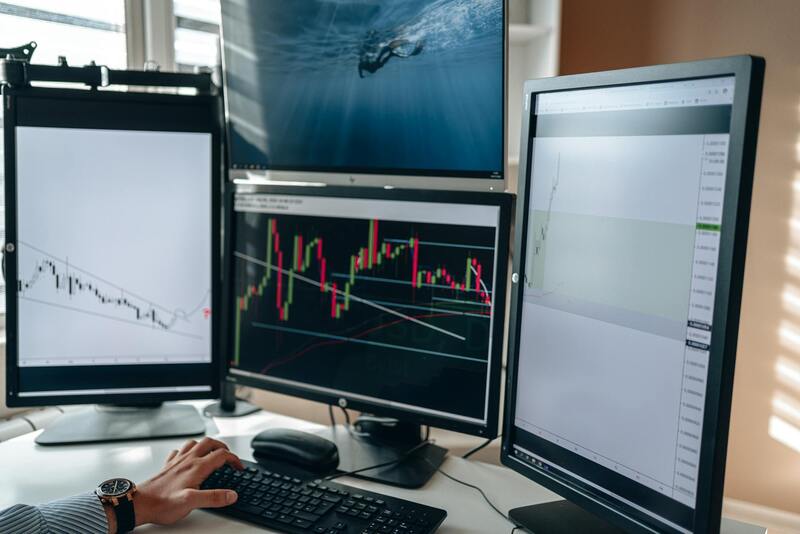
Engagement with a prop trading firm typically demands a thorough understanding of the firm’s operational protocols, risk controls, and expectations. This professional relationship is built on transparency, disciplined trading, and continuous performance evaluation, ensuring the firm’s capital is optimally utilized while maintaining a safe trading environment.
Understanding the Application Process for Prop Trading Positions
Securing a position within a proprietary trading firm involves a structured application process that emphasizes a trader's skill level, discipline, and risk management capabilities. Applicants are typically required to submit detailed information about their trading experience, strategies, and performance history. This may involve providing verified trading records or demonstrating proficiency through simulated trading assessments.
Once an initial review is completed, candidates often participate in a series of evaluations designed to gauge their ability to generate consistent profits while adhering to strict risk parameters. These evaluations can occur over a designated period, during which traders must demonstrate resilience, strategic adaptability, and disciplined execution. The firm's trading rules are rigorously tested during this phase to ensure alignment with their operational standards.

Successful completion of evaluations frequently leads to negotiations regarding trading terms, profit sharing arrangements, and access to trading capital. Traders may be asked to sign detailed agreements that define their roles and responsibilities, emphasizing compliance with firm policies and risk limits. The entire application process underscores transparency and fairness, reflecting the firm’s commitment to professional development and sustainable trading practices.
Engagement Methods Between Traders and Prop Firms
Once onboarded, traders engage with prop firms through well-established channels designed to foster collaboration and accountability. This engagement often involves ongoing performance reviews, consistent communication, and adherence to risk management protocols. Prop firms employ sophisticated monitoring systems to track traders’ activity in real-time, ensuring that strategies remain aligned with firm policies.
Trade disclosures and reporting are integral components of this relationship, with traders frequently required to submit detailed logs of their trading activities. Some firms also integrate proprietary analytics and performance dashboards that facilitate continuous performance evaluation and early detection of deviations from established risk standards. Such structured interactions form the backbone of a disciplined trading environment, helping to optimize capital utilization and protect both parties’ interests.
Official Methods of Connecting with Prop Trading Firms
Potential traders can initiate contact with prop firms through official channels—this includes submitting applications via the firms’ websites or participating in direct outreach initiatives. Many firms host webinars, informational sessions, or open houses to introduce their operational philosophies and trading prerequisites. Engaging with these resources provides prospective traders with clarity on expectations and the strategic framework of each firm.
Having a clear, professional communication strategy is essential when approaching prop firms, emphasizing readiness, discipline, and a thorough understanding of trading methodologies. Maintaining transparency and presenting a comprehensive trading record during interactions greatly enhances the chances of establishing a strong professional relationship.
Utilizing Proven and Transparent Methods for Engagement
Adhering to established procedures and transparent practices remains fundamental in forming reliable connections within the prop trading community. Traders should prioritize clear documentation, consistent performance, and compliance with firm protocols. Indicators of professionalism include well-organized application materials, demonstrated trading acumen, and willingness to participate in training or evaluation processes offered by the firm.
By focusing on these established methods, traders and firms can build a mutually beneficial partnership rooted in trust, discipline, and shared goals. This approach fosters a stable environment where traders can develop their skills while leveraging the firm’s resources effectively, ultimately leading to sustained growth and profitability.
Official and Proven Methods for Engaging with Prop Trading Firms
Engaging with proprietary trading firms through official and structured channels is essential for traders aiming for a sustainable and successful partnership. These methods typically involve transparent interaction, compliance with firm procedures, and submission of verified trading performance records. Establishing credibility starts with thorough research into the firm’s application process, which is often outlined on their official website or through authorized representatives. Traders should focus on delivering comprehensive documentation that reflects their trading experience, risk management practices, and adherence to outlined guidelines.
Effective communication with prop trading firms involves demonstrating a clear understanding of their operational standards and trading philosophies. Preparing professional application materials, including trading histories, performance metrics, and compliance certifications, signals a trader’s commitment and readiness. Many firms require prospective traders to complete formal assessment processes, such as trading evaluations or demo performance tests, which serve as practical demonstrations of skill and discipline.
Participating in official webinars, informational sessions, or open house events hosted by prop firms offers valuable insight into their operational expectations and culture. These events enable prospective traders to interact directly with firm representatives, ask pertinent questions, and clarify any uncertainties related to trading strategies, risk policies, and profit-sharing models. Approaching these opportunities with transparency and professionalism enhances the likelihood of establishing a trustworthy relationship with the firm.
Moreover, adherence to official procedures — including application submissions through verified channels, regular communication, and timely responses— fosters a sense of professionalism. Traders should also maintain a rigorous, organized record of their trading performance, risk management strategies, and compliance documentation. This documentation not only facilitates the application process but also proves invaluable during ongoing evaluations or audits conducted by the firm.
Engagement through official channels ensures that traders are aligned with the firm’s mission, policies, and regulatory frameworks. This alignment is fundamental to building a long-term partnership rooted in trust, mutual understanding, and shared growth objectives. By avoiding unofficial or unverified methods of engagement, traders protect their reputation and ensure that their trading activities remain compliant with the firm’s operational standards.
Ultimately, the pathway to successful collaboration with a prop trading firm hinges on transparency, professionalism, and adherence to prescribed engagement protocols. These methods establish a solid foundation for development, enabling traders to leverage firm resources, access capital, and refine their strategies within a structured environment that promotes responsible and profitable trading.
Legal and Regulatory Considerations
Engaging with prop trading firms requires a comprehensive understanding of the protocols and documentation that facilitate official partnership formation. Traders seeking to establish a legitimate connection with a proprietary trading firm should focus on utilizing verified communication channels, such as official email addresses, secure application portals, and documented onboarding procedures. This approach ensures that all interactions and transactions are recorded within authorized systems, safeguarding all parties involved.
Most reputable prop trading companies have detailed application processes that involve submitting verified personal and financial information through established portals. These submissions often include rigorous background checks and adherence to the firm’s risk assessment protocols, designed to create a mutually secure environment. Moreover, maintaining organized records of communications, trading performance metrics, and compliance documentation is essential. This documentation not only demonstrates consistency and professionalism but also ensures transparency during periodic evaluations conducted by the firm.
Traders should also stay informed about any official updates or procedural changes communicated through authorized channels. Regularly reviewing official guidelines and operational policies helps maintain compliance and fosters trustworthiness in the trader-firm relationship. It is crucial for traders to avoid unofficial sources or unverified communication methods when seeking to build legitimate partnerships, as these can pose risks to both reputation and operational security.

By following established procedures and leveraging recognized methods of engagement, traders can develop a professional and compliant trading profile. This approach not only facilitates access to firm resources and capital but also builds a foundation of trust and reliability that supports sustained trading success. Remember, it’s the adherence to recognized official methods that transforms a mere trading attempt into an enduring partnership rooted in mutual respect and accountability.

Understanding the Funding Process and Trader Onboarding in Proprietary Trading
Once traders have established their suitability and skills, the next crucial step involves the formal funding process facilitated by the prop trading firm. These firms typically have structured procedures for onboarding new traders, which are designed to ensure both parties meet specific standards and expectations. The process generally begins with an application submission where traders provide relevant documentation confirming their trading background, experience, and skills. This might include trading records, performance metrics, and sometimes assessments or evaluations to gauge trading competency.
Following initial screening, successful applicants move to the evaluation phase, often called a trading challenge or metric evaluation, depending on the firm's specific approach. During this stage, traders are usually given a simulated or real account with predefined risk parameters and profit targets. The purpose of this evaluation is to verify consistent performance and adherence to risk management protocols under realistic trading conditions.

Given the importance of maintaining integrity and fairness, prop firms typically have strict criteria for passing these evaluations, which are based on profitability, discipline, and risk mitigation strategies. Traders who successfully navigate this phase often enter into formal agreements with the firm, which outline their trading limits, profit sharing arrangements, and reporting obligations. Documentation such as trading agreements and compliance forms are signed at this stage to formalize the relationship.
Throughout the onboarding process, clear communication and transparency are vital. Traders are usually provided with detailed guidelines, trading policies, and access to proprietary trading platforms and resources. This ensures they are fully equipped with the necessary tools and knowledge to trade in alignment with the firm’s standards.
Performance Monitoring and Compliance
After onboarding, maintaining ongoing compliance and consistent performance are crucial components of the trader-firm relationship. Proprietary trading firms employ continuous monitoring systems, which may include automated alerts, periodic reviews, and direct supervision to ensure traders adhere to predefined risk parameters. Transparent reporting practices and regular performance assessments help in identifying areas for improvement and ensuring sustained profitability.
The firm also emphasizes adherence to official trading guidelines, including trading hours, prohibited trading activities, and risk limits. Such measures foster a disciplined trading environment and bolster mutual trust. Traders are often expected to submit regular reports or trading journals, which serve both as performance reviews and as documentation to support performance-based compensation.

Legal and Regulatory Considerations in Prop Firm Trading
Engagement with proprietary trading firms involves adherence to a structured framework designed to uphold standards and ensure transparency in trading activities. While specific regulatory environments may vary across jurisdictions, it is essential for traders to understand the procedures and requirements that govern their practice within these firms. These considerations primarily focus on compliance with professional standards, safeguarding client and firm interests, and maintaining integrity in trading operations.
Prop trading firms implement comprehensive protocols to facilitate a secure and compliant trading environment. This includes the use of official documentation, such as trading agreements that clearly outline the roles, responsibilities, and expectations of both parties. Such agreements specify trading limits, risk management policies, and performance metrics, which serve as a foundation for fair and accountable trading activities.
Part of the regulatory framework also entails detailed reporting and record-keeping practices. Traders are typically required to maintain accurate trading logs and submit periodic reports verifying their activities. These documents are essential for internal audits, performance evaluation, and ensuring compliance with the firm's risk management standards. Regular reviews help identify potential issues early, allowing for timely corrective measures.

Furthermore, firms often utilize automated monitoring systems to track trading practices in real time. These systems help enforce pre-established risk limits, prevent unauthorized activities, and ensure that traders operate within the scope of their designated parameters. Any violations or anomalies trigger alerts, prompting immediate review by supervisory personnel.
In addition to internal controls, many prop trading companies align their operations with international financial standards and regulatory directives that influence their operational policies. While direct contact with regulatory bodies might be limited for individual traders, the overall compliance landscape influences company protocols heavily. Traders should familiarize themselves with relevant guidelines and best practices to navigate their roles effectively and ensure their activities are aligned with the firm's compliance framework.
Education and training programs are integral to maintaining high compliance standards. Traders often participate in ongoing training sessions that cover updates to firm policies, market regulations, and technological tools used in trading. This proactive approach minimizes inadvertent breaches and fosters a culture of responsible trading.

Ultimately, working within the parameters established by the firm and regulatory considerations cultivates an environment of transparency, accountability, and mutual growth. By following official protocols, maintaining detailed records, and utilizing automated monitoring tools, traders ensure their activities are aligned with institutional standards, thereby fostering a secure and sustainable prop trading ecosystem.
