
Overview of Traders Platforms in Prop Trading
Traders platforms are sophisticated digital environments designed to facilitate the execution of trades, account management, and analysis within proprietary trading firms. These platforms serve as the primary interface between the trader and the financial markets, enabling traders to access real-time data, execute orders swiftly, and monitor their positions with precision. In the prop trading sector, where speed and accuracy can significantly influence profits, the importance of a reliable and robust traders platform cannot be overstated.
At their core, traders platforms integrate multiple functionalities—such as charting tools, order management systems, risk controls, and reporting modules—into a seamless user experience. They are built to accommodate the demanding needs of professional traders, whether they operate in equities, forex, commodities, or derivatives markets. Such platforms are essential for managing complex portfolios, executing high-frequency trades, and adhering to strict risk management protocols.
In the context of prop trading, where firms provide traders with capital to generate returns, these platforms also facilitate compliance and transparency. They help track all trading activities, ensuring adherence to internal risk limits and regulatory standards. As technology advances, traders platforms increasingly incorporate features like automation, algorithmic trading, and integration with market data feeds, which are crucial for maintaining competitiveness in the evolving landscape of financial markets.

Understanding the role and capabilities of traders platforms provides clarity around their vital position within prop trading ecosystems. These tools form the foundation upon which successful trading operations are built, supporting traders in executing trades efficiently, managing risk effectively, and ultimately, generating consistent returns for their firms.
Core Features of Effective Traders Platforms
An effective traders platform integrates several key features designed to optimize trading performance and operational efficiency. Essential among these are real-time market data access, advanced charting tools, and comprehensive order execution systems. These features enable traders to make informed decisions swiftly and accurately, minimizing latency and slippage.
- Real-Time Data: Immediate access to market prices, news, and analytics.
- Order Management: Flexible order types, automation options, and quick execution capabilities.
- Risk Controls: Tools to set stop-loss, take-profit levels, and monitor position sizes.
- Analytical Tools: Technical indicators, backtesting features, and customizable dashboards.
- Security Measures: Data encryption, user authentication, and activity tracking.
The integration of these features creates a robust environment that supports disciplined and strategic trading. Efficient platforms also provide seamless workflow management, allowing traders to focus on their strategies rather than technical hurdles.
Types of Traders Platforms for Prop Trading
Traders platforms can generally be categorized based on their architecture and intended use. The main types include:
- Desktop Platforms: Installed locally on a trader’s computer, offering high customization and speed.
- Web-Based Platforms: Accessible via browsers, providing flexibility across devices and locations.
- Mobile Platforms: Optimized for smartphones and tablets, enabling traders to manage positions on the go.
Some prop trading firms may also develop proprietary platforms tailored to their specific operational needs. Additionally, many traders use APIs or integrations with third-party software to enhance functionality and customize their trading environment further.
Criteria for Selecting a Traders Platform
Choosing the right platform involves assessing several critical criteria to ensure it meets the demands of professional prop trading. Key considerations include:
- Reliability: Minimal downtime and consistent performance under market stress.
- Speed: Low latency for order execution and data delivery.
- Ease of Use: Intuitive interface and efficient navigation.
- Customization: Ability to personalize layouts, indicators, and workflows.
- Support and Updates: Regular updates, responsive technical support, and integration capabilities.
- Cost: Transparent pricing models aligned with firm budgets and trading volume expectations.
Security and Compliance in Traders Platforms
Ensuring the security of trading activities and data is paramount for prop trading firms. Platforms must incorporate advanced encryption methods to protect sensitive information and prevent unauthorized access. User authentication processes, such as multi-factor authentication, reinforce security protocols.
Additionally, compliance features help monitor trading activities to adhere to internal risk policies and external regulatory requirements. Audit trails, activity logs, and automated reporting enable firms to maintain transparency and accountability across all trading operations.

Core Features of Effective Traders Platforms
Choosing a traders platform that aligns with the demands of professional prop traders requires a thorough understanding of its core functionalities. These features form the backbone of efficient and reliable trading operations, facilitating informed decision-making and swift execution of trades. Among the most critical are real-time data feeds, which provide up-to-the-second market information essential for spotting opportunities and reacting promptly to market movements.
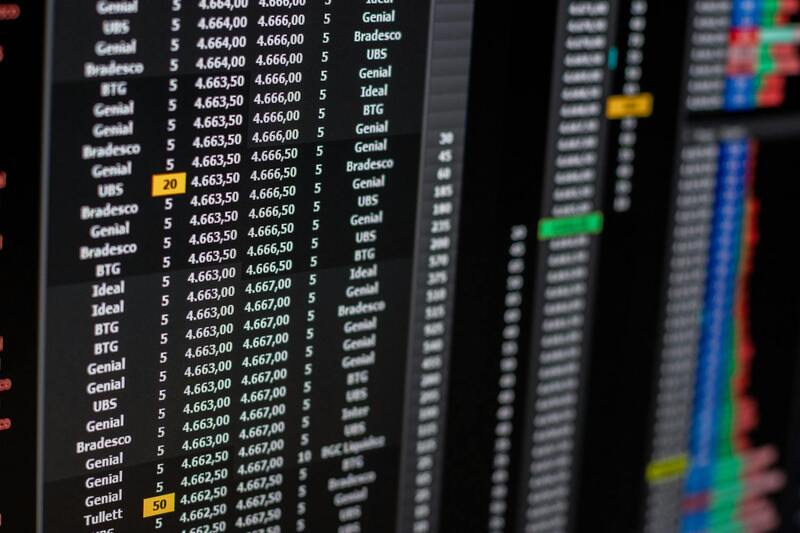
Advanced charting tools are also vital, allowing traders to analyze historical price movements and identify trends or signals. Platforms equipped with customizable indicators, drawing tools, and multiple chart types enable detailed technical analysis that can inform trading strategies. When combined with order execution capabilities, these tools help reduce latency, ensuring trades are placed as intended and captured at optimal prices.
Order Execution and Speed
Speed remains a fundamental requirement for prop traders. An effective platform must facilitate rapid order execution, minimizing the delay between decision-making and trade placement. Low latency connections reduce slippage and maximize profit margins. Automated order types, such as stop-loss and take-profit, further enhance trading efficiency by executing predefined strategies without delay.
Risk Management Features
Prop trading demands rigorous risk control mechanisms. Platforms should offer integrated risk management tools, including position sizing calculators, exposure monitoring, and loss limits. Automated alerts notify traders of threshold breaches, enabling swift action to mitigate losses. These features contribute to a disciplined trading environment that aligns with internal policies and preserves capital.
User Interface Design and Customization
An intuitive, well-organized user interface is crucial for swift navigation through complex data and multiple trading screens. Customizable layouts allow traders to prioritize essential information, tailor workflows, and streamline their trading process. Drag-and-drop dashboard elements and flexible workspace arrangements enhance user efficiency, especially during fast-paced market sessions.
Types of Traders Platforms for Prop Trading
Prop trading firms utilize various types of platforms, each designed to meet specific operational needs. These include:
- Standalone Trading Terminals: Dedicated software that offers comprehensive features, often installed locally or accessed via secure remote connections.
- Web-Based Platforms: Cloud-accessible interfaces allowing traders to operate from any device with an internet connection, providing flexibility and ease of access.
- API-Based Trading Solutions: Platforms that support programming interfaces enabling traders to develop custom trading algorithms or integrate with proprietary systems.
The selection of a platform type depends on the operational scale, security protocols, and strategic preferences of the prop trading environment.
Criteria for Selecting a Traders Platform
To identify the most suitable platform, firms evaluate multiple factors such as:
- Reliability and Performance: Minimal downtime, stable connectivity, and robust performance during high-volume trading periods.
- Latency and Speed: Ensuring rapid data dissemination and order execution to capitalize on fleeting market opportunities.
- Ease of Use: User-friendly interfaces that reduce the learning curve and foster quick adaptation by traders.
- Customization Capabilities: Ability to tailor workspace layouts, indicators, and workflows to match specific trading strategies.
- Technical Support and Updates: Ongoing technical support, regular software updates, and compatibility with evolving trading tools.
- Security Measures: Strong encryption, authentication protocols, and data protection features.
- Cost and Licensing: Transparent pricing structures aligned with trading volume and operational budgets.
Security and Compliance in Traders Platforms
Security remains a cornerstone of effective prop trading platforms. Encryption protocols safeguard sensitive trading data against unauthorized access, while multi-factor authentication verifies user identities before granting access. Ensuring secure data channels mitigates risks associated with data breaches or interception during transmission.
Compliance functionalities support internal policies and external regulations, maintaining transparency and accountability. Audit trails record detailed logs of trading activities and system interactions, facilitating post-trade analysis and regulatory audits. Automated reporting tools assist in monitoring activity metrics, helping to enforce risk controls and ensure adherence to established trading parameters.
Integration and Compatibility with Trading Infrastructure
Seamless integration with various trading systems, data feeds, and brokerage connections is essential for operational efficiency. Platforms should support APIs and standardized protocols, enabling incorporation of proprietary algorithms, back-office systems, and risk management tools. Compatibility ensures smooth data flow, reduces technical friction, and helps maintain synchronized trading activities across different components of the infrastructure.
Cost Considerations and Subscription Models
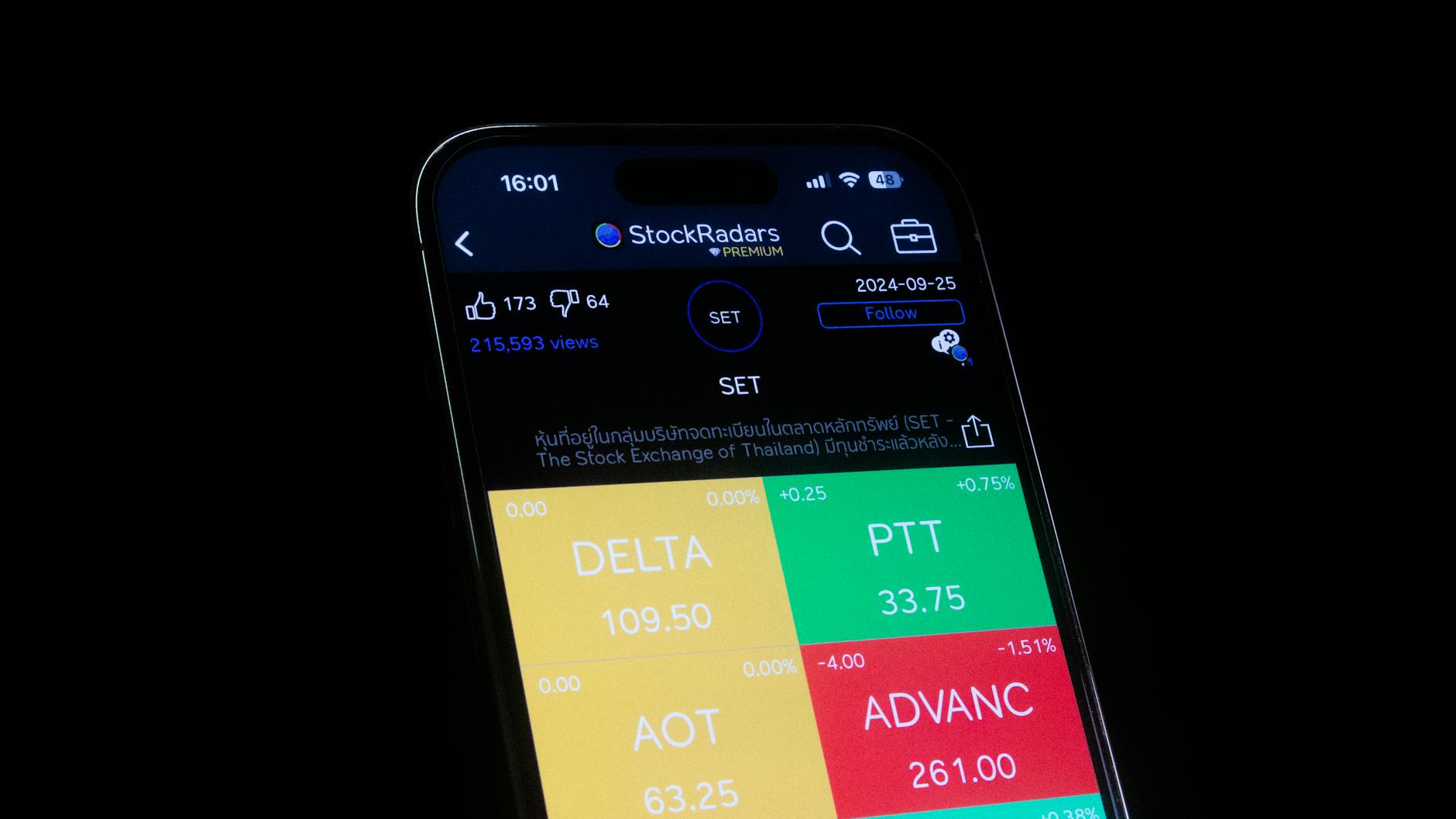
When selecting a traders platform, understanding the cost structure and subscription models is crucial. Many platforms offer tiered pricing plans based on features, data access levels, or volume limits. Transparent pricing enables firms to forecast expenses accurately, balancing cost with desired functionalities. Subscription models may include monthly fees, usage-based charges, or perpetual licenses, each suitable for different operational scales and trading strategies.
Overview of Traders Platforms in Prop Trading
Within proprietary trading environments, traders platforms serve as the foundational interface through which traders execute strategies, analyze markets, and manage risks. These platforms are designed to meet the high demands of prop trading firms, providing real-time data, advanced analytical tools, and robust order execution capabilities. The choice of the right traders platform directly impacts operational efficiency, risk management, and profitability. As the industry evolves, providers constantly innovate to incorporate features such as advanced charting, algorithmic trading support, and comprehensive performance analytics, ensuring traders have access to all necessary tools to perform at their peak.

Understanding the distinctive qualities of various platform types helps firms select options best suited to their operational needs. Whether relying on proprietary solutions, widely-used third-party platforms, or developing custom in-house systems, each approach offers specific advantages related to flexibility, cost, and feature set. The key is aligning platform capabilities with strategic goals, ensuring seamless trading operations, and facilitating scalability as trading volumes and complexity increase.
Core Features of Effective Traders Platforms
An optimal traders platform incorporates several critical features that cater specifically to the needs of prop trading firms. These features include:
- Real-time Data Integration: Access to live market data feeds is essential for making informed trading decisions in volatile environments.
- Advanced Order Execution: Support for complex order types, high-speed order routing, and latency minimization is vital for executing strategies efficiently.
- Risk Management Tools: Built-in risk controls, position limits, and automated stop-loss mechanisms help manage exposure effectively.
- Performance Analytics: Detailed dashboards and reporting tools provide insights into trading performance, helping refine strategies.
- Customization and Scalability: Flexibility to tailor the platform to specific trading styles and scalability to accommodate growth are crucial in dynamic trading environments.

Types of Traders Platforms for Prop Trading
Prop trading firms have several options when selecting a trading platform, each suited to different operational scales and strategy focuses:
- Proprietary Trading Software: Custom-developed solutions tailored specifically to a firm's trading strategies, risk management policies, and technical infrastructure. These platforms offer maximum control and customization but require substantial development resources.
- Third-Party Platforms: Commercially available platforms provided by established vendors that support a wide range of features, integrations, and trading instruments. Examples include MetaTrader, Trading Technologies, and Thinkorswim. They often feature robust community support and regular updates.
- Custom Solutions Built on Existing Frameworks: Hybrid approaches where firms modify or extend existing third-party platforms to better suit their specific requirements, often integrating proprietary algorithms or risk controls.

Criteria for Selecting a Traders Platform
Choosing an appropriate platform requires careful consideration of several criteria, including:
- Functional Compatibility: The platform must support the trading instruments and strategies employed by the firm.
- Technical Integration: Compatibility with existing trading infrastructure, data feeds, and back-office systems ensures seamless operational workflows.
- Reliability and Performance: High uptime and ultra-low latency execution are fundamental for high-frequency trading and short-term strategies.
- Security Measures: Robust encryption, user authentication, and access controls protect sensitive data and trading activity.
- User Interface and Usability: An intuitive interface minimizes onboarding time and maximizes trader efficiency.
- Cost and Licensing Terms: Transparent pricing models that align with the firm's budget and trading volume are essential for sustainable operations.
Security and Compliance in Traders Platforms
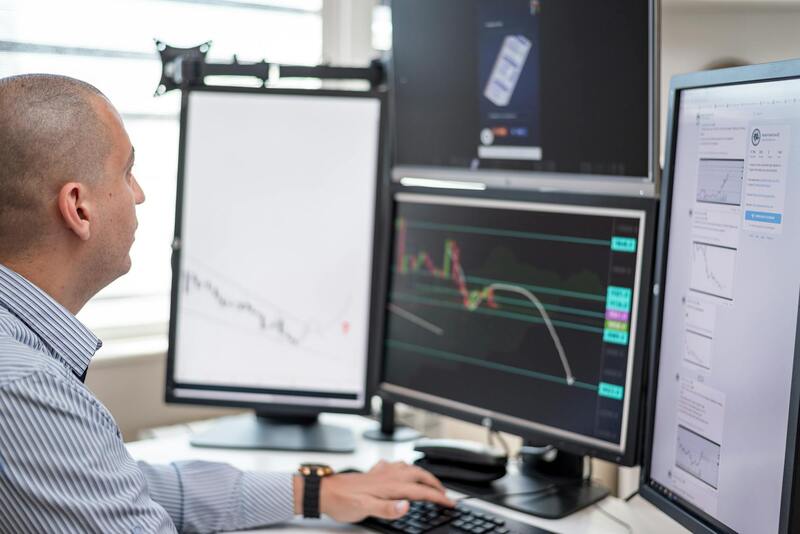
Ensuring the security of trading operations involves implementing stringent measures to safeguard data, prevent unauthorized access, and maintain operational integrity. Platforms should employ advanced encryption protocols for data transmission and storage, multi-factor authentication for user access, and detailed audit trails that log all activity. Maintaining compliance entails adhering to industry standards and internal policies that govern data handling, reporting, and risk controls. Regular security assessments, vulnerability testing, and updates are necessary to uphold the platform's integrity and resilience against emerging threats.
Integration and Compatibility with Trading Infrastructure
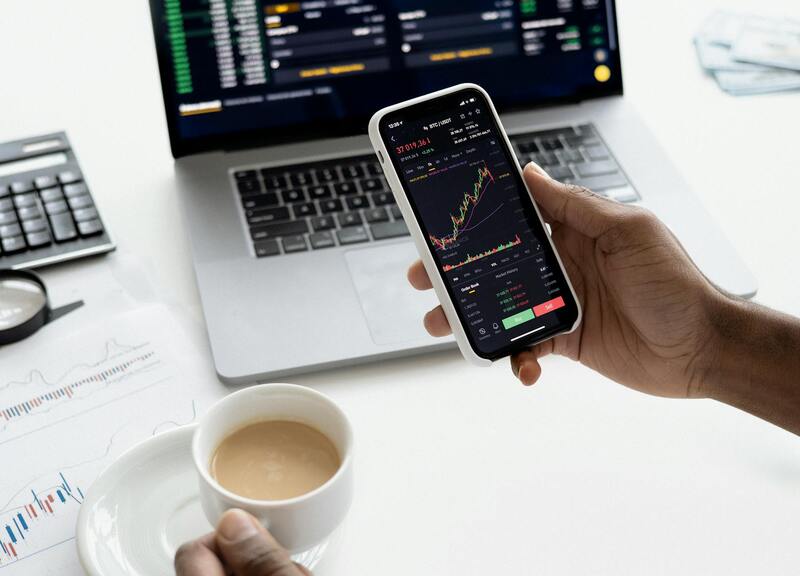
Integration capabilities directly influence a platform's effectiveness within a prop trading setup. Support for Application Programming Interfaces (APIs) and adherence to standardized protocols facilitate seamless data exchange between trading systems, risk management tools, and back-office applications. Compatibility with multiple data feeds ensures traders have access to diverse market information, while connectivity to brokerage infrastructure allows for rapid order execution and real-time position updates. An integrated ecosystem enhances operational coherence, reduces technical friction, and promotes synchronized trading activities, essential for maintaining competitive edge.

Cost Considerations and Subscription Models
Cost structures vary widely among traders platforms, with options frequently including tiered subscription plans, usage-based fees, or perpetual licensing agreements. Transparent pricing facilitates effective budgeting and long-term planning. Tiered plans typically offer basic features at a lower cost, with premium tiers providing advanced analytical tools, additional data sources, and increased trading volume limits. Usage-based models charge fees based on active traders, data consumption, or order volumes, providing flexibility aligned with trading activity. Understanding the total cost of ownership—including licensing fees, add-on modules, and maintenance—is paramount to selecting a platform that balances functionality with affordability.

Criteria for Selecting a Traders Platform
Evaluating a traders platform for prop trading requires a comprehensive approach to ensure that the chosen technology aligns with operational needs, risk management practices, and strategic objectives. The reliability of the platform is paramount, as consistent uptime and minimal latency directly impact trading performance and decision-making. Fast execution speeds are critical in high-frequency trading environments where milliseconds can determine profitability. Customization capabilities should allow traders to tailor workflows, dashboards, and analytical tools to their specific strategies, enhancing efficiency and focus.
Compatibility with diverse trading strategies and asset classes is also essential. A robust traders platform should support multiple markets, including equities, futures, forex, and options, enabling diversified trading approaches without requiring multiple systems. This multi-asset support not only simplifies operations but also fosters strategic flexibility.
Evaluating Platform Reliability and Speed
- System Uptime: A highly available platform minimizes downtime, ensuring uninterrupted trading activity. Platforms with redundant servers and failover mechanisms are preferable.
- Latency and Execution Speed: Low-latency environments facilitate rapid order placement and execution, crucial for competitive trading. Hardware optimizations and optimized data feeds contribute to faster response times.
- Order Processing Efficiency: Effective order routing and processing algorithms reduce delays and execution errors, supporting high-volume trading strategies.
Customization and Strategic Compatibility
- Personalized Dashboards: The ability to configure trading dashboards allows traders to monitor relevant metrics and market data efficiently.
- Algorithm Integration: Seamless integration with proprietary or third-party trading algorithms enhances strategic execution.
- Automated Trading Support: Platforms that support automation enable traders to implement complex strategies with minimal manual intervention.
Support for Multiple Asset Classes and Strategies
Ensuring platform versatility is vital for prop traders aiming to diversify their portfolios. The platform should accommodate various asset classes, including stocks, commodities, forex, and derivatives, providing a unified interface for managing different trading activities. Compatibility with multiple trading strategies—ranging from algorithmic trading to discretionary trading—is a significant advantage, increasing operational efficiency and opening new avenues for profit.

Incorporating these evaluation criteria ensures traders select a platform that not only meets current operational standards but is also adaptable to future requirements, supporting long-term growth and competitiveness in the dynamic landscape of prop trading.
Overview of Traders Platforms in Prop Trading
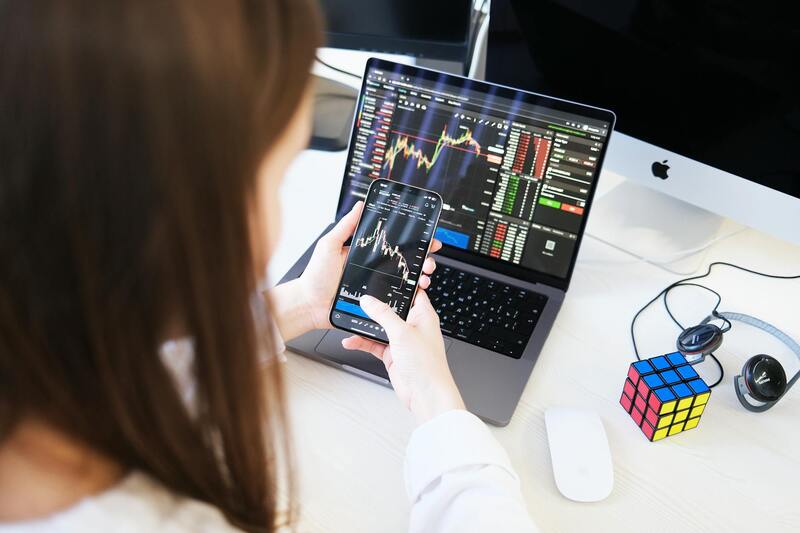
Prop trading firms rely heavily on sophisticated traders platforms that facilitate rapid execution, comprehensive analysis, and strategic management. These platforms serve as the central hub where traders execute orders, analyze market data, and implement trading strategies with precision. The effectiveness of a traders platform directly influences the profitability and operational efficiency of a prop trading operation. By integrating robust features, seamless connectivity, and user-friendly interfaces, traders platforms enable firms to stay competitive in high-speed markets. Furthermore, the versatility of these platforms in supporting various asset classes and trading styles makes them indispensable tools in the modern trading environment.
Core Features of Effective Traders Platforms
An effective traders platform must encompass a variety of core features designed to optimize trading workflows and enhance decision-making processes. These features include:
- Real-Time Data Processing: Access to real-time market data ensures traders can make timely decisions, reacting swiftly to market movements and news events.
- Advanced Order Management: Robust order routing systems minimize delays and reduce errors, facilitating high-frequency trading strategies.
- Customizable Dashboards: Personalized interfaces allow traders to tailor displays, focus on relevant metrics, and improve operational efficiency.
- Algorithm Integration: Seamless connection with proprietary or third-party algorithms supports algorithmic trading and backtesting activities.
- Automated Trading Capabilities: Support for automation enables the execution of complex strategies with minimal manual intervention, reducing emotional biases and increasing consistency.
- Multi-Asset Class Support: The ability to trade across various asset classes such as stocks, forex, commodities, and derivatives within a single platform simplifies portfolio management and diversification.
- Risk Management Tools: Integrated risk controls, including stop-loss, take-profit, and position sizing tools, help traders manage exposure and protect capital effectively.
Types of Traders Platforms for Prop Trading
Prop trading firms utilize different types of traders platforms based on their operational needs and strategic focus. These include:
- Desktop Platforms: Traditional software installed on local machines, known for high performance and deep customization, suited for traders requiring extensive analysis tools.
- Web-Based Platforms: Cloud-connected solutions accessible via browsers, offering flexibility and ease of access across devices without heavy software installation.
- Mobile Applications: Platforms optimized for smartphones and tablets, enabling trading on the go and off-hours market monitoring.
- Hybrid Platforms: Combine features from desktop and web solutions, offering both high performance and portable access.

Criteria for Selecting a Traders Platform
Choosing the right traders platform involves assessing several key criteria to ensure it aligns with operational goals and strategic requirements:
- Execution Speed: High-speed order execution is critical for high-frequency trading and fast market environments.
- Stability and Reliability: Platform stability minimizes downtime, ensuring traders can operate without interruptions during critical trading moments.
- Security Measures: Advanced encryption, multi-factor authentication, and continuous monitoring protect sensitive data and trade security.
- Compatibility and Integration: The platform should seamlessly connect with existing trading infrastructure, data feeds, and brokerage accounts.
- Ease of Use: Intuitive interfaces and customizable workflows reduce the learning curve and increase trader productivity.
- Cost and Subscription Models: Transparent pricing structures that offer value for features and support services are essential for long-term operational planning.
Image Placeholder

Integration and Compatibility with Trading Infrastructure
Ensuring that a traders platform integrates smoothly with the existing trading infrastructure is fundamental for a seamless trading experience in prop trading environments. Compatibility with brokerage accounts, data feeds, and risk management systems allows traders to execute strategies efficiently without delays or technical disruptions. A robust platform should support standardized APIs and data protocols, such as FIX (Financial Information eXchange) or other industry-standard interfaces, to facilitate real-time communication between various components of the trading ecosystem.
Alongside direct integrations, compatibility extends to the platform's ability to connect with multiple data sources. These may include market data providers, economic news feeds, and other analytical tools that traders leverage to make informed decisions. The platform must also support integration with proprietary risk management software used within prop firms, enabling real-time monitoring of trades and adherence to risk parameters. Such synchronization minimizes errors, enhances control, and promotes an effective workflow.

Cost Considerations and Subscription Models
When evaluating traders platforms, understanding the cost structures is essential for long-term operational sustainability. Platforms typically offer a range of subscription models, including one-time licensing fees, monthly subscriptions, or usage-based pricing. Transparent pricing models enable firms to forecast expenses accurately and allocate budgets effectively. It’s important to analyze what features are included in each tier of service and whether additional costs are associated with premium features like advanced analytics, premium data feeds, or enhanced security measures.
Some platforms provide tiered packages tailored to different trader needs, from novice traders requiring simple interfaces to professional traders demanding extensive customizations and high-speed execution capabilities. In addition to licensing fees, there might be costs related to data subscriptions, API access, technical support, and platform updates. A thorough comparison of these factors helps prop firms select a platform that offers optimal value without compromising on essential features.

Future Trends in Traders Platforms
The evolution of traders platforms continues to shape the landscape of prop trading. Increasing integration of artificial intelligence and machine learning algorithms promises to enhance predictive analytics, optimize order execution, and reduce trading risks. Cloud-based platforms are gaining prominence, offering scalability, flexibility, and simplified maintenance, which are attractive features for rapidly growing trading firms.
Moreover, the adoption of blockchain technology aims to improve transparency and security, facilitating faster settlement processes and reducing operational friction. Real-time customization options and adaptive interfaces are becoming more prevalent, enabling traders to tailor their workspace to individual preferences and strategies dynamically. As regulations evolve, traders platforms will also incorporate advanced compliance and reporting tools to streamline audits and ensure adherence to trading policies.
Ultimately, platform developments trend toward greater automation, integration, and intelligence, empowering traders with sophisticated tools designed to capitalize on market opportunities while maintaining rigorous control over risks and operations.
Overview of Traders Platforms in Prop Trading
Traders platforms serve as the central hub for executing trades, managing portfolios, and analyzing market data within prop trading environments. As the foundation of trading operations, these platforms facilitate rapid decision-making and order execution, providing traders with the tools necessary to navigate complex financial markets effectively. They integrate real-time market feeds, advanced analytical tools, and customizable interfaces to support a wide range of trading strategies. In addition to operational features, traders platforms often include robust risk management modules, detailed reporting functionalities, and compliance tracking mechanisms to ensure trading activities align with firm policies and regulatory expectations. Given the competitive nature of prop trading, the selection and deployment of a highly capable platform can significantly influence a firm's profitability and operational efficiency. Therefore, understanding the core aspects of traders platforms is essential for firms seeking to optimize their trading workflows.
Core Features of Effective Traders Platforms
- Speed and Stability: Rapid order execution and minimal downtime are crucial in high-frequency and day trading environments to capitalize on fleeting market opportunities.
- Advanced Analytical Tools: Features such as technical indicators, customizable charts, and algorithmic trading capabilities support sophisticated trade analysis and automation.
- User-Friendly Interface: A clear, intuitive layout helps traders quickly interpret data and execute trades efficiently, reducing the risk of errors during high-stakes moments.
- Risk Management Modules: Tools that monitor open positions, set stop-losses, and calculate leverage ensure traders can control exposure and maintain security levels.
- Data Integration and Alerts: Seamless connection to market data feeds, news sources, and customizable alerts keep traders informed about relevant developments in real time.
- Order Types and Automation: Support for various order types, including limit, market, and stop orders, alongside automation features facilitate rapid response to market movements.
Types of Traders Platforms for Prop Trading
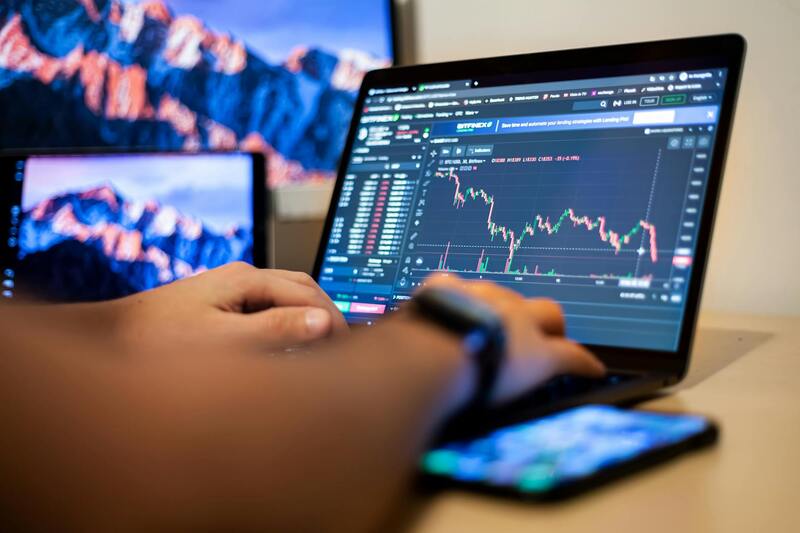
Prop trading firms utilize a variety of platform types tailored to different trading styles and operational requirements. These include:
- Desktop Platforms: Installed locally on a trader's computer, these platforms offer high-speed processing and extensive customization options, ideal for professional scalp traders and high-frequency trading teams.
- Web-Based Platforms: Cloud-accessible platforms that provide flexibility and ease of use. They enable traders to access their accounts from any device with an internet connection, suitable for remote teams and collaborative trading environments.
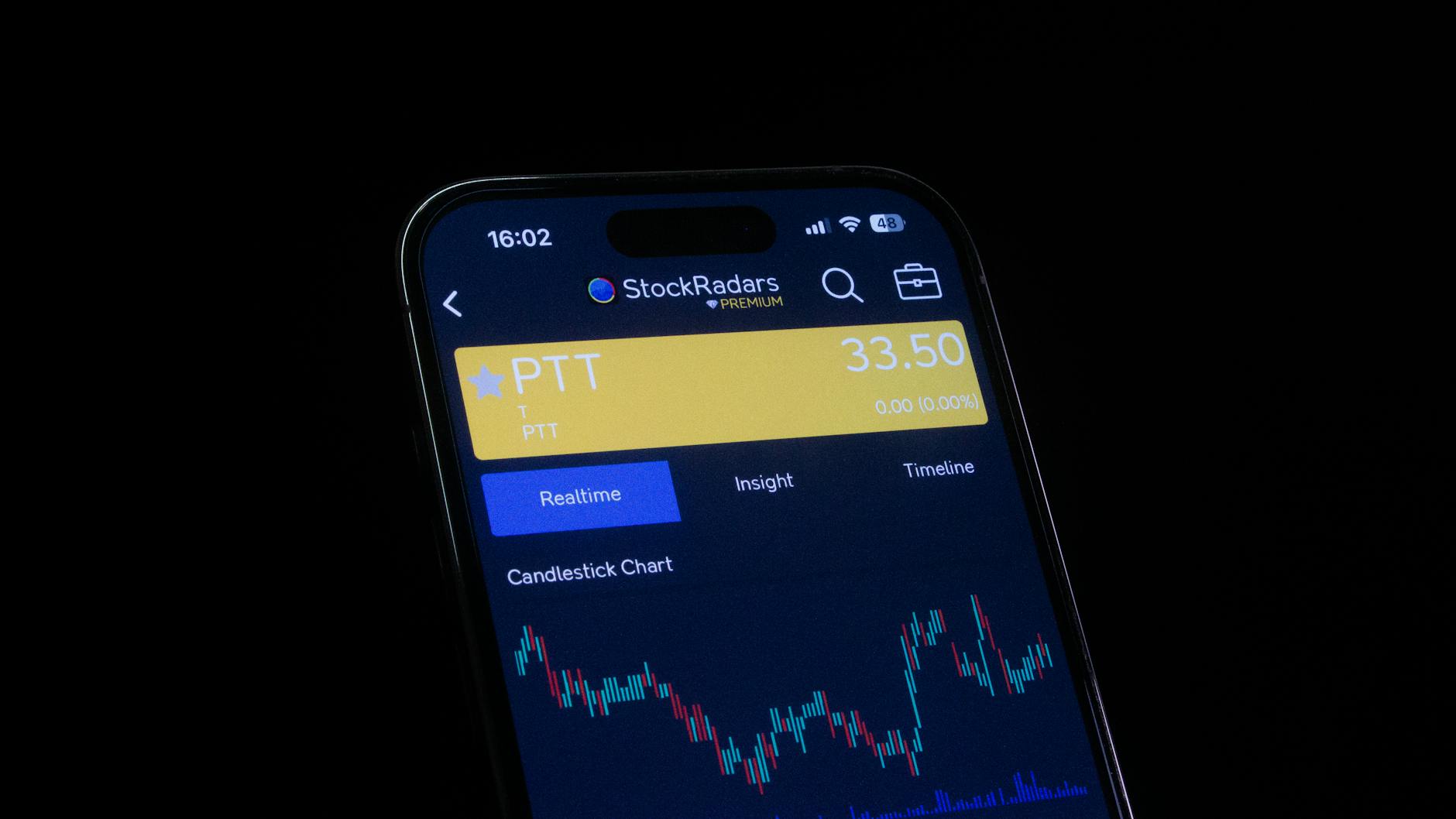
- Mobile Platforms: Optimized for smartphones and tablets, these platforms support on-the-go trading and quick decision-making, increasingly popular among active traders.
- API and Algorithmic Platforms: Designed for automated trading systems, these platforms allow integration with proprietary algorithms, providing advanced control over trade execution.
Criteria for Selecting a Traders Platform
Choosing the right traders platform involves evaluating several key factors to ensure alignment with operational needs and strategic goals. These criteria include:
- Performance and Reliability: The platform must deliver fast, consistent execution with minimal downtime, especially during peak trading hours.
- Feature Set and Customization: Capabilities should match the specific trading strategies, including advanced charting, algorithm support, and risk management tools.
- User Experience: An intuitive interface that facilitates rapid decision-making and reduces cognitive overload for traders.
- Security and Data Privacy: Strong encryption protocols and secure login processes to safeguard sensitive trading data and proprietary algorithms.
- Integration Capabilities: Compatibility with existing infrastructure, including broker feeds, risk management systems, and other operational tools.
- Scalability and Support: The platform should support future growth and offer reliable technical support and updates.
Security and Compliance in Traders Platforms
Ensuring robust security measures is fundamental in traders platforms used for prop trading. Secure login procedures, multi-factor authentication, and data encryption help protect sensitive information and prevent unauthorized access. Additionally, platforms must maintain transparency in operations, incorporating audit trails and detailed activity logs to facilitate compliance tracking. Compliance support tools should include automated reporting features that streamline audit processes and help meet regulatory standards without disrupting trading operations. Platforms that incorporate these elements enable firms to uphold operational integrity while mitigating potential vulnerabilities associated with cyber threats and unauthorized trading activities.
Integration and Compatibility with Trading Infrastructure
Effective traders platforms seamlessly integrate with existing trading infrastructure, including brokerage APIs, risk management systems, and data analytics tools. Compatibility with different operating systems and hardware configurations also matters, especially for teams with diverse setups. A well-integrated platform reduces workflow bottlenecks, minimizes errors, and allows for efficient data sharing across systems. Compatibility with third-party tools for analytics, charting, and algorithm development enhances trading precision and responsiveness, ultimately supporting the prop firm's overall operational agility.
Overview of Traders Platforms in Prop Trading
Traders platforms serve as the backbone of proprietary trading operations, providing traders with the essential tools required to execute, analyze, and manage trades efficiently. These platforms consolidate access to real-time market data, order execution systems, risk management features, and analytical tools, facilitating a seamless trading environment. The design and functionality of a robust traders platform influence trading accuracy, speed, and risk mitigation, directly impacting a prop firm's profitability and operational stability. As prop trading continues to evolve, the importance of choosing an official, well-supported platform becomes paramount for firms aiming to maintain competitive leverage and operational integrity.

Core Features of Effective Traders Platforms
Effective traders platforms are characterized by their reliability, speed, and comprehensive feature set. Key attributes include:
- Real-Time Data Access: Instantaneous streaming of market data ensures traders can react swiftly to price movements.
- Order Execution Capabilities: Fast, precise order placement and modification tools, including support for complex order types.
- Risk Management Tools: Built-in features for position sizing, stop-loss/take-profit settings, and real-time P&L monitoring.
- Customizability: The ability for traders to tailor interfaces and workflows to optimize efficiency.
- Analytical and Charting Tools: Advanced analytics, backtesting abilities, and charting facilities for strategic analysis.
- Automation Support: Compatibility with algorithmic trading systems and scripting languages for developing custom strategies.
Types of Traders Platforms for Prop Trading
Traders platforms can be categorized based on deployment and functionality. Main types include:
- Desktop Platforms: Installed locally on traders' computers, offering high-performance processing and extensive customization options.
- Web-Based Platforms: Accessible via browsers, providing flexibility and ease of access from various devices without installation requirements.
- Mobile Platforms: Designed for trading on the go, these facilitate quick order execution and alert management through smartphones and tablets.
- API-Driven Platforms: Allow integration with custom algorithms and third-party tools, making them ideal for technologically advanced prop firms.

Criteria for Selecting a Traders Platform
Choosing the right traders platform depends on a variety of factors that influence operational efficiency and compliance:
- Performance and Stability: Platform must operate smoothly under high trading volumes without crashes or lag.
- Data Security: Robust encryption and security protocols safeguard sensitive trading information.
- Compatibility: Seamless integration with existing trading infrastructure and third-party tools.
- User Interface: Intuitive design reduces training time and minimizes operational errors.
- Support and Updates: Ongoing technical support and frequent software updates to adapt to market changes.
- Regulatory and Compliance Features: Automated audit logs, trade reporting, and compliance tracking support.
Security and Compliance in Traders Platforms
Ensuring the safety of trading activities is essential, with security measures designed to prevent unauthorized access and data breaches. Multi-factor authentication, encryption protocols, and secure login interfaces form the core of platform security. Additionally, transparency through detailed activity logs and audit trails supports oversight and regulatory adherence. Platforms should facilitate reporting and record-keeping, automating compliance documentation to streamline audits and internal reviews. Incorporating these measures helps propagate a trustworthy trading environment that aligns with operational best practices.
Integration and Compatibility with Trading Infrastructure
For prop trading firms, scalability and operational efficiency are enhanced through seamless integration of traders platforms with existing trading infrastructure. Compatibility with brokerage APIs enables direct order routing, while integration with risk management and analytics tools supports comprehensive oversight. Importantly, cross-platform compatibility ensures that traders on diverse hardware and operating systems can operate efficiently. This interconnectedness reduces manual data entry, minimizes errors, and fosters real-time data sharing, enabling the rapid execution of complex trading strategies.
Cost Considerations and Subscription Models
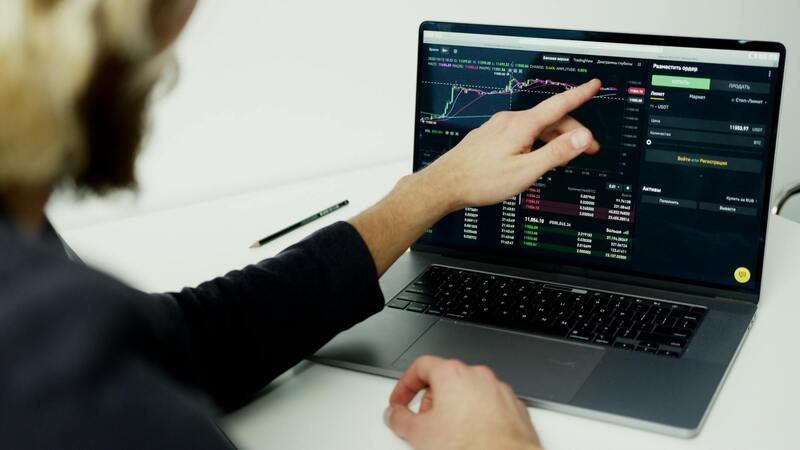
Operational costs associated with traders platforms vary based on deployment type, features, and support levels. Subscription models often provide monthly or annual fees, with tiered options offering basic to advanced functionalities. Some platforms require upfront licensing payments, while others operate on SaaS models, granting continuous updates and technical support. While evaluating costs, firms should consider the total cost of ownership, including training, customization, and support services. An investment in a reliable, comprehensive platform provides returns through improved trading accuracy, risk management, and operational efficiency, justifying the premium associated with high-quality solutions.
